-1.png?width=3330&height=698&name=TGP%20International%20Logo%20White%20(1)-1.png "TGP International logo")
Fashion and food have long shaped how people express identity and belonging.
What we choose to wear and what we choose to eat reveal far more than taste. They reflect heritage, memories, aspirations and the quiet rituals that define who we are.
Today, these two worlds are aligning in a way that feels both natural and culturally significant.
Few industry leaders understand this crossover better than Nichola Beskine-Taylor, Partner at TGP International. Over a sixteen-year career, she has worked across advisory, brand development and design with icons including Gucci, Dior, Fendi, Harrods, Selfridges and chefs such as Jean-Georges, Janice Wong and Matthew Kenney.
Drawing on this experience, she reflects on the deeper links between fashion and food, and on why this relationship is shaping the future of lifestyle brands.
1. How has dining become the anchor of modern lifestyle and why are consumers choosing food experiences over luxury goods?
Across global markets, there has been a notable shift in how people spend their income. Dining has become central to modern lifestyle because it offers one of the most socially immersive and emotionally resonant experiences available.
The rise of the experience economy has encouraged consumers to invest in moments that create memory and connection. This behaviour intensified during the pandemic when shared experiences became limited and deeply valued.
Even with the cost-of-living crisis and a thirty per cent rise in food prices over the last five years, consumers continue to prioritise dining. Instead of reducing their appetite for food experiences, they are pulling back on luxury fashion items, which are beginning to soften in sales. The Economist notes that while personal luxury goods may fall by two to five per cent this year, luxury hospitality is forecast to grow to more than three hundred and ninety billion dollars by 2028.
Dining has effectively taken the place once occupied by luxury goods in shaping lifestyle choices.
2. In what ways have the experience economy, rising costs and social media transformed restaurants into cultural status symbols?
.jpg?width=970&height=647&name=PA__6896%20(1).jpg)
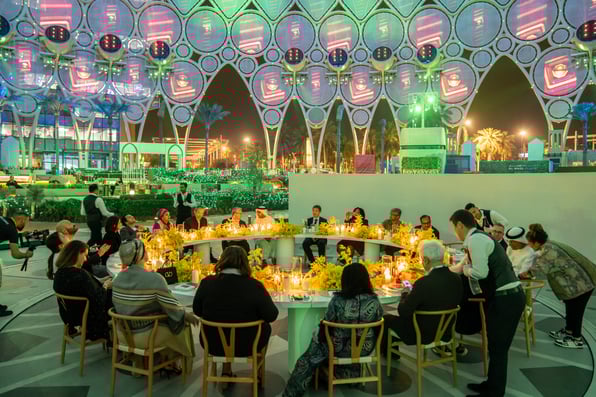
The experience economy encouraged people to value meaningful activities over material purchases and restaurants became spaces where these shared moments naturally occur. Rising food prices and economic pressure have not reduced demand for dining experiences but instead reinforced their importance as people continue to seek social and emotional value from them.
Social media has amplified this shift significantly. Restaurants now operate as cultural icons where securing a reservation at a sought-after venue carries the same status once linked to owning a coveted designer item. Being seen at the right dining table has become a marker of taste, access and lifestyle influence.
In many ways, the restaurant world now mirrors the fashion world with anticipation, exclusivity and storytelling shaping how people engage with it.
3. What links do you see between fashion and food culture when it comes to shaping identity and community?
.jpg?width=970&height=545&name=dior_1%20(1).jpg)
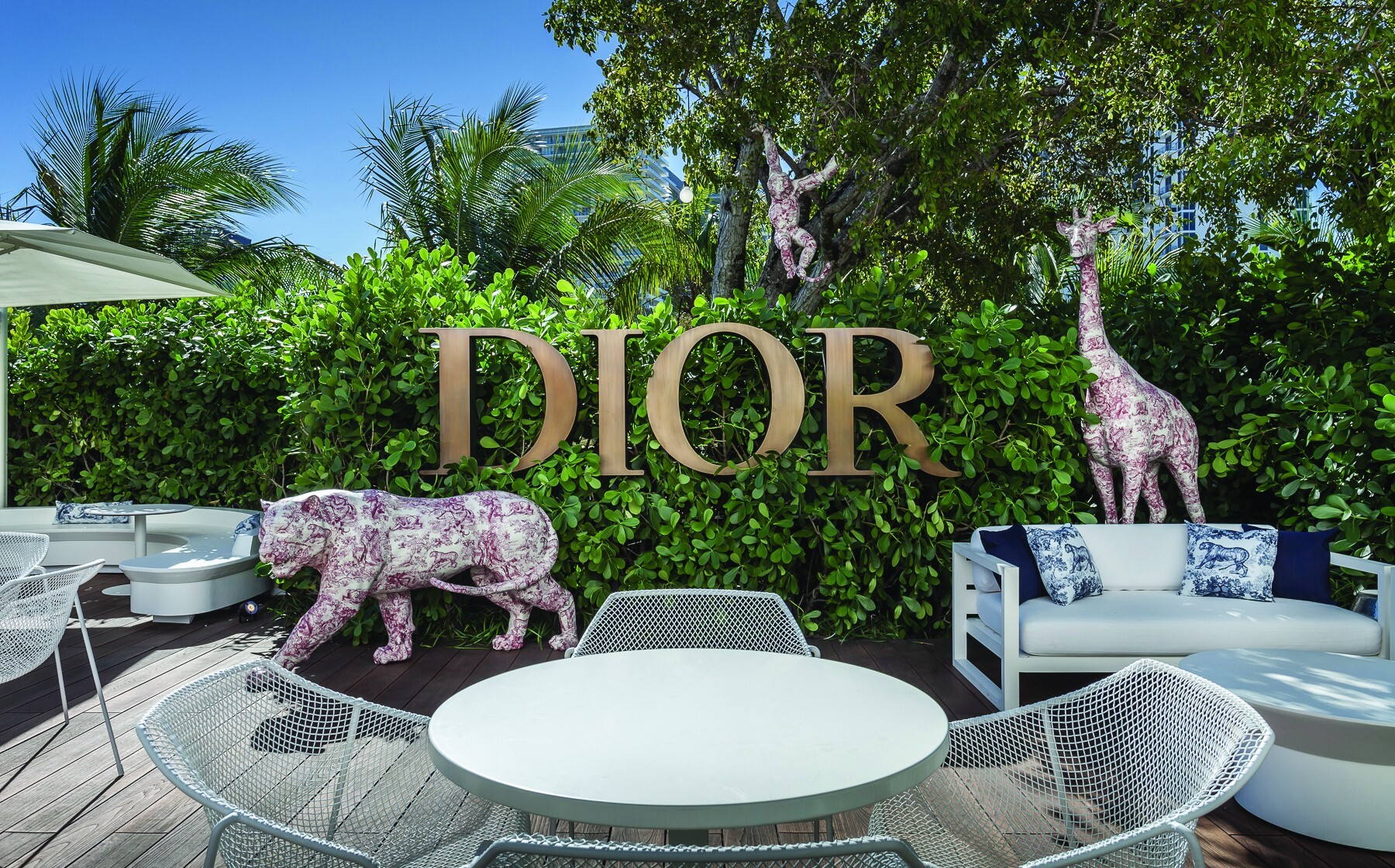
Fashion and food have a shared purpose in the way they help people articulate identity. Both are accessible everyday choices that allow individuals to communicate their roots, their preferences and the place they want to inhabit in society. Whether it is a signature dish or a signature silhouette, each becomes an expression of taste and sentiment that carries meaning beyond the object itself.
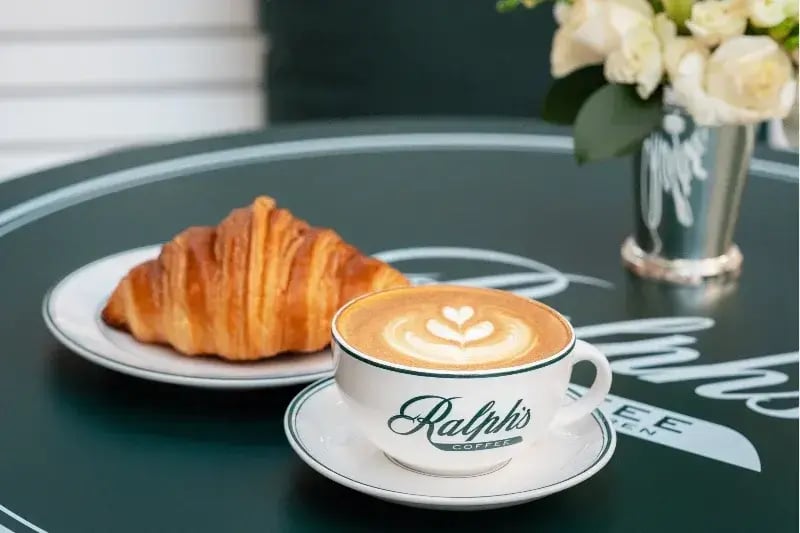
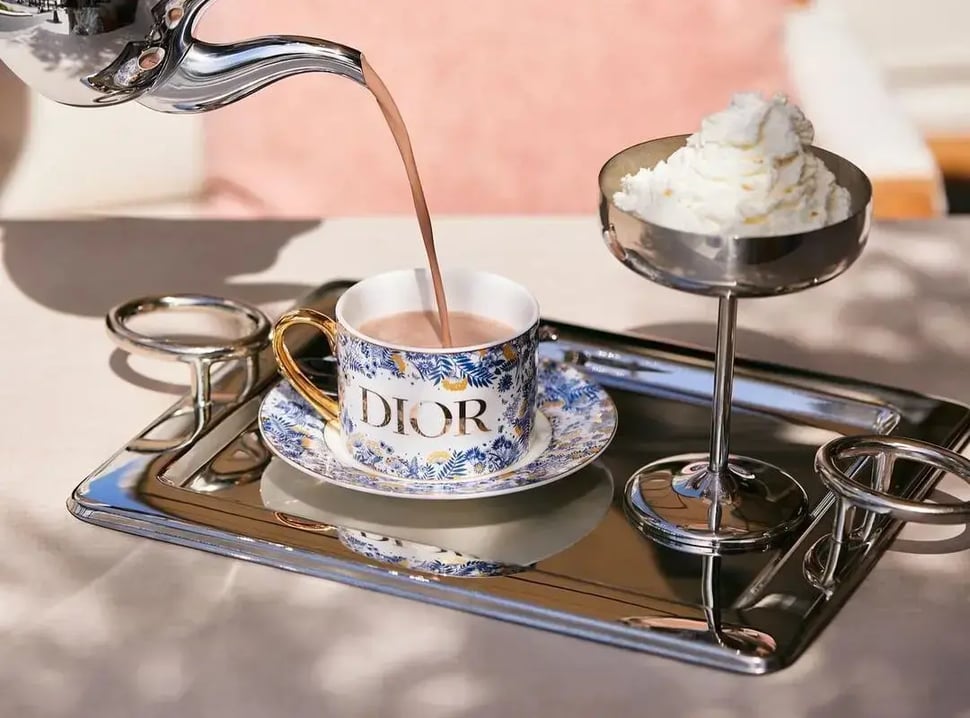
A cappuccino stamped with Dior’s iconic letter or a dish at Gucci Osteria is not dissimilar to a couture gown in intent. Each transforms a moment into a reflection of personal style. Both allow individuals to signal belonging through subtle visual cues.
They also create rituals that build community. A seasonal collection launch or a weekly brunch brings people together and reinforces shared identity.
These rituals leave lasting impressions, shaping stories that extend well beyond the immediate experience.
When a fashion house steps into food it steps directly into this rhythm of memory and connection.
4. Why do you think fashion houses are increasingly drawn to the world of F&B?
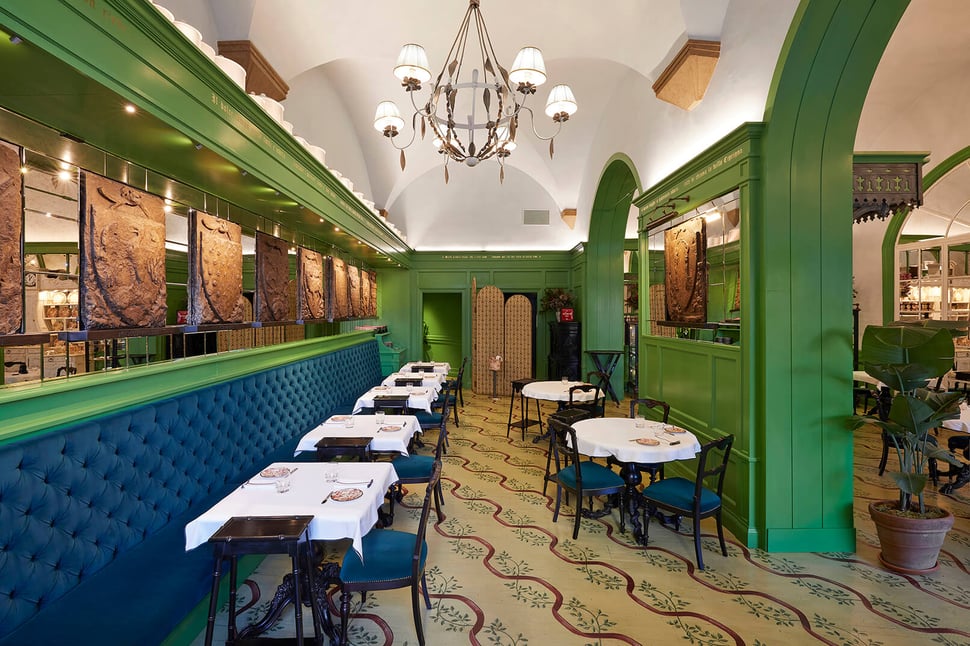
The move is driven by both economic realities and cultural relevance. Fashion is deeply cyclical and vulnerable to rapid shifts in consumer confidence. During downturns, spending on apparel, accessories and luxury goods declines quickly.
Food, however, remains resilient. It is both a necessity and a comfort, which means it provides steady engagement even when other categories are slow.
Fashion brands see food as a way to remain relevant and visible. It allows them to reach audiences more frequently and in more intimate ways. A bag or dress might be purchased once a season, but a coffee or dessert can be enjoyed weekly. It is an entry point that feels attainable and emotionally rewarding, particularly for younger consumers.
The Business of Fashion notes that food in fashion imagery has surged because food has become symbolic of refinement, pleasure and desire. People follow restaurants as though they were celebrities.
A photograph of a simple breakfast or a striking dessert can carry the same aspirational weight as a product campaign. The creative industry recognises the power of this visual language and is using it to bridge fashion with the everyday lives of consumers.
Ultimately, food allows fashion brands to create experiences that feel both luxurious and immediate, which is a powerful combination.
5. What crossovers do these offer that a traditional restaurant or retail store cannot?
.webp?width=970&height=647&name=Hero-Dubai-Mall-Fashion-Avenue-Dubai-Alamy-R9FRB7%20(1).webp)
They allow brands to build worlds rather than simply present products. A retail environment focuses on merchandise. A restaurant focuses on hospitality. When the two come together, something more layered emerges.
In spaces like Armani Ristorante in Milan or Ralph’s Coffee in Dubai, the interiors, the menu, the service, the materials and the surrounding aesthetic all contribute to a unified narrative. Guests are not simply dining. They are stepping into a refined interpretation of the brand’s universe. They engage with it visually, physically and emotionally. This leads to longer engagement and stronger loyalty. A person who visits a café weekly develops a deeper relationship with the brand than someone who shops twice a year.
These hybrid spaces also support modern consumer expectations. People want environments that feel thoughtful, immersive and story-driven. They are less interested in stark transactional moments and more interested in experiences that feel crafted and sincere.
By creating these environments, fashion brands offer a sense of place that resonates with how people now live, work and socialise.
6. What risks or challenges do brands face when moving into other verticals?
The primary challenge is authenticity. Guests quickly recognise when a hospitality concept lacks depth. A café that relies only on a logo or on novelty without investing in food quality, service consistency and operational discipline will struggle.
Hospitality is a demanding sector that requires expertise, commitment and a long-term view. A superficial approach risks damaging the brand’s credibility rather than strengthening it.
Sustainability is another challenge. Consumers expect brands to lead responsibly. They pay attention to sourcing supply chains, waste management and environmental impact.
A dining concept that does not consider these areas may be seen as out of touch with modern values. For fashion houses that rely heavily on image integrity; these missteps can be particularly costly.
7. Can you share examples of where you have seen this crossover in TGP International’s projects or the wider market?
.webp?width=970&height=685&name=Assouline2020@doyouspeaklondon_com2_%20(1).webp)
The industry is full of compelling examples. Classic fashion cafés from Dior, Gucci and Fendi continue to flourish. Newer concepts have also emerged such as the Assouline Café in Piccadilly where literature, culture and coffee are brought together or The Ice Cream Project by Anya Hindmarch which transforms childhood nostalgia into a high-end experience. Recent creative collaborations like Moschino with Lavazza show how playful and engaging this crossover can become.
Within TGP International the strongest examples are those where food, design and brand identity align seamlessly. At Kayanee in Riyadh we shaped the F&B component of a wellness brand that is redefining lifestyle for women in the region. Every detail from antioxidant-rich drinks to the spatial design reflects the brand’s philosophy of balance, nourishment and clarity. The result is a dining experience that feels purposeful and deeply connected to the brand’s wider mission.
Seed and Bloom café follows a similar approach, bringing together food, interior design, community and retail. By integrating a retail zone that highlights local suppliers and partner brands the space becomes a platform for storytelling and collaboration. It offers something broader than dining. It becomes a centre for engagement and creative exchange.
These examples show that when coherence is achieved F&B becomes a natural extension of a brand’s identity rather than an add-on.
8. What role do food halls play in this movement?
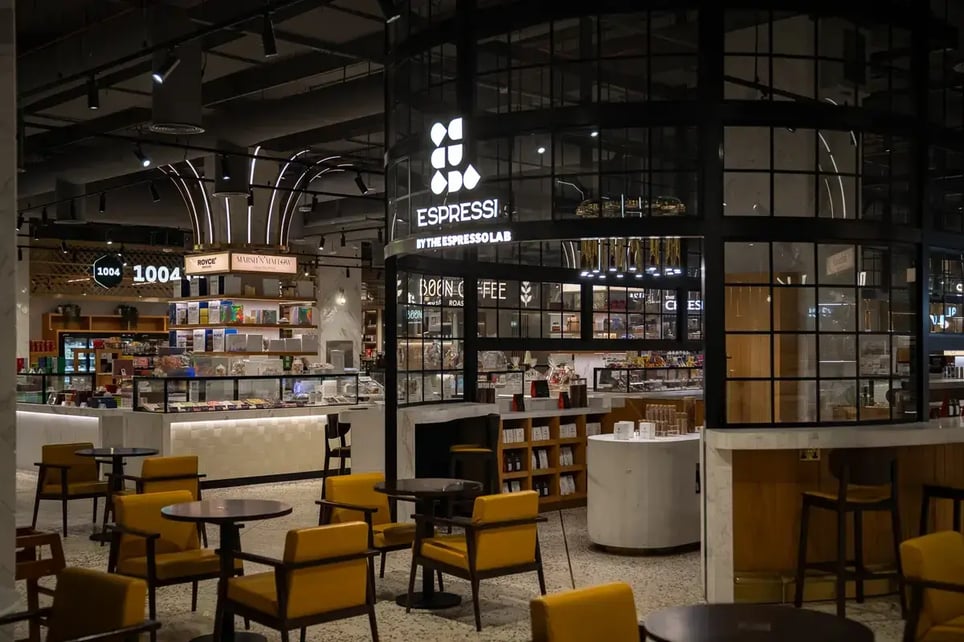
Food halls have become cultural destinations. They offer diversity, energy and discovery, which makes them ideal environments for testing new concepts. For fashion brands, they provide a stage where ideas can be explored without the financial risk associated with standalone restaurants. They also tap into the rise of global food tourism, which is estimated to be worth almost seven hundred billion dollars.
Food halls are often central to how cities express their identity and attract visitors, which makes them powerful venues for brands looking to expand their reach.
By participating in these spaces, brands can connect with audiences in high-footfall environments that celebrate culture, creativity and community.
9. Looking ahead, how do you see fashion investment in F&B shaping the way people experience both industries?
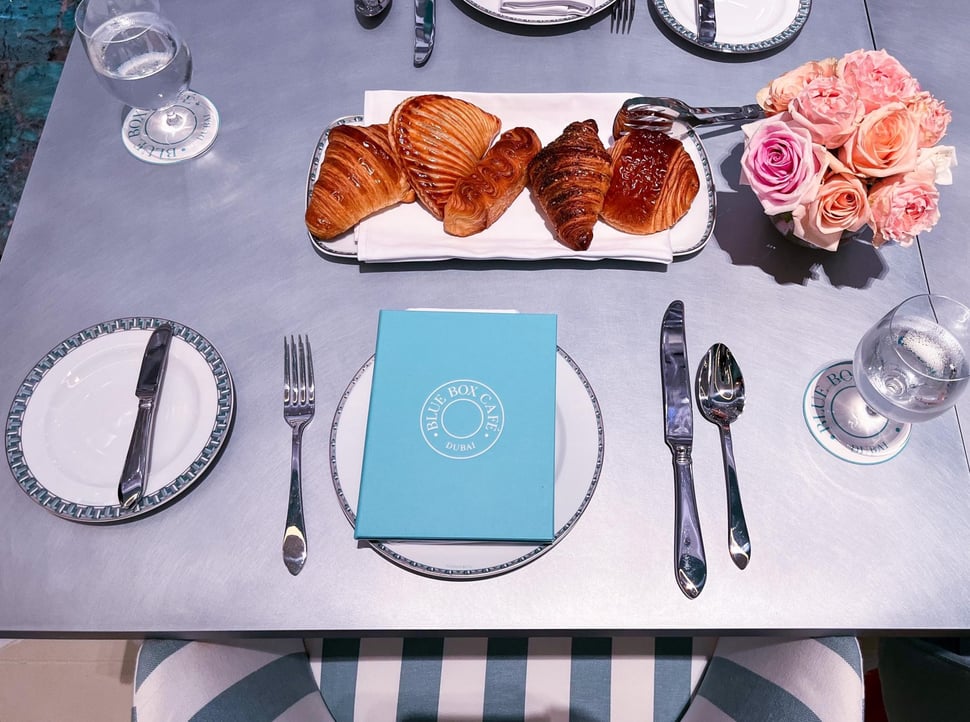
The relationship between fashion and food will continue to deepen. Branded dining spaces such as Tiffany’s Blue Box Café, Dior Pâtisseries and Gucci Osteria represent more than themed venues. They reflect a shift in how people relate to brands.
Consumers want experiences that feel rich, layered and sensory. They want narratives they can inhabit rather than observe from a distance.
In cities like Dubai, where hospitality and retail already shape urban fabric, these hybrid spaces are becoming cultural landmarks. They offer moments of pause, pleasure and escapism which resonate strongly with modern lifestyles.
The future will not be defined by whether someone is dining or shopping, but by the feeling they experience within the space. The emotional impression will matter more than the category. Fashion’s influence will be felt not only through garments but through the environments, flavours and encounters that create lasting memories.
In this sense, the union of fashion and food marks a broader evolution in how brands engage with people. It reflects a world where luxury is no longer defined solely by objects but by the depth, the warmth and the meaning of the experiences that surround them.