-1.png?width=3330&height=698&name=TGP%20International%20Logo%20White%20(1)-1.png "TGP International logo")
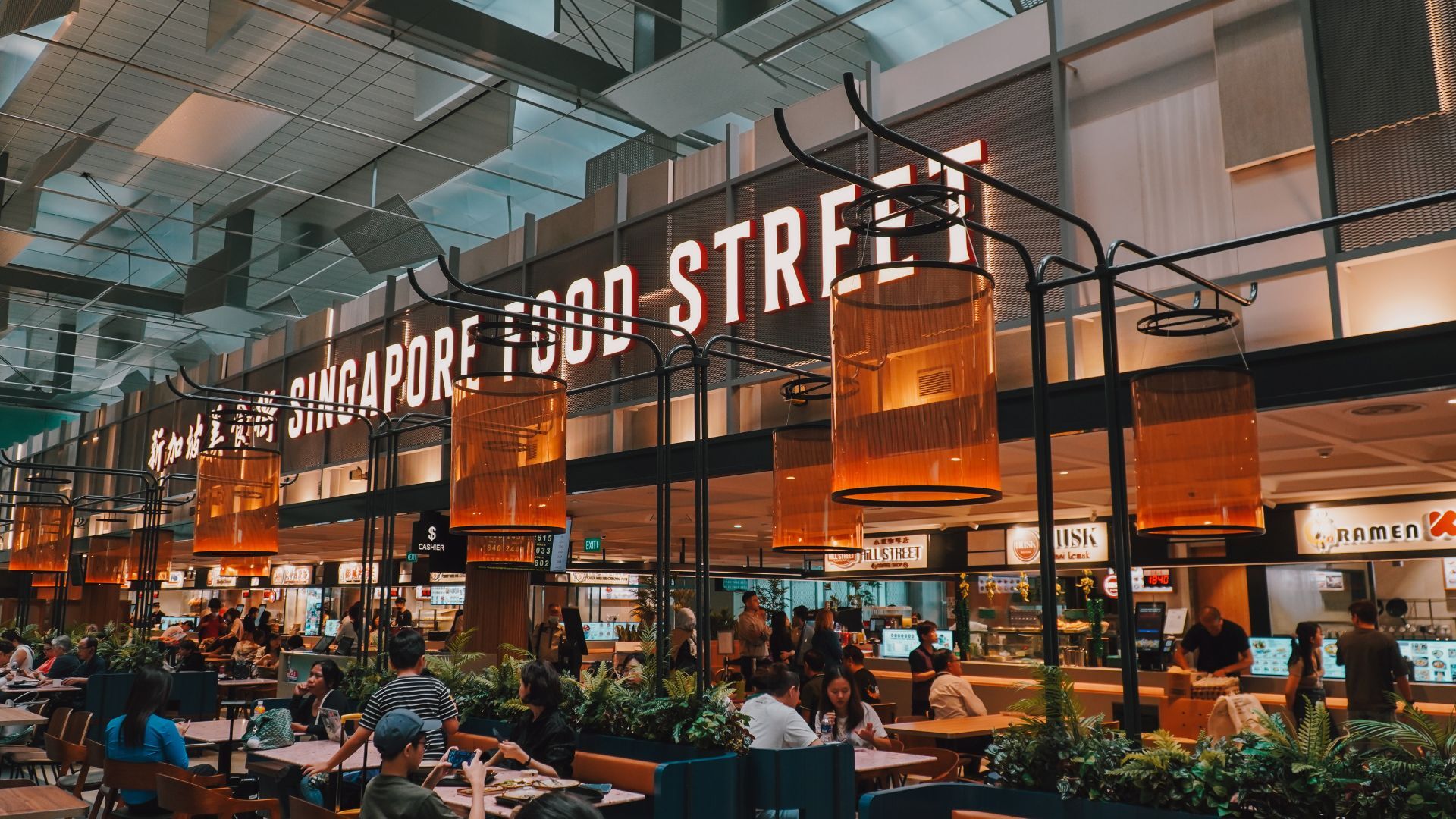

Restaurant Concepts,
Saudi Arabia
Once upon a time, travel was both privilege and necessity, about discovery and commerce for the curious and the courageous.
The fortunate crossed oceans to experience the unknown, while others travelled in their imagination through stories, reading books and on the movie screen.
Then came the age of access, the world opened and travel was affordable. We built vast important transit terminals that were efficient, industrial, unfeeling - ergonomic halls of fluorescent logic: machines for processing ruled over pleasure and human connection. Efficiency overload and certainly not effective
Service became scripted. Travellers became data points, a number on a boarding pass walking through body scanners with no belt and shoes.
Travel is emotional and sensory whether holiday or business or both! The beginning of the journey is not just about the logistics of departure.
As the world opens more and new ventures arise, we stand at the threshold of new terminals - can we rediscover spaces where movement feels human, where journeys begin with intelligent technology and attentiveness, where real hospitality and its design leads the way?
From Infrastructure to Experience
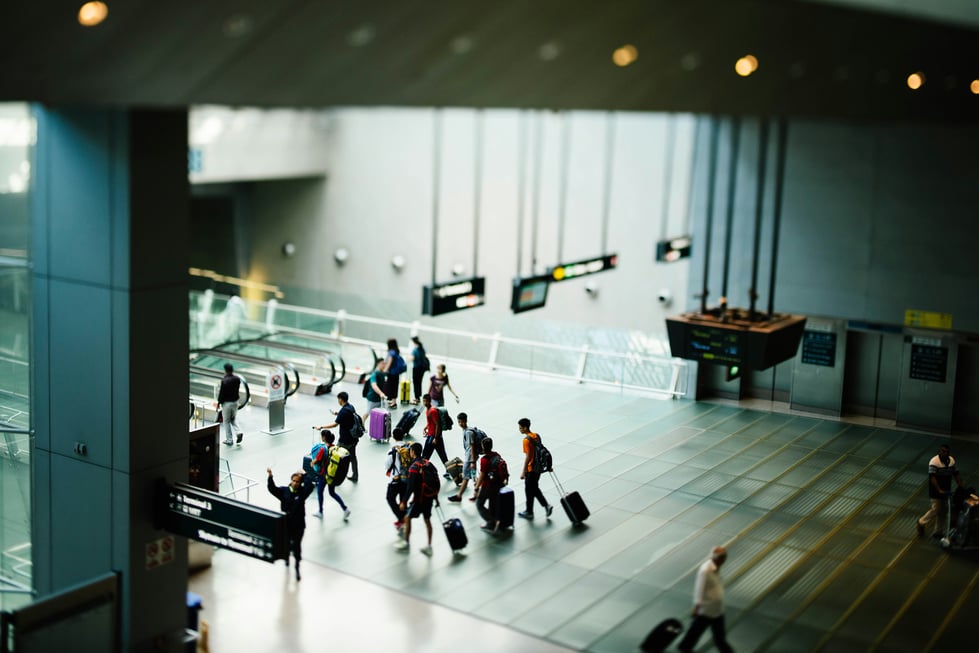
Traditionally, transit hubs were built around one obsession: throughput. How many people can we move through this box without breaking the system?
That thinking gave us queues, generic food, harsh lighting and environments built more around control than comfort. Today, the conversation is shifting. Urbanists now talk about hubs as mini ecosystems, developers talk about dwell time, identity and placemaking, and others talk about emotional state and wellness.
This is because people don’t simply pass through these places. They wait, wander, work, worry about boarding times, try to keep children occupied and look for something that feels normal and grounding.
The brief is evolving from “build a funnel” to “design an experience where movement feels intuitive, not stressful”. And hospitality has become the language that makes that transition possible.
We’re also seeing this shift reflected at the very highest level of airport masterplanning. Foster + Partners’ design for the new Riyadh Airport proposes a radically permeable terminal model, removing the traditional hard distinction between landside and airside. In this vision, anyone can walk up to any gate, with the terminal behaving more like a civic building than a secured corridor. It’s a powerful signal of where the future is heading: terminals as open, legible, human environments rather than sealed systems of control.
Discover Our Approach to Food Hall Strategy, Design and Operations
Hospitality as a Design Tool
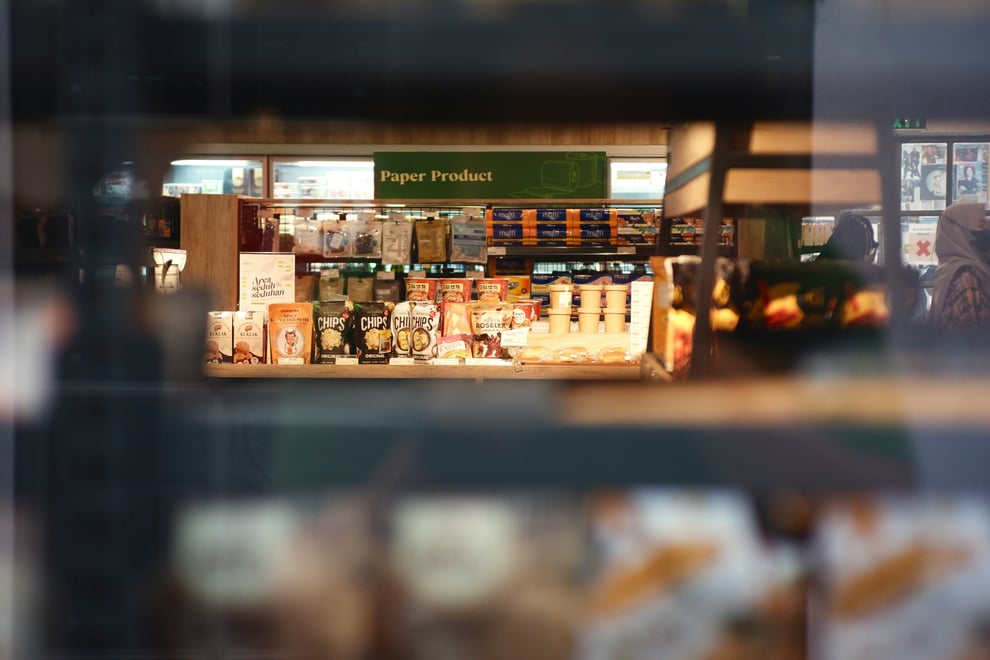
When we design restaurants, clubs, food halls, lounges or social spaces, we obsess over the guest journey: where you land first, what you notice, when you relax, when you feel taken care of.
That same mindset is now appearing across transit environments. The language shifts from passengers to guests, because travel is already emotionally loaded – anticipation, fatigue, excitement, low-level panic, and even small gestures of hospitality can soften the whole experience.
It isn’t about turning everything into luxury. It’s about warmth, clarity, service and a layout that quietly tells you “you’re fine, you’ve got time.” When those elements work together, the entire environment becomes calmer, more humane and strangely memorable.
Airports like Singapore Changi, Rome Fiumicino and Copenhagen have demonstrated how hospitality thinking can be embedded structurally, not just aesthetically. By integrating F&B, retail and generous shared seating into unified zones, these airports allow guests to drift naturally between eating, shopping and resting, rather than forcing them into isolated, transactional moments.
Explore TGP International’s Design Solutions
Food and Beverage as the Anchor
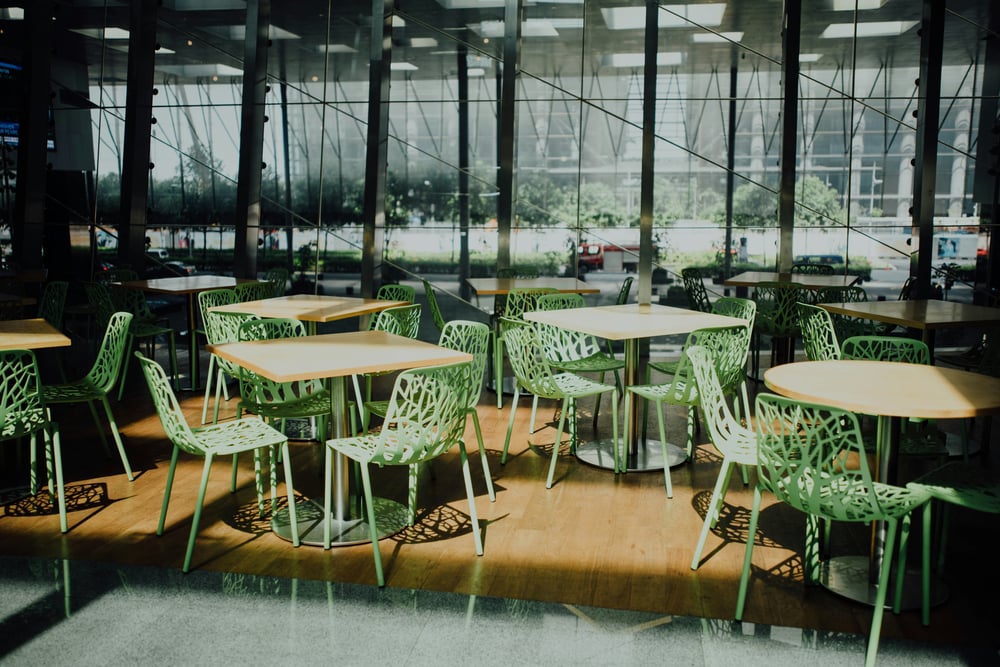 F&B is often the first place where a transit hub stops feeling like infrastructure and starts feeling like a real place. Not just fuel, not just “grab-and-go,” but local cafés with stories, bakeries that could easily exist in the city outside, chef-driven concepts adapted cleverly to tight kitchens, and coffee that feels like someone actually cared.
Food becomes shorthand for identity. It says “this is Tokyo” or “this is Dubai” before you’ve even stepped outside. It also creates rhythm in a journey that is otherwise consumed by process. A moment to sit, send a final email, talk to someone you’re travelling with, or simply watch the world move past.
Of course, the operational realities are tough. Kitchens are small, rules are strict, traffic spikes unpredictably and there are many who must have their full cooked breakfast minutes before boarding. That’s precisely why the best airport and station F&B feels impressive, it is deeply intentional, operationally disciplined and quietly ambitious.
Projects like Jewel Changi take this even further, blending destination dining, retail and leisure into a single ecosystem that works for travellers and non-travellers alike. At Rome Fiumicino, Eataly collapses restaurant, market and retail into one experience, turning a moment of waiting into cultural immersion rather than lost time.
See How We Design and Operate High-Performance Transit Food Halls
Gateways to the City and Gastrotourism

One of the biggest mindset shifts is the recognition that transit spaces are storytellers. Your first bite, first sip, first smell, first design impression often happens here.
City planners and developers are realising that transit is branding. It shapes expectations and emotional connection long before visitors reach hotels, museums or neighbourhoods. Done badly, it feels generic and interchangeable. Done well, it feels like an invitation into somewhere specific and worth knowing.
Learn How Our Marketing Strategies Can Turn Transit Hubs Into Memorable Destinations.
Designed for Movement, not Chaos
This is the unglamorous side that becomes surprisingly creative. Layouts now aim to remove friction instead of adding control. Sightlines are clearer, flows feel more natural, and there are different seating types for different moods and needs. It’s hospitality thinking applied to spaces where aircraft, security protocols and timetables still rule the day.
As we've seen on our biggest projects, from major events to food halls, behind the scenes, it’s choreography, logistics and invisible service and the result, ideally, feels effortless.
Let TGP International Manage Your Hub To Deliver Exceptional Experiences
Technology That Gets Out of the Way
Technology is now everywhere in transit hubs, but the best examples almost disappear into the background. Pre-order systems, frictionless payments, intuitive screens and smarter back-of-house tools allow quality and speed to coexist, even when things get intense.
The nightmare version is when you’re trapped in a maze of touchscreens and not entirely sure whether you’ve successfully ordered lunch or accidentally upgraded your seat. The better version is simple and human. Tech should clear obstacles, staff should have more time to actually engage, and the entire environment should feel more under control.
Examples like Miami International Airport’s MIA2GO or Dublin and Auckland’s click-and-collect retail platforms show how digital layers can expand choice without expanding footprint, unlocking revenue while easing spatial pressure.
Get Expert Advisory On Transforming Tour Transit Hub Into A Thriving Ecosystem
Premium Not Precious
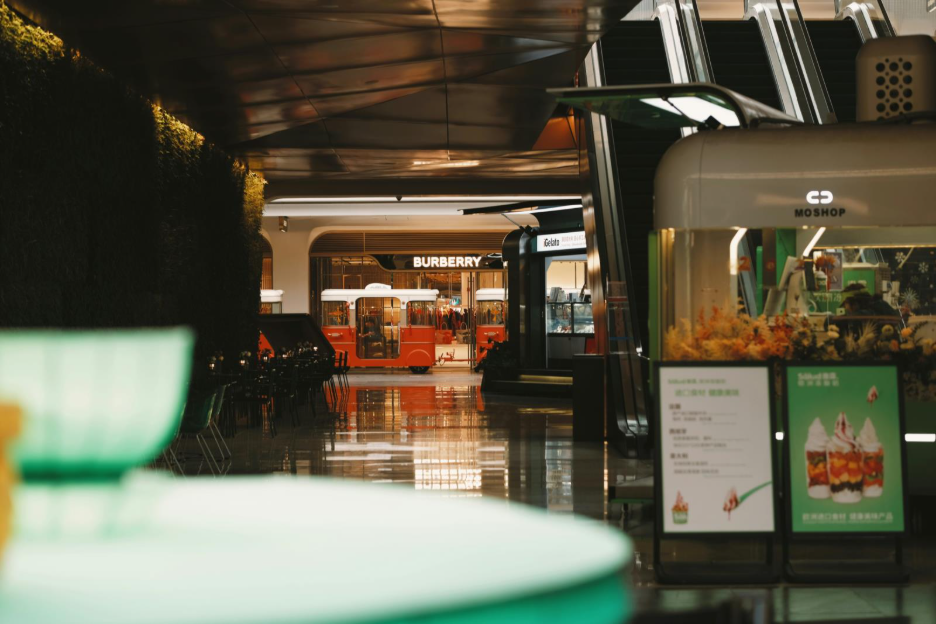
Standards are rising, and not because everything needs to feel exclusive. Travellers benchmark every experience against the best one they’ve had anywhere, so lounges evolve, quiet spaces appear, wellness considerations sneak in and menus feel more thoughtful.
The trick is avoiding the trap of exclusivity. These spaces still have to serve families, students, business travellers, night flights and people who always arrive far too early. The goal is comfort and quality that feel democratic rather than gated, a hospitality upgrade for everyone, not just a select few.
It’s not just Airports
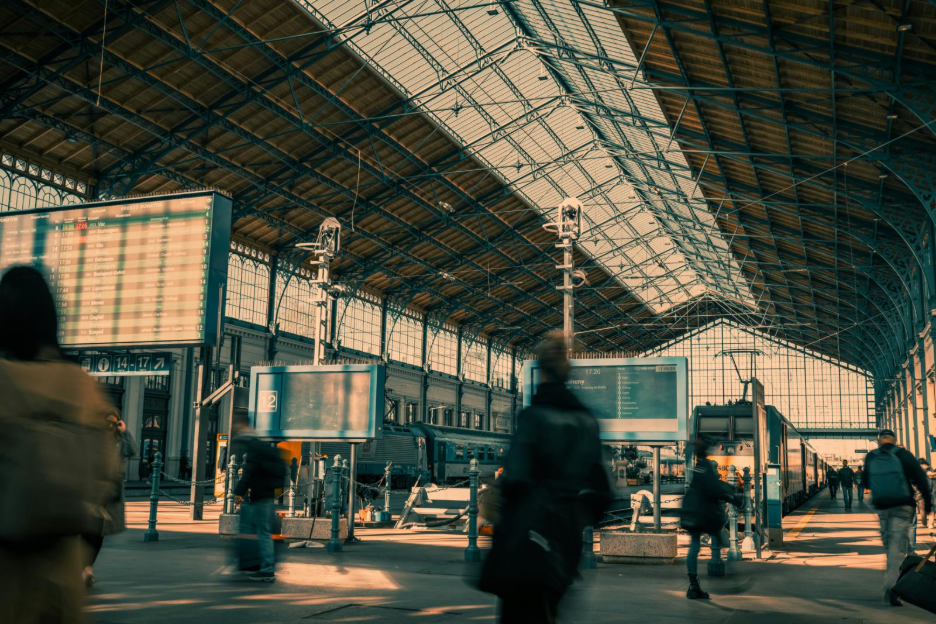
Rail stations are turning into lifestyle hubs, metro interchanges now host cafés, markets and mini exhibitions, and service stations are offering much higher levels of quality.
Wherever there is movement, hospitality thinking is starting to appear.
For cities, developers, operators and brands, this isn’t about adding a nicer food court. It’s about orchestration. Strategy, design, operations, brand, partnerships and programming need to speak to each other rather than operate in silos.
When they do, you see real value. Better dwell time, stronger sense of place and environments that people genuinely recall positively. And yes, happier humans remain one of the most underrated metrics.
Blurred Lines and Hybridisation
.jpg?width=998&height=665&name=kevin-schmid-B496MVE6IAo-unsplash%20(1).jpg)
Transit hubs are not going to turn into resorts, and they shouldn’t. Their job is still to move people efficiently. But they can also welcome us, soothe us, surprise us and introduce us to a place with small gestures long before we actually arrive.
Across so many sectors, the lines are blurring—from luxury fashion to shopping centres—and it’s interesting to see how hospitality and F&B increasingly become the stabiliser. They offer familiarity, rhythm and a sense of care in environments that used to feel purely functional.
From a creative perspective, that’s what makes this space so compelling. The locations we once tolerated are slowly becoming places we might genuinely enjoy spending time in.
