-1.png?width=3330&height=698&name=TGP%20International%20Logo%20White%20(1)-1.png "TGP International logo")
Defining value is becoming increasingly complex. Changing lifestyles, tighter budgets, growing concerns over global stability and a deeper focus on wellbeing are all reshaping how people measure quality and meaning.
From choosing a restaurant to booking a hotel, guests now consider a broader set of factors when deciding what feels worthwhile. Does an experience fit my needs? Does it express my values? Does it justify my attention?
Read Our F&B & Hospitality Trends Report for 2026
KEY TAKEAWAYS
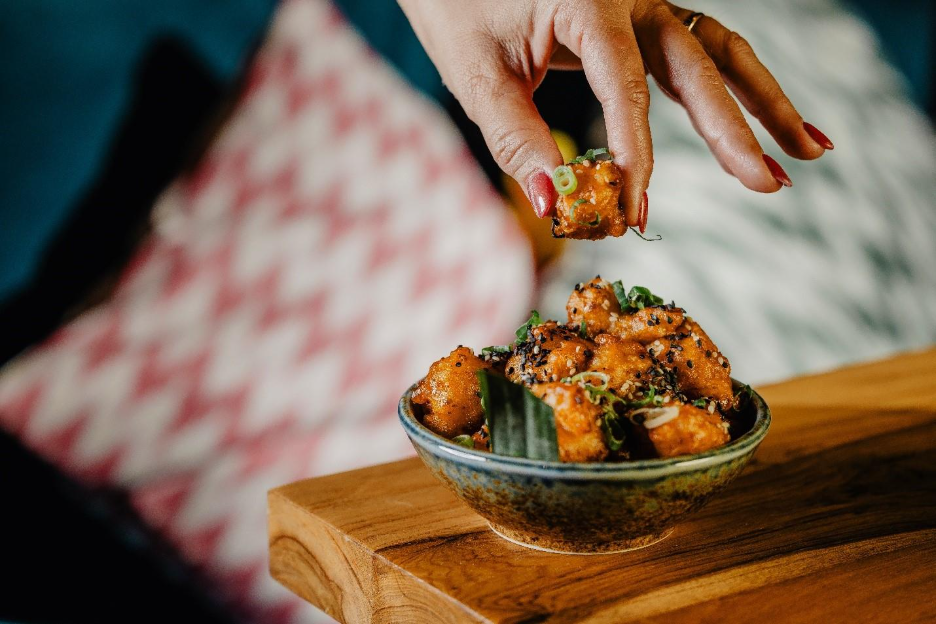
- Dining out remains one of the most resilient “treat” purchases, even when people are more cautious with spending.
- More than 80 percent of consumers globally now see wellness as a key priority. (Global Wellness Institute, The Global Wellness Economy: 2025 Report, 2025)
- Around 42 percent describe it as a core value that shapes where they choose to stay, eat and spend. (Global Wellness Institute. The Global Wellness Economy: 2025 Report. Miami, FL: Global Wellness Institute, January 2025.)
- The global wellness economy reached a record $6.8 trillion in 2024, having doubled in size since 2013, and is projected to grow by 7.6 % annually through 2029 (The Global Wellness Economy 2025).
- All 11 key wellness sectors now exceed their pre-pandemic levels, with wellness real estate and mental wellness growing exceptionally fast (19.5 % and 12.4 % average annual growth respectively from 2019–2024) (The Global Wellness Economy 2025 Report, Miami).
ACCESS OVER OWNERSHIP
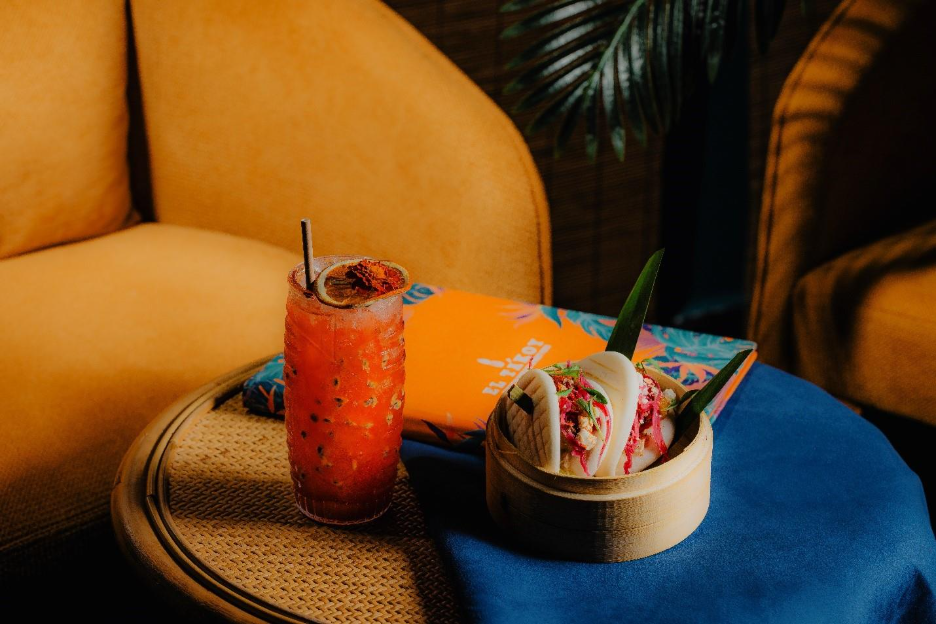
The definition of value is shifting, and with it the way guests approach things like luxury and leisure. Rather than committing to long-term ownership or high-cost purchases, we’re seeing many consumers increasingly prioritising flexible, low-commitment ways to engage with elevated experiences, instead preferring the option to tap into luxury, even if just for a weekend or a single standout dish.
This has fuelled the rise of things like membership-based dining clubs, limited-time menus, pop-up restaurants, and curated short-stay experiences that offer a sense of exclusivity without the cost or burden of permanence.
These formats deliver “bursts” of high-impact enjoyment or momentary periods of calm and restoration, allowing people to indulge on their own terms and timeline.
HOTELS REFRAMING F&B
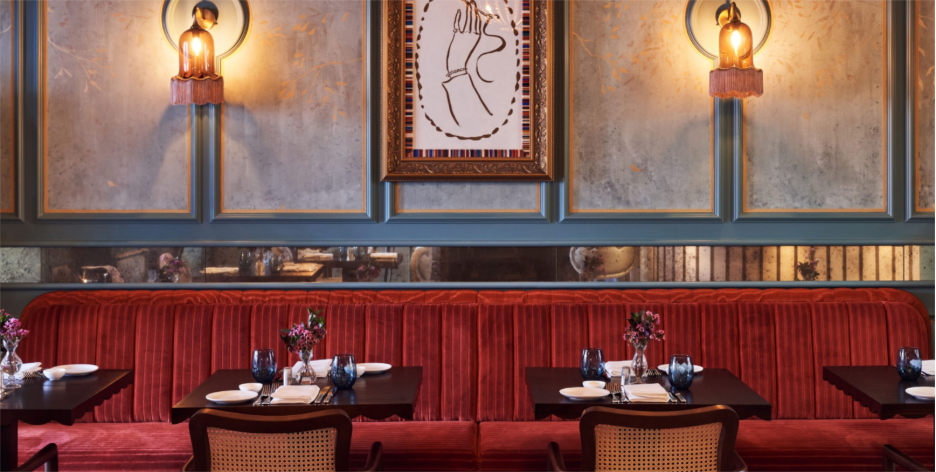
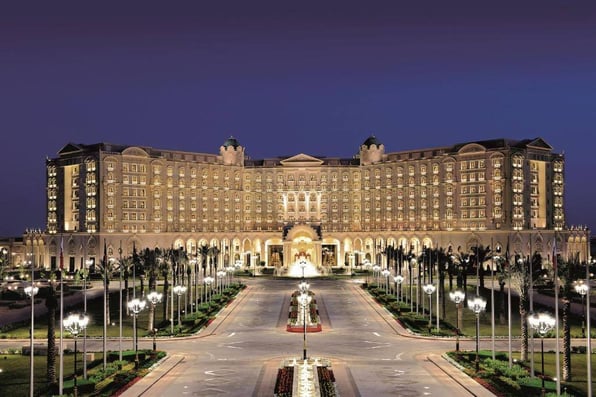
Nowhere is the re-examination of value more visible than in the hotel sector. Many operators at both brand and property level are rethinking the guest experience and how to position F&B as a strategic asset rather than a peripheral service.
New in-house concepts are being developed, breakfast programmes are being overhauled and partnerships with established F&B brands have increased, all aimed at better aligning with evolving guest expectations and drawing in guests from outside the hotel.
By integrating stronger storytelling, more intentional design, and higher culinary standards, we’re seeing hotels transforming their restaurants and lounges into genuine destinations, not just cost centres.
REIMAGINING HERITAGE
Some guests chase new experiences, while others find comfort in the familiar. In uncertain times, many people tend to return to classic cuisines and long-trusted brands. And when confidence picks up, so does the appetite for fusion, experimentation and surprise.
Similarly with brands, we’re seeing some pushing forward with bold and future-facing ideas, while others are turning to their own heritage to communicate authenticity and trust in crowded markets.
Our work with brands like Ten 11, Diplomat Sweets, Kudu, Barns and The Sloane Club show how legacy can be a source of great potential. By drawing on their heritage while adapting for contemporary audiences, these brands create experiences that balance nostalgia with novelty, offering comfort and discovery in equal measure. And often within the same visit.
WELLNESS AS A CORE DRIVER
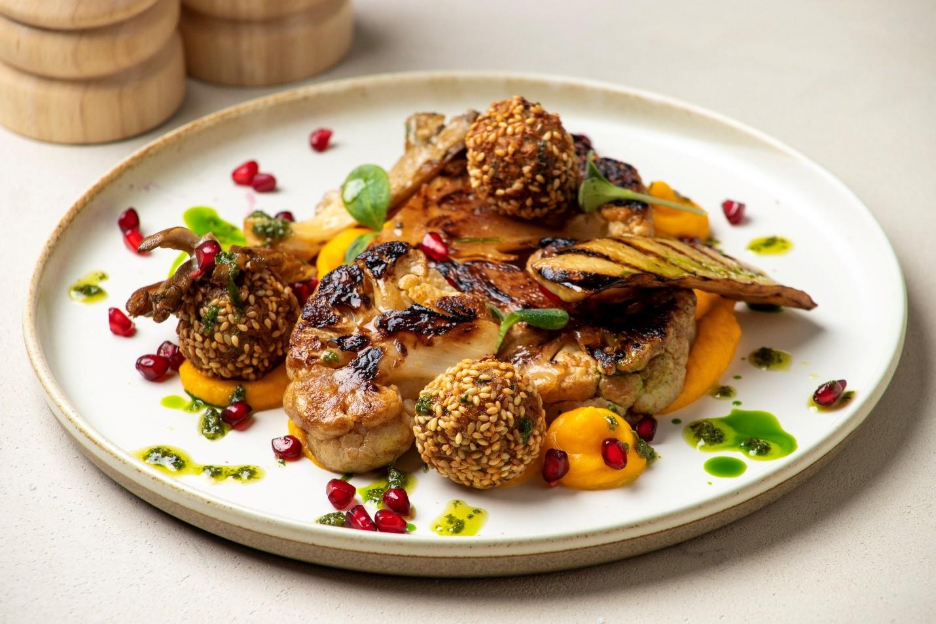
Wellness continues to be one of the most influential factors shaping how consumers perceive value. With more than 80% of people naming wellness as a top priority (Global Wellness Institute, The Global Wellness Economy: 2025 Report, 2025), operators are embedding wellbeing into every aspect of the experience, from menu development and space design to service style and daily operations.
Explore Our Management Strategy
This shift goes beyond offering healthier dishes. It includes creating environments that support mental clarity and balance. Even brands that once hesitated to engage deeply with wellness are now approaching it with intention, recognizing both its market demand and its long-term cultural momentum.
A LOOK AT LONG LANE
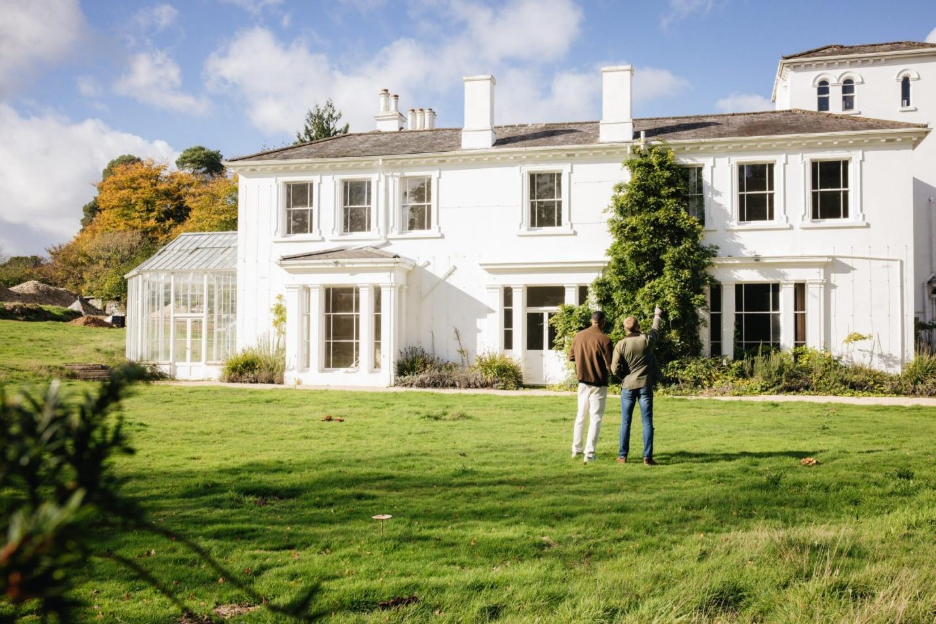
Our collaboration with Loui Blake and Long Lane illustrates how transformative this wellness-led approach can be. The concept places wellbeing at its core and with hospitality with a clear sense of purpose that resonates deeply with today’s consumer.
Long Lane is designed as a space that nurtures community and everyday health, not through trends, but through thoughtful and consistent practice.
Notably, a strong community has formed around the project well before its official launch, underscoring the growing desire for places that support connection and holistic living. It signals a broader movement toward hospitality environments that enrich daily life rather than offering just a one-off experience.
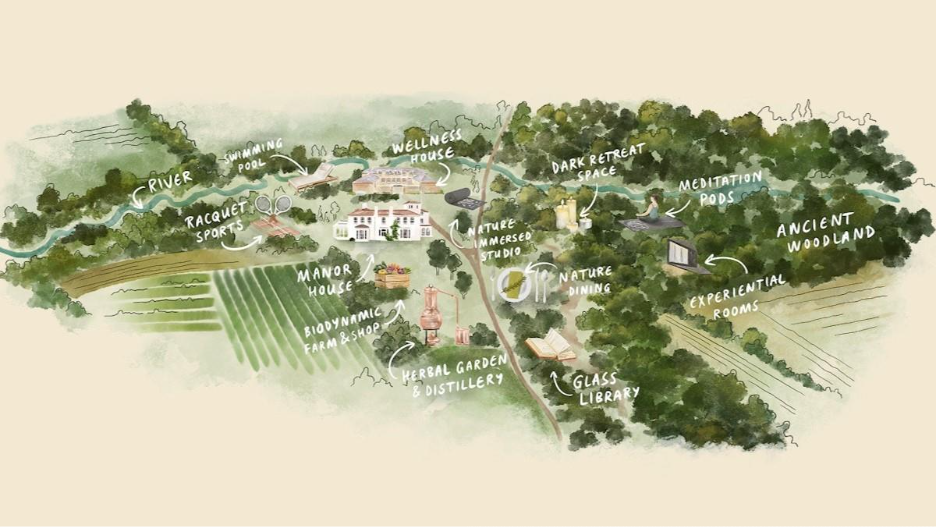
“Long Lane began as a response to modern life moving faster than ever, leaving people disconnected from their health, purpose and each other. The wellness industry is expanding, but much of it still feels transactional, offering short-term fixes rather than long-term foundations.
I wanted to build something different, a place where wellness is woven into the concept, influencing everything from design to operations. Working with my business partner Harrisson and TGP International, this has been an opportunity to blend hospitality, design and wellness to create the conditions for deeper connection to self, to others and to what matters most.
Long Lane is still taking shape, supported by an incredible community. Our intention is to create an environment that embodies balance and vitality, drawing from ancient practices and new technologies to make wellbeing tangible and lived.
The project reflects a movement toward brands and spaces that provide real value and meaning, moving away from luxury and indulgence toward simplicity, purpose and alignment. My hope is that Long Lane becomes an example of wellness not as a retreat from life, but as a better way to live it.”
- Loui Blake, Co-Founder of Long Lane
KEY SUBTRENDS
| ANTI SPAS
|
Wellness spaces shift away from soft, pampering environments toward performance-driven design. This means options such as colder palettes and treatment menus, focused on function rather than indulgence. |
| ACCESS OVER OWNERSHIP |
The emphasis moves from having to holding access. Membership clubs, drop-in wellness programs and flexible stay formats let people participate in high-value experiences without long-term commitment, aligning with subscription culture and lifestyle fluidity. |
| THE OZEMPIC EFFECT |
As appetite-suppressing medications reshape eating habits, dining trends move toward smaller portions and mindful consumption. Restaurants and operators respond with menus centred on quality and nutrition rather than abundance. |
| EVOLVING THE FLAVOUR WHEEL |
AI becomes a creative partner in flavour development, analysing data to generate unexpected combinations and even mood- or need-based profiles. Chefs use these tools to craft hyper-personal, emotionally attuned dining experiences. |
| SLOW ESCAPES |
Short, restorative breaks replace high-impact itineraries, with value shifting from “showing” to “feeling”, time as the ultimate luxury. |
| SELECTIVE ENGAGEMENT |
Consumers spend more intentionally, choosing brands that offer clear purpose, alignment of values and emotional reward. |
| EMOTIONAL CURRENCY |
Value is increasingly measured through felt outcomes such as peace and inspiration. Experiences that deliver emotional uplift outperform purely functional or material offerings. |
| WELLNESS & F&B |
Menus evolve toward balanced, functional nutrition; gut health, immunity, low-sugar, plant-forward and mood-supportive options. Wellness moves from niche to everyday expectation across hospitality. |
| QUIET LUXURY |
Refinement is expressed through restraint: neutral palettes and subtle details - appealing to guests seeking calm sophistication. |
| SEMI-PRIVATE SOCIALITY |
People want togetherness with control and shared spaces that allow visibility without vulnerability. Booths, alcoves, partitioned lounges and members-only zones support social connection on one’s own terms. |
| BETTER HOTEL F&B |
Hotels rethink dining as a core brand asset. Breakfast programs improve, in-house concepts gain depth, and partnerships with strong F&B brands elevate quality and relevance for today’s guest. |
| HERITAGE REVIVAL |
Brands mine their archives for authenticity, updating craftsmanship, stories and aesthetics for modern tastes. |
| MICRO-INDULGENCE ECONOMY |
Small, considered treats, a crafted dessert or a premium coffee, offer accessible luxury without excess. As budgets tighten, these small pleasures become powerful drivers of satisfaction. |
LOOKING AHEAD
This year’s insights point to a hospitality landscape shaped by shifting moods and a growing desire for meaning. Guests continue to balance comfort with curiosity, and operators are adapting in both directions; refreshing familiar ideas while exploring new ones.
Dining remains a steady source of enjoyment, even as people become more selective about where they spend and what really feels worth it. Wellness has moved firmly into the mainstream, influencing everything from hotel concepts to everyday menus.
Across the board, the strongest brands are those that stay flexible but also emotionally attuned, offering experiences that feel considered and genuinely valuable in people’s lives.