-1.png?width=3330&height=698&name=TGP%20International%20Logo%20White%20(1)-1.png "TGP International logo")
-2.png)
Hotel F&B,
UK
The food and beverage industry is renowned for both its opportunity and its risk. Research shows that around 30% of restaurants close within their first three years, and roughly half shut down by year five, highlighting just how challenging long-term success can be.
Restaurants often fail when restaurant design decisions prioritise aesthetics over operations and scalability. A visually striking space can still struggle if layout, kitchen planning, acoustics, staffing flow, or maintenance needs are misaligned with day-to-day operations.
Why does restaurant design matter?
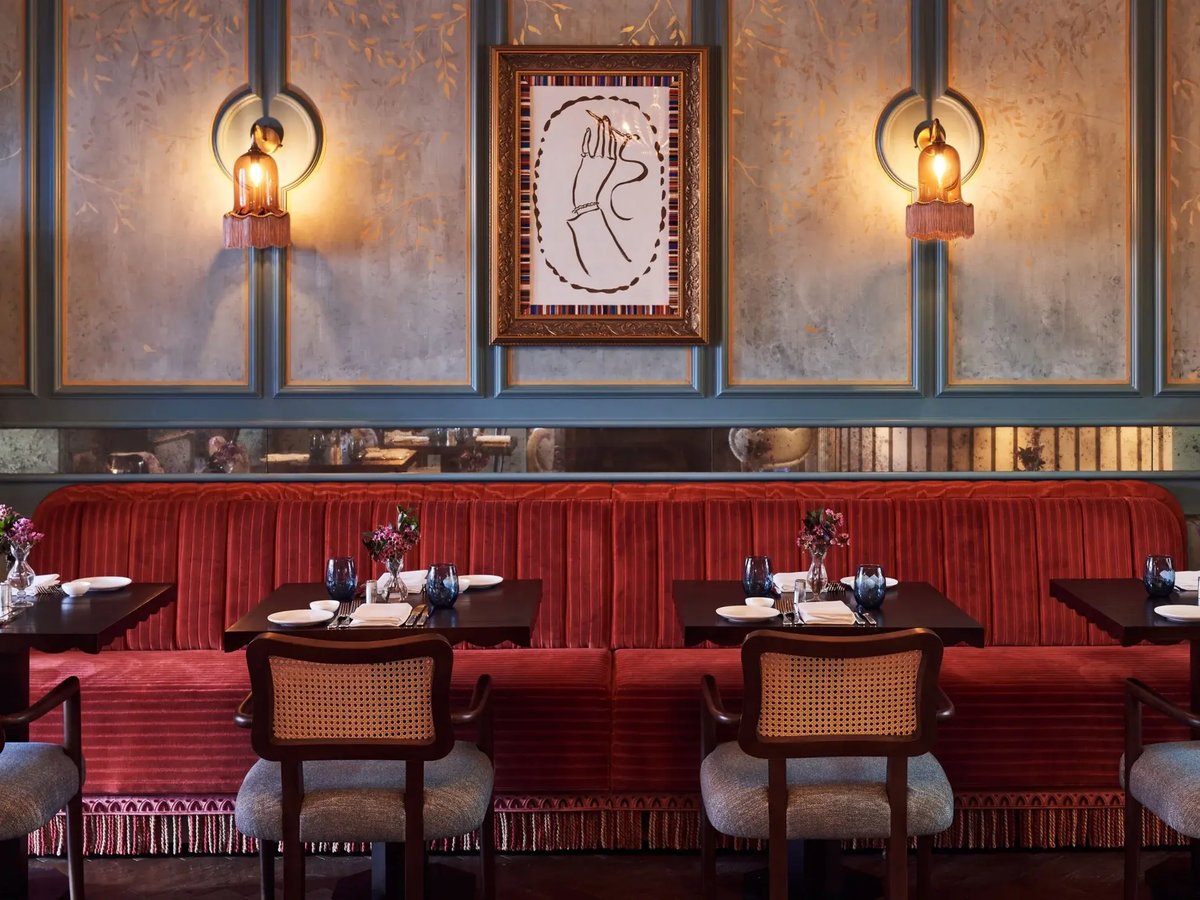
Restaurant design is far more than visual appeal. When executed well, it shapes guest perception, influences dwell time, supports pricing power, and communicates brand positioning within seconds of arrival.
Effective design can:
- Differentiate a restaurant in a crowded market
- Strengthen brand memorability
- Encourage repeat visits
- Support premium pricing
- Improve the overall guest experience
However, design becomes truly powerful only when it supports how the restaurant operates.
Good design alone does not address critical operational factors such as:
- Service speed and efficiency
- Labour costs and staff workflow
- Menu execution and kitchen capacity
- Guest comfort across varying dining durations
- Cleaning, maintenance, and long-term wear
- Scalability as the business grows
A visually striking space can still underperform if the layout conflicts with the realities of daily service.
The most successful restaurants approach design so it complements operational realties, integrating spatial planning with concept, kitchen strategy, staffing models, and revenue goals from the very beginning.
Consult Our Advisory Team To Accelerate Your Brand
Do all designers understand restaurant operations?
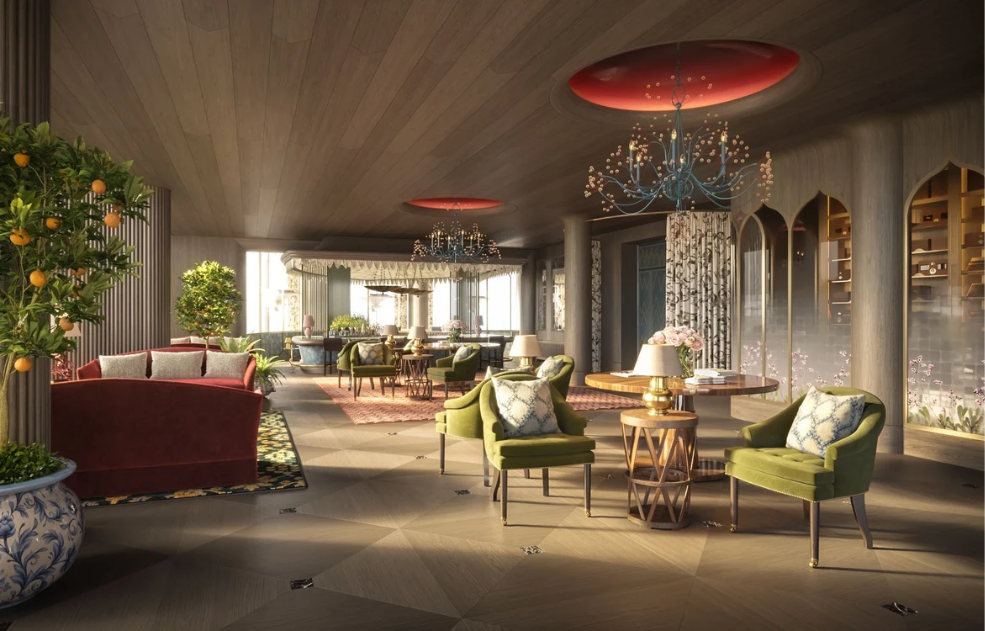
No. Designers without specialist F&B and hospitality experience may overlook:
- Peak-service circulation
- Health and safety regulations
- Equipment clearances and maintenance access
- Staffing patterns during busy periods
This disconnect between restaurant design and operations is a common contributor to restaurant failure.
How does restaurant layout affect profitability?
Restaurant layout has a direct impact on revenue and cost control by influencing:
- Number of usable seats
- Table turnover rate
- Distance staff must travel
- Bottlenecks during peak service
Even small layout inefficiencies can reduce daily revenue and increase labour costs over time.
Explore Operational Strategy For Your Projects
Why do restaurants perform well at opening but fail later?
Many design flaws only become apparent under real operating pressure. As volume increases, issues such as noise, congestion, heat, ventilation, storage shortages, and maintenance challenges intensify.
Designs that do not scale operationally often fail after the initial launch period.
Learn About Our Management Services
Is it possible for design and branding to derail success?
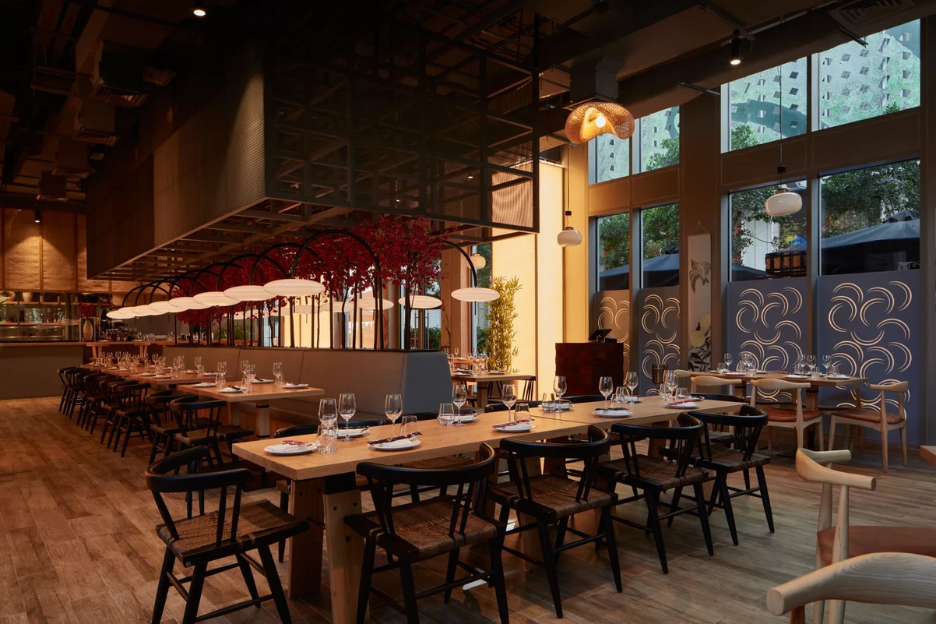
Yes. When branding and visual impact override usability, restaurants may experience:
- Uncomfortable seating
- Poor lighting for dining and service
- Difficult-to-clean or high-maintenance finishes
- Social-media-driven layouts that reduce efficiency
Effective restaurant interior design and branding should enhance guest comfort while supporting operational performance.
Align Your Brand Identity With Guest Expectations and Operational Realities.
Why is kitchen design critical to restaurant success?
The kitchen is the operational core of any restaurant. Poor commercial kitchen planning can result in:
- Slower service times
- Increased staff stress and turnover
- Inconsistent food quality
- Higher safety and compliance risks
Front-of-house design must be balanced with back-of-house efficiency.
How do acoustics impact restaurant performance?
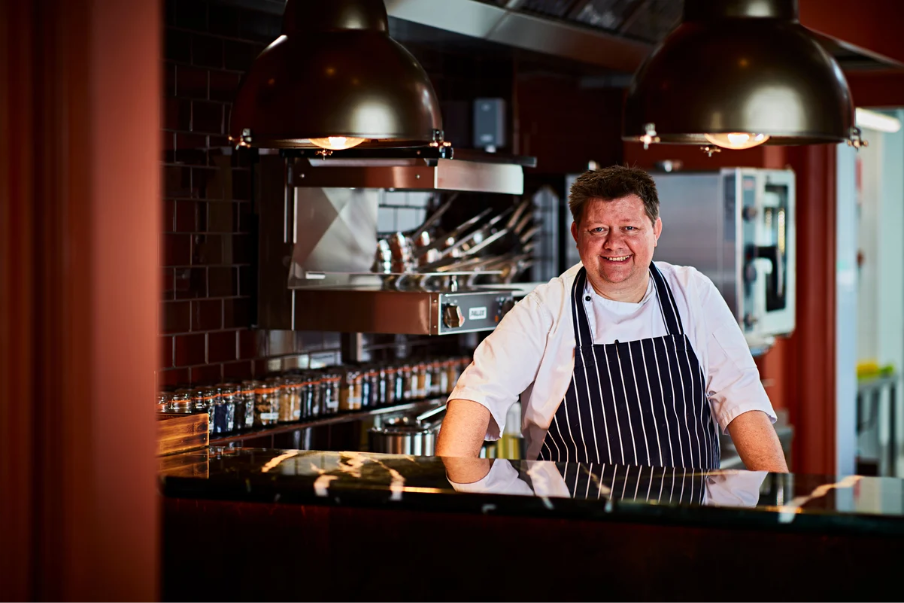
Poor acoustics negatively affect guest comfort and satisfaction. Excessive noise can:
- Shorten dining duration
- Reduce repeat visitation
- Generate negative reviews
Acoustic planning is a critical but often overlooked element of restaurant design.
How does restaurant design affect staff retention?
Design directly impacts staff wellbeing. Poor layouts increase fatigue, stress, and frustration through:
- Long walking distances
- Inadequate lighting
- Tight or unsafe working spaces
Staff-friendly design improves morale, retention, and service consistency.
Consult Our Design Specialists
Why is flexibility important in restaurant design?
Restaurant concepts must adapt to menu changes, delivery models, and evolving guest expectations.
Restaurant concepts must adapt to:
- Menu changes
- Delivery and takeaway models
- Evolving guest expectations
- New equipment or service styles
How can restaurants avoid design-related failure?
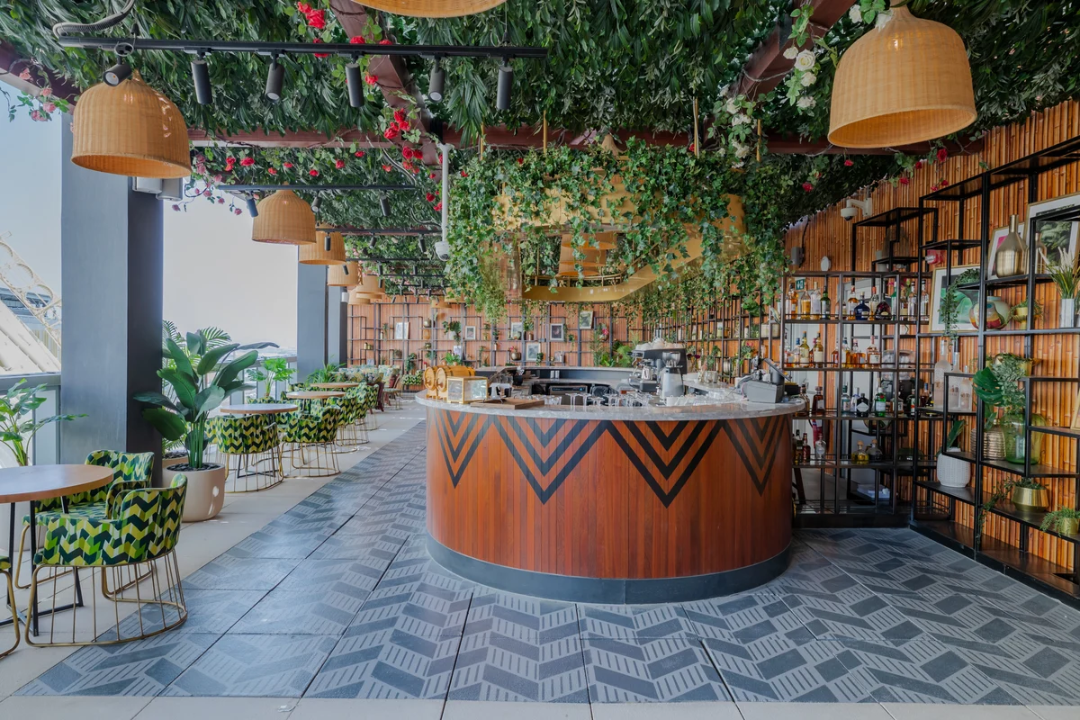
Restaurants significantly reduce project risk when design is approached as part of a broader operational strategy. The most successful venues align spatial design with how the business is intended to function from day one.
This requires integrating several core disciplines early in the project lifecycle.
- F&B concept development provides the strategic foundation, defining the target market, positioning, menu direction, and overall guest experience. Without this clarity, design decisions often prioritise visual impact over commercial relevance.
- Operational strategy ensures the space supports real service conditions, from staffing models and table turns to storage, cleaning, and peak-hour flow. When operations are considered late in the process, restaurants frequently inherit inefficiencies that are costly, or impossible to correct post-opening.
- Commercial kitchen planning is equally critical. Kitchen size, equipment configuration, adjacencies, and production capacity must align with the menu and projected volume. An undersized or poorly configured kitchen can quickly become a bottleneck that limits revenue and compromises consistency.
- Brand and spatial design should then translate the concept into a physical environment that is both compelling and practical, guiding guest movement, supporting staff efficiency, and reinforcing the restaurant’s identity.
Rather than treating these elements as separate workstreams, high-performing operators coordinate them from the earliest project stages. This integrated approach enables smarter decision-making, prevents expensive redesigns, and creates spaces that are as functional as they are memorable.
How does TGP International approach restaurant design and strategy?
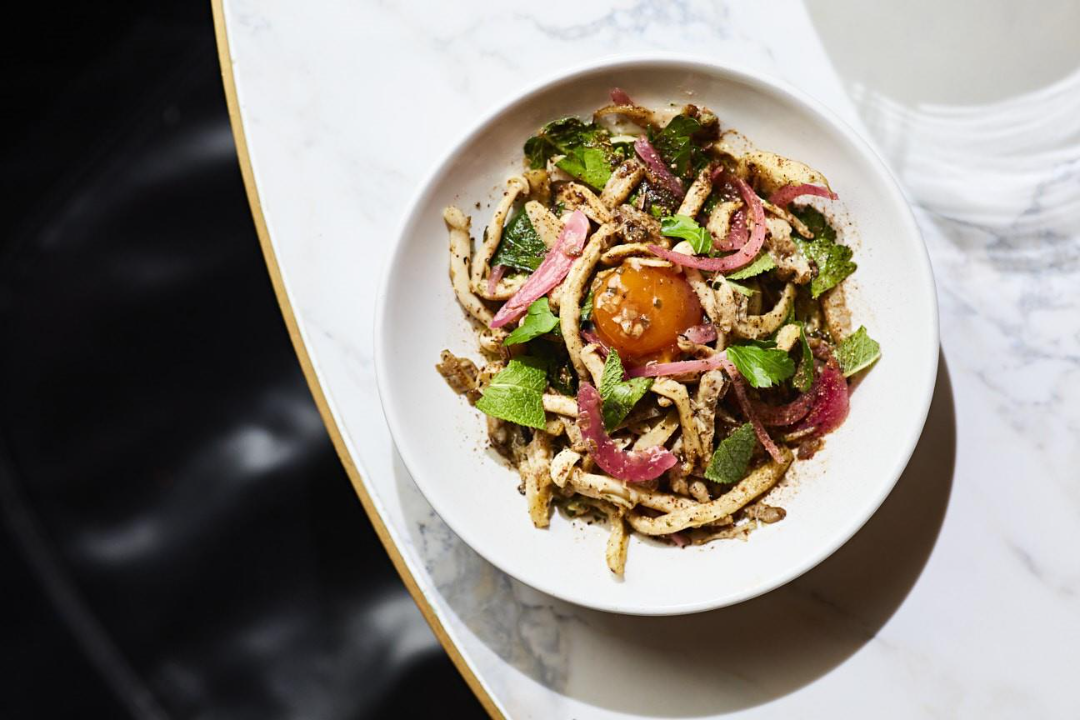
TGP International is a hospitality and F&B consultancy that aligns concept, operations, kitchen planning, and design into a single cohesive strategy.
At the centre of this approach is a clearly defined core concept, a strategic framework where vision, personality, operational thinking and commercial goals reinforce one another. Rather than viewing design and operations as separate workstreams, the concept acts as the connective tissue that guides every decision, from spatial flow and service style to menu architecture and brand expression.
Restaurants cannot rely on aesthetics alone. Guests expect experiences that feel thoughtful, cohesive and worth sharing, while operators need models that perform consistently and adapt to shifting market conditions.
A strong concept provides this clarity. It defines what the restaurant stands for, who it serves, and how it will deliver value, ensuring that creativity is always supported by operational logic.
When the vision is established early, it filters naturally into each discipline. Interior design reflects the personality of the brand rather than chasing trends. Kitchens are planned around the realities of the menu and service rhythm. Operational strategies support the intended guest journey, and branding communicates a story that feels authentic at every touchpoint.
This alignment is what transforms a restaurant from a well-designed space into a destination with emotional resonance somewhere guests recognise.
Rather than focusing solely on aesthetics, TGP International designs restaurants to perform operationally, scale sustainably, and remain commercially viable over time. By grounding every project in a robust concept, the team helps create environments where vision and execution move in lockstep, reducing risk and positioning the business for long-term success.
Start Building Your F&B Concept & Brand With TGP International Today
