-1.png?width=3330&height=698&name=TGP%20International%20Logo%20White%20(1)-1.png "TGP International logo")
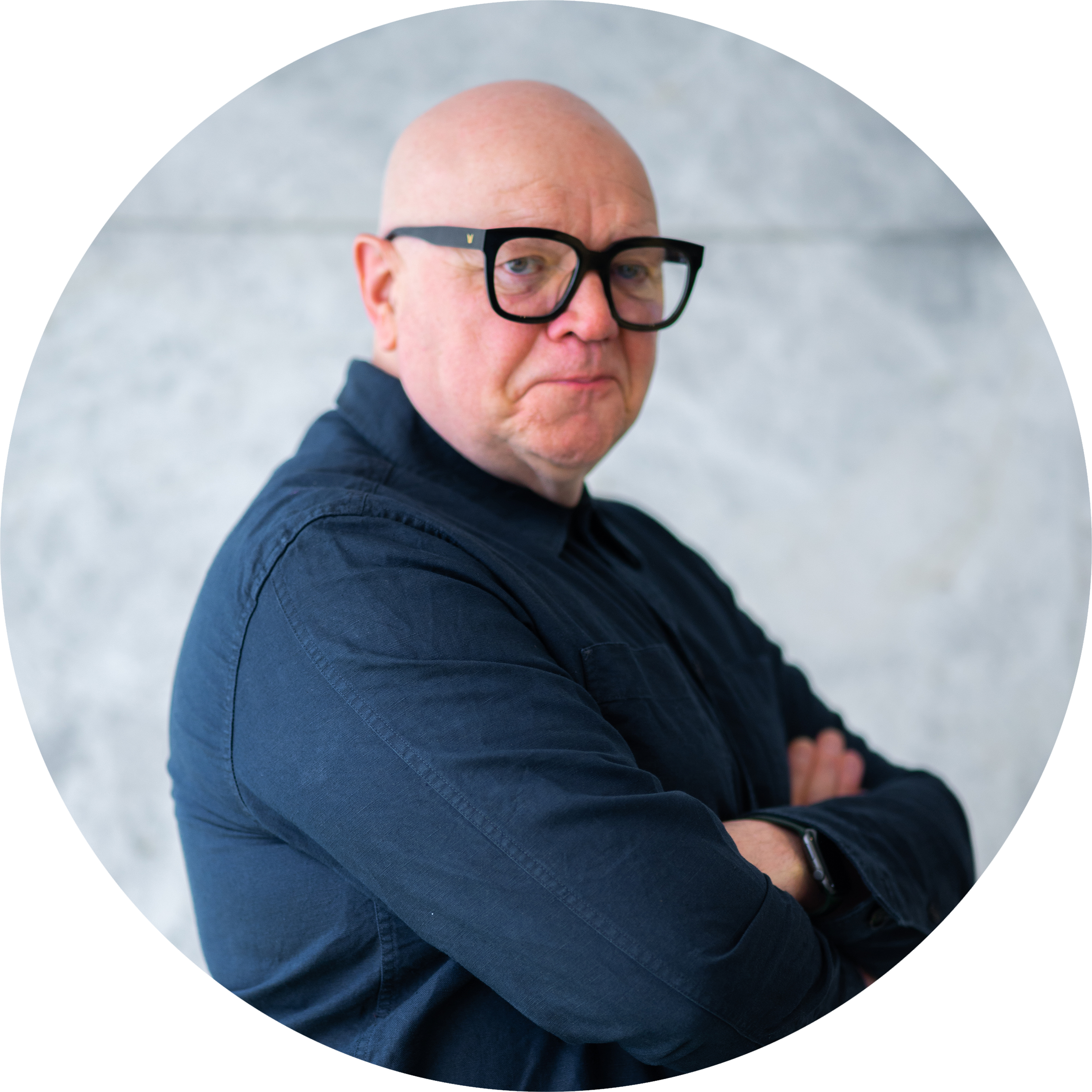
By Gabriel Murray, Creative Director at TGP International
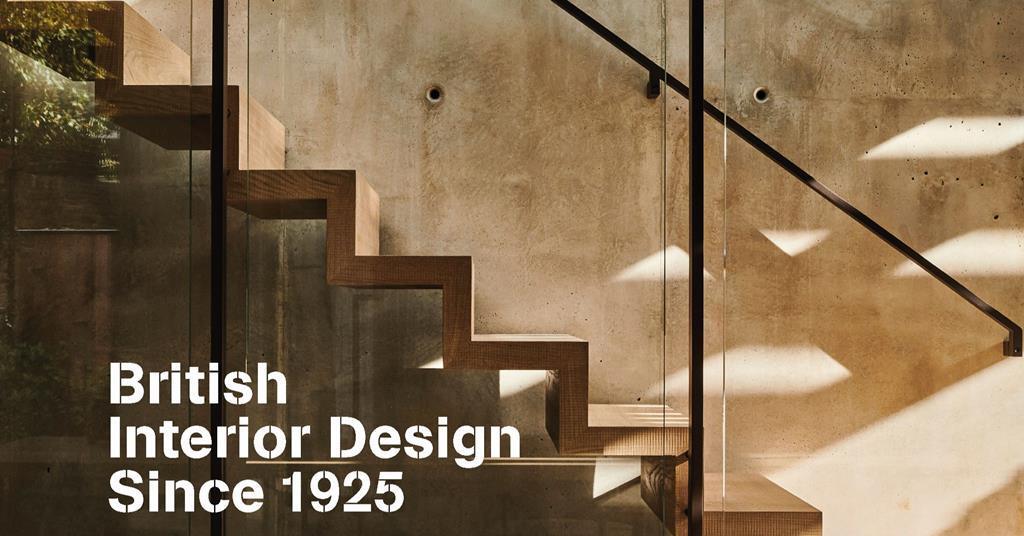
The book, written by Bruce Peter and Drew Plunkett traces a century of British interior design, its movements, personalities, cultural shifts and defining spaces. To find my own work and perspective included within that wider story feels deeply personal, particularly because my career has always been shaped by the changing relationship between people, culture and the spaces they inhabit.
I suppose I was relatively lucky to be in and around the explosion of commercial interior design during the 1980s, when hospitality and social spaces began to evolve into something far more experiential and emotionally driven. It was a moment when design stopped simply being about decoration or architecture and became something cultural.
Growing Up in a Modern City
I grew up in Belfast, a city that, in many ways, was profoundly modern. After the Second World War, much of the city had been rebuilt, and modernist buildings emerged everywhere. But while those buildings represented progress, many of them also felt strangely lifeless. Even as a student, I remember feeling frustrated by that. I wanted design to do more than simply exist. I wanted it to change how people felt.
That instinct eventually pulled me away from traditional architectural practice and toward commercial and hospitality design. Architecture often felt constrained by permanence and process, whereas hospitality offered something more immediate and human.
The Influence of Culture and Postmodernism
The 1980s were hugely influential on my creative outlook. Places like The Haçienda completely changed how people thought about interiors. They weren’t just venues; they were immersive social worlds built around music, fashion, identity and belonging.
Postmodernism, in particular, fascinated me because it challenged the rigid seriousness of modernism. It introduced contradiction, humour, symbolism and narrative back into design. More importantly, it embraced the idea that interiors could communicate emotionally and culturally with people.
Interestingly, many of the uncertainties that shaped the 1980s feel relevant again today. We are once more living through cultural and technological shifts that are changing how people connect, socialise and experience the world around them. And design, as always, reflects that uncertainty.
Explore Our Interior Design Services
Designing Social Environments
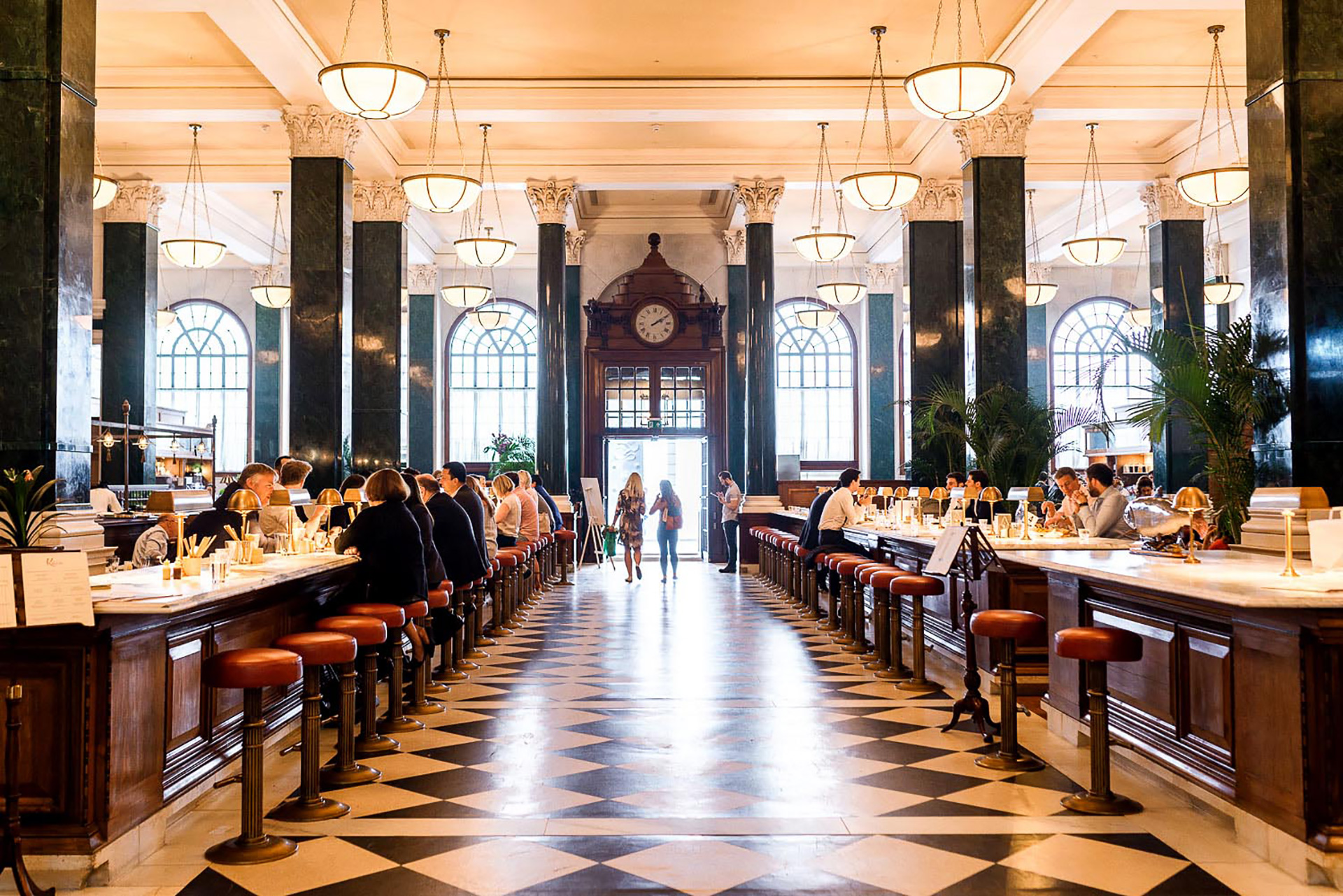
At TGP International, we often talk about designing “social environments” rather than simply interiors. We do not see ourselves purely as interior designers. We see ourselves as designers of experiences.
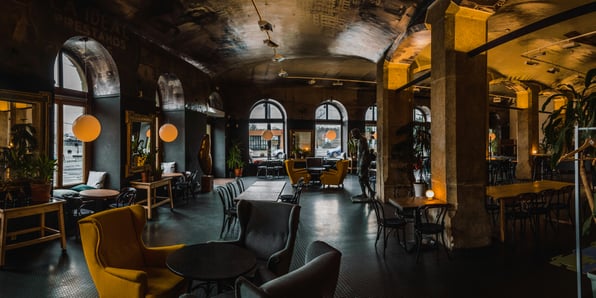
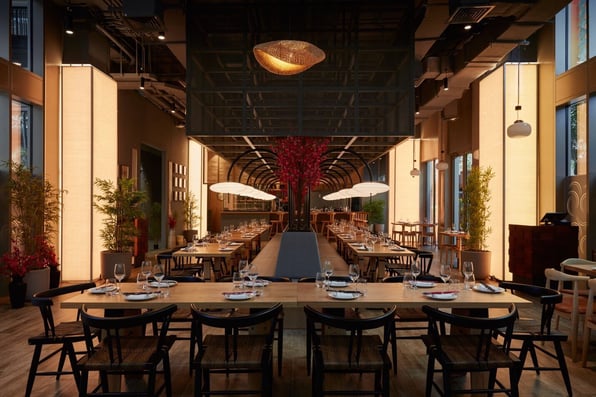
Every project begins with understanding people: how they move through a space, how they interact, what excites them, what keeps them engaged and what creates emotional connection. Whether we are designing a small café in Abu Dhabi, a food hall in Riyadh or large-scale event environments such as Expo spaces in Dubai, the principle remains the same, design must create experience.
The real challenge facing hospitality is no longer simply serving good food or providing good service. It is convincing people to leave their homes in the first place. Digital life has transformed the way we socialise and consume entertainment. If people are going to physically engage with a hospitality venue, the experience has to offer something memorable, immersive and emotionally rewarding.
Great hospitality design creates anticipation. It becomes shareable, memorable and culturally resonant. In many cases, the design of a venue shapes its identity just as strongly as the menu or service itself.
We often talk internally about creating “craveable” spaces, environments people actively want to experience and return to. The strongest interiors are not simply visually impressive; they are emotionally intense.
A Concept-Led Approach to Hospitality
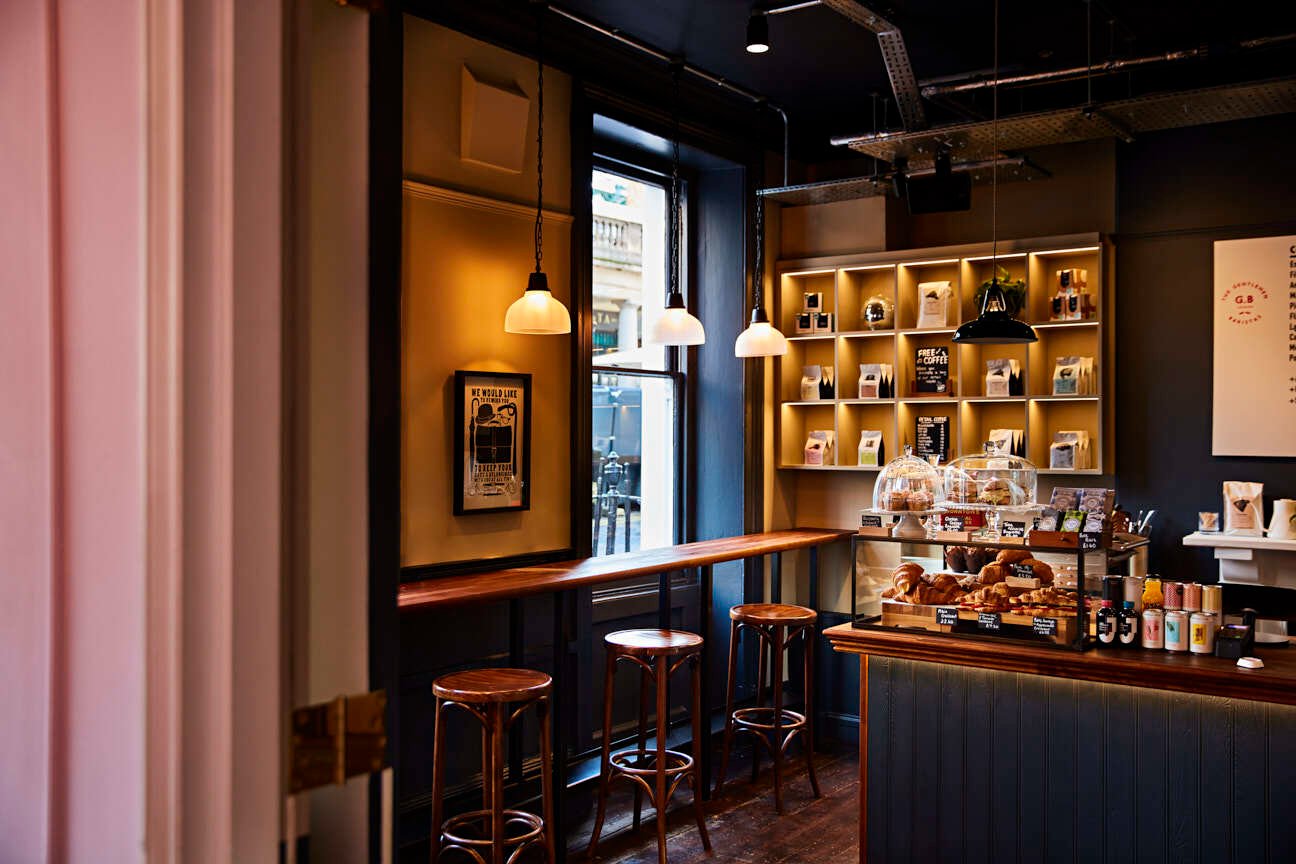
What makes TGP International different is our concept-led approach.
Many studios begin with aesthetics. We begin with narrative, customer behaviour and commercial strategy. We ask what the experience should feel like before we ask what it should look like.
Hospitality today sits at the intersection of design, branding, psychology and culture. Successful venues are no longer isolated spaces; they are social ecosystems. They need to communicate identity instantly while also delivering operational and business value. For us, concept-led design means every decision, from layout and lighting to materials and atmosphere, contributes to a larger experiential story.
It also means that creativity is never separate from commercial performance. The two should strengthen one another.
Learn More About Our Approach to Interior Design
Looking Ahead
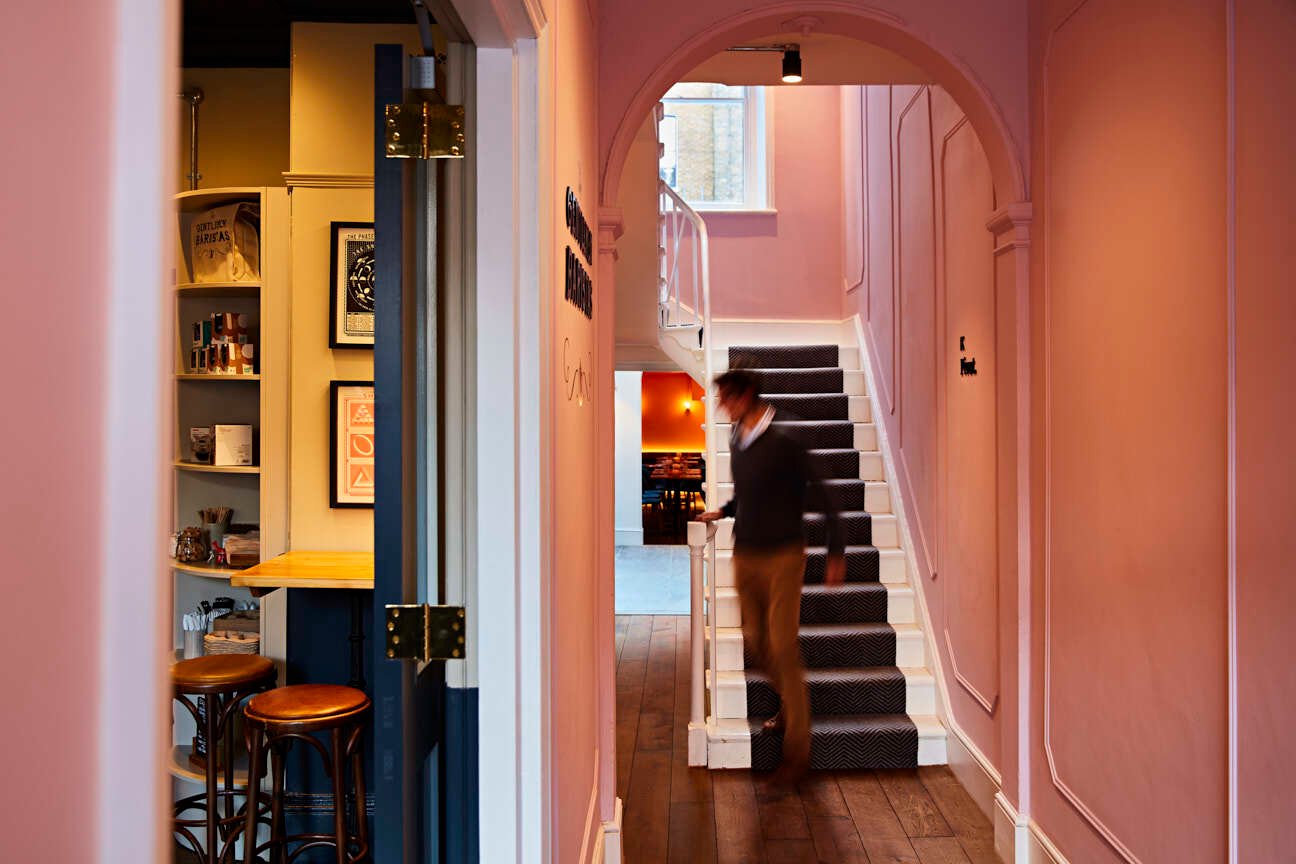
Earlier in my career, I was perhaps more focused on aesthetics and visual impact. Today, I care far more about emotional resonance and human response. The best spaces are not necessarily the most extravagant, they are the ones people remember, revisit and emotionally connect with.
What still excites me about design is its ability to continuously adapt to cultural change. Hospitality, in particular, remains one of the most dynamic creative industries because it is fundamentally about people and how they want to live, gather and experience the world.
If someone reads British Interior Design Since 1925 fifty years from now, I hope they see work that understood interiors not simply as spaces, but as experience, places capable of shaping culture, emotion and human connection.