-1.png?width=3330&height=698&name=TGP%20International%20Logo%20White%20(1)-1.png "TGP International logo")
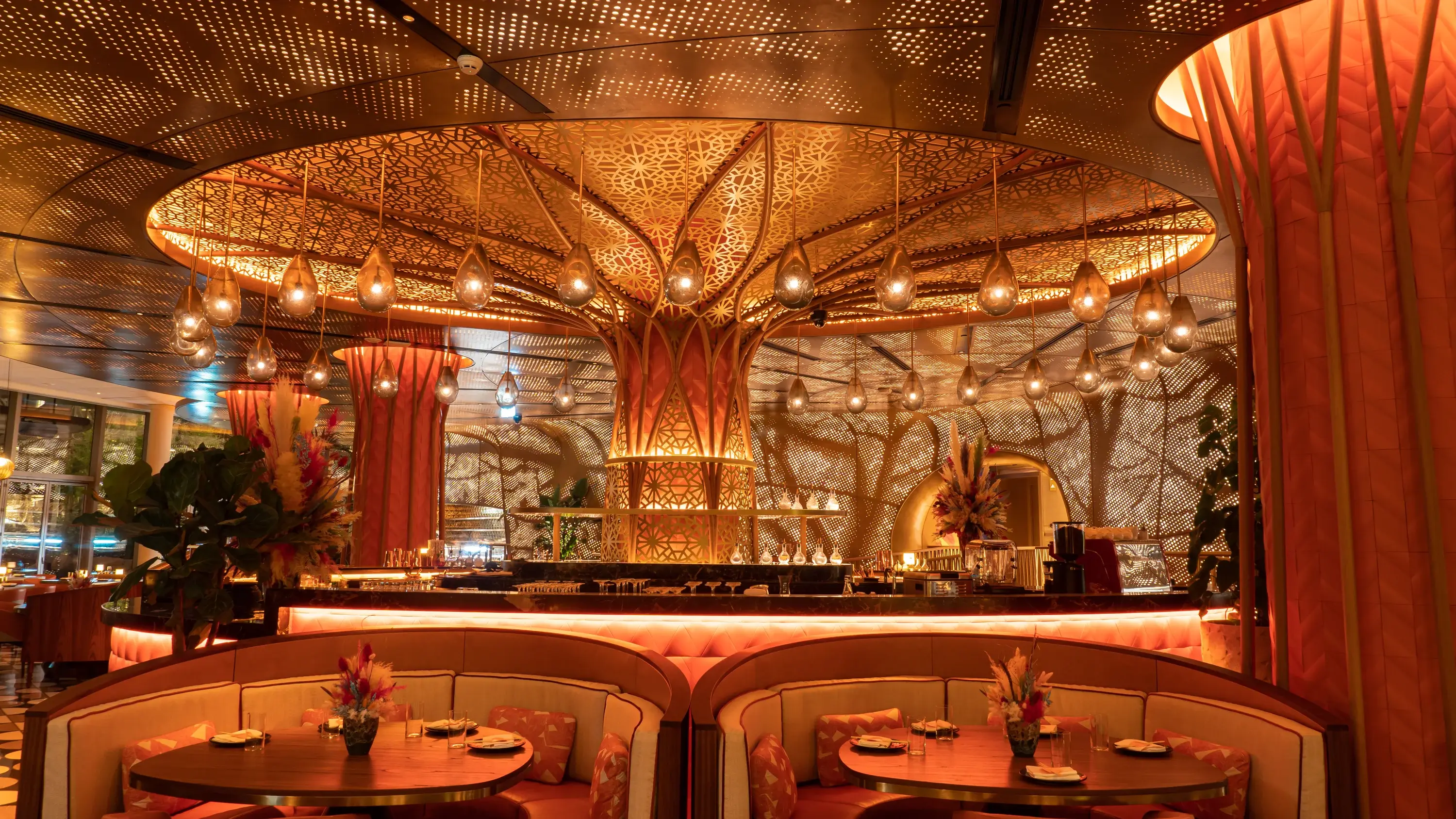
For decades, hotel food and beverage has been in an ambiguous position. Something essential but not prioritised. Many restaurants existed because they had to, rather than serving as captivating standalone destinations or commercial drivers in their own right.
All-day dining concepts with broad menus designed to please everyone and environments that prioritised efficiency over identity. In many cases, performance was sustained through a captive audience, limited local competition and predictable guest behaviour created a buffer that masked deeper issues around positioning, relevance and profitability.
But the world of hotel F&B has now changed and most operators are leaving money on the table due to unclear positioning, diluted concepts and under-optimised menus with empty dining and drinking seats, while more focused independent operators achieve 30-40% more in revenue per sqm.
Explore How TGP International Helps Reposition Hotel F&B Concepts
Form Captive Audience to Competitive Landscape
|
Past |
Hotel restaurants treated as a necessity rather than a strategic asset, relying on captive audiences and limited competition to sustain performance, typically featuring generic menus with broad menus and functional spaces that prioritised efficiency over identity.
|
|
Present |
Hotel F&B is now operating in a fully competitive landscape, where guests compare offerings directly with the best local dining options and expect relevance, quality and experience. Many operators underperform due to unclear positioning, complex menus and fragmented decision-making, despite strong footfall and opportunity.
|
|
Future |
F&B is increasingly being repositioned as a core driver of brand, revenue and guest experience, with concepts designed to attract both internal and external audiences. Success will depend on delivering clearly differentiated concepts, experience-led and operationally efficient offers that function as dynamic, integrated hospitality ecosystems.
|
Hotel restaurants are now fully exposed to the same pressures as the wider market. Guests arrive with pre-existing expectations shaped by the best restaurants, cafés and food experiences in the city. They are more informed, more selective and far less reliant on what the hotel provides.
The shift is not just about delivery platforms like Deliveroo, though these have accelerated the change. It is about a broader choice to guests. The hotel is no longer the default setting for dining. It is simply one option among many, and often not the most compelling.
This has exposed a number of structural challenges that have long existed within hotel F&B.
Many concepts lack clear positioning. Menus are often operationally complex but commercially inefficient, diluting margins. Decision-making is often fragmented across departments, slowing innovation and limiting accountability, with limited resource applied to marketing the restaurant’s F&B offerings.
In this context, it is not uncommon for hotels to underperform in F&B despite strong occupancy and footfall.
Transforming Hotel F&B
A more deliberate approach to hotel restaurants, bars and food programmes is emerging. Leading operators are repositioning F&B as a core part of the hotel’s commercial and brand strategy, rather than a secondary service. This shift is grounded in a clearer understanding of what F&B can deliver when structured correctly, from engaging both in-house and external audiences to generating standalone revenue, extending dwell time and shaping perception before, during and after a stay.
More importantly, it plays a disproportionate role in how hotels are experienced and remembered.
In response, operators and developers are rethinking the role of food and beverage within the guest journey. The hotel restaurant is no longer a secondary space. It is becoming a core expression of brand, positioning and identity.
As a result, we are seeing a move away from generic, internally focused dining towards concepts that are outward-facing, differentiated and competitive within their local market. Restaurants are being designed with clearer identities, defined audiences and sharper commercial models.
This is also reshaping how space is used. Ground floors are being reimagined as curated, multi-layered environments rather than single-outlet formats, with a mix of cafés, bakeries, destination restaurants and local partnerships designed to serve different audiences and occasions across the day.
Restaurants are now being used as strategic tools for marketing and perception. A strong F&B offering can influence how a hotel is perceived before a guest even checks in, driving external footfall, increasing dwell time and creating cultural relevance beyond the room key. It is no longer just about feeding guests, but about shaping how a hotel lives in the market.
This shift has brought design and storytelling to the forefront. Interior design, brand narrative and spatial experience are now inseparable from menu development and operational strategy. The most successful hotel restaurants feel distinct yet connected to the wider hotel vision, operating not as generic dining rooms but as layered hospitality experiences with their own identity and purpose.
Key Trends in Hotel F&B
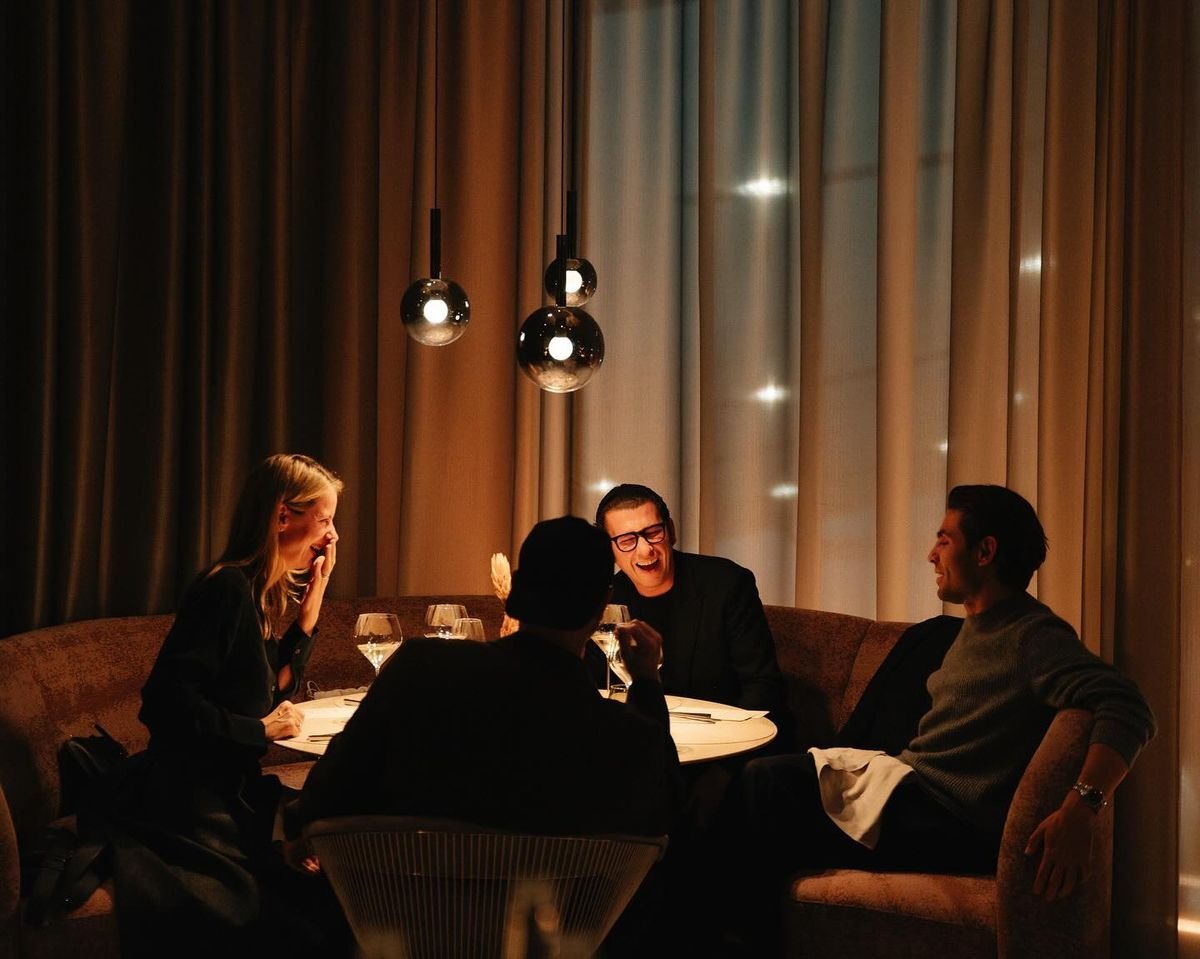
In parallel, a set of clear and interrelated trends is shaping how hotel F&B is evolving. These are not isolated ideas, but practical responses to shifting guest behaviour, operational pressure and the need for stronger commercial performance.
Moving From Fixed Dining to Flexible, All-day Use
One of the most visible changes is the move away from rigid meal periods. Guests no longer structure their day around traditional breakfast, lunch and dinner windows. Instead, they expect flexibility, whether that is a late brunch, an informal afternoon meeting or a quick, high-quality bite between activities.
Hotels are responding by designing spaces and menus that operate fluidly across the day. Cafés, lounges and bars are becoming multi-use environments, increasing dwell time and unlocking revenue from previously underutilised hours.
Simplifying Menus to Improve Performance
The industry is also moving away from large, volume-led menus towards more focused, quality-driven offers.
This is partly driven by cost pressure and labour constraints, but it also reflects a shift in guest preference. Diners are increasingly fatigued by excessive choice and are gravitating towards curated menus with clear identity and well-executed dishes.
For operators, this shift has tangible benefits. Simpler menus improve consistency, reduce waste and strengthen margins, while also making it easier to communicate a clear brand proposition.
Designing For Social, Experience-led Dining
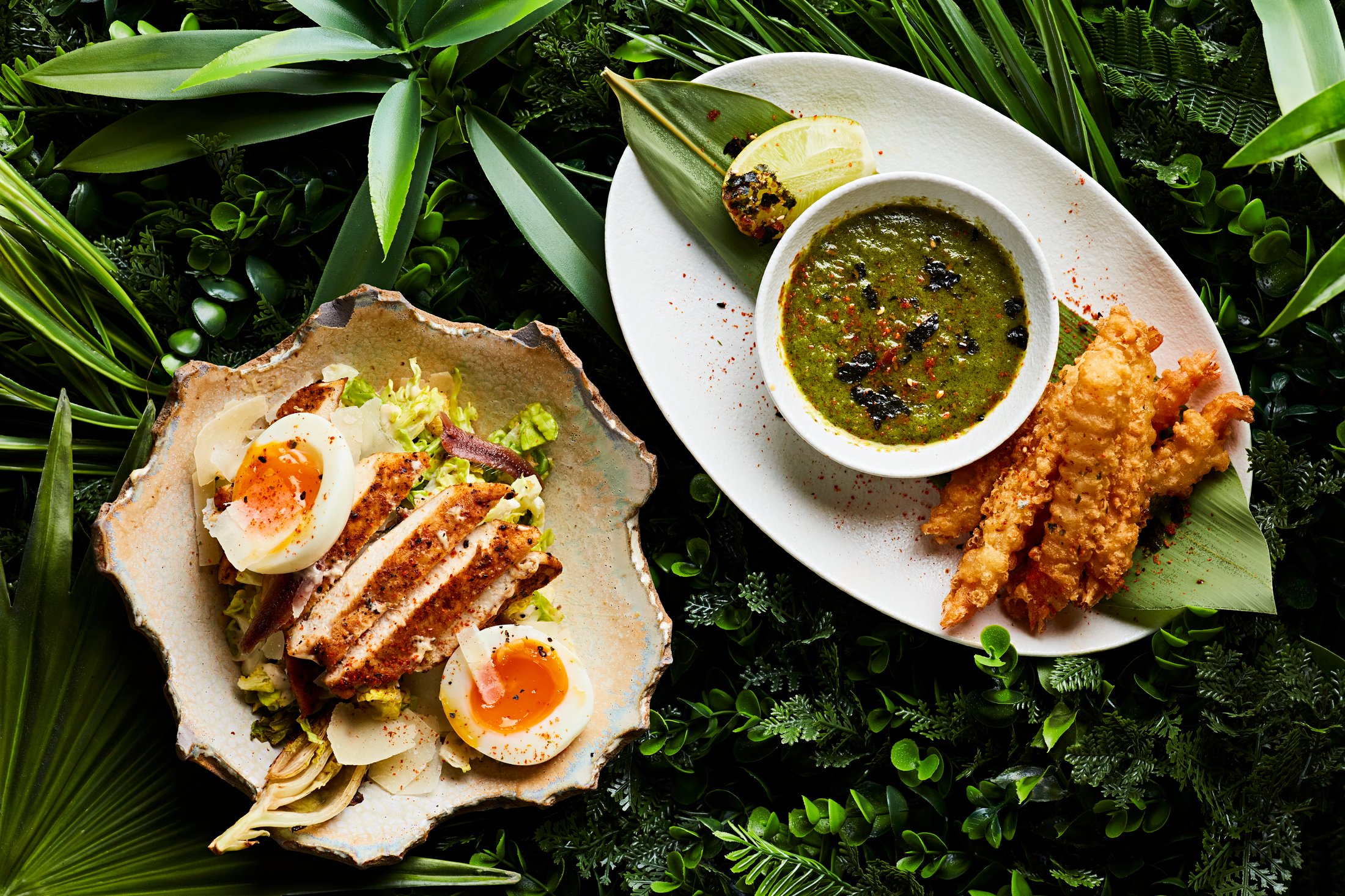
Dining is becoming more social. From brunch culture to sharing plates and communal tables, guests are placing greater value on atmosphere, interaction and experience. This is particularly important in attracting non-resident audiences, who are essential to driving consistent F&B performance.
For hotels, this means moving beyond formal dining models towards more relaxed, engaging formats that encourage longer stays and higher spend per visit.
Embedding Wellness into the Core Offer
Wellbeing is no longer a niche or standalone concept. It is becoming an integrated part of how menus and experiences are designed.
This includes lighter, more balanced dishes, plant-forward options and greater transparency around ingredients. It also reflects broader lifestyle shifts, where guests are seeking food that aligns with how they want to feel, not just how it tastes.
For hotels, this is as much about perception as it is about product. A considered approach to wellness signals quality, care and relevance to modern guest expectations.
Explore Our Wellness Hospitaility Consulting Services
Elevating Everyday Drivers such as Coffee and Casual Dining

Not all revenue comes from destination dining. Increasingly, it is the everyday touchpoints that shape perception and frequency of use.
Quality coffee, for example, has become a baseline expectation rather than a premium add-on. A well-executed café offer can activate a hotel throughout the day, attracting both guests and locals while serving as a low-barrier entry point into the wider F&B experience.
These formats play a critical role in building habit, not just occasion-based visits.
Strengthening Local Connection and Authenticity
Localisation is moving beyond surface-level references to something more embedded and operationally meaningful.
Partnerships with local producers, hero suppliers and brands are becoming a key way to bring authenticity and differentiation into hotel F&B. This not only enhances storytelling but also allows operators to remain flexible and responsive without building everything in-house.
Guests are increasingly drawn to experiences that feel connected to place, rather than standardised across markets.
Creating Dynamic, Evolving Experiences
Pop-ups, seasonal activations and guest collaborations are being used to keep the offer fresh and encourage repeat visitation. These formats also allow hotels to test new ideas with lower risk, while activating underutilised spaces across the property such as the ground floor and lobbies.
The Future of Hotel F&B
The direction of travel is clear. Hotel F&B is moving towards a more open, competitive and experience-led model, shaped by flexibility, clarity and relevance. The fundamentals are not new, but the expectation to execute them consistently and at a high level has increased significantly.
For operators, the opportunity lies in recognising that F&B is no longer a supporting function and that venues should be run more like independents. It is a strategic asset that influences revenue, perception and long-term value.
