-1.png?width=3330&height=698&name=TGP%20International%20Logo%20White%20(1)-1.png "TGP International logo")
Across F&B and hospitality, we are seeing experience play a growing role in how value is perceived.
Guests are increasingly drawn to places that feel intentional and memorable, and many are willing to spend more when the overall experience feels worth it with 69 percent of consumers globally saying they would pay a premium for high-quality experiences, according to JLL’s Global Consumer Experience Survey,
At the same time, ideas around luxury are shifting away from traditional indulgence. Many are gravitating toward calm spaces, thoughtful service and design that feels purposeful. Travel trends also point to a steady preference for distinctive, design-led environments over more typical forms of opulence.
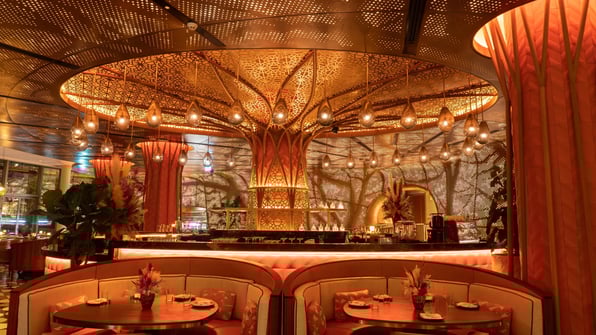
Within this context, a broader movement toward experience as differentiator is becoming more visible. Many concepts are exploring quieter, more confident expressions of luxury, whether through refined interiors, more focused menus or clearer guest journeys that help the entire experience feel cohesive and considered.
Read Our F&B & Hospitality Trends Report for 2026
KEY TAKEAWAYS
- 69 percent of consumers globally say they are willing to pay a premium for high-quality experiences
- More than half of consumers (53 percent) say that sharing personal information is worthwhile when it leads to more tailored and meaningful experiences.
- 41 percent Visitors to competitive socialising venues go at least once a month.
- 59 percent US consumers prefer spending on luxury experiences over products (68 percent for ages 18–34).
INVISIBLE CHOREOGRAPHY
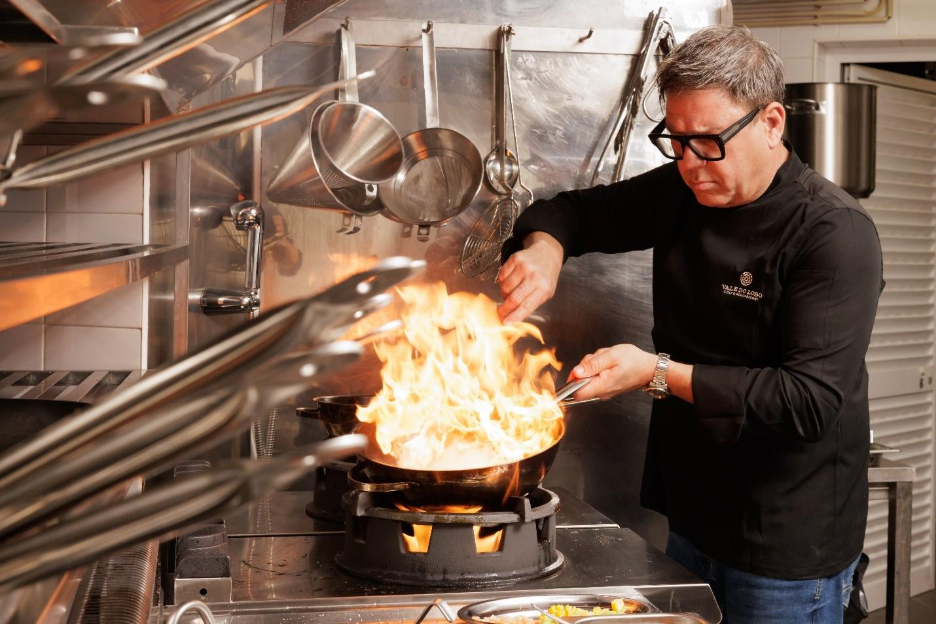
In many new and evolving concepts, refined guest experiences often come from a kind of invisible choreography.
These spaces are not shaped by aesthetics alone. Material choices, lighting strategies, zoning decisions, and even the curation of tableware work together to set the emotional tone of the space.
Added to this is the important role of staff training, which ensures that service gestures feel natural and consistent. When these components align, the result is an environment that feels polished and subtly immersive, with guests sensing harmony without ever seeing the mechanisms behind it.
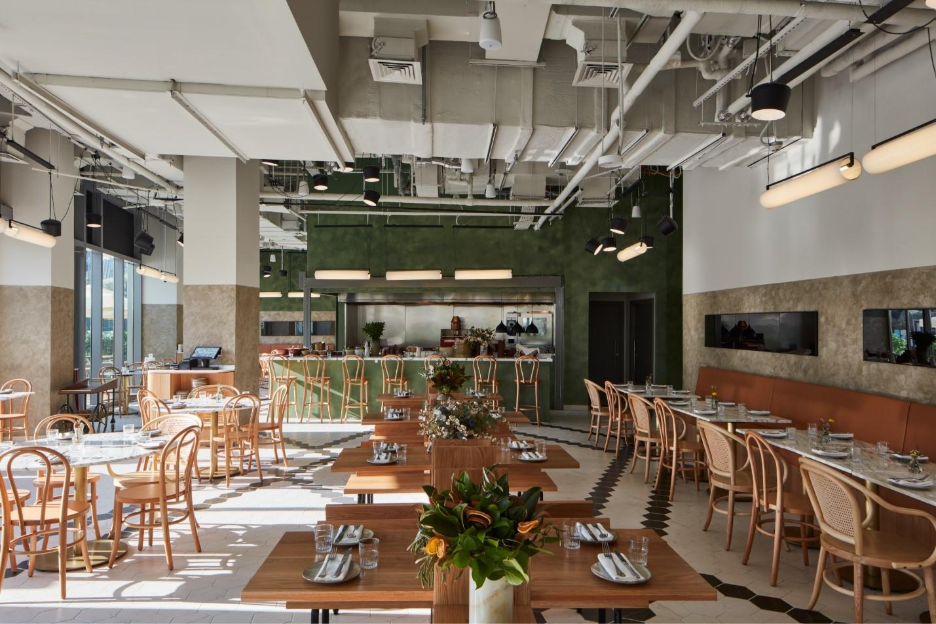
Although the guest may experience the environment as calm and effortless, the operational systems supporting it may be anything but simple. True refinement relies on precise coordination and cross-training ensures staff can flex across roles, while structured communication channels maintain rapid information flow.
Real-time adjustments, whether related to pacing, service needs or guest preferences, help sustain consistency throughout the experience. This level of discipline is what allows venues to appear fluid and intuitive, masking the complexity and planning required to maintain a steady, high-performing front-of-house atmosphere.
DESIGNING ATMOSPHERE AT SCALE
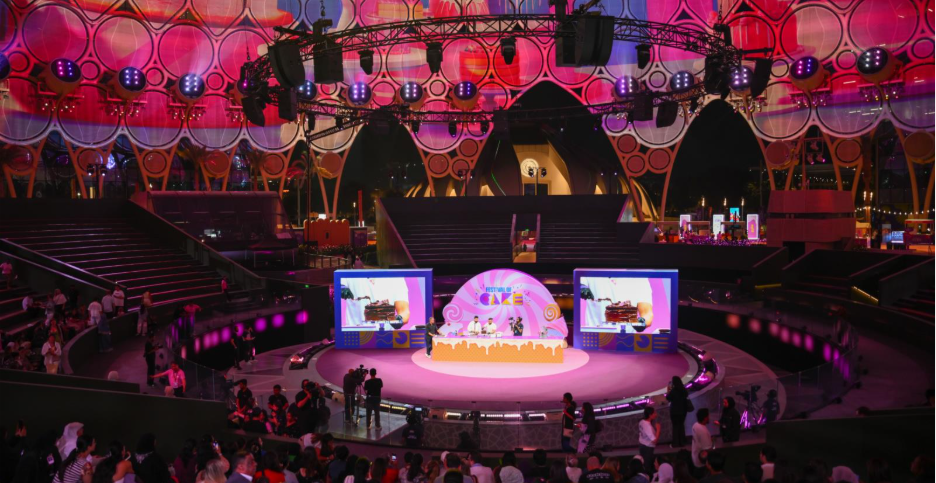
We are also seeing this approach surface at a much larger scale, particularly in destination and district planning.
Expo City Dubai offers a useful example. The open-air space beneath the Al Wasl Plaza Dome shifts naturally between very different atmospheres, from lively, high-profile moments such as the Festival of Cake to quieter, more reflective periods throughout the day.
These transitions suggest how rhythm and spatial awareness can shape the character of a place. By carefully considering movement, pacing and flow, large public environments can begin to feel curated and intentional in ways that echo more intimate hospitality settings, while still remaining open and adaptable to multiple audiences.
WEAVING NARRATIVE INTO THE EXPERIENCE
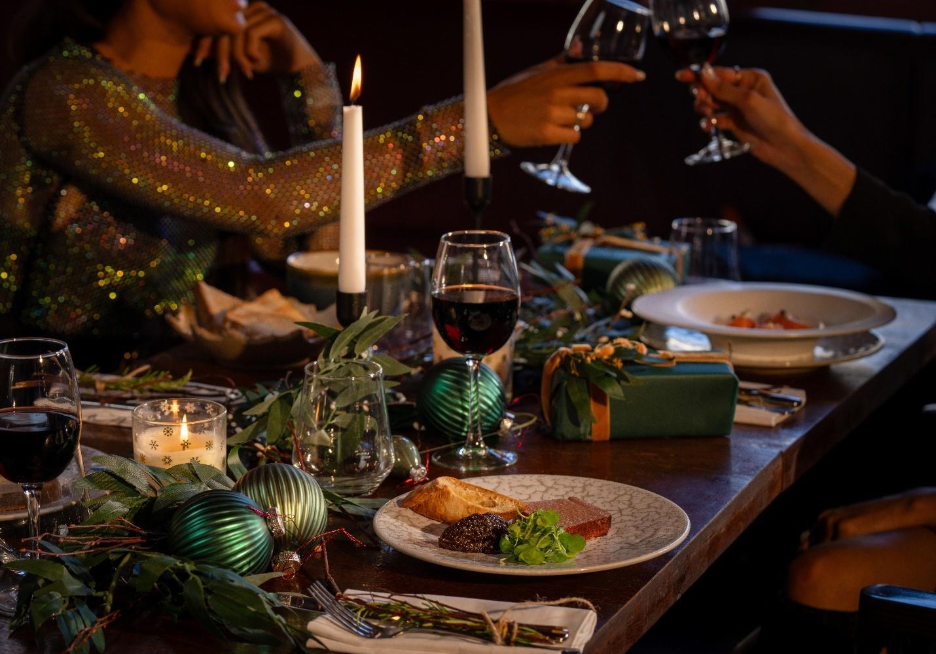
These touchpoints deepen emotional resonance, making the experience feel purposeful. Restaurants, hotels, cafés and event spaces are now leaning into multisensory storytelling, where rhythm, sound, visual cues and human interaction all work together, to create environments that feel both distinctive and deeply personal.
TECHNOLOGY AS AN ENHANCER
Technology plays a growing role in supporting these elevated experiences, not by replacing human interaction but by strengthening it. For instance, integrated CRM platforms and guest-data systems help teams anticipate needs, personalise moments and maintain continuity across multiple visits.
This level of customisation is increasingly welcomed, with 53% of consumers saying that sharing personal data is worthwhile when it results in more tailored experiences, according to PwC. Used thoughtfully, technology becomes a quiet enabler, ensuring the experience feels remembered rather than generic.
RISE OF COMPETITIVE SOCIALISING
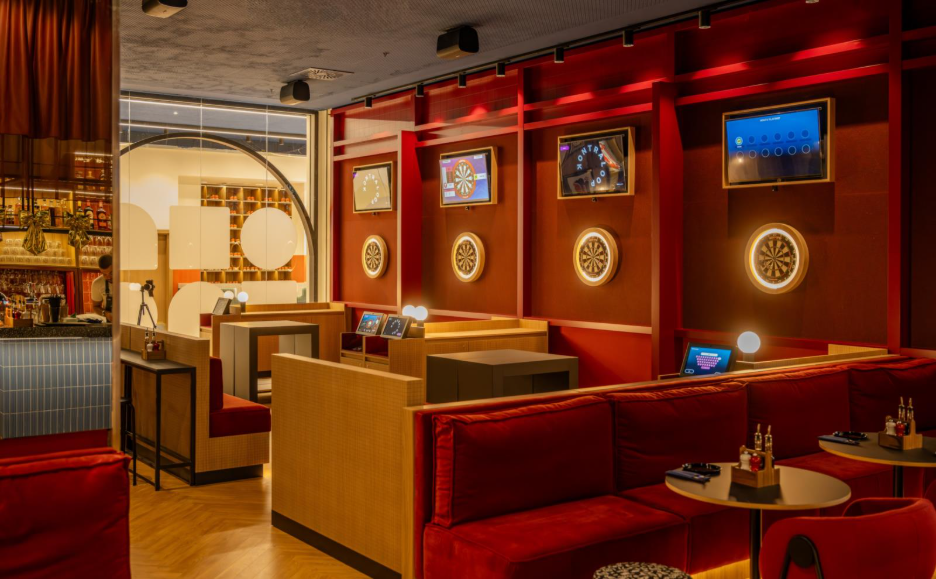
The competitive-socialising sector is expanding rapidly, driven by guests seeking deeper levels of connection and immersive experiences.
Monthly visitation has climbed to 41%, reflecting a growing appetite for hybrid concepts that blend F&B with play, according to data from KAM Insight & On Trade Consultancy.
Operators are also using nostalgia, through familiar games, retro aesthetics or playful themes, to tap into emotional memory and strengthen engagement.
This combination of social energy and experiential storytelling is reshaping expectations for leisure environments.
Explore Our Food Hall & Competitive Socialising Projects
KEY SUB TRENDs
| MOOD-RESPONSIVE HOSPITALITY |
Ambience, service and menus that adapt fluidly to mood or moment. |
| ADRENALINE DINING |
Consumers embrace intense, high sensory dining and controlled risk as forms of excitement and release. |
| EPHEMERAL LUXURY FORMATS |
Limited-time experiences, popups and one-off moments that create value through rarity and impermanence. |
| EXTREME EDIBLES |
Bold flavour pairings, textures and aromas that create playful, high-impact experiences. |
| INTIMATE ROOMS |
Small, private spaces designed for comfort and connection, offering guests a sense of privacy and exclusivity within larger venues. |
| WELLNESS NIGHTLIFE |
Nightlife shifts toward healthier, more relaxed formats with lighter food, alcohol-free drinks and calmer environments focused on wellbeing. |
| HYPER-LOCAL LUXURY |
Luxury rooted in place, local materials, makers and stories to create experiences that feel exclusive through authenticity. |
| EXPERIENCE-LED OPERATIONS |
Operational metrics shift from output to experience quality — dwell time, guest mood, memory. |
| GASTRO TOURISM |
Travel driven by food experiences—where local cuisine, producers and dining culture become the primary reason to visit a destination. |
| EXPERIENCE ECONOMY |
Guests prioritise memorable, emotionally resonant moments over physical possessions or transactions. |
| INVISIBLE SERVICE
|
High-touch service delivered through quiet precision — fewer visible staff, greater training depth, and seamless backstage coordination. |
| STORYTELLING MENUS |
Multi-course experiences built around a cohesive narrative, where each dish advances a story through flavour, presentation and atmosphere. |
| INTERACTIVE F&B |
Experiences invite active participation, connecting cuisine to memory, art, and performance. |
“The most sophisticated expressions of luxury are increasingly quiet and understated. Today, refinement is communicated through cohesion, when concept, design, service and narrative align seamlessly to create a sense of deliberate intention.”
Gabriel Murray, Creative Director at TGP International
Read Our Blog for More F&B Trends & Insights
INDUSTRY INSPIRATION – FESTIVAL OF CAKE
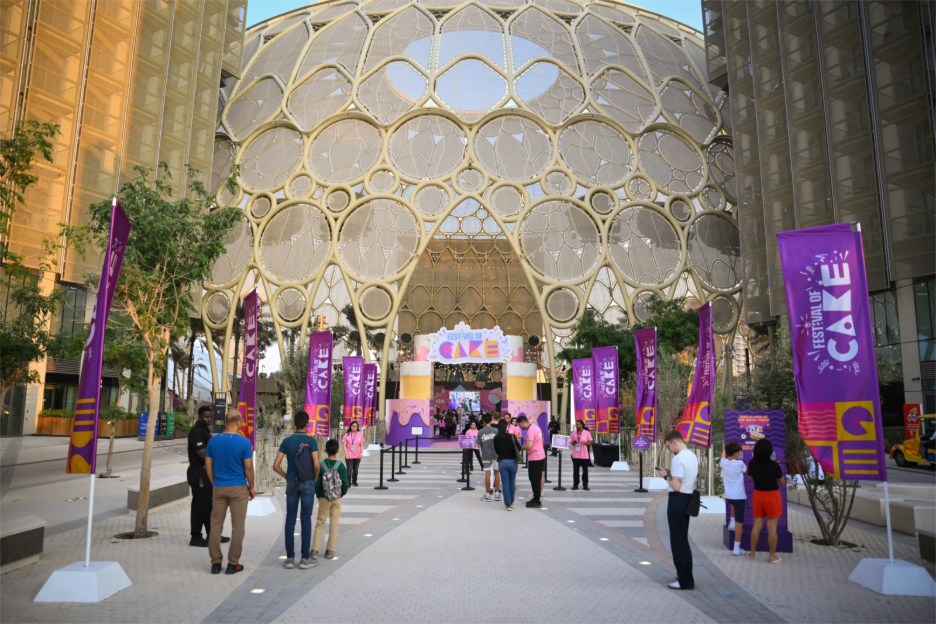
We are seeing a new wave of curated, high-emotion food events emerge with new formats centered on delight and sensory immersion.
The Festival of Cake at Expo City Dubai represents this shift at scale. From theatrical staging and interactive elements to the visual spectacle of beautifully crafted cakes the major activation transformed Al Wasl Plaza into a 110,000 sqft playground of cakes, coffee, creativity and live entertainment, featuring 100-plus shows, 25 chefs, 30 dessert brands and the UAE’s first official CAKE PICNIC.
“We are thrilled to have launched our very own Festival of Cake in partnership with TGP International. This event is more than a celebration of dessert, it is a tribute to artistry, precision, and beauty. From the careful selection of ingredients to the intricate designs that transform cakes into edible masterpieces, it offers a feast for both the eyes and the palate.”
Amna Abulhoul, Executive Creative Director of Entertainment and Experiences at Expo City Dubai Industry Inspiration
Learn More About Festival of Cake
SUMMARY
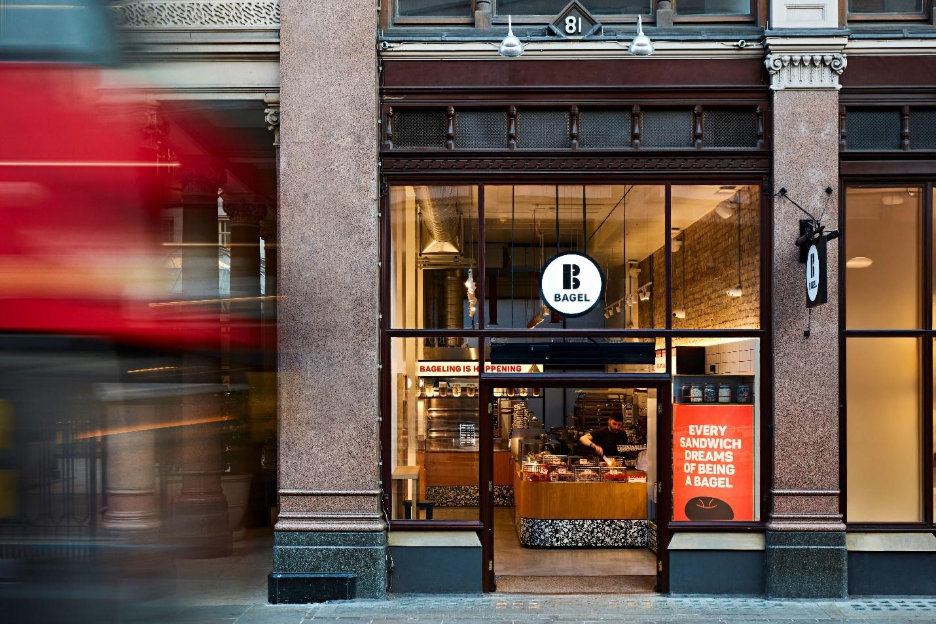
Across hospitality, whether restaurants, coffee shops, food halls, hotels or mega events, experiences now carry more value than any single product or offering.
Guests are seeking meaning and moments that feel considered from start to finish. Whether through invisible service or the rise of new formats like hyper-local luxury or storytelling menus, the industry is responding to a request for deeper emotional connection.
The opportunity for operators lies in creating environments that feel intentional, places where strategy, design and service work together to craft experiences people want to return to.
For The Full Spectrum of Emerging Trends, Explore The Complete F&B Hospitality Trends Report