-1.png?width=3330&height=698&name=TGP%20International%20Logo%20White%20(1)-1.png "TGP International logo")
Opening a hospitality venue is the point at which every earlier decision gets tested. Concept, design, layout, equipment and contract terms all arrive at the same moment, in front of paying guests, with a team that has never worked together before.
TGP International has delivered more than 700 F&B and hospitality projects since 2002, from offices in London, Dubai, Riyadh and Cairo, ranging from single cafes to multi-operator food halls. Below are the questions owners, developers and operators actually ask us, answered directly.
Stage one - understanding the service
What does pre-opening support involve?
Pre-opening support is the work of turning a built space into a trading business. At TGP it runs as 36 defined workstreams, each with named checkpoints, an owner, and a gate that has to be cleared before the next stage starts.
Those workstreams group into seven areas: commercial and legal readiness; design, layout and back-of-house services; menu and supply chain; equipment, OS&E and small goods; brand, marketing and launch; compliance, HACCP and licensing; and staffing, recruitment and training. On food halls and multi-operator destinations, brand curation and tenant onboarding run as two further dedicated workstreams.
It runs as a gated programme rather than a checklist for a specific reason. Pre-opening rarely fails because nobody knew what to do. It fails because three things go late at the same time and nobody was tracking the dependency between them.
When should we bring you in, and how long does it take?
.jpg?width=2200&height=1685&name=Kontraloop%20-%20PR_35%20(1).jpg)
Two different questions with different answers.
Advisory should start at concept or design stage. Layout, back-of-house flow, kitchen sizing, service model and equipment selection are cheap to change on a drawing and expensive to change once built, and pre-opening is where those decisions come due.
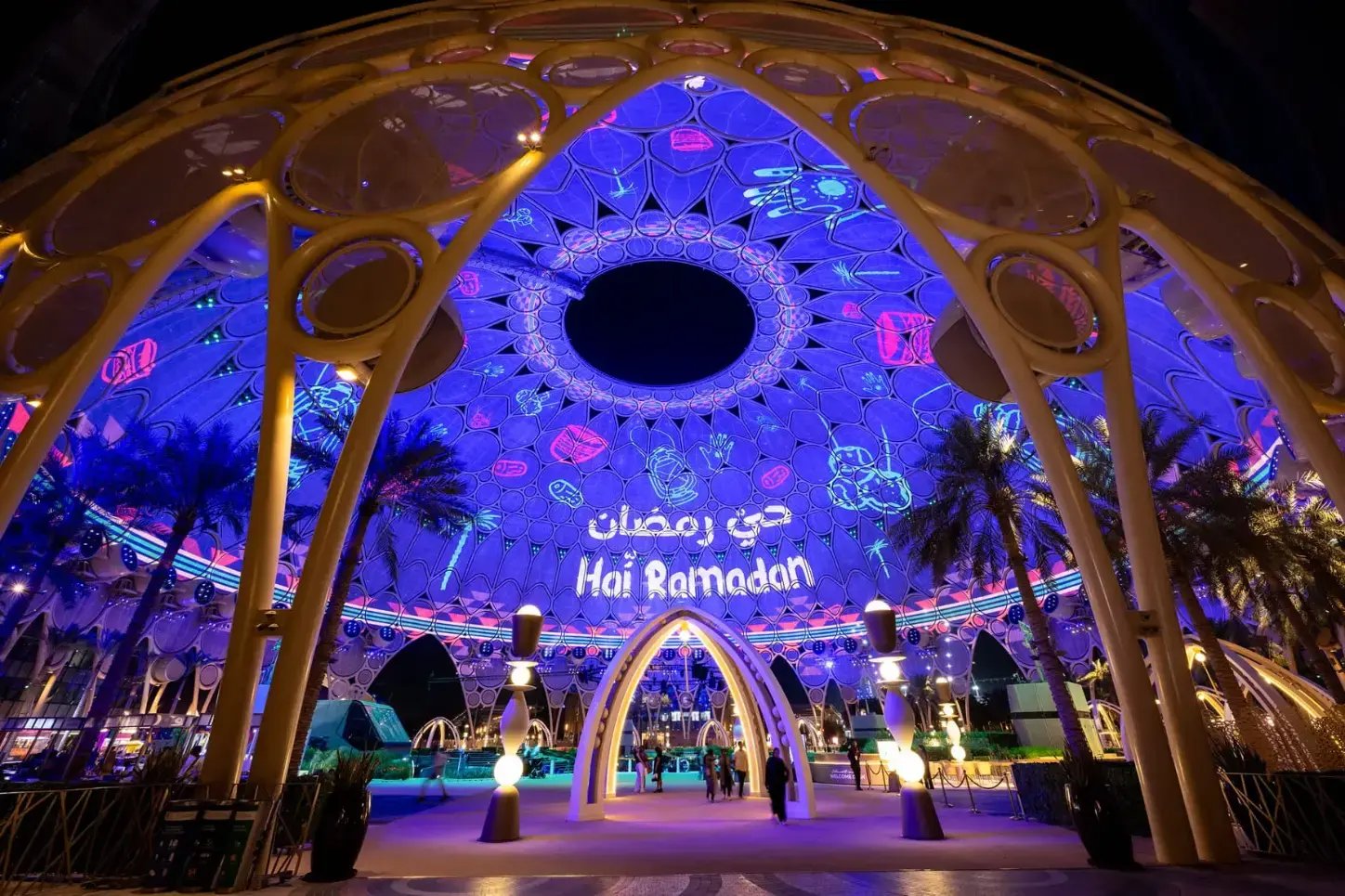
The pre-opening programme itself runs 3 to 6 months, depending on scale. That is the intensive mobilisation window: recruitment, training, systems, licensing, supply chain and soft opening. On Msheireb Downtown Doha our taskforce deploys across three months ahead of a September 2026 opening, but the engagement began well before that. Treat 3 to 6 months as the mobilisation phase, not the length of the relationship.
Why does pre-opening matter more than it looks?
Because the cost of getting it wrong lands in the first trading quarter, which is the most expensive place to fix anything.
A venue that opens with an under-trained team, unresolved supply lines or licences still pending does not simply have a slow start. It burns its launch window, the one period when local interest is guaranteed and free, then spends the following year buying back a reputation it could have had for nothing. Recruitment gets harder once a team has lived through a bad opening. Suppliers price accordingly.
Pre-opening is the last point at which problems are still cheap.
Stage two - is this for us?
Which markets do you work in?
Globally, from offices in London, Dubai, Riyadh and Cairo, with more than 700 F&B and hospitality projects delivered since 2002.
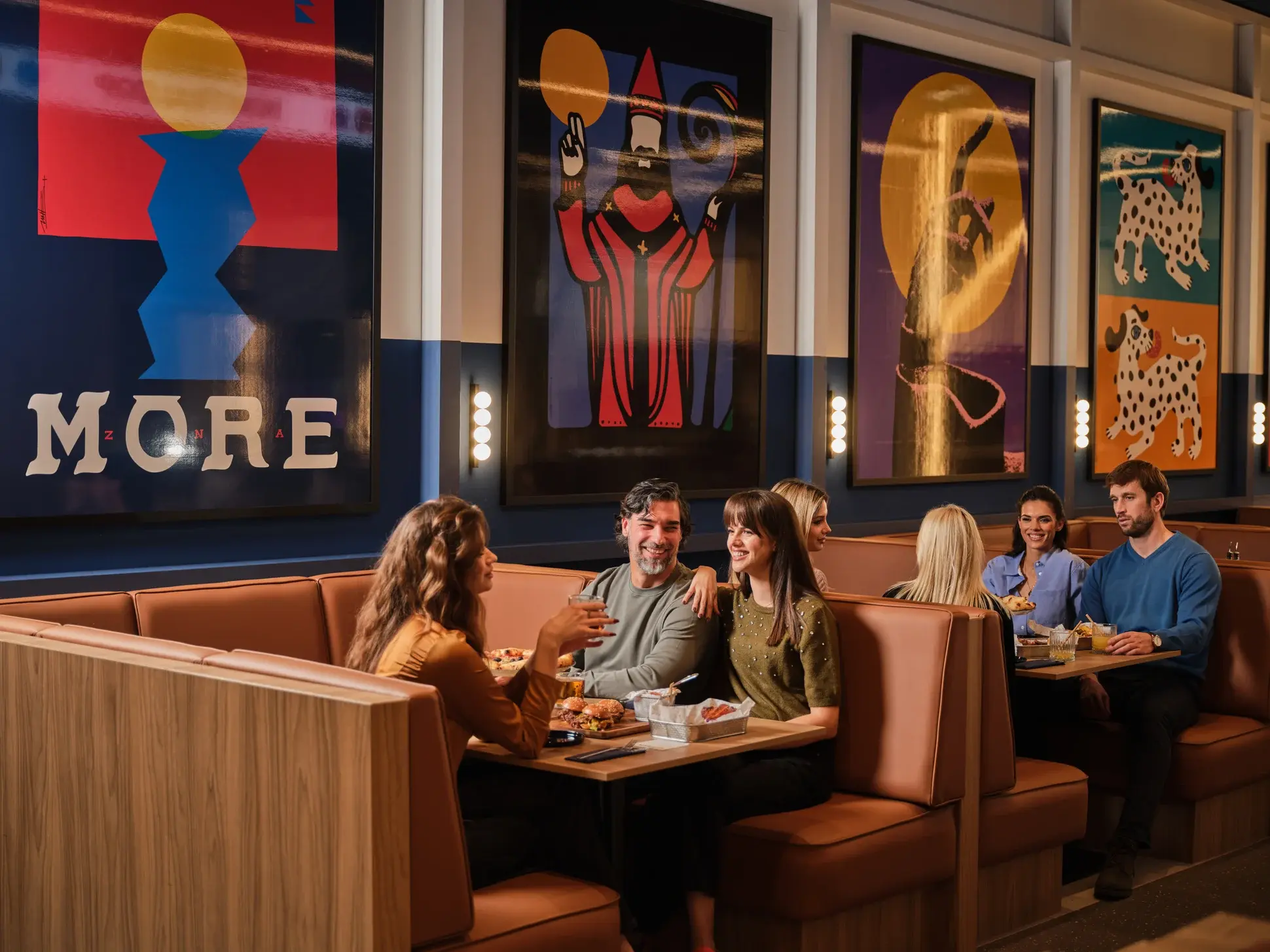
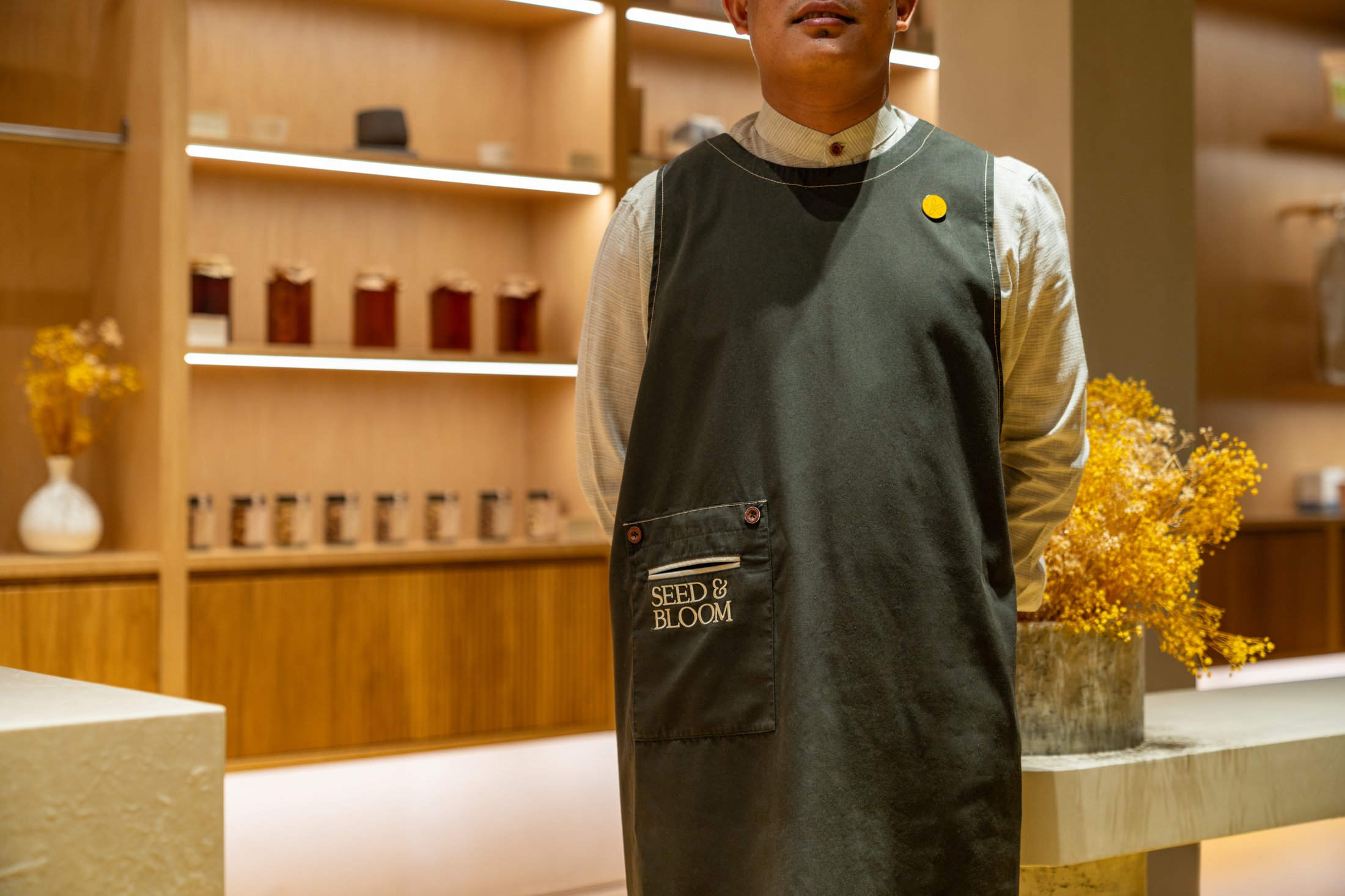
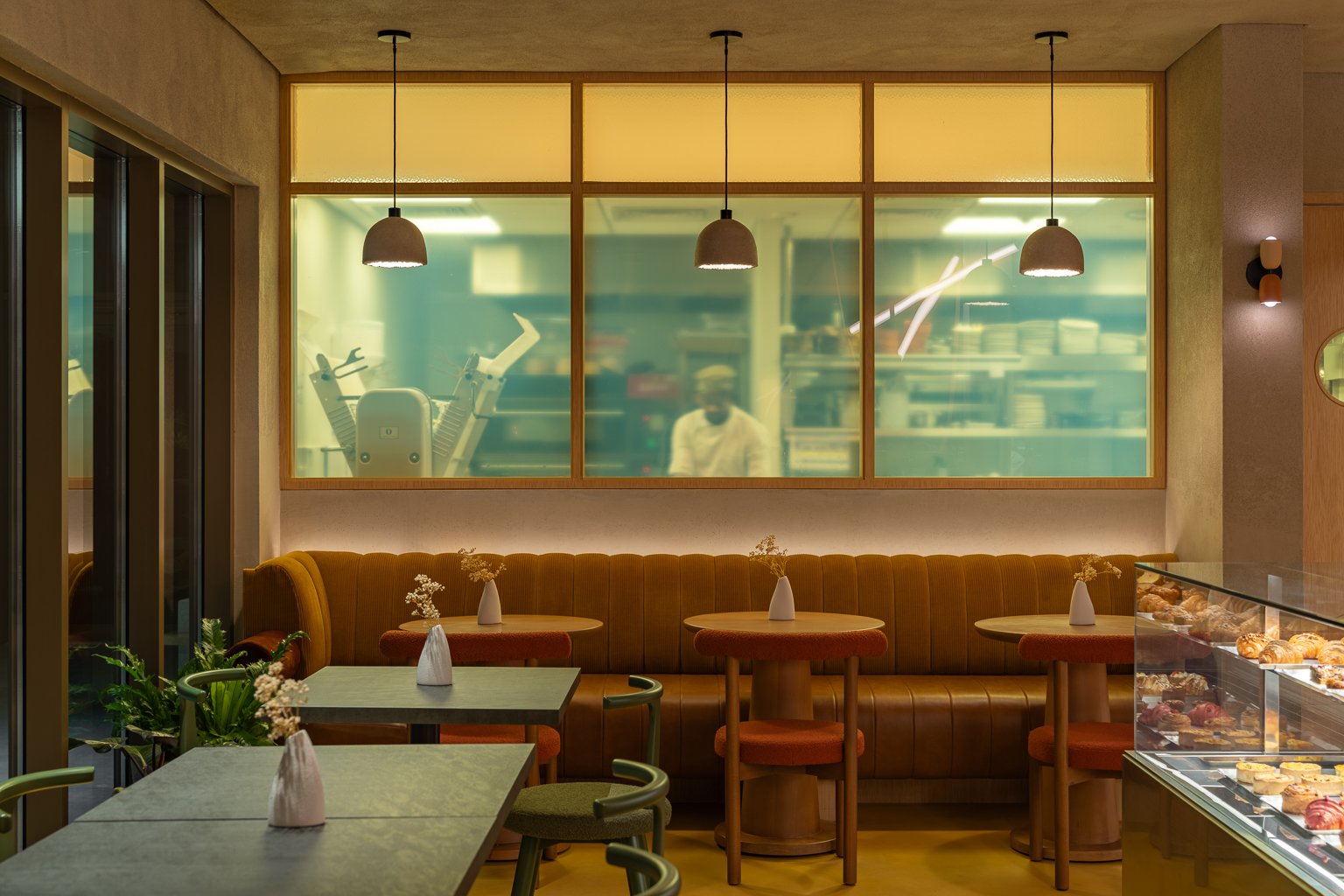
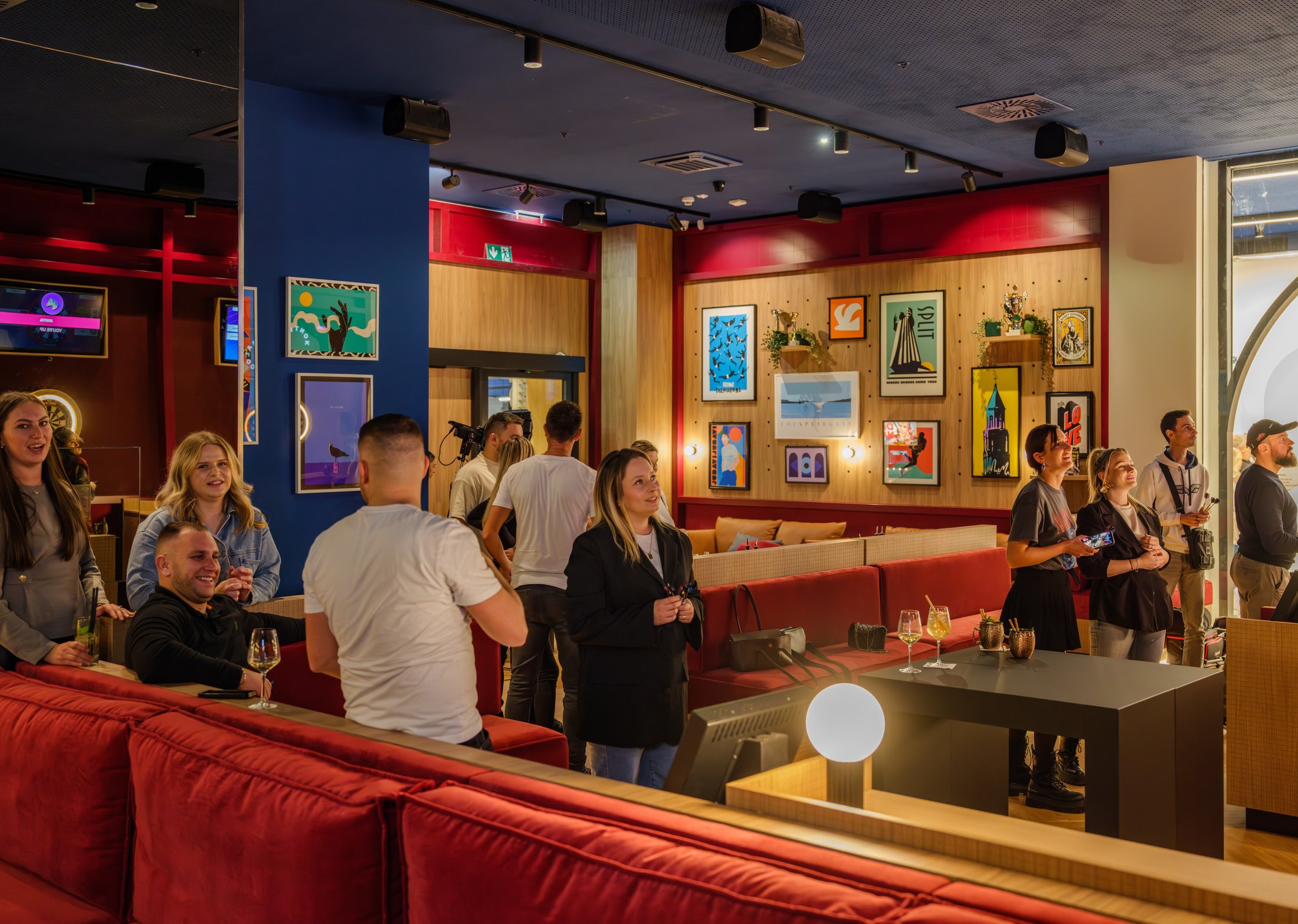
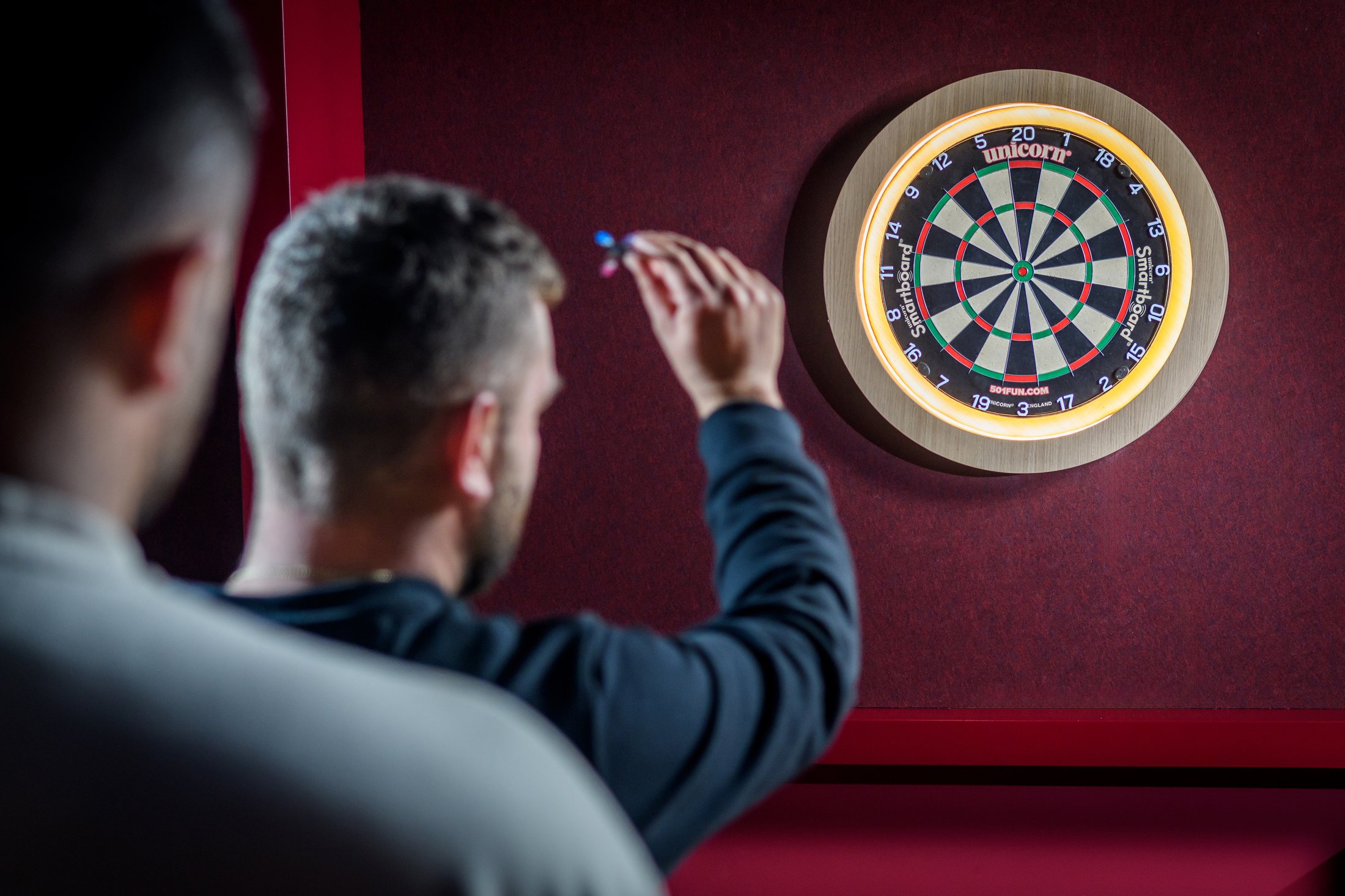
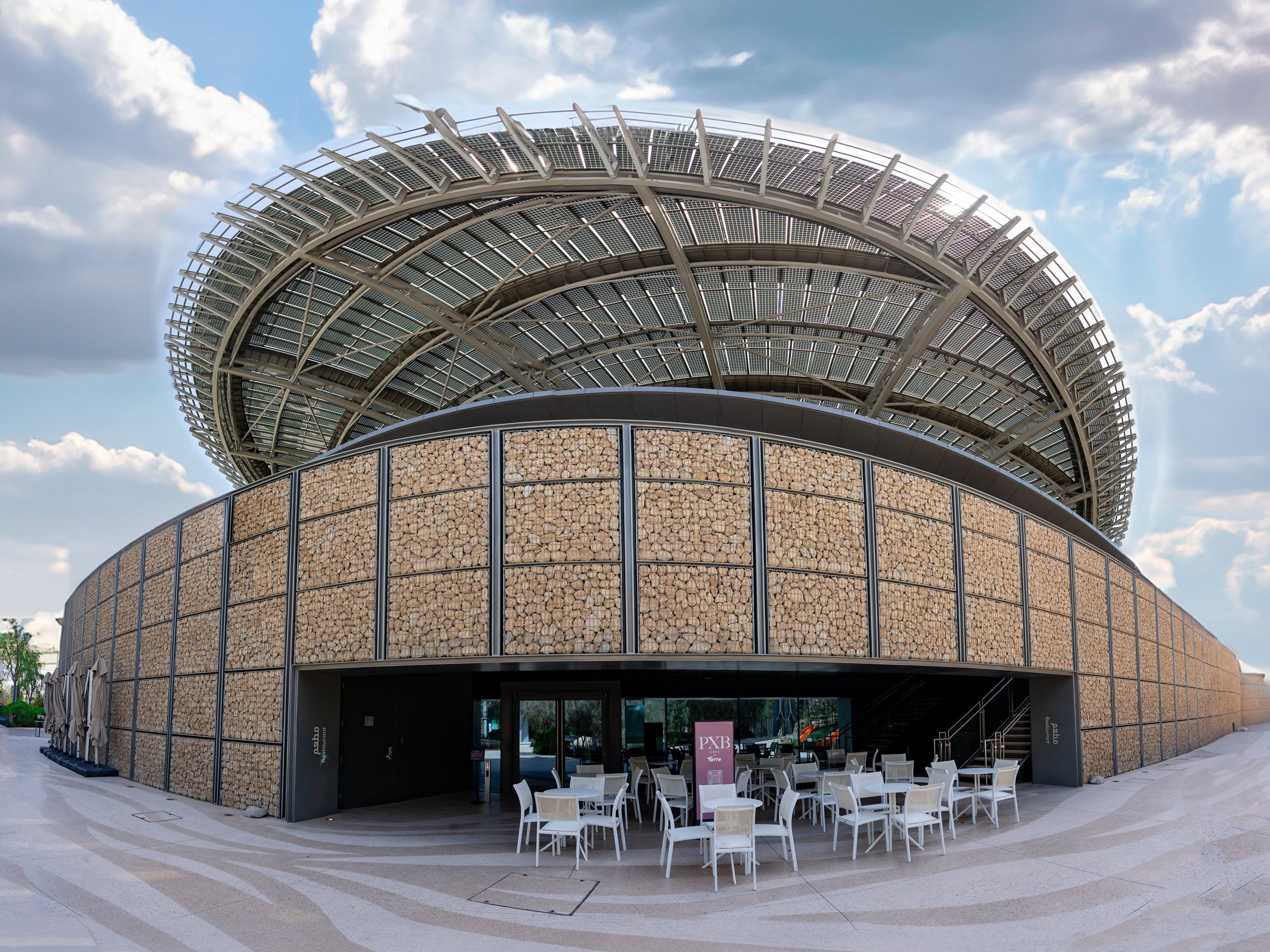
Recent pre-opening work includes Seed and Bloom, a standalone cafe in Abu Dhabi taken from concept through to live operations; Al Mamlaka Social Dining at Kingdom Centre in Riyadh; Msheireb Downtown Doha, a food hall currently in pre-opening; and Kontraloop in Split, Croatia, a competitive socialising venue TGP co-founded and opened with its own capital.
Local conditions matter more in pre-opening than at any other stage. Licensing sequence, labour market depth, visa and mobilisation lead times, supply chain maturity and municipality approvals vary enormously between markets, and a programme built on UK assumptions will not survive contact with Saudi Arabia. Each mandate is staffed with people who have opened in that market before.
We are opening one venue, not a development. Is this relevant?
Yes, although most of our pre-opening work is on larger multi-outlet destinations, so it is worth being straight about the difference.
Seed and Bloom in Abu Dhabi is a single cafe we took the whole way, concept and design through to live operations, and we were still there after it opened. The same 36 workstreams apply, resourced proportionately across a shorter programme.
If you are opening one venue, the questions worth putting to any consultant are whether the people who designed it will actually be there at opening, and what happens the week after. On a single site our answer is usually the same team throughout.
Can you work alongside our existing operator or franchisor?
Yes, and it is common. On food halls and multi-operator destinations it is the normal condition, because the tenants are independent businesses with their own brands, standards and opening timelines.
Where a franchisor sets the operating manual, our role is to deliver against it and to flag early where a brand standard collides with local regulation, labour supply or the physical constraints of the site. Where an operator is already appointed, we work to a written split of responsibilities agreed at kick-off. What we will not do is run a programme in which accountability for a workstream is unassigned, because that is precisely where openings fail.
Do you provide the operating team, or only advise?
Both, depending on the mandate.
Some clients want a programme run and handed over to their own management. Others want us to recruit, train and then operate. We do both, and we also hold operating interests in ventures of our own, Kontraloop in Split being one. That is a useful discipline: writing an operating model you will personally have to run is a different exercise from writing one you will not.
What we ask for is clarity on which of the two you want before mobilisation, because the staffing plan, the training programme and the handover documents are built differently for each.
Stage three - what actually happens?
What exactly do we receive?
A defined document set, owned by you at handover.
- Standard operating procedures by department, with training records logged against them
- Organisation chart, staffing schedule and payroll model
- Costed menu engineering pack with target gross profit by line
- Supplier matrix with agreed terms and lead times
- Opening critical path, with gates and dependencies mapped
- Licensing and compliance register, including HACCP documentation
- Operating budget with first-quarter trading forecasts
All of it is yours. We do not licence our own methodology back to clients after handover.
Who does what, and what stays with our team?
The split is agreed in writing at kick-off, workstream by workstream. It is one of the first things we insist on.
Typically we own the programme, the gates and the specialist workstreams: SOPs, menu engineering, training design, supplier negotiation, systems configuration and the critical path. The client typically owns capital approvals, contract signature, landlord and authority relationships, and any decision that binds the business beyond opening.
The failure mode this guards against is the workstream everybody assumed somebody else had. Named ownership per workstream is not administrative tidiness, it is the mechanism.
What happens if construction slips?
It usually does, so the programme is built to absorb it.
Our plan is built backwards from the opening date around fixed gates: recruitment close, training start, soft opening. When handover moves, we protect the gates rather than the calendar, because a team trained three weeks early and then stood down is a worse outcome than a shifted date.
Where slippage cannot be recovered, you hear it at the gate, not the week before launch. We would rather re-plan around a trading season than defend an original date into a bad opening.
Is staff training included?
Yes. It is one of the 36 workstreams and it runs to a training calendar agreed at mobilisation.
It covers SOP training by department, service standards, food safety certification and, where required, statutory compliance training. Its function is not only to teach the team the job. It is to test whether the procedures we have written actually work in the space as built. Training is the first time the operation genuinely runs, and it is where most of the remaining problems surface, which is why it sits before soft opening rather than alongside it.
Every session is logged, and the training records form part of the handover set.
Does this cover food and beverage: menu, pricing and suppliers?
Yes, and it is usually where the largest commercial gains sit.
The food and beverage workstreams cover menu development and engineering, recipe standardisation and yield testing, target gross profit by line, beverage strategy, supplier selection and negotiation, packaging, and the equipment and small goods needed to deliver the menu consistently at volume.
The discipline we apply is that every dish has to be deliverable by the team you will actually have, on the equipment you have actually bought, at the margin the budget assumed. Menus that only work when the development chef is standing in the kitchen are a common and expensive failure.
What is a soft opening, and do we need one?
A soft opening is a limited-guest trading period before public launch. In our programmes it usually runs as friends and family service, and yes, we recommend one on every project.
It is the only opportunity to run the entire operation, kitchen, service, systems, payments and deliveries, under real conditions with a forgiving audience. Problems found in friends and family cost a debrief. The same problems found in week one of public trading cost reviews.
On Msheireb Downtown Doha, friends and family service runs roughly a week ahead of public opening, which is typical spacing: long enough to fix what the soft opening finds, short enough that the team does not lose momentum.
How do you handle local licensing and compliance?
As a tracked workstream from mobilisation, never as a task at the end.
Compliance sequence is one of the most common causes of a delayed opening and the least visible: municipality approval to operate, food handling and occupational health cards, HACCP documentation, food safety certification, digital temperature monitoring, and in Saudi Arabia, Saudisation and Nitaqat compliance built into the staffing plan from day one.
Most of these have lead times that cannot be compressed by effort or money, which is exactly why they sit on the critical path in our programmes rather than in a folder marked admin.
Stage four - deciding
Do you stay after opening?
Yes, and we think it matters.
Opening day is the start of the trading business, not the end of the project. Our standard programmes include a defined post-opening period with senior presence on site, covering the first trading weeks when volumes, waste, labour cost and guest feedback all diverge from plan for the first time. On Seed and Bloom in Abu Dhabi we were there through live operations.
Longer arrangements, ongoing operational support or full operation, are structured separately. What we do not do is hand over a document set on opening night and leave.
Why TGP International?
Three reasons, all of them checkable.
- Volume and range. More than 700 F&B and hospitality projects since 2002, from single cafes to multi-operator destinations, across the UK, Europe and the Middle East.
- One team from concept to trading. Design, brand, food and beverage and operations sit inside the same firm, so the people who designed the space are accountable for it working. Seed and Bloom in Abu Dhabi ran that way from concept through to live operations.
- We operate, not only advise. TGP holds operating interests in its own ventures, including Kontraloop in Split, Croatia. An operating model you will personally have to run is written differently from one you will not.
TGP is also a Sunday Times Best Places to Work winner, which matters more in this sector than it sounds. Pre-opening is delivered by people willing to spend three months in another country to get a venue open, and firms that cannot retain those people cannot deliver this work.
Next steps
What happens when you get in touch:
- A discovery call, usually 30 to 45 minutes, covering the project, the programme and where it currently sits.
- If it is a fit, a scoped proposal setting out workstreams, team, duration and gates.
- If it is not a fit, we will say so, and where we can we will point you somewhere better.
Useful to have ready: target opening date, site status, whether an operator or franchisor is already appointed, and the current stage of design.
