-1.png?width=3330&height=698&name=TGP%20International%20Logo%20White%20(1)-1.png "TGP International logo")
Events,
UAE,
Restaurant Concepts
Events are no longer judged just by the quality of the food or the polish of the production.
Guests want to feel part of the story, not just witnesses to it, and that shift is redefining what catering and events teams are asked to deliver.
Few are better placed to speak to this than TGP's Tariq Ali Meer. With over 20 years of experience spanning business development, key account management and commercial strategy across projects including the F1 Etihad Airways Abu Dhabi Grand Prix, Emirates Airlines, Ferrari World Abu Dhabi and JW Marriott Marquis, our newly appointed Director of Catering & Events shares how experiential dining and immersive event design are reshaping the industry, and what it takes to deliver them well.
Experiential dining and immersive events are everywhere in the conversation right now. How do you actually define the shift you're seeing?
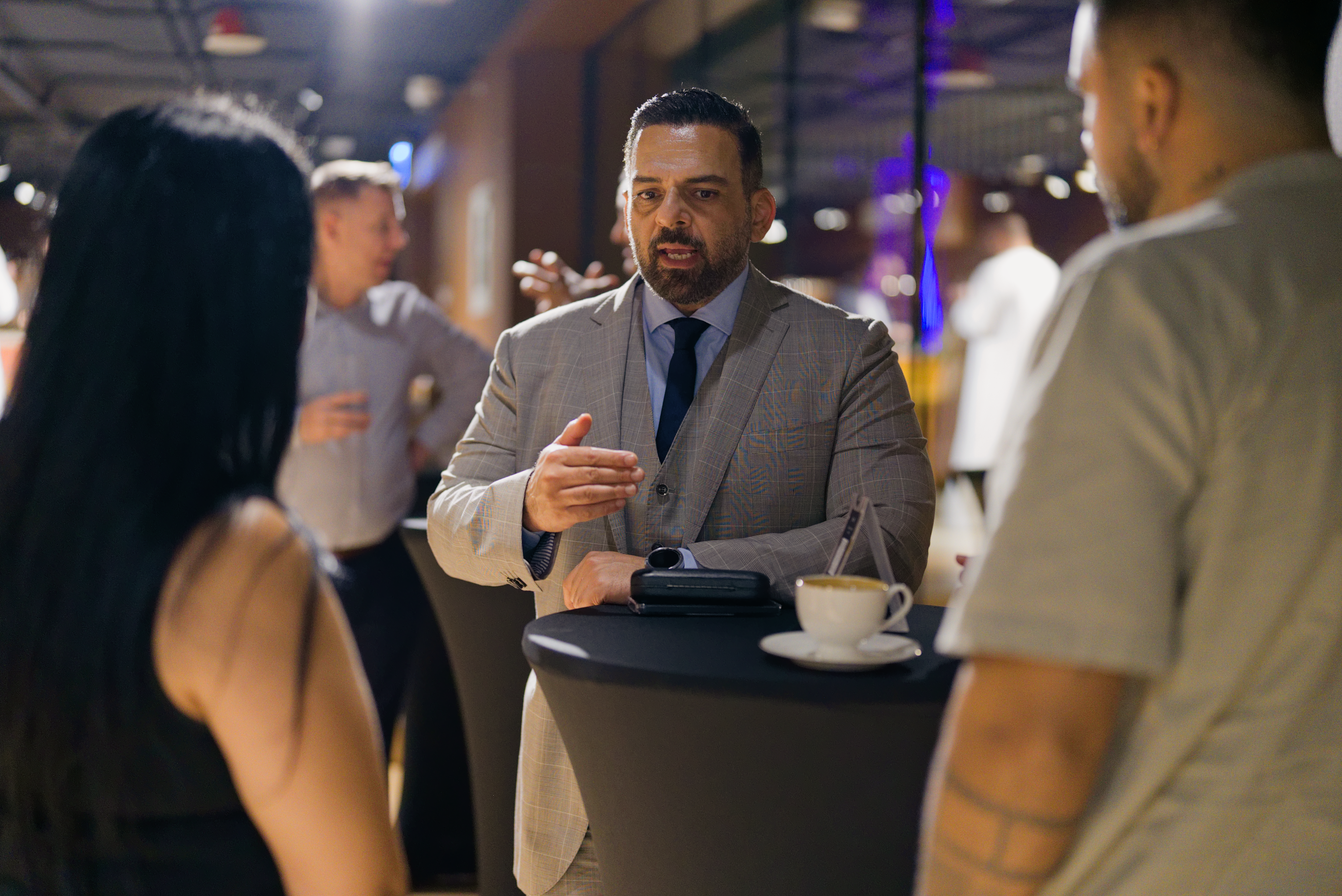
For me, it comes down to a change in what a guest is buying. It used to be a meal, or a room, or a ticket. Now it's a memory. Guests want to feel part of something that's been designed around them, whether that's the lighting shifting course to course, a live element they can watch or take part in, or a narrative that carries them from the moment they arrive to the moment they leave.
Twenty years across catering, events and hospitality has shown me that the operators who understand this early are the ones who stay relevant.
I really started noticing the shift through large-scale hospitality and live events, particularly in the UAE. Food was no longer being considered in isolation; clients were asking how the F&B could become part of the entertainment and overall guest journey. That changed the conversation completely. We stopped thinking purely about menus and started thinking about moments: what does the guest see, smell, taste and interact with, and what are they going to remember afterwards?
Further reading: TGP International – Events & Experiences
What's driving that appetite for more immersive, story-led experiences?
A lot of it is generational. Guests have grown up documenting everything, so an experience now has to be worth sharing. But there's also a genuine hunger for connection after years of screens and convenience. People want to sit at a chef's table, watch something being made in front of them, or take part in an event rather than just observe it.
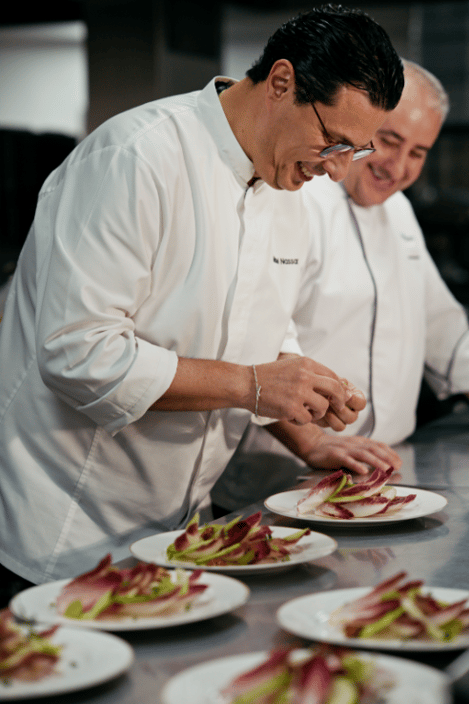
You see it particularly clearly with live culinary elements. Instead of simply collecting food from a buffet, guests want to interact with the chef, see dishes finished in front of them and understand what they're eating.
We've seen the same thing with beverage experiences, where a mixologist or an interactive serve becomes part of the entertainment. Suddenly there is a conversation happening around the F&B, and that interaction becomes part of the memory of the event.
You've delivered everything from Grand Prix hospitality to intimate corporate events. How does your approach change with scale?
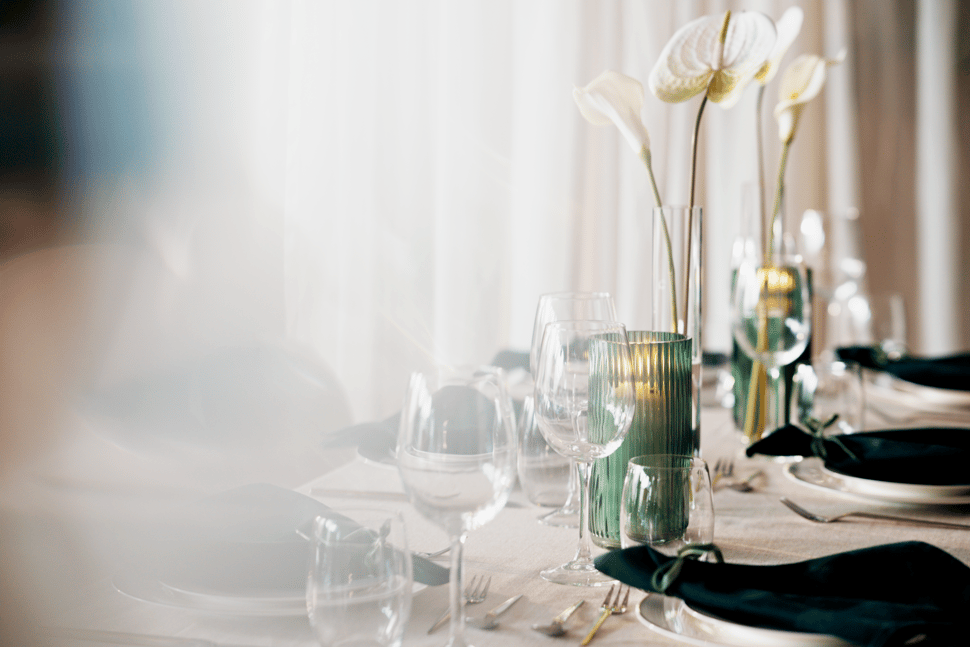
The principles stay the same, but the tools change completely. At scale, on something like a Grand Prix or a major festival activation, it's about choreography: making thousands of guests each feel like the day was built around them, through zoning, timing and service flow.
At the intimate end, corporate dinners or private events, it's about personalisation and detail, things a guest notices because they weren't expecting them. What I've learned is that the intimacy you can create in a small room is exactly what you have to engineer deliberately when you're working at scale.
It also helps that the region is building the infrastructure to match that ambition: Saudi Arabia's event management market alone is projected to grow from around USD 2.8 billion in 2026 to nearly USD 4 billion by 2031, largely on the back of new giga-project venues.
The F1 Abu Dhabi Grand Prix is a good example of what experiential hospitality looks like at scale. You're dealing with huge guest volumes, multiple hospitality environments and very high expectations, but the guest should never feel the complexity behind it. Everything from replenishment and service timing to presentation and guest flow has to work almost invisibly.
Compare that with an intimate dinner or private event and the operational challenge is completely different. With 20 or 30 guests, you can personalise individual touchpoints much more deeply. The interesting part is that the objective is actually identical: whether it's 30 guests or 3,000, each person should feel that the experience has been considered from their perspective.
What role does storytelling play in how you design a catering or events experience?
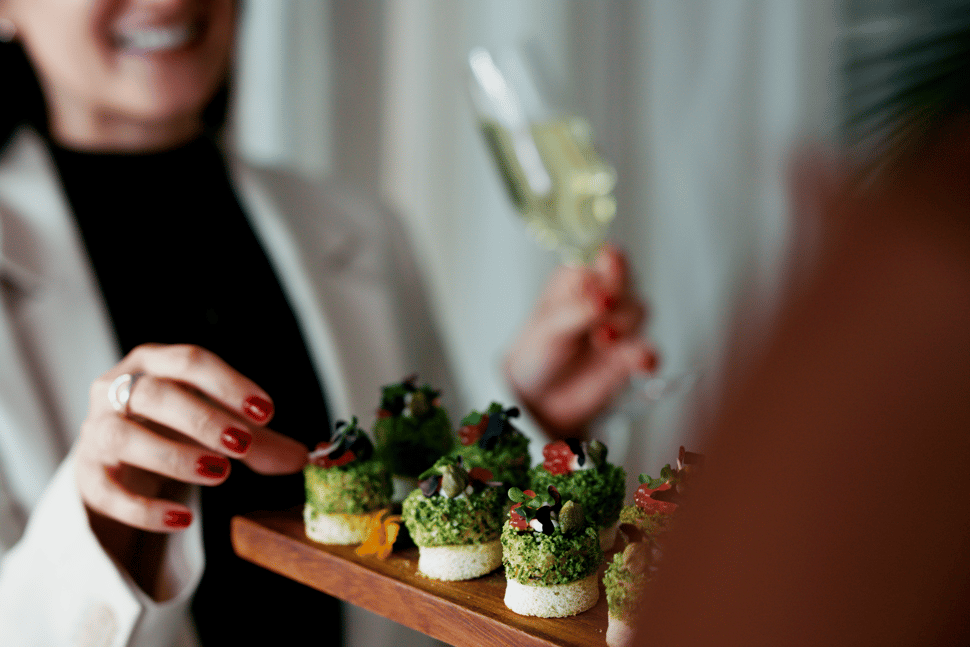
Storytelling is what turns a good event into a memorable one. It's rarely about a single big moment, it's about a sequence: an arrival that sets the tone, a menu or format that reveals itself course by course, a closing moment that guests leave talking about.
When a client comes to us with a brand or an occasion, the first question is always what story we're telling and how food, service and design carry it.
Further reading: TGP International – What Makes a World-Class F&B Concept
What are the biggest challenges in delivering an immersive experience without it feeling forced?
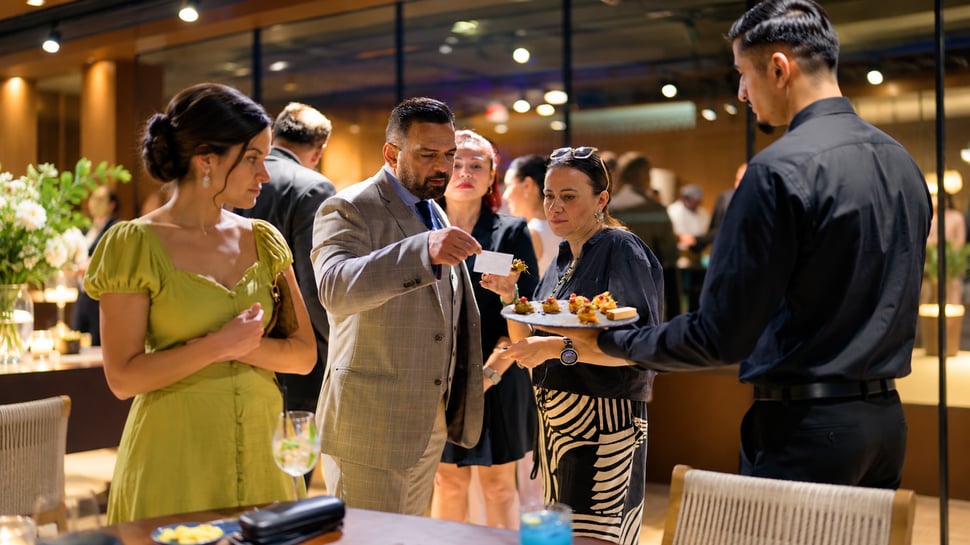
Guests can tell instantly when an experience is designed for a brief rather than for them. The challenge is keeping every immersive element purposeful, so nothing is there simply because it looks good on camera.
That means being disciplined about which ideas make the final cut and being honest with clients when a concept is exciting on paper but won't land in the room. Execution matters just as much as the idea. An immersive concept that isn't run flawlessly on the day undermines the story it's trying to tell.
One lesson I've learned is that the guest should experience the theatre, not the operational complexity behind it. We've had concepts where the creative idea was fantastic, but when you test it against guest volumes, service windows, kitchen capacity or the venue infrastructure, you realise it needs to evolve.
That's where experience matters. The answer shouldn't immediately be 'no'; it's about finding another way of achieving the same emotional impact while making sure the operation can deliver it consistently. Sometimes simplifying one element actually makes the overall experience stronger.
How do you balance creative ambition with what's operationally and commercially realistic?
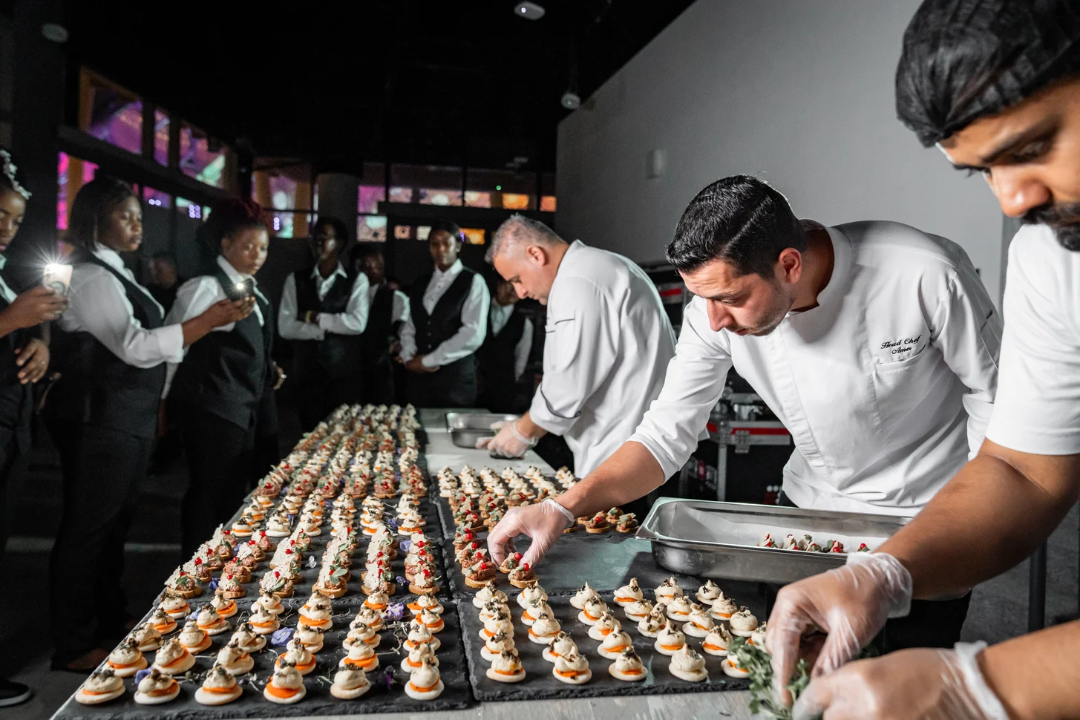
Creativity has to earn its place. Every idea gets tested against the same questions: can we deliver it consistently, does it work for the client's budget, and does it serve the commercial outcome they're after, whether that's footfall, brand positioning or repeat business.
The best experiential concepts I've worked on were ambitious in feel but disciplined in build, with the operational plan considered from day one rather than retrofitted once the concept was signed off.
What trends are you seeing locally around experiential dining and events?
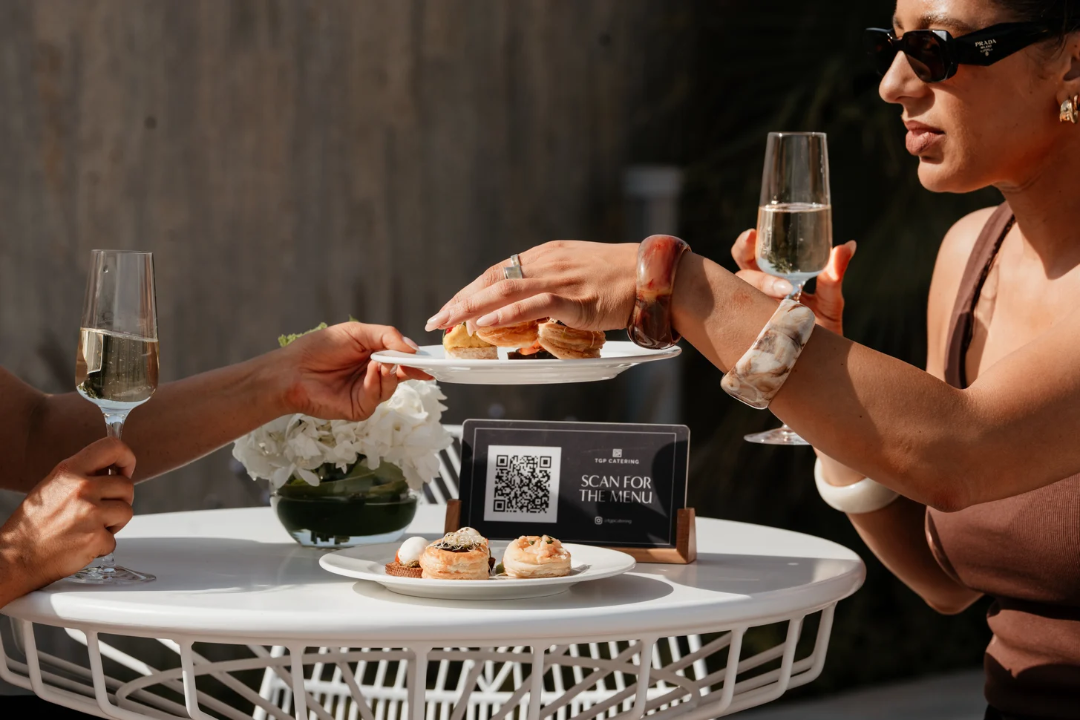
The region has become one of the most demanding markets in the world for this, guests here have seen the best of Dubai, Abu Dhabi and Riyadh and expect every new experience to top the last.
The wider numbers explain the urgency. The UAE hospitality market is on track to grow from roughly USD 30 billion in 2026 to nearly USD 44 billion by 2031, and the full service restaurant segment alone is forecast to more than double, from around USD 11.75 billion to USD 27.4 billion, over the same window. Saudi Arabia is moving even faster: its entertainment and events market is projected to expand from USD 14.6 billion in 2026 to over USD 34 billion by 2035, and the Kingdom's General Entertainment Authority reported more than 89 million visitors to licensed entertainment destinations in 2025 alone.
The scale of investment backs that up: the UAE's Tourism Strategy 2031 is targeting 40 million annual hotel guests, and Dubai alone is on course to add close to 11,300 new hotel rooms by 2027, each one bringing its own F&B and events programme with it. Saudi Arabia is moving just as fast, household spending on entertainment is climbing from under 3% towards a 6% target by 2030, and the Kingdom now counts close to 1,000 licensed entertainment destinations, almost double the number from just a year earlier.
What's changed alongside the growth is the appetite for cultural specificity: brands doing well are the ones weaving in local heritage and hospitality codes rather than importing a concept wholesale. There's also a real move towards earlier, more relaxed formats alongside the big, high-production activations, guests want both extremes.
Any advice for brands looking to elevate their next event or activation?
.jpg?width=970&height=647&name=CSR03023%20(3).jpg)
Start with the guest's journey, not the guest list. Walk through arrival to departure and find the two or three moments that will genuinely stay with people, then commit fully to those rather than spreading the budget thin across everything. And build in enough lead time.
The immersive details that make an event memorable, the choreography, the small personal touches, are the first things to get cut when planning starts late.
Is there a project that's stayed with you as a particular highlight?
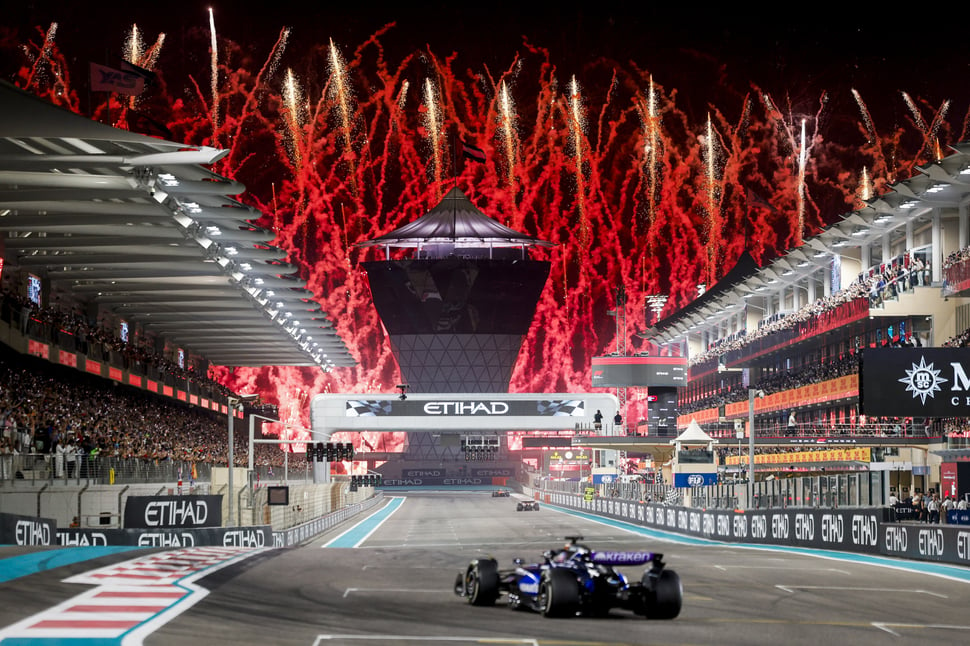
The Formula 1 Etihad Airways Abu Dhabi Grand Prix will always stand out for me. It's one of those environments where hospitality, entertainment, food and brand experience all come together at an extraordinary scale. What stays with me isn't only the size of the operation, but the expectation that every detail still has to feel premium and effortless to the guest.
It reinforced something I've carried throughout my career: people rarely remember every dish they ate, but they absolutely remember how an experience made them feel.
Speak to Our Team
Planning an event or catering brief of your own? Book a discovery call with TGP International to explore how we can help. Make an Enquiry
