-1.png?width=3330&height=698&name=TGP%20International%20Logo%20White%20(1)-1.png "TGP International logo")
Cafe & Bakeries,
UK
Opening a café is exciting, but it’s also one of the most operationally complex ventures in food & beverage. From concept and compliance to coffee quality and customer experience, success is rarely accidental.
This comprehensive pre-launch guide is designed to help café founders, investors, operators, and franchise partners open with confidence.
Why Pre-Opening Planning Determines Café Success
Globally, a significant percentage of cafés fail within their first 12–24 months. The most common reason isn’t bad coffee, it’s poor pre-opening preparation. Rushed decisions, underestimated costs, unclear concepts, and weak operational foundations often surface only after doors open, when fixes are expensive and disruptive.
A structured pre-opening checklist creates control. It ensures every element, from licensing and layout to staffing and supply chains, is aligned before the first customer walks in.
At TGP International, we’ve supported café and coffee brand launches across multiple markets, formats, and scales, from independent specialty cafés to multi-unit and franchise concepts. This guide distils that experience into a practical, step-by-step framework.
Who this guide is for:
- First-time café founders
- Investors entering the coffee space
- Existing operators launching new concepts
- Franchisees preparing for opening
Define Your Café Concept
Be clear about what you are, and what you are not:
- Specialty coffee café
- Grab-and-go espresso bar
- Lifestyle/community café
- Roastery & brew bar
- Hybrid F&B concept
Target Market & Customer Journey
Understand:
- Who your core customer is
- When they visit (morning rush, daytime linger, evenings)
- Why they choose you over competitors
Map the full customer journey, from discovery to repeat visits.
Concept & Brand Identity
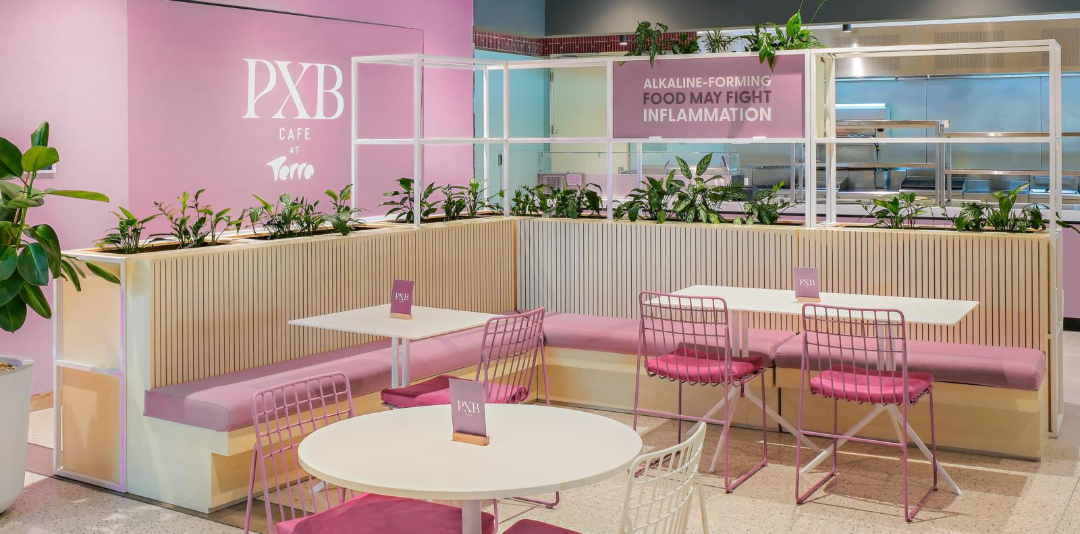
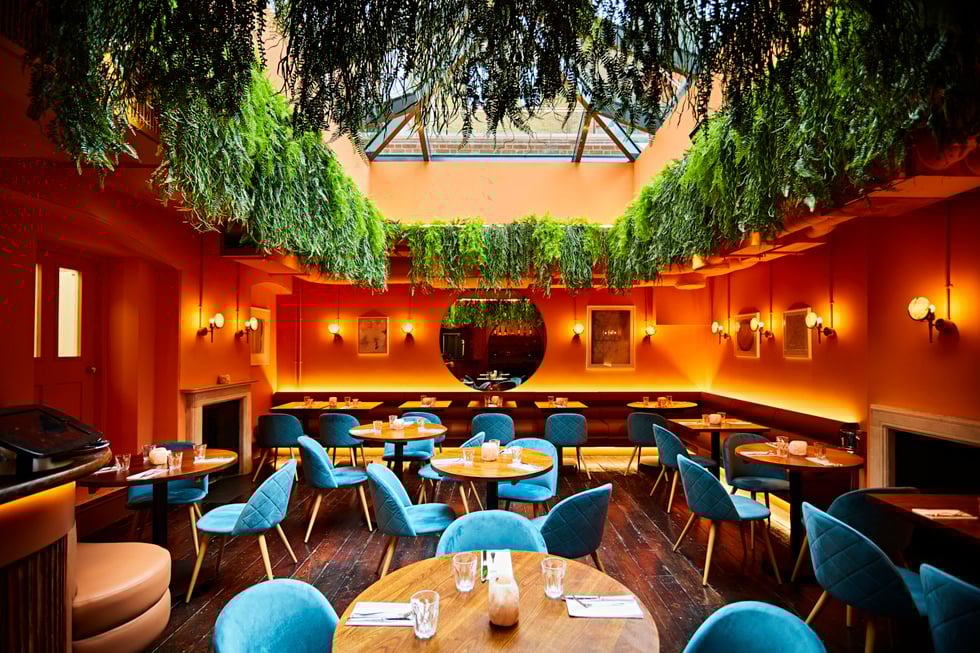
Your brand should be intentional, shaped by a clearly defined concept that acts as the strategic foundation for every guest interaction.
A world-class concept should go beyond visual elements. It is a framework where vision, personality, operational thinking and storytelling work together to create an experience that feels cohesive.
Start with the fundamentals:
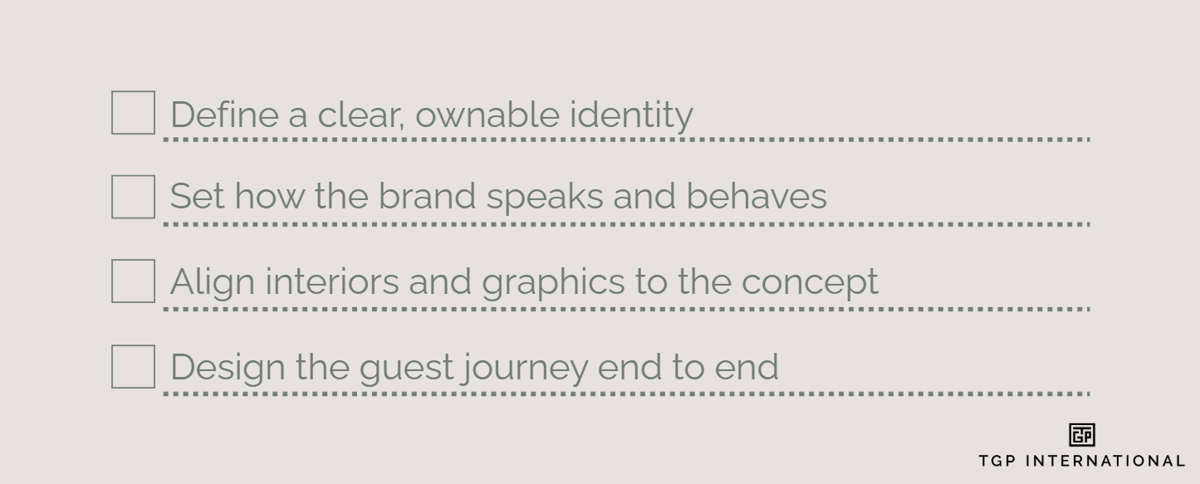
But true strength lies in alignment. Every touchpoint, from menus and uniforms to social media, signage and staff behaviours, should reinforce the same narrative and positioning.
When personality is clearly articulated, it becomes a decision-making filter across design, communications and operations, preventing fragmentation and ensuring the brand remains recognisable and authentic. This consistency is what builds long-term loyalty.
Equally important is clarity around who the concept serves and the value it promises. Understanding guest motivations, cultural context and market expectations allows operators to craft experiences that feel relevant.
In a crowded market where diners increasingly seek places that are thoughtful and worth sharing, cohesion is a competitive advantage. When concept and brand identity are nurtured together, and continuously evolved, they create destinations that cut through the noise.
Menu Philosophy
Menus must align with:
- Brand positioning
- Speed of service expectations
- Skill level of staff
- Equipment capacity
A smaller, well-executed menu often outperforms a complex one.
Location Strategy & Feasibility
Evaluate:
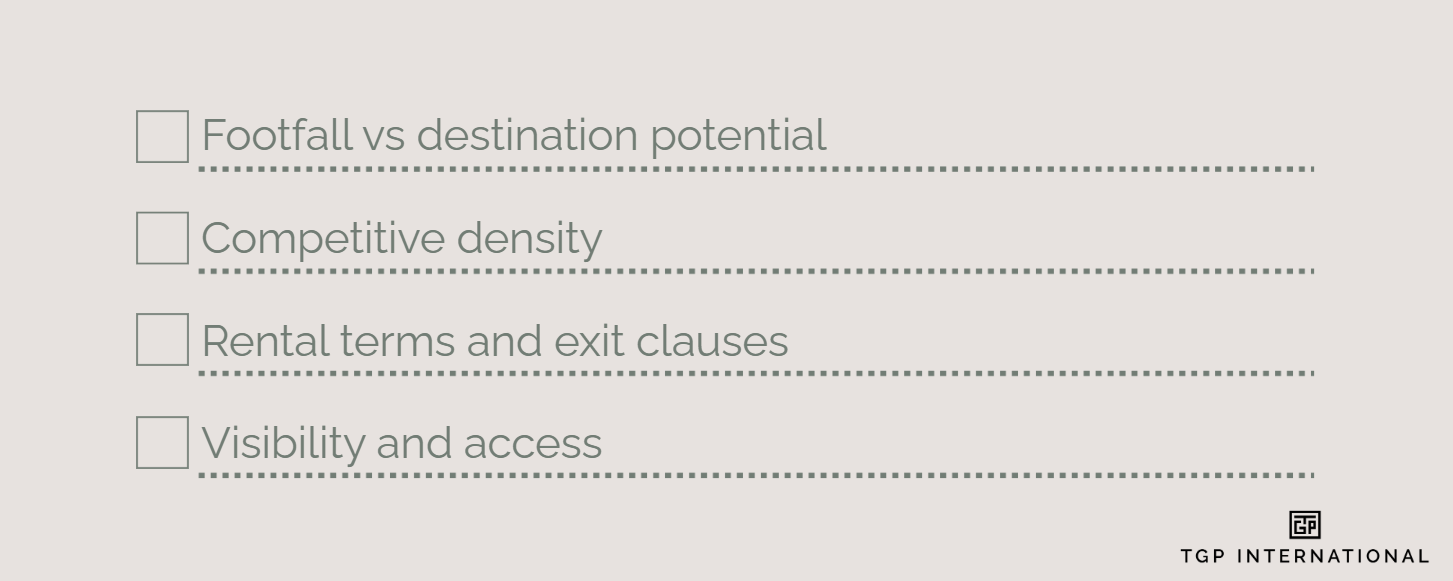
A great concept in the wrong location will struggle.
Business Planning & Financial Readiness
(The Foundation of Any Successful Coffee Shop Launch)
Revenue Forecasting & Break-Even Analysis
Understand your numbers before opening:
- Average transaction value
- Daily customer counts
- Monthly fixed vs variable costs
This defines your break-even point and pricing strategy.
Supplier Contracts & Cost Control
Secure pricing early for:
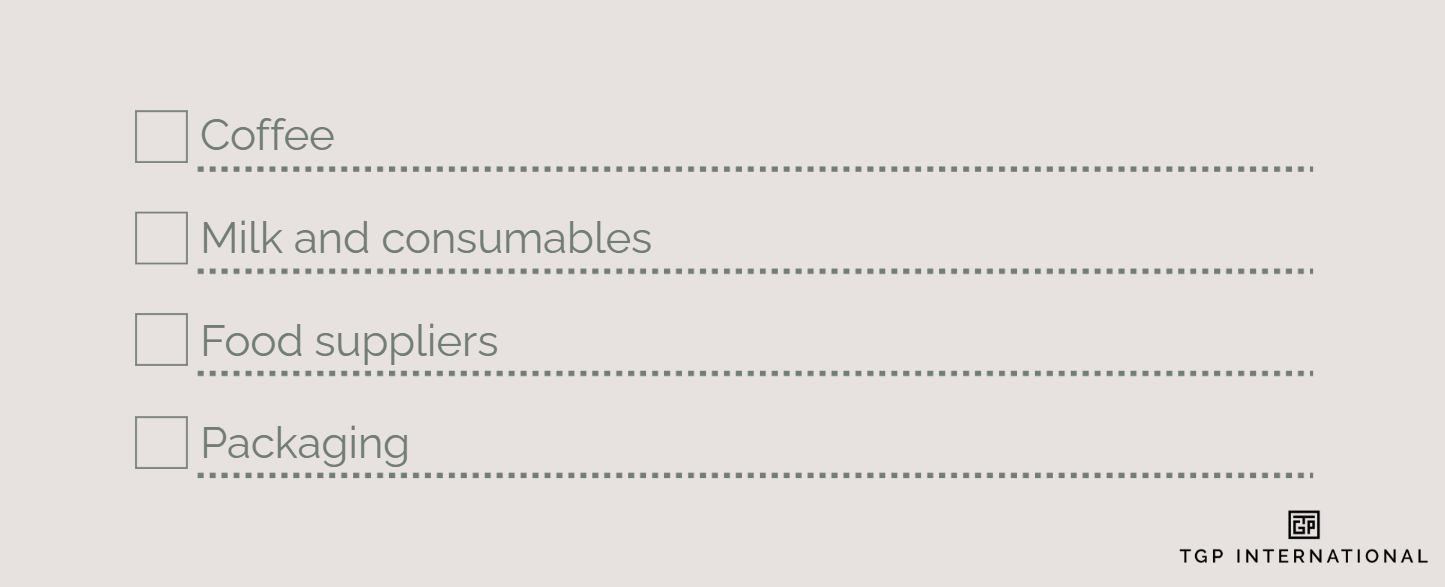
Uncontrolled COGS is one of the fastest ways cafés lose margin. Always maintain a contingency buffer within your pre opening checklist.
Pre-Opening Budget Management
Account for:
- Fit-out overruns
- Training wages
- Soft opening costs
- Initial marketing spend
Always maintain a contingency buffer.
Legal, Licensing & Compliance Checklist
Before operating, ensure:
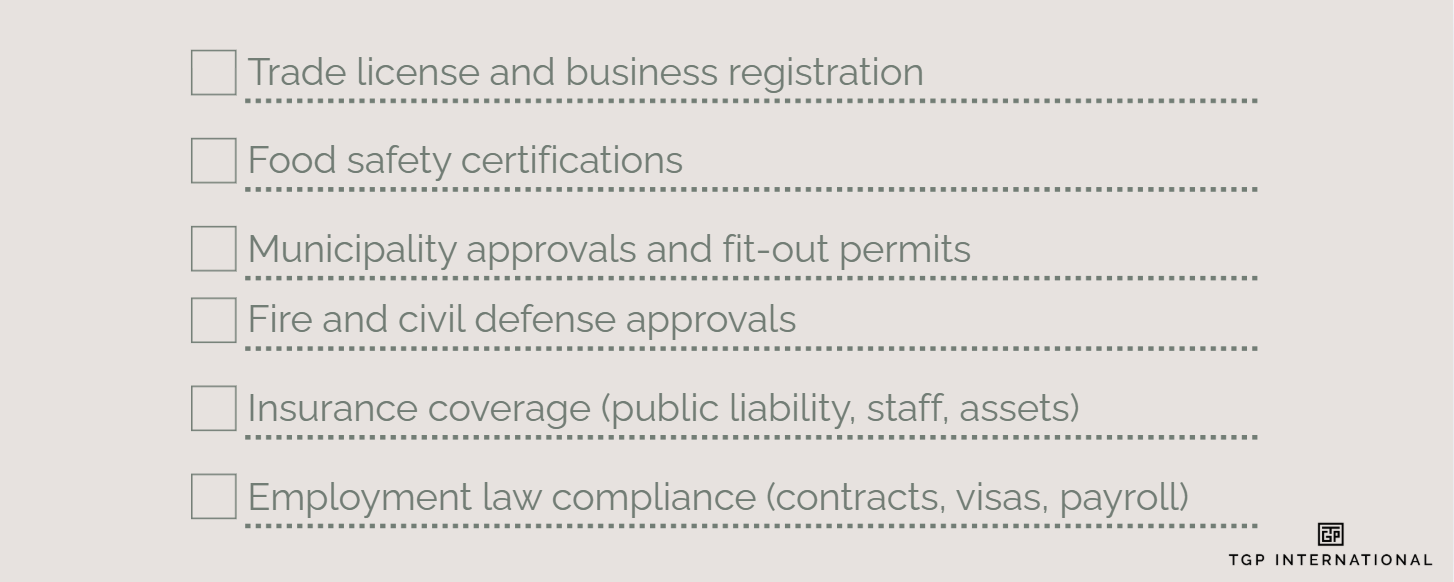
Delays in compliance can postpone opening by weeks, or months.
Design, Fit-Out & Equipment Readiness
Layout & Flow Planning
Design for efficiency:
- Front of house (FOH)
- Back of house (BOH)
- Customer flow and queue management
Bar Design & Coffee Workflow
Poor bar design slows service and burns staff out. Workflow should minimise movement and maximise consistency.
Equipment Selection
Choose based on volume, not aspiration:
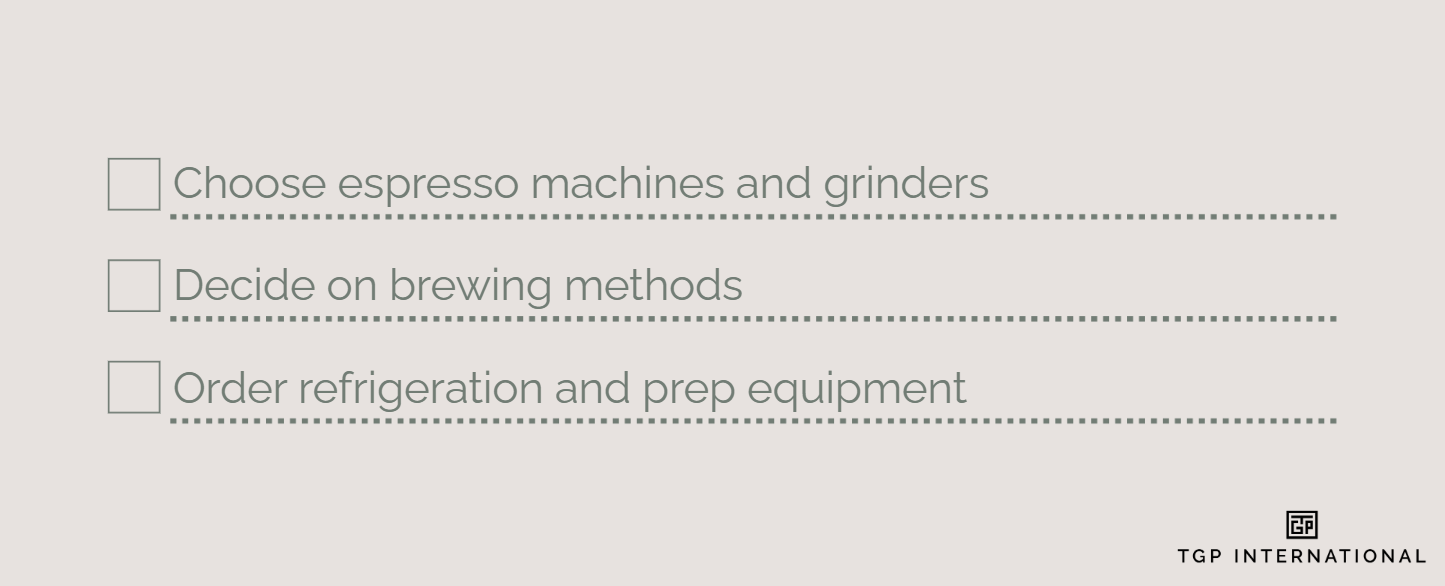
Reliability and service support matter more than brand hype.
Fit-Out Timelines
- Contractor coordination
- Equipment delivery scheduling
- Utility readiness
Final Snagging
Test it all twice!
Menu Development & Supply Chain Setup
Coffee Sourcing
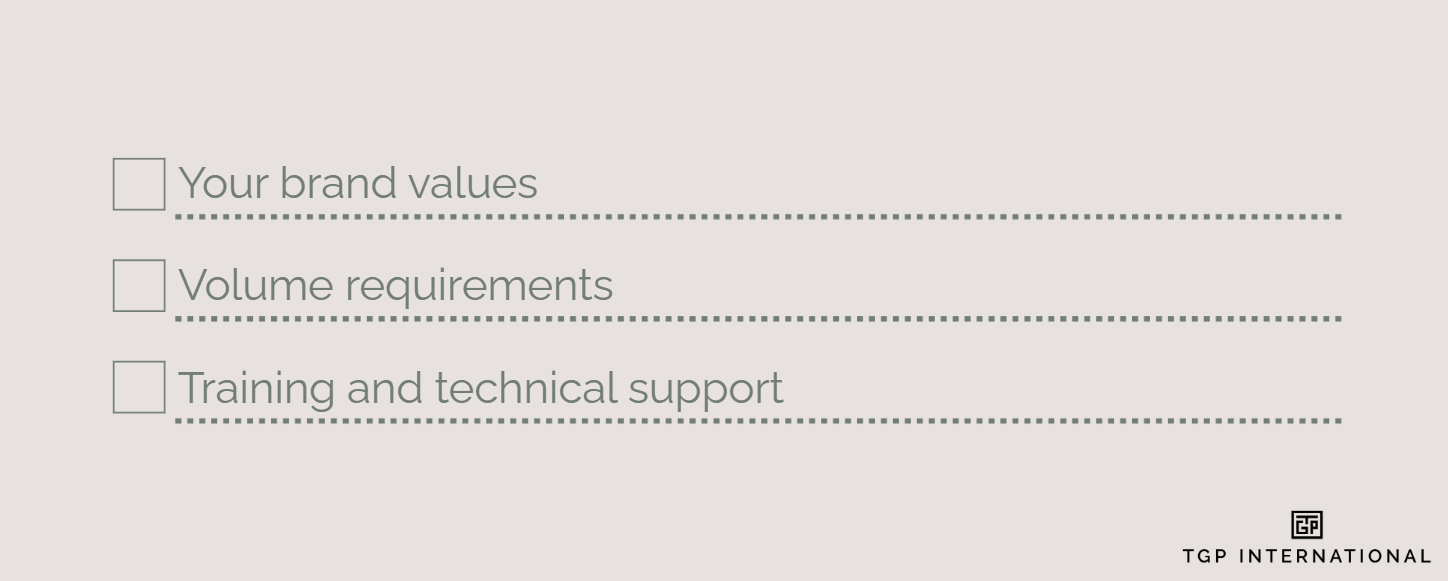
Select roasters aligned with:
Recipe Standardisation
Standard recipes ensure:
- Consistent quality
- Cost control
- Faster staff onboarding
Supplier Onboarding
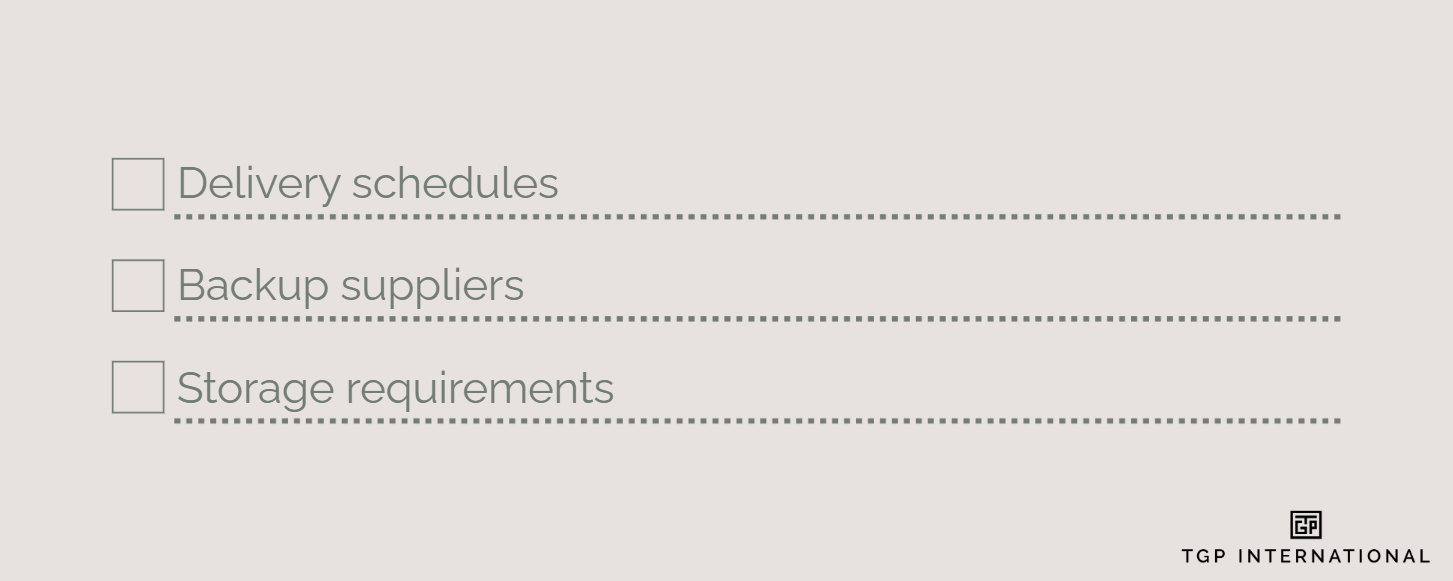
Confirm:
Compliance
Ensure allergen labeling and menu disclosures meet local regulations.
Hiring, Training & Operational Systems
Staffing Structure
Define roles clearly:
- Store manager
- Baristas
- Support staff
Recruitment Timeline
Hire early enough to train properly.
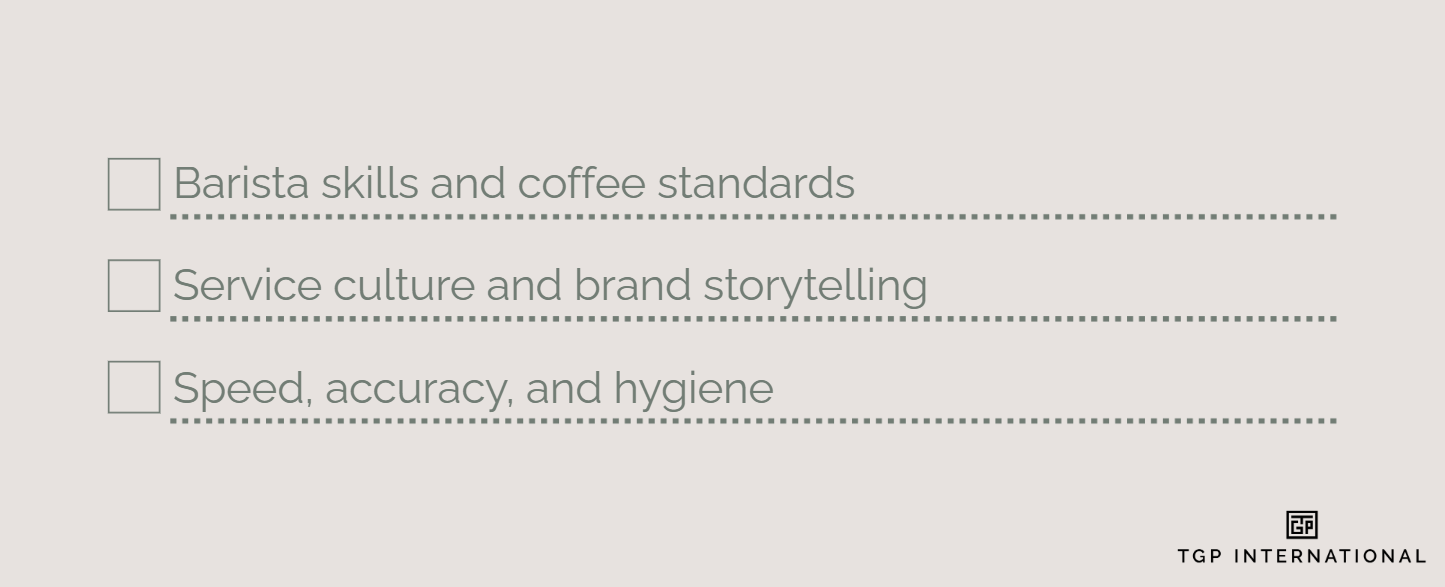
Training Programs
Systems & SOPs
- POS system selection
- Inventory management
- Opening and closing procedures
Strong systems reduce dependency on individuals.
Coffee Shop Pre-Launch Marketing & Brand Activation
Soft Opening vs Hard Launch
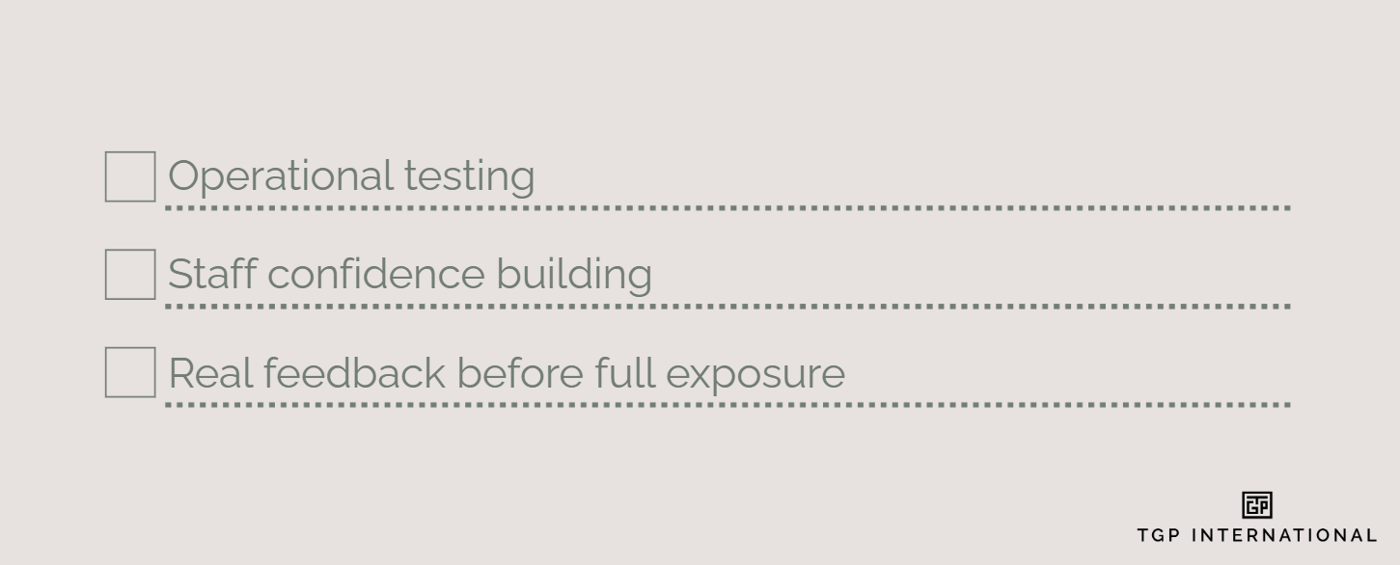
Soft openings allow:
Pre-Opening Marketing Checklist
This topic is commercially important and often underestimated, so expanding it slightly tends to elevate the authority of the piece and align it with your consultancy positioning.
Pre-Opening Marketing Strategy

A successful launch rarely happens by accident. The strongest openings build anticipation well before the doors open, using a structured marketing strategy that generates awareness, credibility and demand from day one.
Preparation should begin early, ensuring the concept is clearly communicated and the right audiences are engaged ahead of launch.
Core foundations include:
Digital presence
-
Social media account setup aligned with brand positioning
-
A structured content calendar to maintain momentum
-
Teasers, construction updates and behind-the-scenes storytelling to build intrigue
-
Strong visual assets that reflect the quality of the experience
Community and guest engagement
- Early outreach to local audiences to establish relevance
- Partnerships with complementary brands or neighbourhood businesses
- Influencer engagement where it feels authentic to the concept
- Targeted previews to create advocacy before opening
Launch planning
- A phased opening strategy (soft launch, friends & family, press events)
- PR coordination and media outreach
- Reservation strategy to manage demand
- Clear messaging that communicates what makes the concept distinctive
Authenticity should guide every decision. While paid exposure can amplify reach, genuine excitement, driven by a compelling concept and consistent storytelling, is far more likely to translate into sustained traffic after the initial opening buzz fades.
Digital Presence
- Google Maps listing
- Delivery platforms
- Website basics
Launch Offers
- Limited-time promotions
- Loyalty programs
Final Pre-Opening Café Checklist
Before you flip the sign to "Open," execute these final steps of your coffee shop pre opening checklist:
- Full operational testing
- Menu tastings
- Mock service sessions
- Equipment calibration
- Staff rehearsals
- Health inspection readiness
- Opening-day staffing plans
Preparation here prevents chaos later.
Opening Day & Post-Launch Optimisation
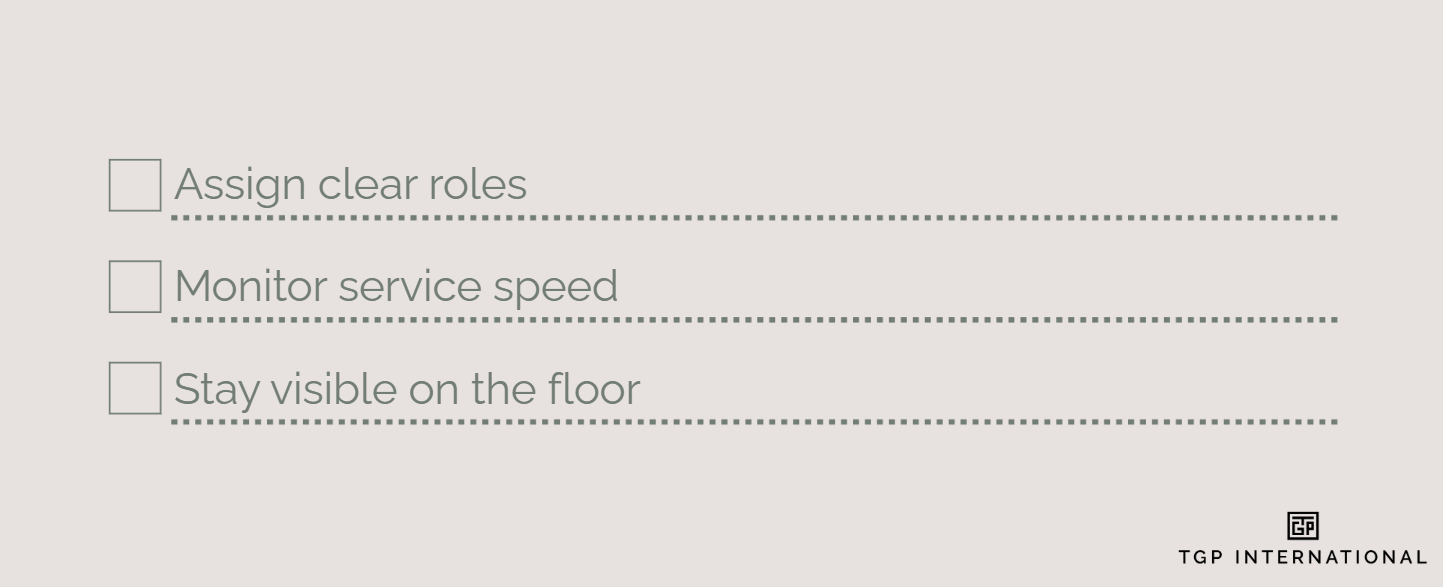
Opening Day Execution
Feedback & Performance Tracking
Track:
- Sales
- Speed of service
- Wastage
- Customer feedback
Continuous Improvement
Opening day is the beginning, not the finish line.
Expert Tips: Starting a Coffee Shop the Right Way
Insights from TGP International:
- Most café issues are operational, not aesthetic
- Scaling starts with systems, not expansion
- Overcomplication kills consistency
Common Mistakes:
- Underestimating staffing costs
- Designing for Instagram, not workflow
- Delaying professional advice
Engage F&B consultants early to save time, money, and stress.
Conclusion: From Checklist to Long-Term Café Success
A successful café launch is rarely about luck. It’s about preparation.
A structured pre-opening checklist:
- Reduces risk
- Controls costs
- Builds confident teams
- Creates consistent guest experiences
With the right planning, and the right partners, your café can open strong and scale sustainably.
TGP International supports café and F&B brands from concept to launch and beyond, turning ideas into operationally sound, commercially successful businesses.
