-1.png?width=3330&height=698&name=TGP%20International%20Logo%20White%20(1)-1.png "TGP International logo")
F&B Masterplanning,
Hotel F&B,
Qatar,
Brand & Concept Development,
Fine Dining
This project focused on four hotel properties within the Intercontinental Hotel Group estate at Dubai Festival City. The objective was to evaluate the existing food and beverage offering across each site and identify opportunities to improve performance, guest experience and commercial return.
TGP International was appointed to assess how effectively the existing F&B concepts aligned with the wider market context and the key customer groups visiting the destination. The study considered how the estate was performing and where repositioning could unlock greater footfall, dwell time and overall value.
The work brought together analysis of concept positioning, operational performance, interior design, local benchmarking and financial insight to form a clear view of the estate’s status and future potential.
The Brief
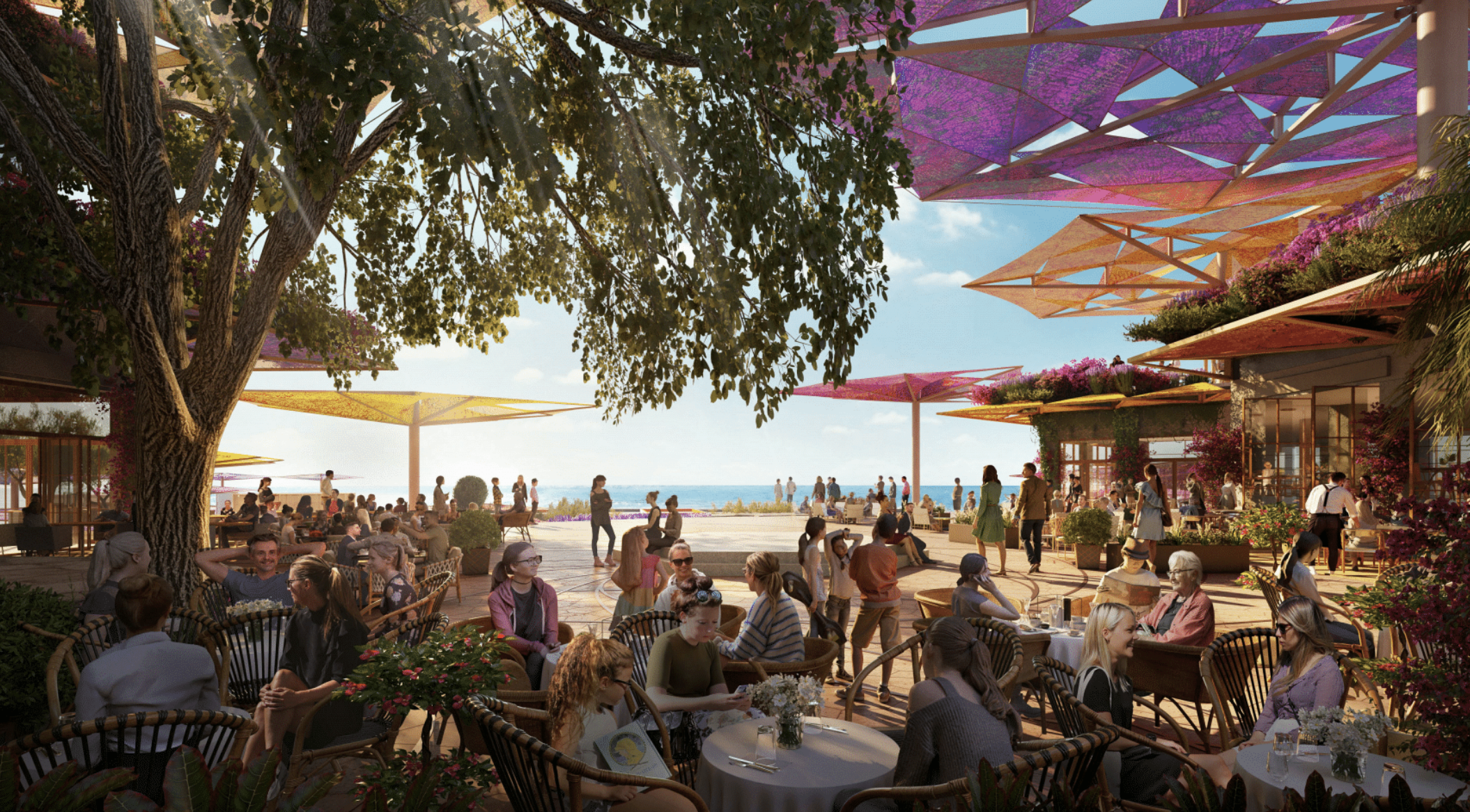 The brief required a full diagnostic of the food and beverage operations across Intercontinental Hotel, Crowne Plaza, Intercontinental Residences and Holiday Inn, followed by a strategic direction for optimisation. TGP International was tasked with evaluating concept relevance, operational performance, market alignment and brand positioning across all outlets.
The review identified five key customer segments that were expected to define future positioning. These included MICE delegates, local corporate workers, Emirati residents, domestic tourists and families. While these groups were already present within the catchment, the estate did not consistently tailor its offering to their expectations or spending behaviours.
It was also established that Intercontinental Hotel and Crowne Plaza held the strongest potential to operate as destination-led hubs, while Intercontinental Residences and Holiday Inn were better suited to a hybrid model incorporating soft refurbishment and third-party leasing.
Explore TGP International’s F&B Strategy & Management Services
Developing the Concept
The strategic concept centred on repositioning the estate into clearly defined destination zones with tailored food and beverage experiences aligned to specific audience groups. Intercontinental Hotel was identified as the primary luxury and experience-led destination, with a focus on fine casual dining and elevated all-day experiences.
Crowne Plaza was repositioned as a high-volume, lifestyle and family-friendly destination supporting both leisure and corporate demand. Within Intercontinental Hotel, Choix was retained with a soft refurbishment to strengthen its appeal to MICE guests, corporate users and domestic tourists. Anise was recommended for full closure and redevelopment to better serve families and hotel guests. Vista required full rebranding or third-party leasing to improve commercial viability. Karam was repositioned towards families and tourists with consideration for external leasing or full rebrand. The pool bar was identified for full redevelopment, while Eclipse was repositioned either as a new concept or integrated into an enhanced club lounge experience.
At Crowne Plaza, Zaytoun was repositioned through full refurbishment as a family and domestic tourism-focused restaurant. Mazar was reimagined as a family-led concept or replaced with a new licensed offer such as a Belgian-style beer café. The pool bar underwent light refurbishment to better serve leisure guests.
Intercontinental Residences was repositioned towards a predominantly third-party operated model, supported by seasonal activation strategies including a festival-style garden concept. Holiday Inn followed a similar logic, with selective refurbishment and leasing to modernise the estate and better align with short-stay and family-driven demand.
Design Drivers
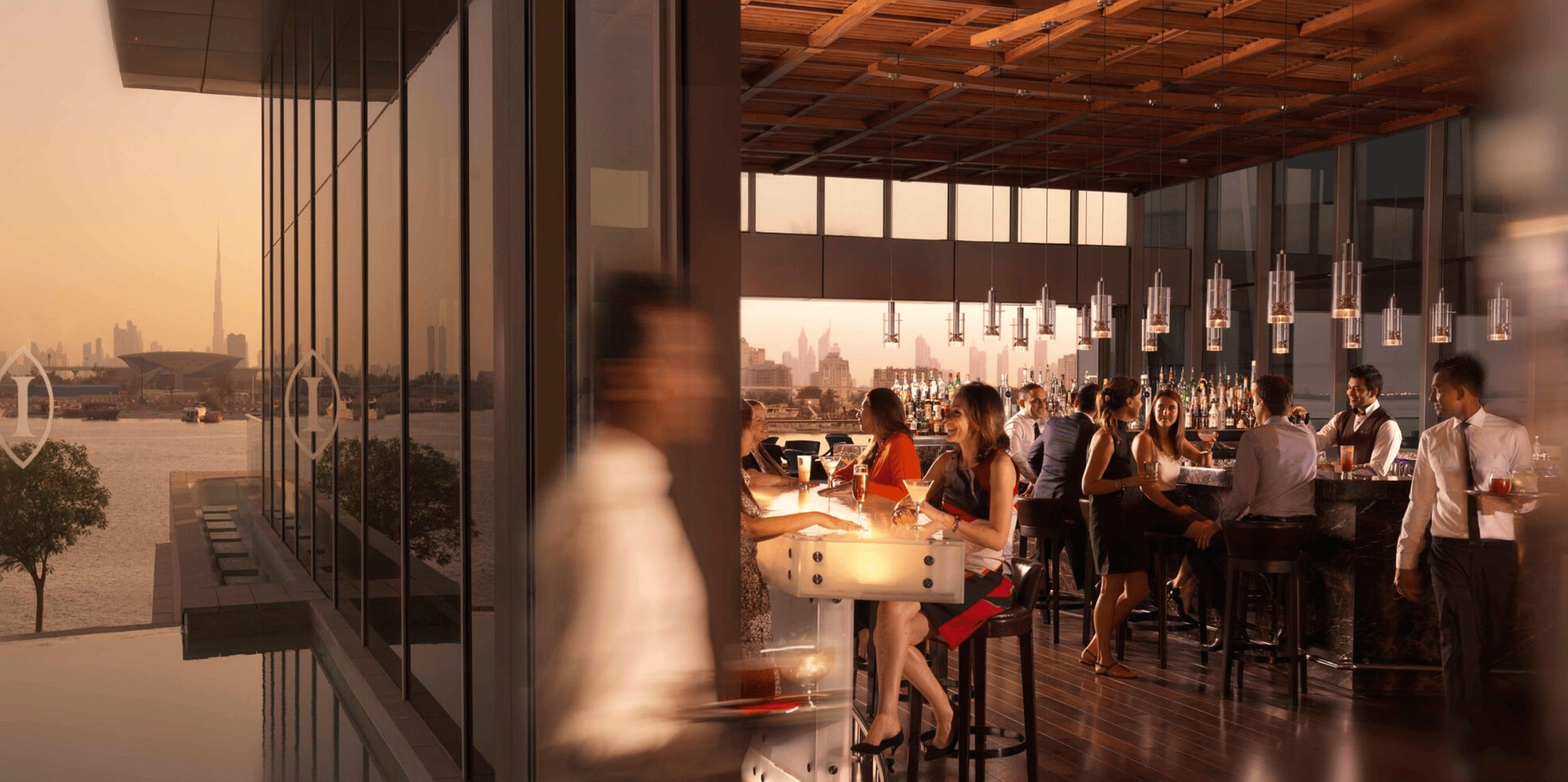
The design direction focused on simplifying and elevating the guest journey while aligning each outlet to a clearly defined market segment. At Intercontinental Hotel, design interventions prioritised the creation of destination dining spaces that felt connected to the wider Creek promenade and surrounding leisure environment. This included improved visibility, stronger arrival experiences and a more coherent relationship between indoor and outdoor spaces.
At Crowne Plaza, design focused on accessibility, warmth and flexibility to support family groups and informal dining. Spaces were reconfigured to improve operational efficiency while enhancing comfort and usability for longer dwell times.
At Intercontinental Residences and Holiday Inn, design intervention was lighter in nature, with emphasis placed on refresh rather than full architectural change. This allowed third-party operators to introduce their own identity while maintaining a consistent overarching quality standard across the estate.
Explore TGP International’s Design Services
The Outcome
The recommended strategy delivered a clear repositioning of the Intercontinental Hotels Group food and beverage estate into a more commercially efficient and market-aligned portfolio. Intercontinental Hotel and Crowne Plaza were established as primary destination anchors with strengthened identity and improved guest appeal across key demographic groups.
Intercontinental Residences and Holiday Inn transitioned towards a more flexible operating model that leveraged third-party expertise to improve performance and reduce operational complexity while maintaining brand standards. Across the estate, this approach was expected to increase footfall, improve dwell time and strengthen overall revenue performance through better alignment with the evolving Dubai Creek and Festival City market.
