-1.png?width=3330&height=698&name=TGP%20International%20Logo%20White%20(1)-1.png "TGP International logo")
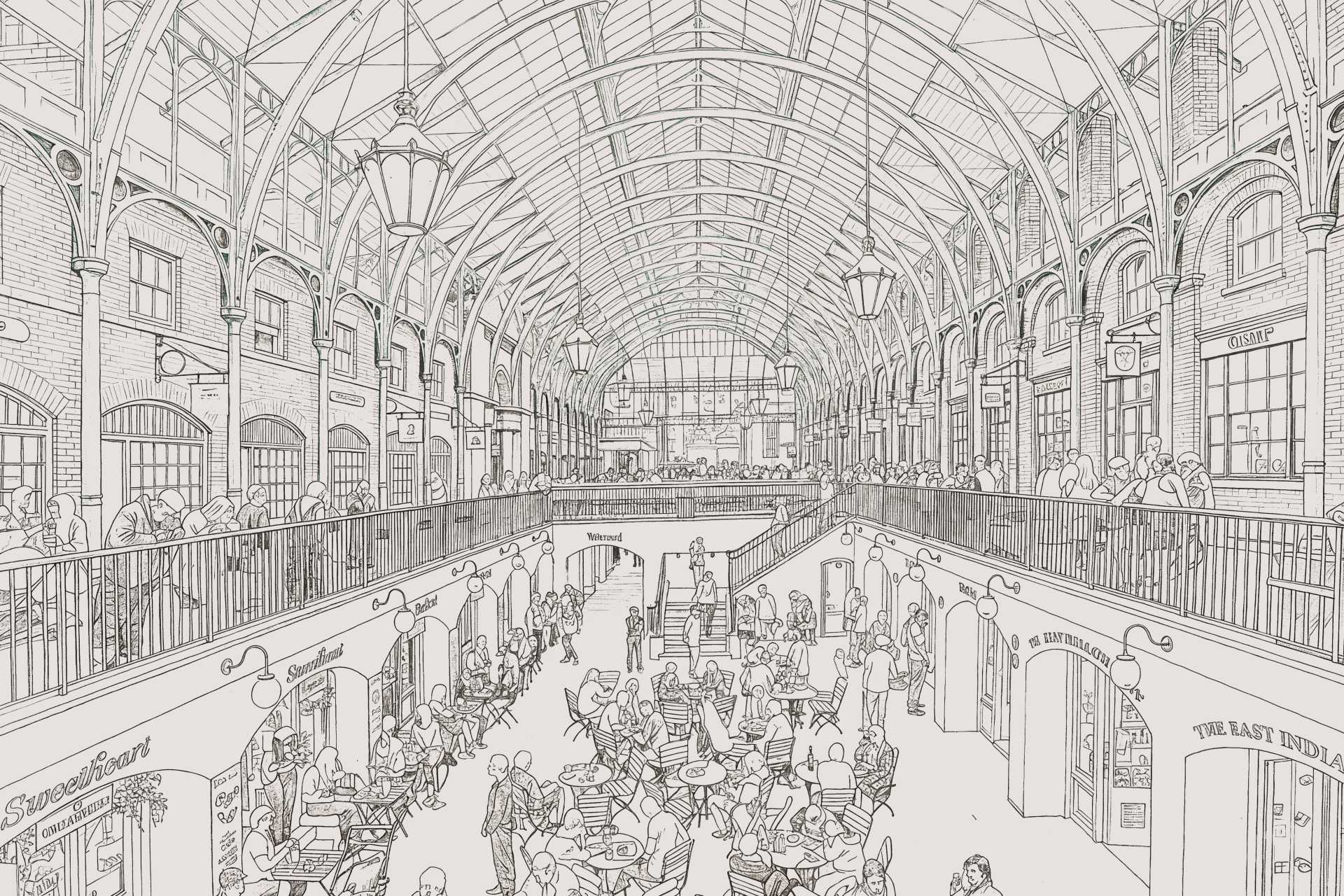
Cities are constantly evolving, shaped by changing patterns of work and social life. Within this broader transformation, food and beverage (F&B) is an important defining layer of the built environment. Where restaurants and bars were once introduced late in the development process, they are now increasingly embedded from the earliest stages of masterplanning.
This shift reflects a wider recognition that hospitality plays a fundamental role in how places function and how they are experienced. Dining environments influence footfall, shape patterns of movement and contribute to the social and cultural identity of neighbourhoods.
Within this context, destination dining has emerged as a powerful real estate strategy. More than providing places to eat, it creates visibility, strengthens brand identity and supports long term asset value by anchoring developments within the everyday lives of residents and visitors.
Dining as a Driver of Real Estate Value
The value created by hospitality is rarely confined to a single unit or lease. Instead, it operates across an entire ecosystem. Restaurants and dining environments generate footfall, extend dwell time and contribute to what is often described as the “halo effect”, supporting surrounding retail and commercial uses.
This dynamic makes it difficult to isolate F&B’s financial impact within traditional real estate metrics. However, its influence is increasingly visible in the performance of mixed use districts, where dining plays a central role in attracting visitors and sustaining activity throughout the day and evening.
In many contemporary developments, F&B can account for a significant proportion of leasable space, reflecting its growing importance within the overall tenant mix.
More fundamentally, dining helps define identity. In an environment where many developments compete for attention, a curated hospitality offer provides a clear and tangible point of differentiation. It shapes how a place feels and whether people return.
Discover TGP International’s Masterplanning Solutions
Evolving Consumer Expectations and Operator Mix
Shifts in consumer behaviour are central to the rise of destination dining. As experience led environments replace purely transactional retail, people increasingly seek places that combine quality, accessibility and social interaction.
One of the most significant trends is the rise of “affordable luxury”. Many consumers are looking for elevated dining experiences that can be enjoyed regularly rather than reserved for special occasions. This has important implications for how developers curate operator mixes.
Successful destinations balance established brands with independent operators. Recognisable names provide consistency and draw, while independent concepts contribute authenticity, local identity and cultural relevance.
Local character is a competitive advantage and destinations that feel rooted in their context are more likely to succeed over time.
Districts such as Marylebone illustrate this approach. A carefully curated mix of neighbourhood restaurants, cafés and established operators has created a dining ecosystem that supports both repeat visitation and broader destination appeal. The area has also evolved to include more accessible concepts alongside premium offerings, ensuring relevance across a wider audience.
Learn More About Our Operational And Advisory Services At TGP International
Hospitality as a Tool for Placemaking and Urban Activation
Hospitality plays a critical role in activating urban environments, particularly as cities adapt to more flexible patterns of work and leisure. Restaurants and bars extend activity beyond traditional daytime hours, supporting vibrant evening economies and contributing to safer, more dynamic neighbourhoods.
In this sense, F&B functions as a form of social infrastructure. Dining environments provide accessible spaces for interaction and community life, reinforcing their importance beyond purely commercial metrics.
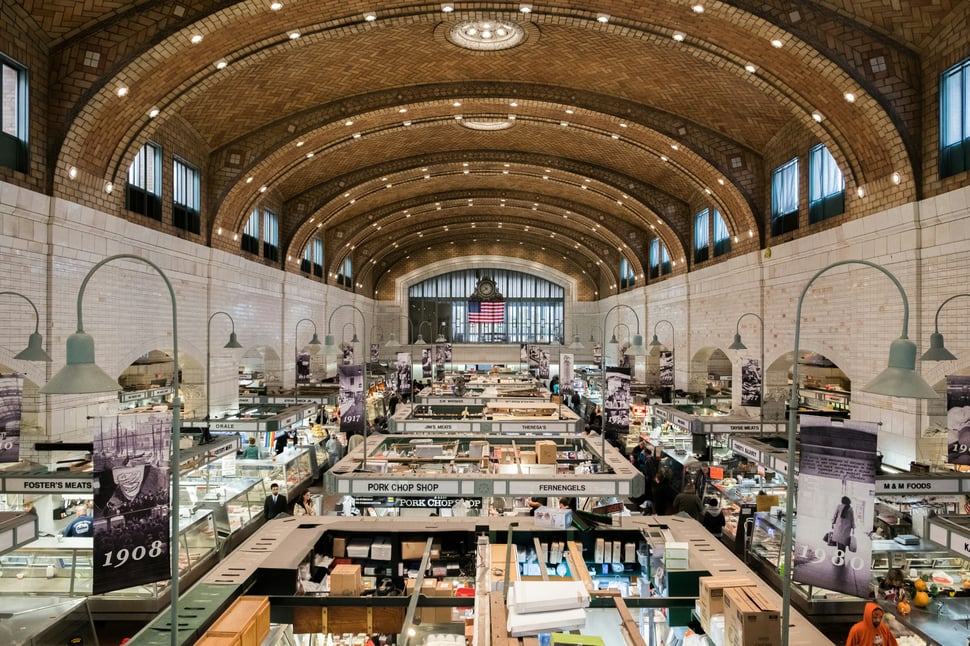
The rise of food hubs, markets and clustered dining environments further illustrates this shift. These spaces act as social and cultural anchors, bringing together diverse audiences while strengthening neighbourhood identity. They also serve as catalysts for regeneration, often generating early footfall in emerging districts before other elements are fully established.
From a planning perspective, local authorities are increasingly recognising the role of hospitality in shaping urban vitality. However, challenges remain. Fragmented ownership, planning constraints and licensing complexities can limit the ability to fully realise the potential of F&B led activation. Addressing these barriers requires coordinated approaches between developers and public sector stakeholders.
Design, Visibility and the Role of Hospitality in Mixed Use Developments
.avif)
Within mixed use developments, hospitality is often the most visible and publicly accessible component. Ground floor restaurants and cafés define the interface between buildings and the city, shaping first impressions and influencing how people engage with a place.
Designing these spaces around human experience is therefore essential. Active frontages and integration with the public realm all contribute to environments that feel welcoming and dynamic.
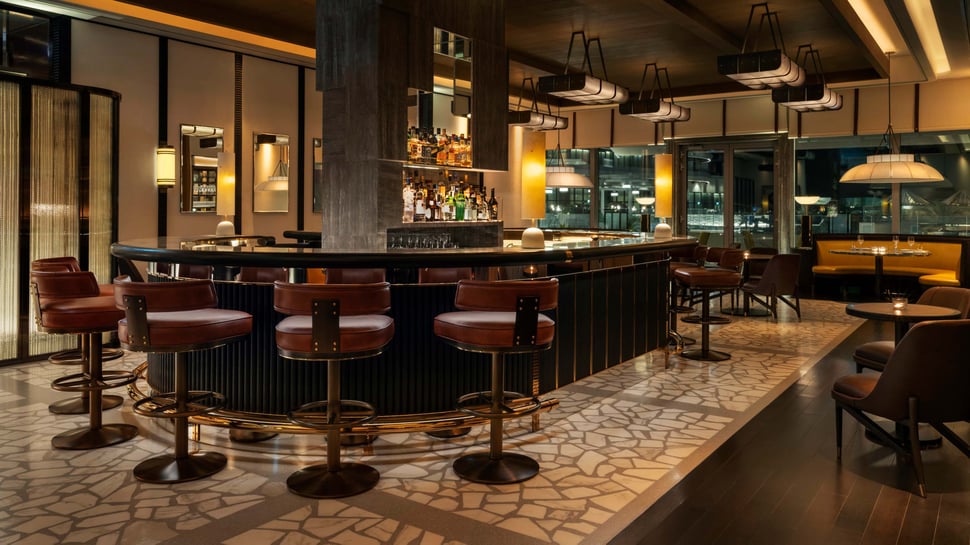
Hotels provide a particularly clear example of this principle. Increasingly, their restaurants and bars are designed as destinations in their own right, connecting the building to the wider neighbourhood. The Ned exemplifies this approach, where dining acts as the primary draw and the most visible expression of the brand.
In such cases, hospitality becomes the public face of a development, shaping perception, driving visitation and reinforcing identity at both a building and district scale.
Building for the Long Term
While destination dining can create significant value, its success depends on long term thinking. Consumer preferences evolve and hospitality concepts must adapt accordingly. This makes flexibility a critical consideration in both design and leasing strategies.
Adaptable spaces, capable of accommodating different operators, formats and dayparts, allow developments to evolve over time. This aligns with the growing emphasis on multi use environments, where spaces transition from cafés and workspaces during the day to social venues in the evening.
Equally important is collaboration. Successful hospitality environments emerge when developers, operators, designers and policymakers work together from the outset. These partnerships help align commercial objectives with community needs, ensuring that developments remain both viable and relevant.
There is also an inherent element of risk. The most successful destinations are often those that prioritise distinctiveness over standardisation, curating unique concepts that create emotional connection and long term loyalty. Creating a compelling vision, something people can connect with and return to, is often the first step in delivering lasting value.
Conclusion
Destination dining can be a central strategy for shaping how developments perform, how they are perceived and how they endure over time.
By driving footfall, extending dwell time and creating strong identities, well curated F&B environments enhance both commercial outcomes and brand equity. At the same time, they contribute to the social and cultural life of cities, functioning as spaces where people gather at a place.
Successful destination dining strategies are those that integrate hospitality with broader placemaking goals, respond to evolving consumer behaviour and reflect the character of their surrounding communities.
As cities continue to evolve, developments that embrace this approach, treating food and beverage as a strategic and integrated layer of the built environment, will be best positioned to create vibrant, resilient and enduring urban destinations.
