-1.png?width=3330&height=698&name=TGP%20International%20Logo%20White%20(1)-1.png "TGP International logo")
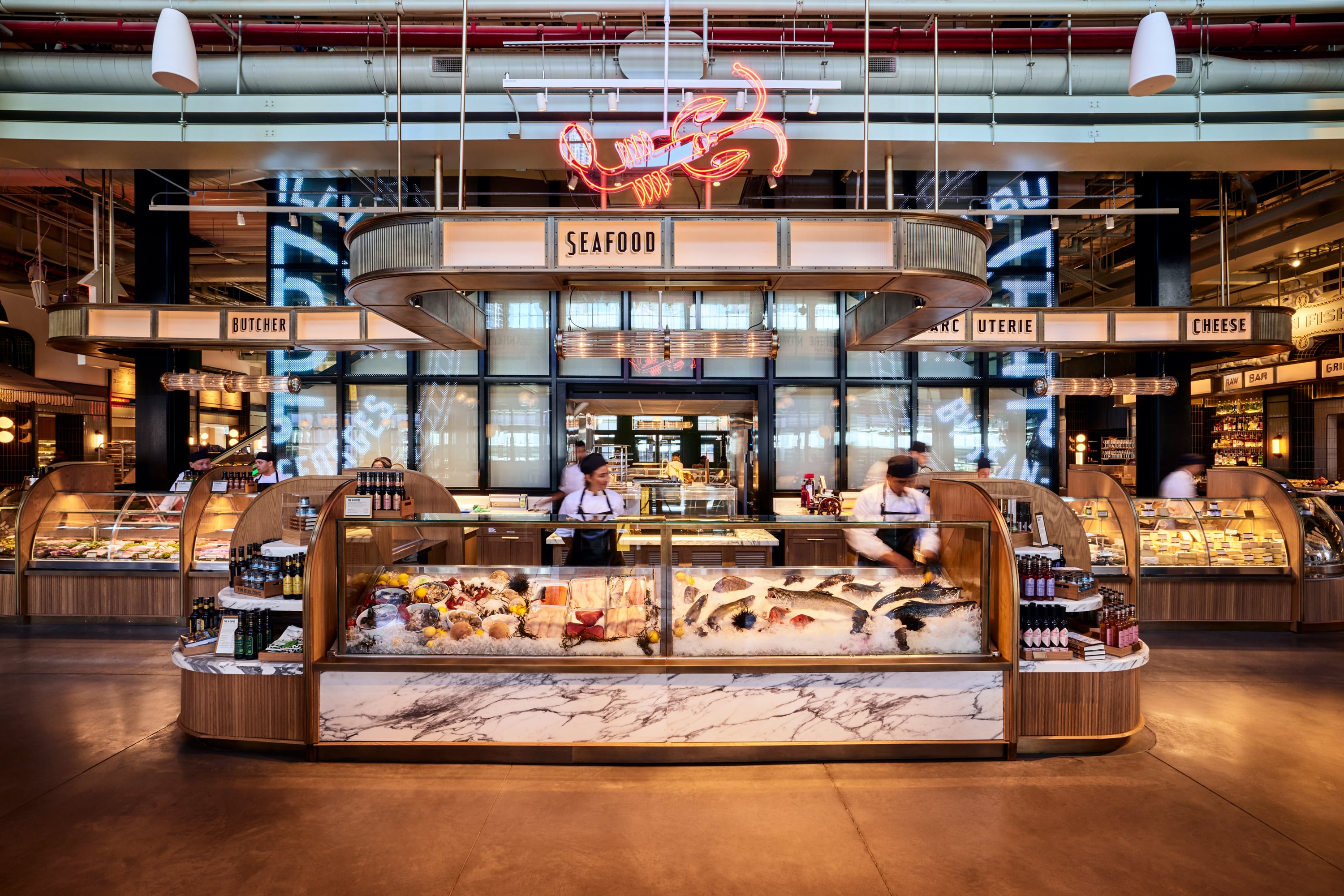
Food halls have become one of the most popular concepts in urban environments, offering a dynamic mix of food vendors, social dining and community driven experiences. When executed well they can become vibrant destinations that attract consistent footfall and support emerging food brands. However, not every food hall succeeds.
Many developments underestimate the complexity of operating a shared dining environment. From poor tenant mix and weak branding to unrealistic financial models and operational challenges, a range of factors can impact long term performance. Without a clear concept and strategic planning even well designed spaces can struggle to maintain momentum after the initial launch. Understanding these challenges is essential for creating food hall concepts that are commercially sustainable, operationally efficient and appealing to today’s diners.
1. What are the most common reasons food halls fail?
Food halls most often fail when they lack a clear positioning and operating model. A collection of vendors alone is not enough, without a defined identity, target audience and reason to visit, the venue quickly feels generic and struggles to build repeat trade.
Tenant mix is another critical factor. Overlapping concepts, weak operators or vendors unable to handle volume can lead to poor customer experience and underperformance. This is often compounded by unrealistic financial models, where rents and cost structures are not aligned with achievable sales, putting pressure on vendors from day one.
Operational execution is equally important. Inconsistent standards, slow service, poor shared facilities or lack of central coordination can quickly erode the experience. High vendor turnover is typically a symptom of these underlying issues, creating instability and reducing customer confidence over time.
A further consideration is how well the concept is adapted to its local context. Even strong formats need to reflect local preferences, behaviours and demand patterns to remain relevant.
Consult Our Advisory Team To Accelerate Your Brand
2. Does location play a role in food hall success or failure?
Location is critical, but success depends on the quality and consistency of footfall, not just volume. The strongest food halls sit within mixed-use environments where offices, residential, retail and leisure create demand across the full day and week, rather than relying on a single audience or peak period.
Parking also plays an important role, particularly outside city centres. Convenient, well-managed parking supports higher frequency, longer dwell times and group visits, while friction in access can quickly limit repeat trade.
Ultimately, location sets the baseline, but performance comes down to how well the concept, pricing and programming are aligned to the realities of that catchment.
3. How does the tenant mix affect the performance of a food hall?

Tenant mix is one of the strongest drivers of both footfall and repeat visitation. A poorly planned mix, where cuisines, formats or price points overlap too heavily, quickly reduces dwell time and limits the sense of discovery that food halls rely on.
Strong food halls curate across multiple dimensions, not just cuisine but daypart relevance, speed of service, price positioning and brand appeal. The aim is to create a complementary ecosystem where vendors don’t compete directly but instead drive cross-purchase and group decision-making.
A balanced mix typically combines established operators that bring reliability and volume with emerging concepts that add originality and energy. Equally important is operational capability, vendors must be able to handle peak demand, maintain consistency and deliver at speed.
Ultimately, the best-performing food halls treat tenant mix as an actively managed portfolio, refining the line-up over time based on performance, customer data and evolving demand.
4. Why is concept and branding important for food halls?
Concept and branding go beyond visual identity, they define how the entire food hall is curated, experienced and understood by its audience. The most successful food halls start with a clear narrative and positioning, which then informs every decision, from tenant selection and zoning to pricing and programming.
Brand curation is central to this. Rather than assembling a random collection of operators, strong food halls build a deliberate mix of brands that align with the overall concept while each bringing a distinct offer. This creates cohesion without repetition, ensuring the venue feels considered and complete rather than fragmented.
Without this level of curation, food halls can quickly resemble upgraded food courts, lacking a sense of identity or destination appeal.
A well-defined brand also shapes perception beyond the physical space. It influences how the venue is positioned in the market, how it attracts operators and partners and how it drives ongoing engagement through marketing and programming.
Explore Operational Strategy For Your Projects
5. Can poor design and layout contribute to failure?
Yes, design and layout have a direct impact on both customer experience and operational efficiency. Food halls must handle high volumes while maintaining comfort, clarity and flow, if this balance is off, friction builds quickly.
Common issues include bottlenecks at key touchpoints, unclear circulation, poor visibility of vendors and insufficient or poorly distributed seating. These can lead to long queues, reduced dwell time and missed sales as customers default to the most visible or convenient options.
From an operational perspective, back-of-house planning is just as critical. Inadequate kitchen space, poor logistics routes or shared infrastructure constraints can limit vendor performance and slow service during peak periods.
Successful food halls are designed around movement and behaviour, with clear sightlines, intuitive zoning, balanced seating strategies and efficient service flows. When done well, design not only improves the guest experience but also maximises throughput and overall revenue.
6. What operational challenges do food halls face?
Operational complexity is often underestimated in food hall projects. Unlike a single restaurant, food halls bring together multiple independent vendors within a shared environment, requiring strong central management and clearly defined systems.
Common challenges include inconsistent opening hours, varying service standards and poor coordination between vendors and management. These issues can quickly impact the guest experience, creating confusion and reducing overall satisfaction.
There is also a need for robust shared systems, from cleaning and waste management to queue handling, payment integration and customer service protocols. Without these in place, the venue can feel disjointed and difficult to navigate.
Successful food halls operate more like managed ecosystems than traditional leased spaces, with clear governance, ongoing performance oversight and structured communication to ensure consistency across all vendors.
7. What is the best financial and operating model for a food hall?
The most effective models balance commercial viability with flexibility, recognising that food halls operate as evolving, multi-operator ecosystems rather than static leased spaces.
Flexibility is key. Modular unit design, shorter-term agreements and phased onboarding allow operators to test and refine concepts, while giving landlords the ability to actively curate and optimise the mix over time. This reduces the risk of long-term underperformance and keeps the offer dynamic.
Operationally, strong central management is essential. This includes clear governance, shared standards, integrated systems and ongoing performance monitoring to ensure consistency across vendors. Food halls that operate as managed platforms, rather than passive leasing environments, are typically more resilient.
Ultimately, the best models are those that allow for continuous evolution, aligning financial structures, physical design and operational strategy to support both vendor success and long-term asset performance.
8. What kind of marketing works best for food halls?

The most effective food hall marketing is coordinated, experience-led and built around a shared calendar rather than isolated activity. While individual vendors may run their own campaigns, the strongest results come when these are aligned under a central strategy that creates scale, consistency and momentum.
Programming remains a key driver, but its impact is amplified when vendors collaborate. Seasonal campaigns, themed events, chef takeovers and limited-time offers work best when multiple operators participate, creating a unified reason to visit rather than fragmented messaging.
This requires clear structure and communication. Central teams should lead an overarching marketing calendar, with vendors contributing ideas and aligning promotions to ensure synergy across the space. When done well, this creates a multiplier effect, where each activation benefits from the collective reach and energy of the full tenant mix.
Content should reflect this ecosystem approach, showcasing not just individual brands but the combined experience, variety and atmosphere of the hall. Vendor-led amplification across channels further extends reach and reinforces consistency.
Ultimately, the most successful food halls operate as collaborative platforms, where landlords, operators and brands work in sync to deliver a steady cadence of engaging, high-impact activity that drives both footfall and repeat visitation.
Learn About Our Management Services
10. How do food halls build community and drive repeat visits?
Community is a key driver of long-term performance in food halls. The most successful venues move beyond being purely transactional and position themselves as social hubs that people return to regularly, not just for food, but for experience and connection.
This is built through consistent, locally relevant programming. Events, workshops, markets and cultural activations help embed the food hall within its catchment and create a sense of ownership among regular guests.
Loyalty also plays an important role. Simple, well-structured loyalty mechanics, whether through app-based rewards, vendor participation or spend-based incentives, can encourage frequency while supporting all operators within the hall. These work best when applied across the full venue rather than at an individual vendor level, reinforcing the food hall as a single ecosystem.
Equally important is familiarity and routine. When customers recognise vendors, staff and programming, the space begins to feel personal and habitual rather than occasional.
11. Can food halls recover after they begin to struggle?
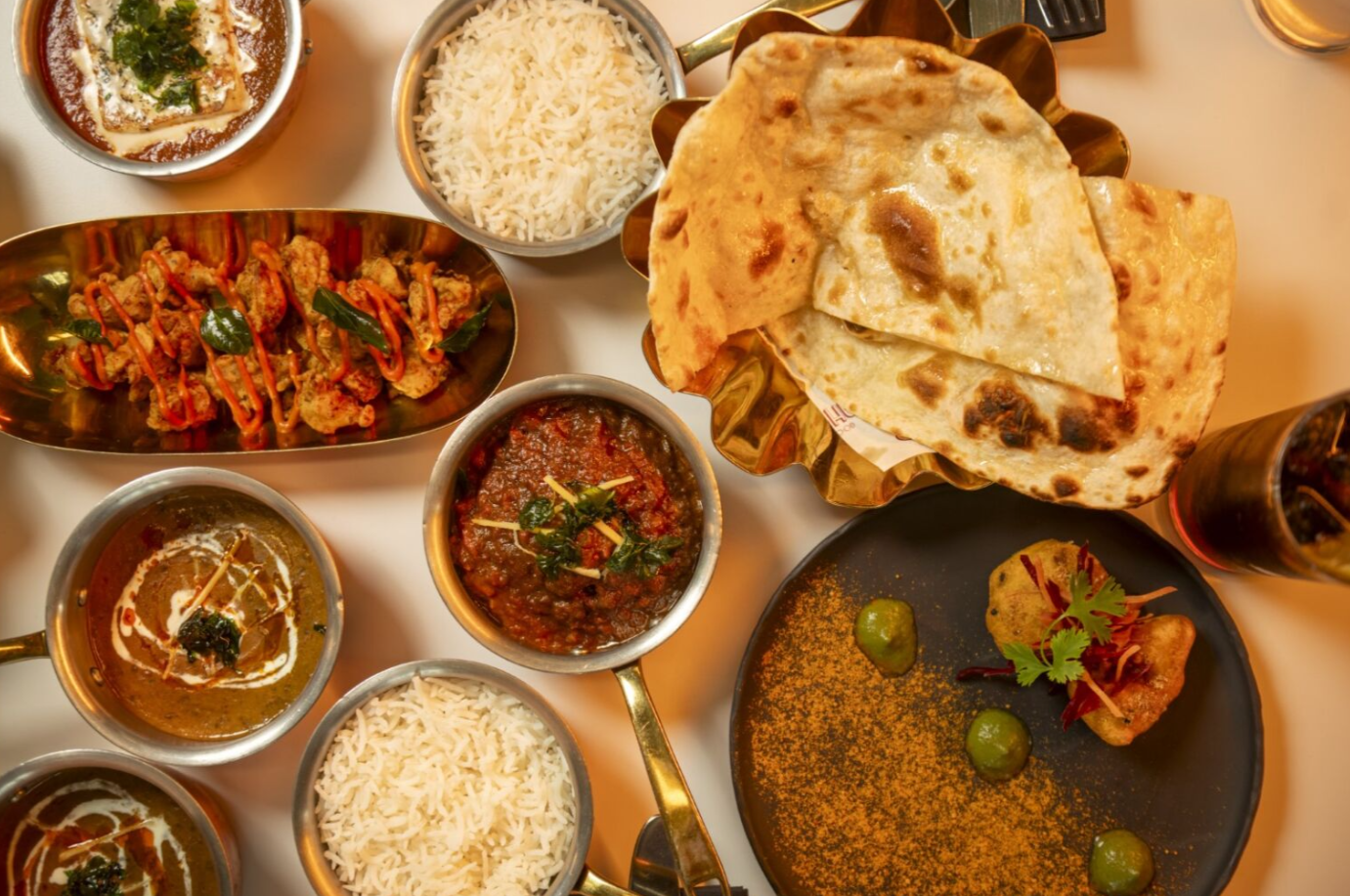
In some cases food halls can recover through strategic repositioning. This might involve refreshing the brand identity, introducing new vendors or rethinking the programming and events strategy.
However recovery usually requires strong leadership and a willingness to reassess the original concept. Food halls that succeed after a relaunch often do so because they redefine their purpose and create a clearer value proposition for their audience.
Recovery is possible, but it requires clear leadership, honest diagnosis and a structured plan rather than reactive changes.
The first step is identifying the root causes of underperformance, whether that sits in positioning, tenant mix, pricing, operations or demand. In many cases, issues are interconnected, so taking a holistic view is critical. Importantly, a clear overall strategy should be defined before any further investment is made. Performance improvements can often be achieved by strengthening the fundamentals, rather than relying on costly interventions such as introducing high-profile brands.
Re-curation is typically one of the most effective levers. Replacing underperforming vendors, refining the mix across cuisines and price points and introducing concepts that better reflect local demand can quickly shift both perception and performance.
Programming and marketing should also be reset with a coordinated calendar of events, collaborations and campaigns. When vendors align under a shared approach, this can help rebuild momentum and re-engage the audience.
Operational improvements are equally important. Consistent opening hours, improved service flow and stronger central management can have an immediate impact on customer experience and spend.
In some cases, a broader repositioning may be required, refining the brand, audience and overall offer to create a clearer and more compelling reason to visit.
