-1.png?width=3330&height=698&name=TGP%20International%20Logo%20White%20(1)-1.png "TGP International logo")
-1.webp)
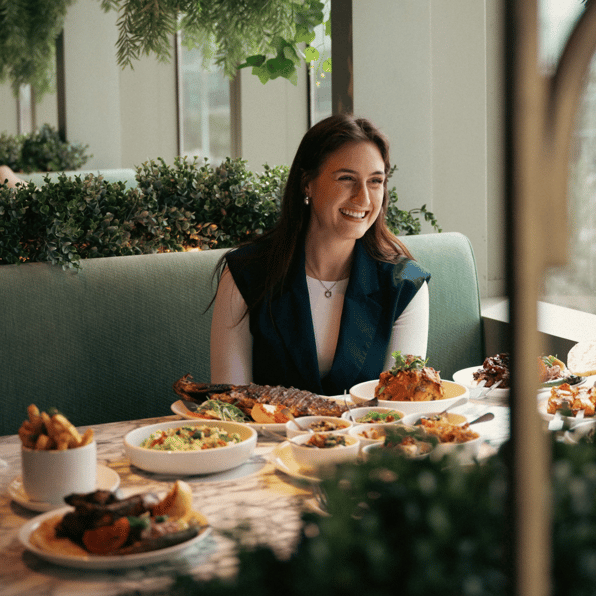
Amid ongoing regional tensions, Saudi Arabia’s hospitality and F&B sector has not slowed. Instead, we are seeing operators adopt a more measured and deliberate approach to growth. Activity continues, but with greater awareness around positioning, capital deployment and long-term viability.
Consumers remain highly engaged, continuing to go out, travel and explore new concepts, but expectations have shifted. Diners are becoming more selective, placing greater emphasis on relevance, quality and overall experience. In this environment, weaker propositions are being exposed more quickly. Concepts built on short-term hype are finding it harder to sustain momentum, while those underpinned by strong operations and a clearly defined identity are proving more resilient.
We are seeing that resilience, increasingly, is linked to structure. Businesses that are performing well are not necessarily the fastest to scale, but those built on operational discipline, clarity of concept and a well-defined point of view. Growth remains clearly visible, particularly through the continued progression of giga-projects across the Kingdom, but it is becoming more considered, with a stronger emphasis on long-term delivery, phasing and overall asset performance rather than rapid expansion alone.
At the same time, growth is being shaped by a more complex economic reality. Rising rents in prime locations, high fit-out costs, labour pressures and supply chain volatility are placing greater focus on unit economics and long-term profitability. For many operators, the challenge is not demand, but ensuring concepts remain commercially resilient as operating costs continue to rise.
This is particularly relevant for experience-led concepts, where elevated design, programming and service expectations can strengthen differentiation, while also increasing cost pressures. Delivery platforms are adding further complexity, with commission structures continuing to affect margins across parts of the market.
Also, major national initiatives continue to shape the trajectory of the sector. Expo 2030 Riyadh is still expected to act as a significant catalyst, accelerating investment, attracting global attention and raising expectations around quality and experience.
Similar to what was seen in the UAE following the delivery of Expo 2020 Dubai, its impact will extend beyond the event itself during its legacy phase, driving further development across key cities and reinforcing the shift toward more refined, experience-led hospitality environments.
Explore Operational Strategy For Your Projects
The Growth of Food Hubs and Social Dining
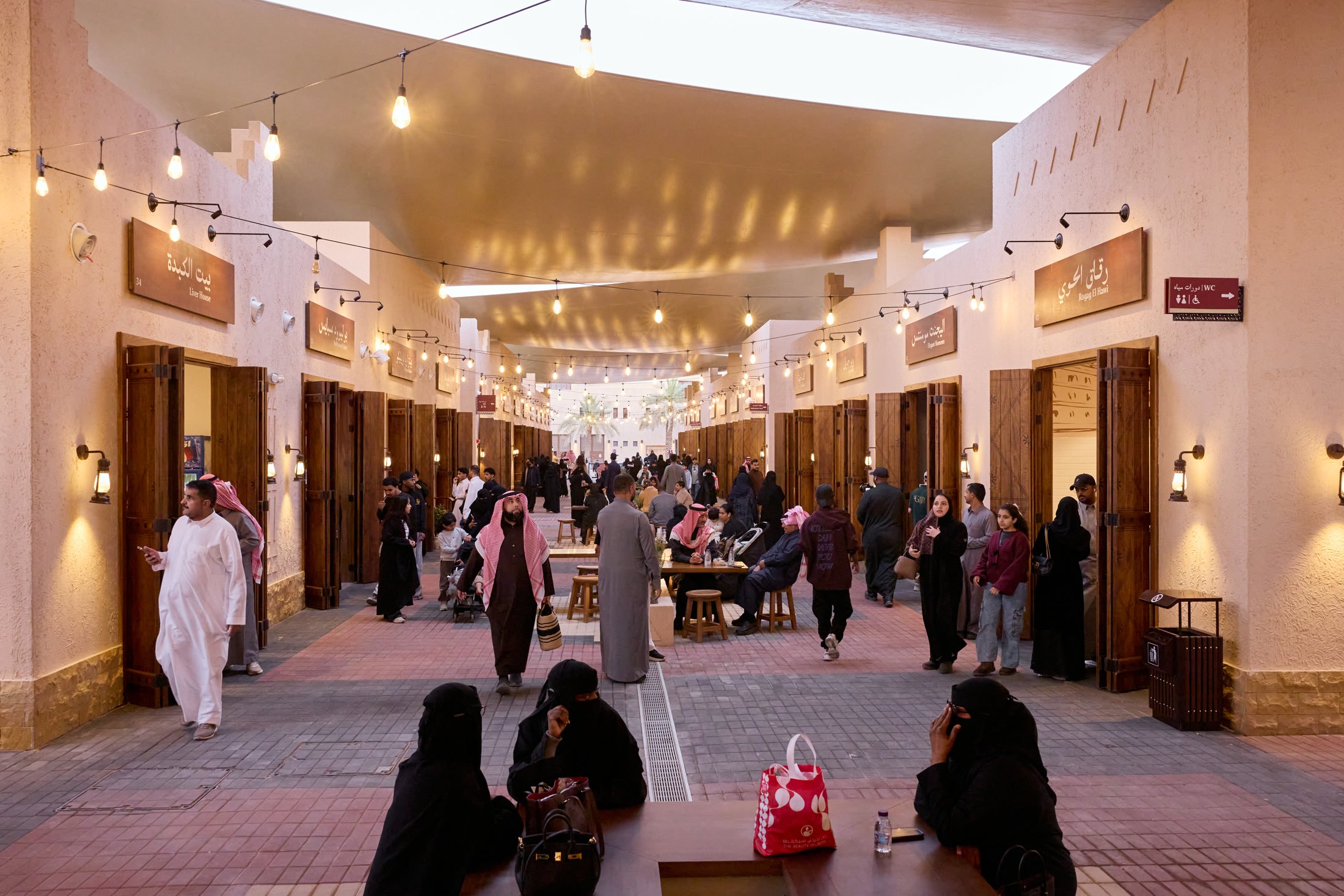
We are seeing a clear shift toward more localised, community-driven demand, with consumers placing greater value on experiences that feel accessible, social and embedded within their day-to-day lives.
Saudi Arabia’s strong domestic tourism base continues to underpin this shift. The Kingdom recorded more than 79 million domestic tourists alongside over 27 million international visitors in 2023, with combined spending of around $68 billion. Leisure travel, in particular, is becoming a more consistent driver of demand, reflecting a broader move toward lifestyle-led engagement with hospitality and F&B.
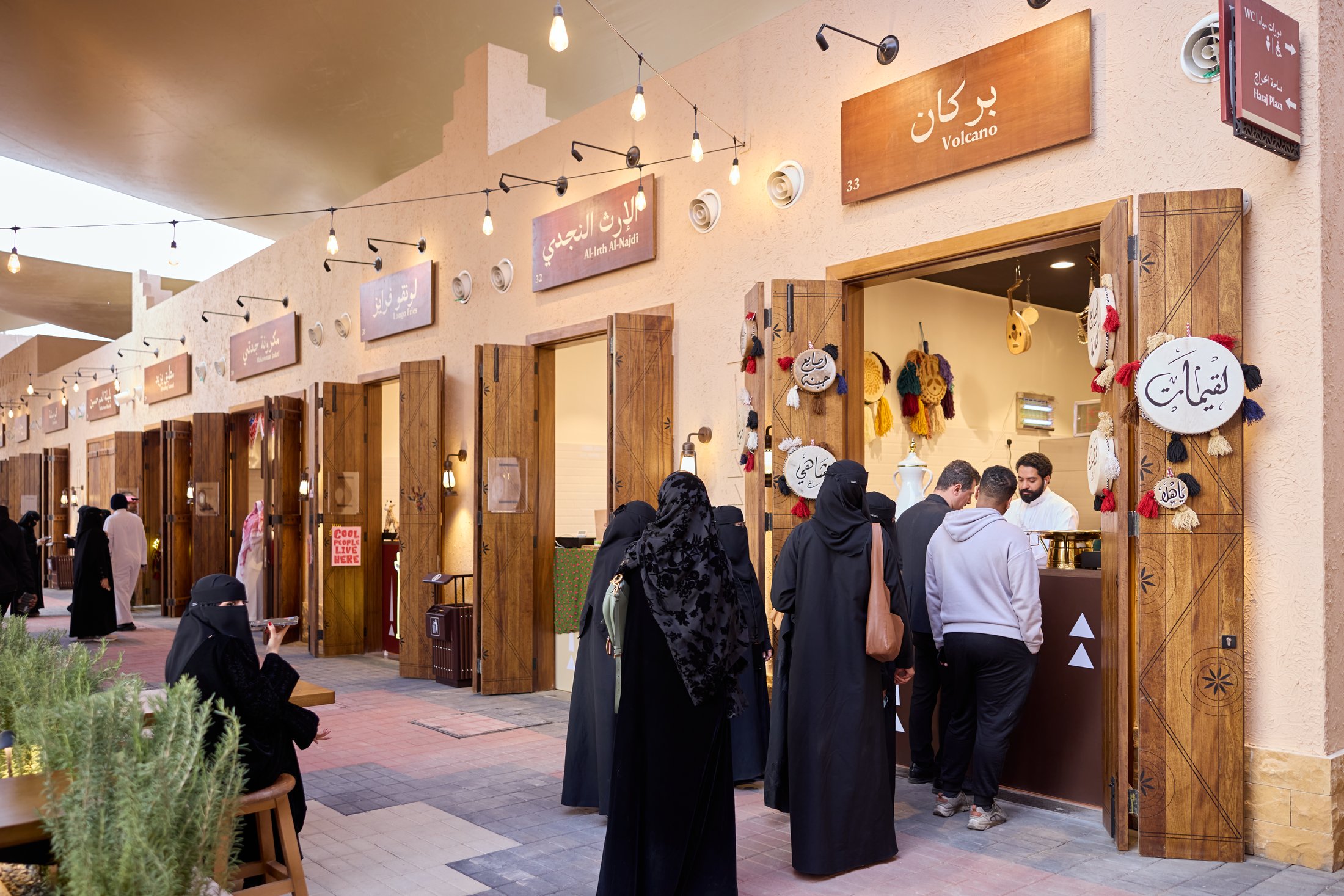
Within this context, food hubs including food halls, curated markets and large-scale festival formats are gaining significant traction. We've seen that developments such as Al Mamlaka Social Dining and activations like the Saudi Food Festival signal a growing appetite for social, experience-led environments that bring together a diverse mix of brands, cuisines and price points within a single destination.
More importantly, these formats are being adopted as part of wider development strategies rather than standalone concepts. They play a critical role in activating districts, increasing dwell time and creating repeat visitation, while also providing a lower-barrier entry point for emerging operators to test, refine and scale within a live trading environment.
In this sense, food hubs are not simply a trend, but an evolving infrastructure within the market, shaping how consumers engage with F&B and how developers curate and future-proof their assets.
At the same time, growth in some segments is bringing questions around saturation and internal competition into sharper focus. Premium casual dining and coffee, in particular, are seeing increasing density in some locations, raising the importance of stronger curation and clearer positioning.
This is especially relevant within mixed-use developments, where an increased concentration of F&B can create value, but without curation discipline can also lead to cannibalisation between concepts. In this context, differentiation becomes critical, particularly as more copy-paste propositions enter the market with limited distinction in offer or experience.
Tourism Growth and Changing Spending Patterns
Saudi Arabia’s tourism story is often framed through scale, but its more meaningful impact lies in how it is reshaping demand patterns across the Kingdom.
Religious tourism remains central to this dynamic. With around 42% of international visitors travelling for religious purposes, Makkah and Madinah continue to anchor travel flows, bringing millions of visitors into the country each year.
What is evolving, however, is how that movement translates into broader engagement with hospitality. Travel is no longer confined to pilgrimage alone. As visitors move across cities and regions, there is a growing expectation to experience food as part of the journey, with demand extending beyond traditional formats toward local Saudi brands, regional cuisines and curated international concepts.
The Kingdom has, as a result, emerged as one of the fastest-growing tourism destinations globally, but importantly, this growth is becoming more distributed. While Makkah remains the primary anchor, cities such as Riyadh and Jeddah are continuing to strengthen their position as lifestyle and dining hubs, while destinations like AlUla are attracting visitors through a combination of heritage, culture and experience-led tourism.
This is contributing to a more layered hospitality landscape, where F&B is no longer a secondary component of travel, but an increasingly important driver of it.
Gastronomy as a Driver of Destination Value
Saudi Arabia’s evolving food culture is playing a growing role in shaping destination appeal.
Dining is becoming central to how places are experienced and remembered. From high-profile restaurants in Riyadh to heritage-led culinary experiences in AlUla, the Kingdom is positioning itself as a market where food reflects both identity and innovation.
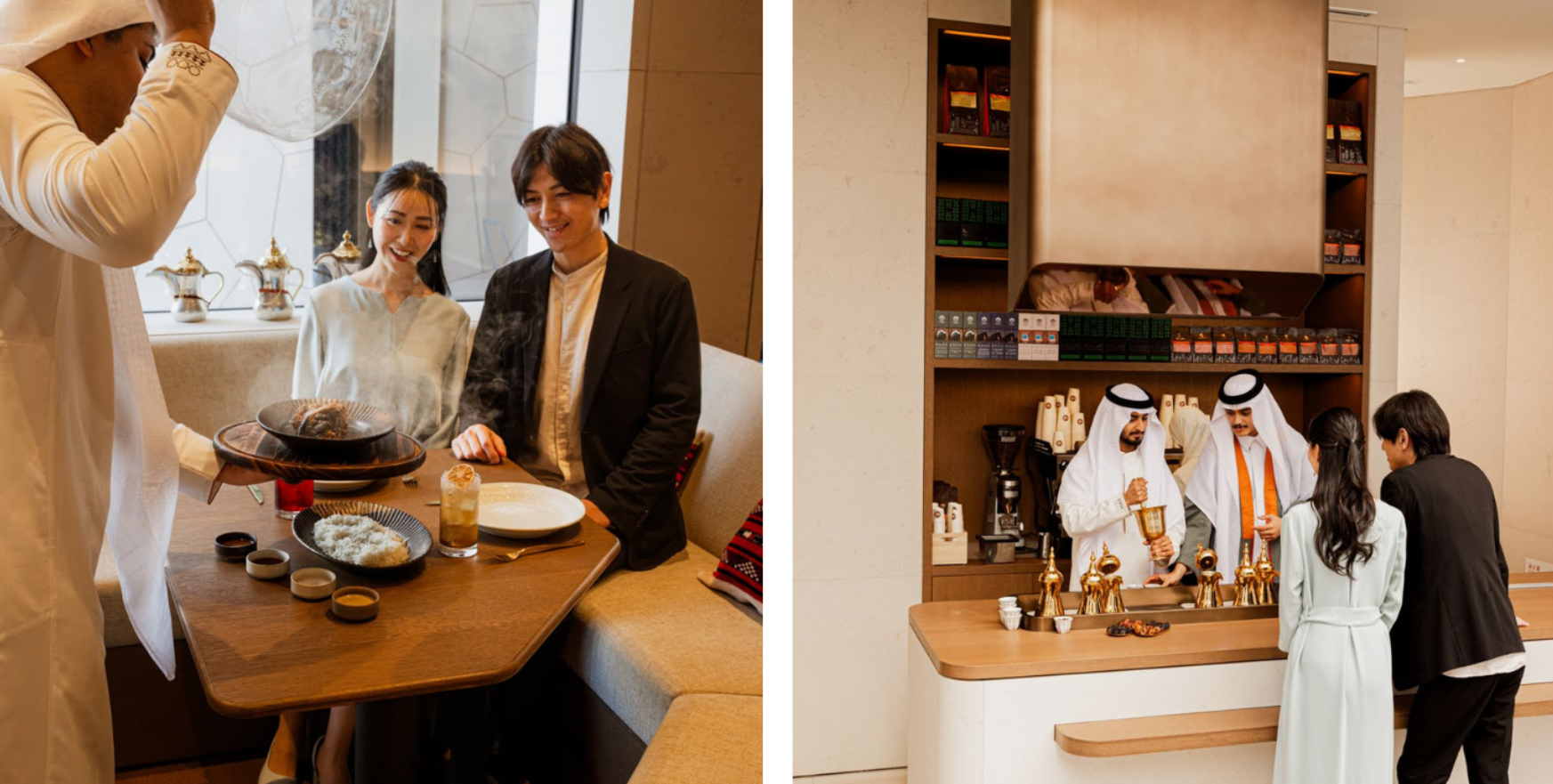
This is also reflected in the growing international interest in Saudi cuisine. Through our work with Irth at Expo 2025 Osaka, we have seen how Saudi culinary identity is being presented on a global stage, attracting new audiences and reinforcing its relevance beyond the region.
At a local level, there is a clear preference for homegrown brands. Consumers are increasingly engaging with concepts that feel rooted in culture, offering familiar flavours in more refined and contemporary formats. Programmes such as Saudi Taste Makers are supporting this shift, giving emerging brands a platform to test, evolve and build stronger connections with their audience.
For operators and developers, this marks a shift in expectations. Concepts need to offer more than a menu. They must present a clear point of view, where storytelling, design and experience come together. Gastronomy is increasingly a tool for differentiation.
Wellness as a Lifestyle, Not a Trend
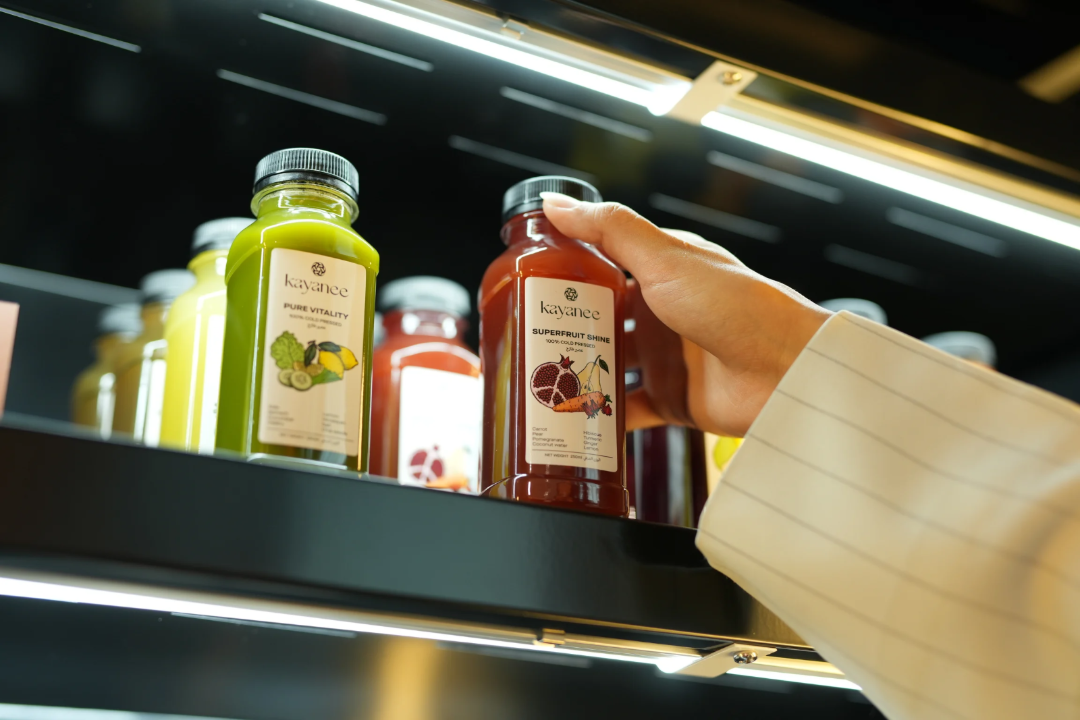
Wellness is becoming more deeply embedded within hospitality in Saudi Arabia, reflecting a broader shift in how guests engage with travel and dining experiences.
Globally, the wellness economy continues to expand, and in Saudi Arabia this aligns closely with Vision 2030 ambitions around quality of life and the attraction of higher-value, experience-led tourism.
What is particularly notable, however, is the scale at which this is being implemented. A growing number of existing hotels are in the process of repositioning their overall offer, including their F&B assets, to better align with evolving wellness expectations. At the same time, a new wave of developments is being designed with wellness integrated from the outset, rather than retrofitted. This is creating a level of investment, resource and focus that is accelerating the pace at which wellness is being embedded across the market.
This is also evident in how wellness is being interpreted. It is no longer confined to destination spas or retreat-style concepts, but is increasingly being integrated into everyday hospitality environments, from menu development to spatial design and overall guest experience.
Across the hotel landscape, this is translating into more holistic repositioning strategies. Operators are extending beyond traditional wellness amenities to include F&B, with menus evolving toward lighter, more functional and ingredient-led dishes, and dining environments designed to feel more balanced, social and considered in their overall experience.
At a macro level, large-scale developments such as AMAALA and the Red Sea are reinforcing this direction, positioning Saudi Arabia as a market capable of delivering high-end, integrated wellness destinations at scale.
Explore Our Wellness Consulting Services
Infrastructure and Long-Term Planning
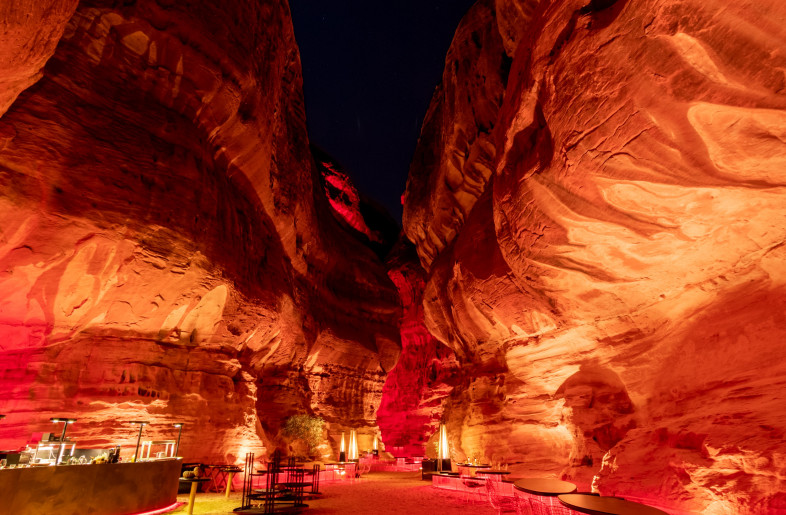
Saudi Arabia’s hospitality growth is being underpinned by significant investment in infrastructure, accessibility and large-scale destination development. Major projects such as Diriyah, AlUla, the Red Sea, NEOM and Qiddiya are reshaping the country’s tourism landscape, creating a more structured and coordinated environment for hospitality and F&B to develop within.
Alongside this, strong domestic demand and the continued importance of religious tourism are providing a stable foundation for growth. The result is a market that is becoming more balanced, where expansion is supported by underlying demand rather than driven by it alone.
As a result, the sector is entering a more deliberate phase of development. Success is increasingly defined by how well concepts are structured, positioned and sustained over time, rather than the speed at which they are launched. There is a growing emphasis on operational strength, clarity of concept and long-term value creation.
That emphasis also brings greater attention to operational capability. As the market scales, talent and execution are becoming more material considerations. A shortage of skilled middle management, continued reliance on imported talent in some areas, and inconsistent service standards across concepts are all creating pressure points within the operating model.
For many businesses, the challenge is not defining the concept but sustaining consistency as they grow. In practice, weak SOP implementation and execution gaps can undermine otherwise strong propositions. In this sense, operational discipline is not only about process, but about whether the talent pipeline is developing at a pace that can support the scale of market growth.
Looking ahead, this shift is unlikely to happen in isolation. Regional pressures and broader uncertainty are prompting both developers and operators to place greater focus on resilience, prioritising strategies that can adapt over time rather than relying on short-term momentum.
At the same time, the Kingdom remains well positioned to sustain strong performance. Domestic demand is expected to continue acting as a key stabilising force, supported by ongoing development and a clearly defined long-term vision under Vision 2030.
This points toward a market that is not only expanding but maturing. Concepts grounded in strong fundamentals, clear positioning, commercial resilience and operational discipline will be better placed to navigate change and capture long-term opportunity.
.png?width=596&name=image%20(1).png)