-1.png?width=3330&height=698&name=TGP%20International%20Logo%20White%20(1)-1.png "TGP International logo")
By Loui Blake, Founder of Long Lane and PXB
Over the past decade, a new understanding of wellness has emerged. Far beyond dietary trends or spa experiences, its principles are now being applied in more holistic ways and with greater integration across areas once considered separate.
There is growing alignment among public-health thinkers, researchers, urbanists and hospitality leaders that the environments we design, both physical and social, play a decisive role in how long and how well we live.
Rather than focusing narrowly on treatment, optimisation or anti-aging, many leading voices now speak in terms of health span. They explore how daily rituals, food culture, community, mobility, light, stress, economic conditions and social belonging quietly shape our physical and emotional resilience over time.
In this sense, health and wellness become less about individual willpower and actions and more about the systems that surround and influence us.
Within this context, the idea of longevity architecture provides a valuable lens. It helps describe and connect many of the most significant developments currently unfolding across design, hospitality, urban life and culture.
WHAT IS LONGEVITY ARCHITECTURE?
Longevity architecture is a holistic framework for shaping environments, systems and experiences that support long-term health, wellbeing and quality of life. It connects design, food, nature, movement and community to shape environments where wellbeing becomes part of the way we live,
In practice, it looks beyond quick wellness fixes and focuses on shaping conditions that support the body and mind over time, in ways that align with our natural rhythms and feel sustainable to maintain.
WHY LONGEVITY ARCHITECTURE MATTERS TODAY?
-2.png?width=996&height=560&name=Untitled%20(800%20x%201000%20px)-2.png)
Longevity architecture, alongside related wellness and health trends, is emerging at a time when wellbeing is no longer a niche interest. It is increasingly understood as a cultural, economic and social priority.
Rising lifestyle-related illness, growing rates of burnout, shifts in diet and movement and widespread concerns about loneliness have shown how strongly our surroundings influence our health.
At the same time, the wellness industry has matured. Many people are moving past the idea of occasional retreats, restrictive diets or products that promise transformation. They are looking instead for environments that make healthier living feel intuitive, enjoyable and integrated with everyday life.
This is where longevity architecture becomes relevant. It positions health as something that can be shaped by design, operations, culture and behaviour across an entire ecosystem. It asks how food, space, hospitality, community and daily rituals can work together to create conditions that quietly support resilience.
The approach also reflects a wider change in thinking. Public health is increasingly focused on prevention. Urban planning is increasingly concerned with walkability, nature and social connection. Hospitality is moving toward experiences that feel restorative as well as immersive and experiential. Brands are expected to act with integrity and purpose.
Seen through this lens, longevity architecture is a way of aligning different disciplines around a shared question. How do we build places, services and experiences that help people live well for longer, and feel more connected to themselves and to others in the process?
THE LONG LANE PROJECT

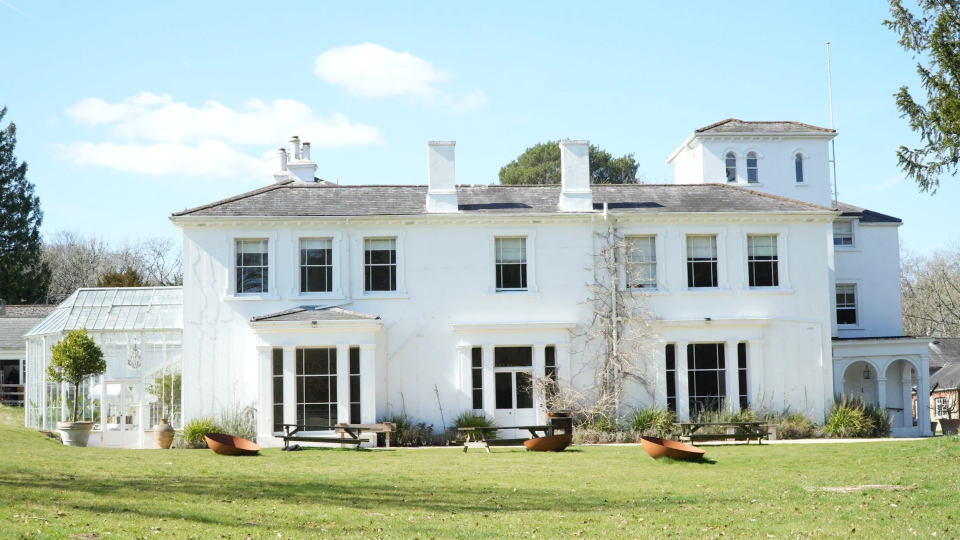
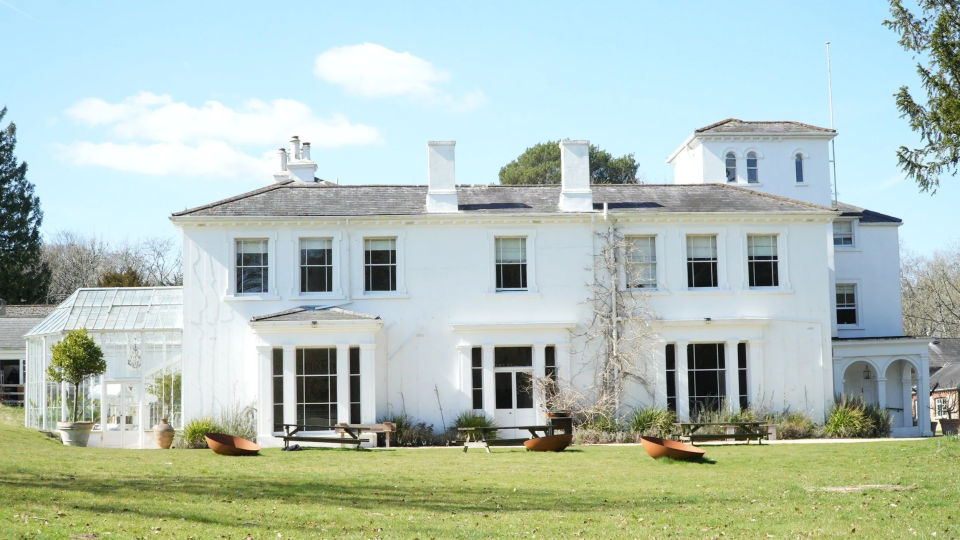
For me, Long Lane sits firmly within this conversation and, hopefully, contributes meaningfully to the way others understand wellness and longevity. Set across 55 acres in the English countryside, it is intended as a place of calm and renewal, where people feel supported by nature, by community and by thoughtful design.
Working with partners such as TGP International, we set out to bring the best thinking in this space into a lived experience of longevity, connection and wellbeing.
Set to open this year, Long Lane is not simply a hotel or a members’ club with wellness facilities. Instead, the intention is to give guests access to a way of living that feels grounded, sustainable and human.
The heritage of the Grade II listed building, Dunford House, gives us depth and character, while our approach to health span looks to the future. Movement, recovery, time outdoors, mindful practices and meaningful social experiences all come together to help people slow down, feel present and restore balance.
Longevity architecture is not about creating perfect conditions or biohacking every moment of the day. It’s about designing spaces that reduce unnecessary stress, support natural rhythms and allow the body to recover.
In many ways, Long Lane is our attempt to show what longevity architecture can look like in real life. The aim is to host people and build a community, helping people feel clearer, more resilient and more connected, and allow that sense of wellbeing to grow naturally over time.
SPACE THROUGH THE LENSE OF LONGEVITY ARCHITECTURE
In some ways, it is useful to view the buildings we inhabit as extensions of the body and our nervous systems. Our bodies are constantly responding to signals around us such as light, darkness, temperature, air quality, sound and stillness.
When these signals are out of balance, the body holds tension. When they are aligned, the body naturally begins to regulate itself.
Many modern environments work against this. Bright artificial lighting, stale air, constant noise and synthetic finishes create a background stress load that most people hardly notice until they step somewhere that feels different.
For me, longevity architecture is about designing spaces that quietly remove friction and invite the body to soften and recover.
At Long Lane, this philosophy shapes the entire approach to space. Air, water, light, sound and temperature are treated as active design tools. Bedrooms are created as low-stimulation environments that support deep sleep. Communal areas feel social and energising, while recovery spaces are intentionally calming, helping the body shift out of stress and into repair.
Materials are chosen to be non-toxic, breathable and supportive of a healthy indoor environment. Lighting and soundscapes evolve gently through the day so the rhythm of the place follows the rhythm of nature.
The result is a setting where people do not have to force themselves to relax. The space already supports that process.
Longevity at Long Lane is intended to be something that guests can experience in the day to day, not just through individual and isolated moments. Movement spaces, recovery areas, gardens, trails and shared dining all form part of one ecosystem. Guests can engage lightly or deeply, depending on what they need at that time, but the continuity is always there.
Launching Long Lane – Why We’re Doing It and How It’s Going
KEY SYSTEMS AND DESIGN PRINCIPLES AT LONG LANE
Below is a high-level overview of the key systems and design principles that make up longevity architecture across the Long Lane estate.
These are designed as layers working together to support health at a foundational level.
-
Advanced Air Filtration Systems - High-grade air filtration creates clean breath zones throughout the buildings, supporting respiratory health, focus and circadian alignment.
-
Circadian-Aligned Lighting - Full-spectrum lighting is designed to mirror natural daylight patterns, supporting alertness during the day and melatonin release at night.
-
MOULD & MOISTURE MANAGEMENT - Careful humidity control and antimicrobial natural materials help prevent mould and support a healthy indoor environment.
- Water Filtration & Structuring - Filtered, remineralised and structured water supports hydration, cellular absorption and overall vitality throughout the estate.
- Contrast Therapy Spaces - Infrared heat and cold immersion areas encourage resilience through controlled stress and recovery cycles.
- Sleep Optimisation Technology - Eight Sleep mattresses in every room provide personalised thermal regulation and data-driven insights to support restorative sleep.
- Red & Near-Infrared Light Therapy - Photobiomodulation panels are integrated into bedrooms and recovery zones support cellular energy production and tissue repair.
- EMF Mitigation Infrastructure - Shielded cabling, grounding and low-EMF sleep zones reduce invisible neurological stressors and support deep rest.
- Acoustic Wellness & Sound scaping - Thoughtful acoustic design and adaptive sound environments promote relaxation across different spaces.
- PEMF Recovery Integration - Low-frequency electromagnetic therapy supports circulation, inflammation reduction and musculoskeletal recovery.
- Aromatherapy & Air Phytotherapy - Plant-based aromatic compounds are used as subtle neurochemical inputs to calm or energise the nervous system.
- Hyperbaric Oxygen Therapy - Advanced oxygen therapy within the longevity clinic supports cellular repair, cognitive function and deep systemic recovery.
Longevity architecture is still an emerging field, shaped through practice as much as theory. Long Lane offers one expression of how these ideas can become real, evolving through careful design, collaboration and lived experience.
As the project continues to grow, new layers, partnerships and programs will unfold, and we invite those who share this curiosity to be part of the community developing around it.