-1.png?width=3330&height=698&name=TGP%20International%20Logo%20White%20(1)-1.png "TGP International logo")
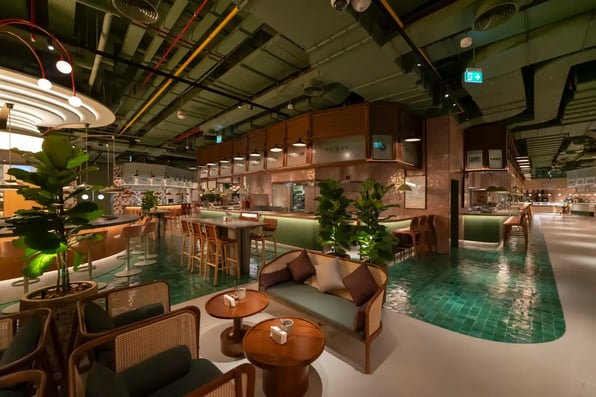
Understanding the different types of restaurant concepts and service methods is essential for hotel owners, restaurant operators, developers and investors looking to create successful food and beverage destinations. Whether the goal is to encourage longer guest stays, maximise table turnover or offer greater convenience, selecting the right model lays the foundation for long-term success.
At TGP International, we work with hospitality businesses around the world to develop restaurant concepts that combine commercial performance with memorable guest experiences. While terms such as fine dining, fast casual and buffet service are often grouped together, they actually describe different aspects of a restaurant operation.
This guide explains the differences between restaurant concept categories, service methods and operating formats.
Restaurant Concept Categories
Restaurant concept categories define the overall positioning of a venue, including the guest experience, menu, pricing and level of service.
FINE DINING
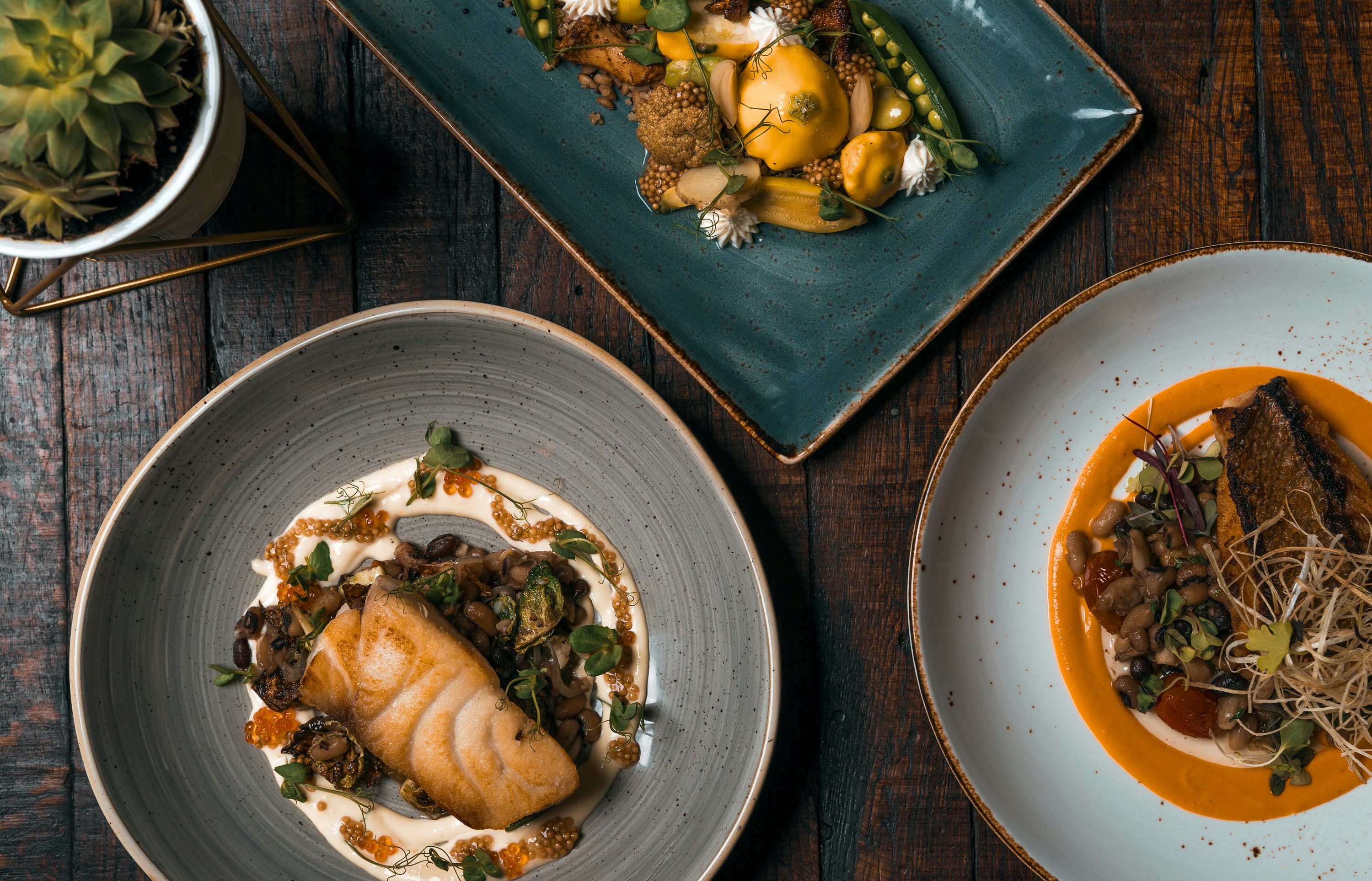 Fine dining represents the highest level of restaurant hospitality. Guests expect exceptional food, attentive service, elegant surroundings and carefully curated experiences from the moment they arrive until they leave.
Restaurants operating in this category typically feature refined menus, premium ingredients and highly trained front-of-house teams. Every detail, from table settings to wine service, contributes to creating a memorable occasion.
Fine dining remains an important part of luxury hotels and destination restaurants, particularly where guests are seeking exclusive culinary experiences or celebrating special occasions.
Casual Dining
Casual dining offers a more relaxed atmosphere while still providing full table service. It balances quality, comfort and value, making it one of the most common restaurant categories.
Guests are seated by staff, order from a varied menu and enjoy meals served directly to the table. The atmosphere is welcoming rather than formal, making casual dining suitable for families, business lunches and everyday meals.
For many hotels, casual dining restaurants provide flexibility throughout the day by serving breakfast, lunch and dinner while appealing to a broad range of guests.
Fast Casual
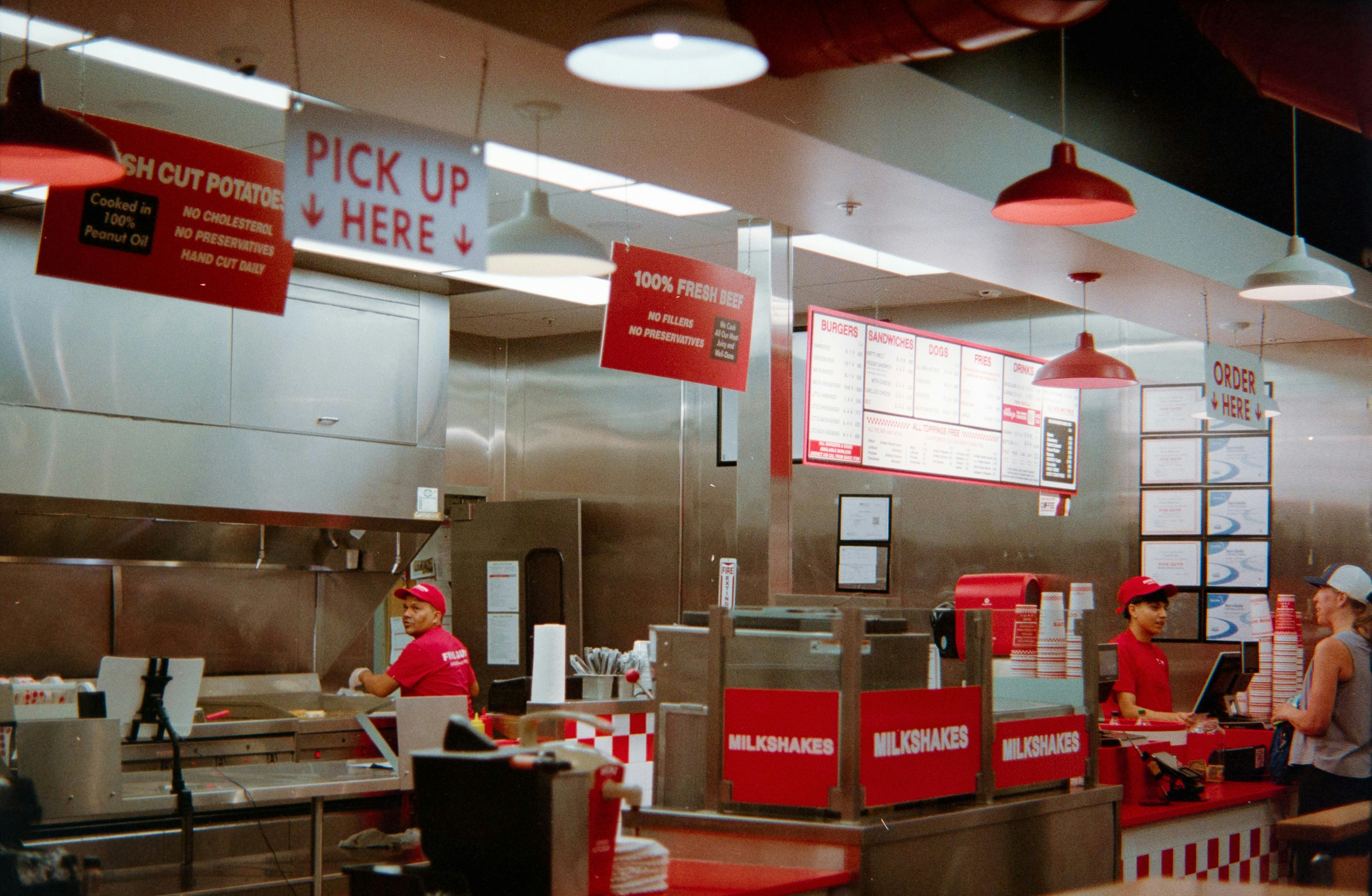 Fast casual combines the speed and convenience of quick service with higher-quality ingredients, contemporary design and freshly prepared food.
Guests usually order at a counter, digital kiosk or through a mobile app before collecting their food or having it brought to their table. Although table service is limited, the overall experience feels more premium than traditional fast food.
Fast casual concepts perform particularly well in city centres, business districts and mixed-use developments where customers want high-quality meals without the time commitment of a full-service restaurant.
Quick Service Restaurants (QSR)
Quick service restaurants, often referred to as QSRs, prioritise speed, consistency and affordability. Orders are typically placed at a counter, self-service kiosk or drive-through before food is prepared rapidly for dine-in, takeaway or delivery. QSRs rely on streamlined operations and standardised processes to serve large numbers of customers each day. They remain popular in transport hubs, shopping centres, airports and other high-footfall locations.
Cafés
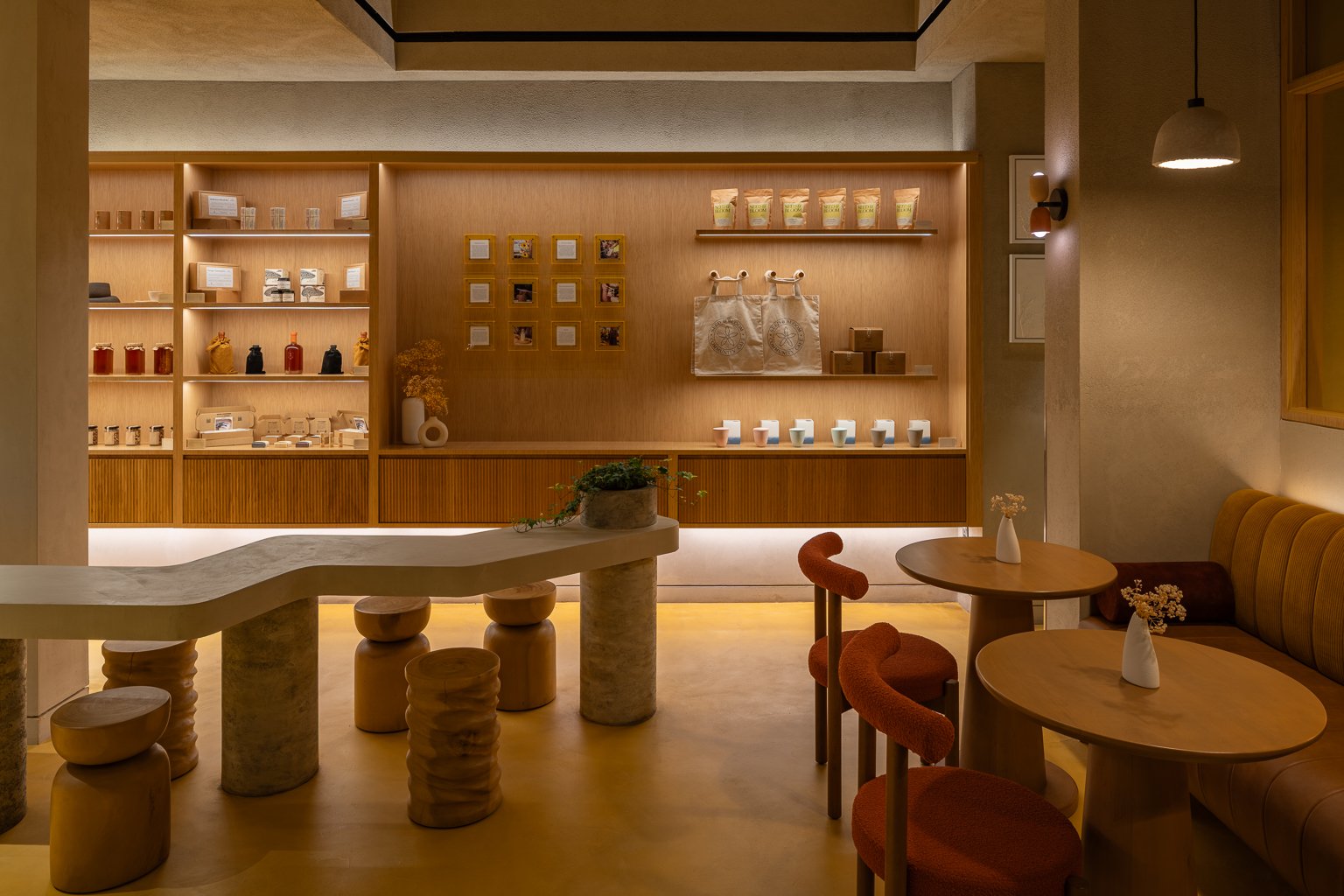 Cafés provide an informal dining experience centred around coffee, light meals, pastries and grab-and-go options. Guests generally order at a counter before taking a seat or collecting their food.
Many cafés also function as flexible workspaces and meeting places throughout the day, making them an important part of hotels, mixed-use developments and commercial properties.
Successful café concepts combine efficient service with inviting interiors that encourage repeat visits and longer dwell times.
Restaurant Service Methods
Service methods describe how food is presented and served to guests, regardless of the restaurant category.
Buffet Service
Buffet service allows guests to serve themselves from a selection of prepared dishes, usually for a fixed price.
This approach offers variety and flexibility while allowing operators to serve large numbers of guests efficiently. Buffets are commonly found in hotels, resorts and conference venues where breakfast, all-day dining or event catering requires high-volume service.
A well-designed buffet combines attractive food presentation with careful replenishment and efficient layout to maintain quality throughout service.
Family-Style Service
Family-style service encourages sharing by presenting large dishes in the centre of the table for guests to serve themselves.
Rather than ordering individual plates, diners enjoy a communal experience that encourages conversation and interaction. This style is often associated with family restaurants, celebrations and concepts inspired by traditional home cooking.
Sharing menus have also become increasingly popular in contemporary restaurants where social dining forms part of the overall brand experience.
Table Service (À la Carte)
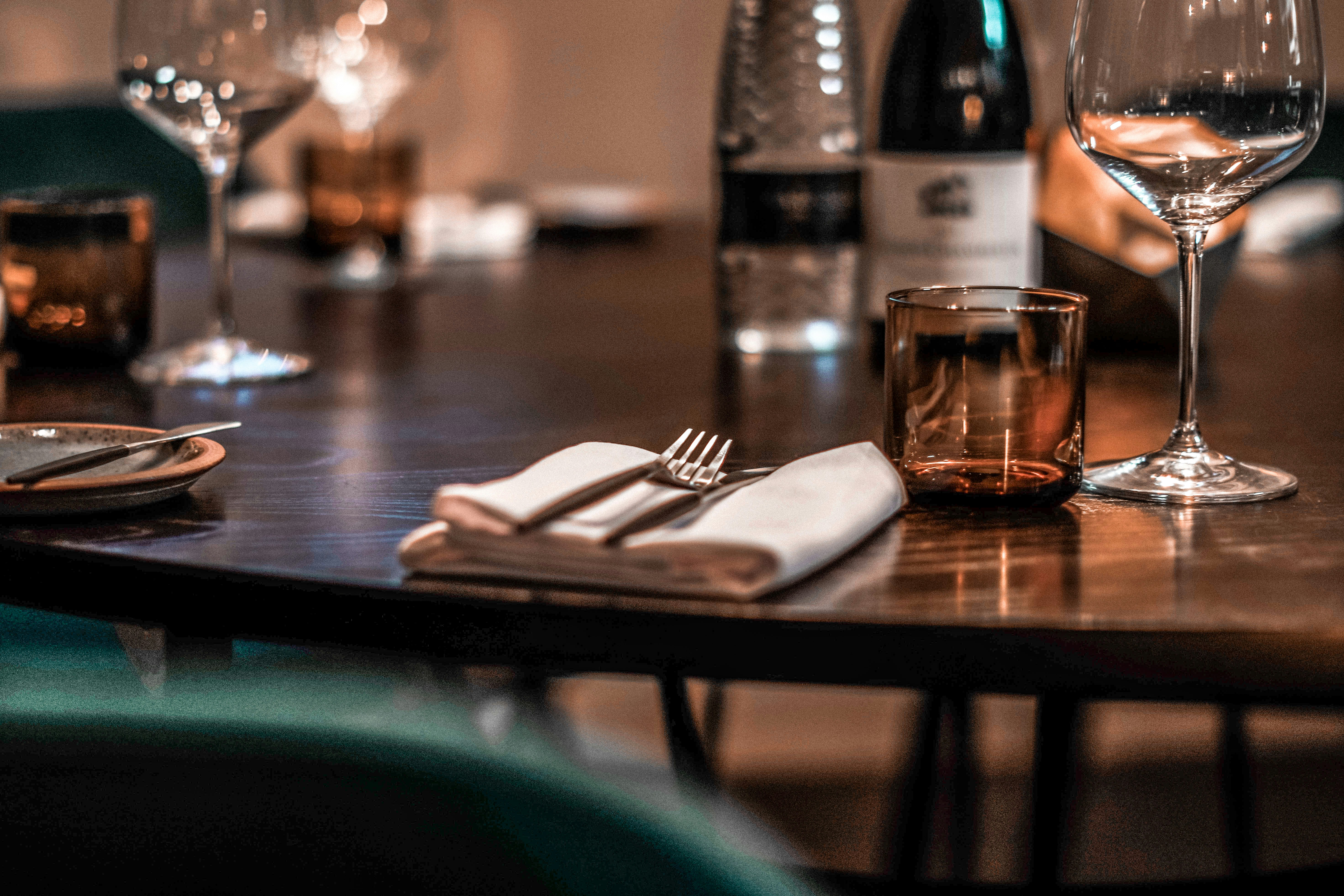
Table service remains the most widely recognised service method. Guests are seated, order individual dishes from a menu and have each course brought directly to the table. It underpins both fine dining and casual dining concepts, with the level of formality adapted to the venue's positioning. Because staff manage the pace of each course, table service gives operators the greatest control over the guest experience, making it well suited to venues that encourage longer, higher-spend visits.
Counter Service
With counter service, guests place orders at a till, kiosk or bar before collecting their food or having it brought to their table. Fast, efficient and requiring fewer front-of-house staff, it is the method behind most fast casual, QSR and café concepts. The rise of digital kiosks and mobile ordering has made counter service increasingly seamless, helping operators serve more customers at peak times without compromising quality.
Restaurant Operating Formats
Operating formats describe how a restaurant business is organised and delivered, rather than the style of cuisine or service.
Food Halls
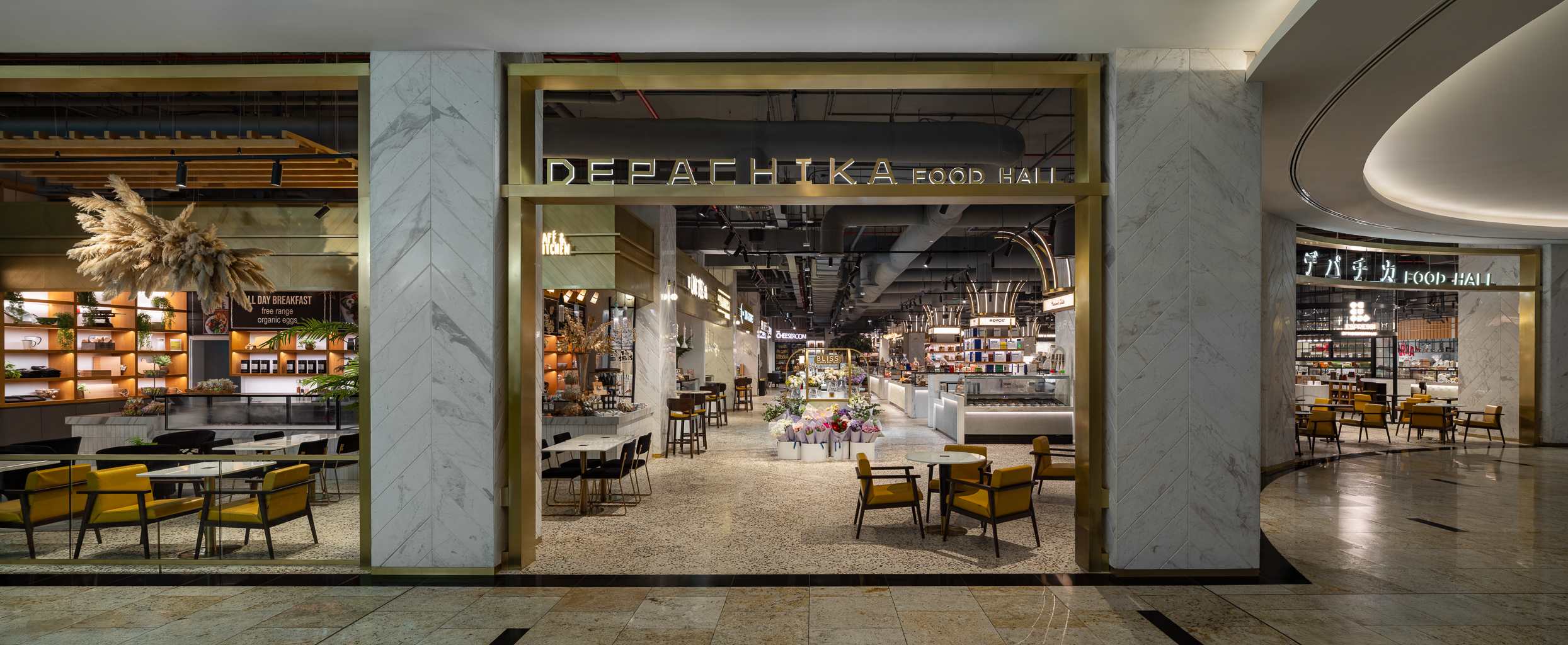
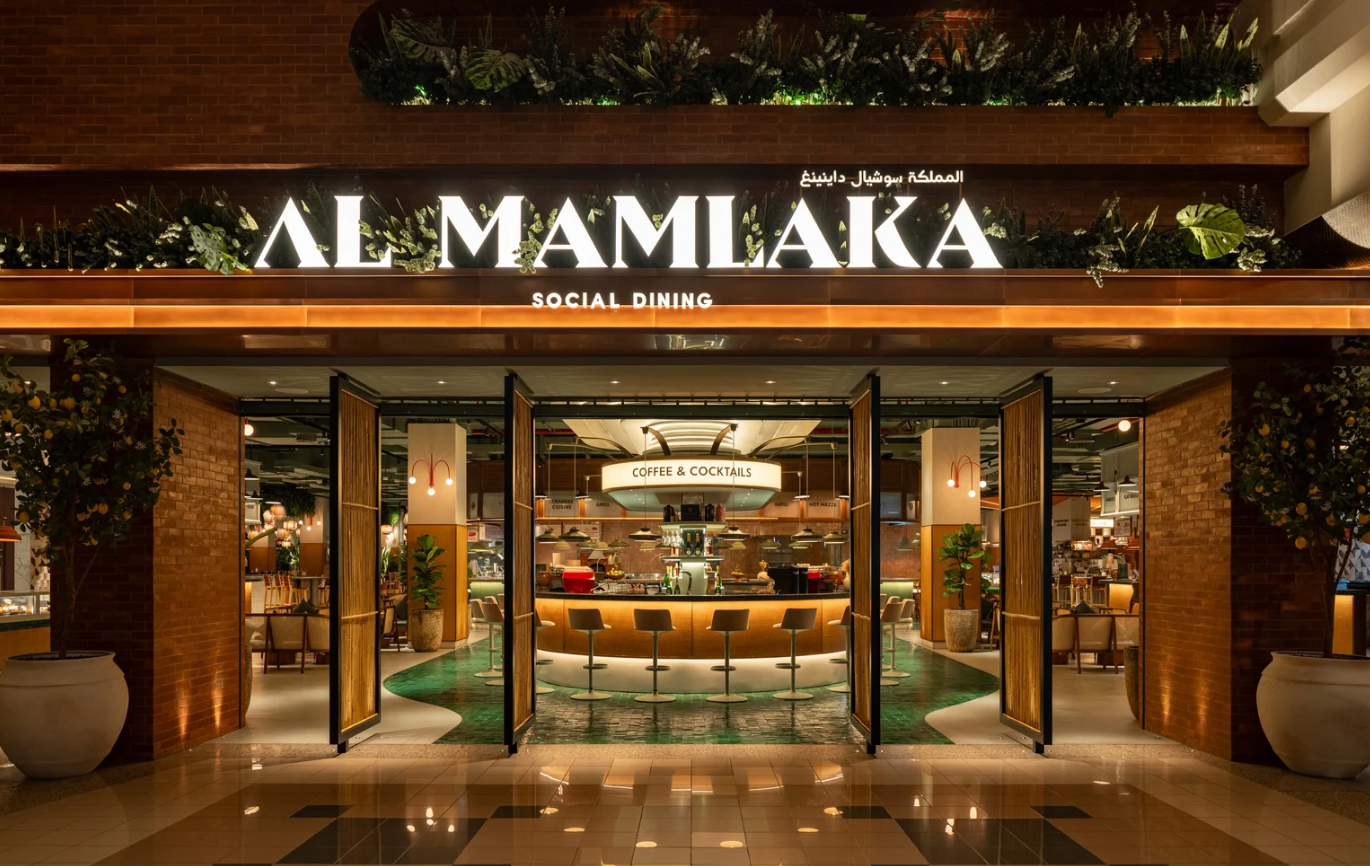 Food halls bring together multiple food vendors within a shared dining space, allowing guests to choose from a variety of cuisines during a single visit.
Their popularity has grown significantly as consumers increasingly value flexibility, variety and informal social dining. Food halls also create opportunities for independent brands to operate with lower overheads while attracting larger audiences through a collective destination.
For developers, food halls can become important anchors within retail, leisure and mixed-use developments by increasing footfall and extending visitor dwell time.
Ghost Kitchens
Ghost kitchens, also known as cloud kitchens or virtual kitchens, operate exclusively for delivery and takeaway without providing a traditional dining area.
Driven by the continued growth of food delivery platforms, ghost kitchens enable operators to reduce overhead costs while serving multiple brands from a single production facility.
Although guests never visit the physical kitchen, success still depends on efficient operations, consistent food quality and strong digital branding.
Choosing the Right Restaurant Model
There is no universal solution when selecting a restaurant concept, service method or operating format. The most successful businesses are designed around customer expectations, commercial objectives and operational capabilities rather than following market trends alone.
Luxury hotels may combine fine dining with casual dining and café concepts to appeal to different guest segments throughout the day. They may also use buffet service for breakfast and family-style dining for selected restaurants. Urban developments may integrate fast casual brands alongside food halls, while operators increasingly combine physical restaurants with delivery-focused ghost kitchens to expand revenue streams.
The most effective food and beverage strategies consider not only how guests want to dine today but how consumer behaviour is likely to evolve in the future.
How TGP International Helps Develop Successful Restaurant Concepts
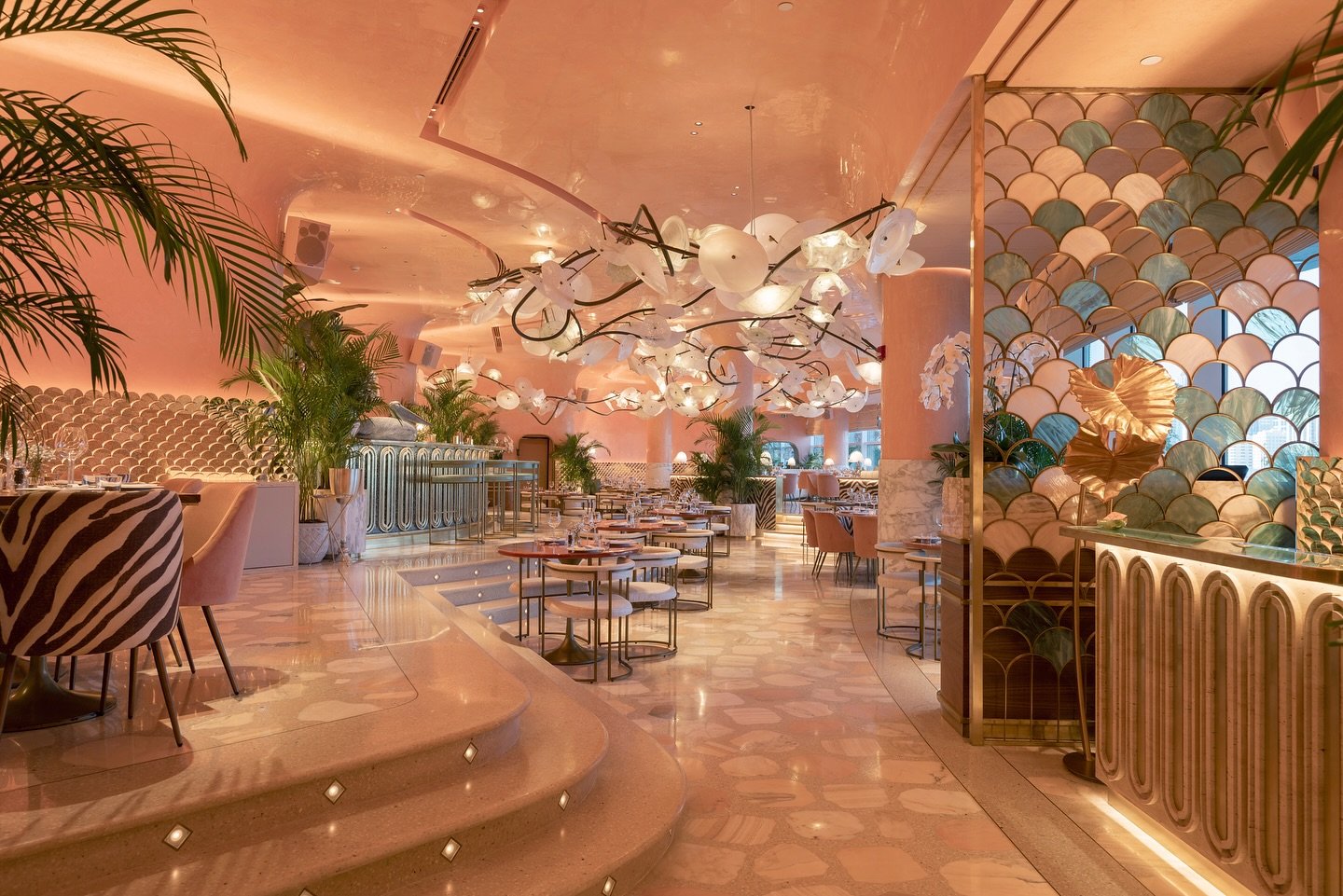 At TGP International, we believe every successful restaurant begins with a clear concept and the right operational strategy. Our hospitality consultants work with hotel owners, developers and restaurant operators to create food and beverage destinations that deliver exceptional guest experiences while supporting long-term commercial performance.
From market research and concept development to operational planning, menu strategy and brand positioning, we help businesses identify the restaurant model that best aligns with their objectives. Whether creating a luxury signature restaurant, an all-day dining venue or a fast casual concept, our approach is rooted in delivering commercially viable experiences that stand out in an increasingly competitive hospitality market.
Choosing the right restaurant model is not simply an operational decision. It is one of the most important factors in creating a destination that attracts guests, builds loyalty and delivers lasting success.