-1.png?width=3330&height=698&name=TGP%20International%20Logo%20White%20(1)-1.png "TGP International logo")
Interior Design,
Advisory,
Operational Management,
Restaurant Concepts,
Saudi Arabia,
Brand & Concept Development
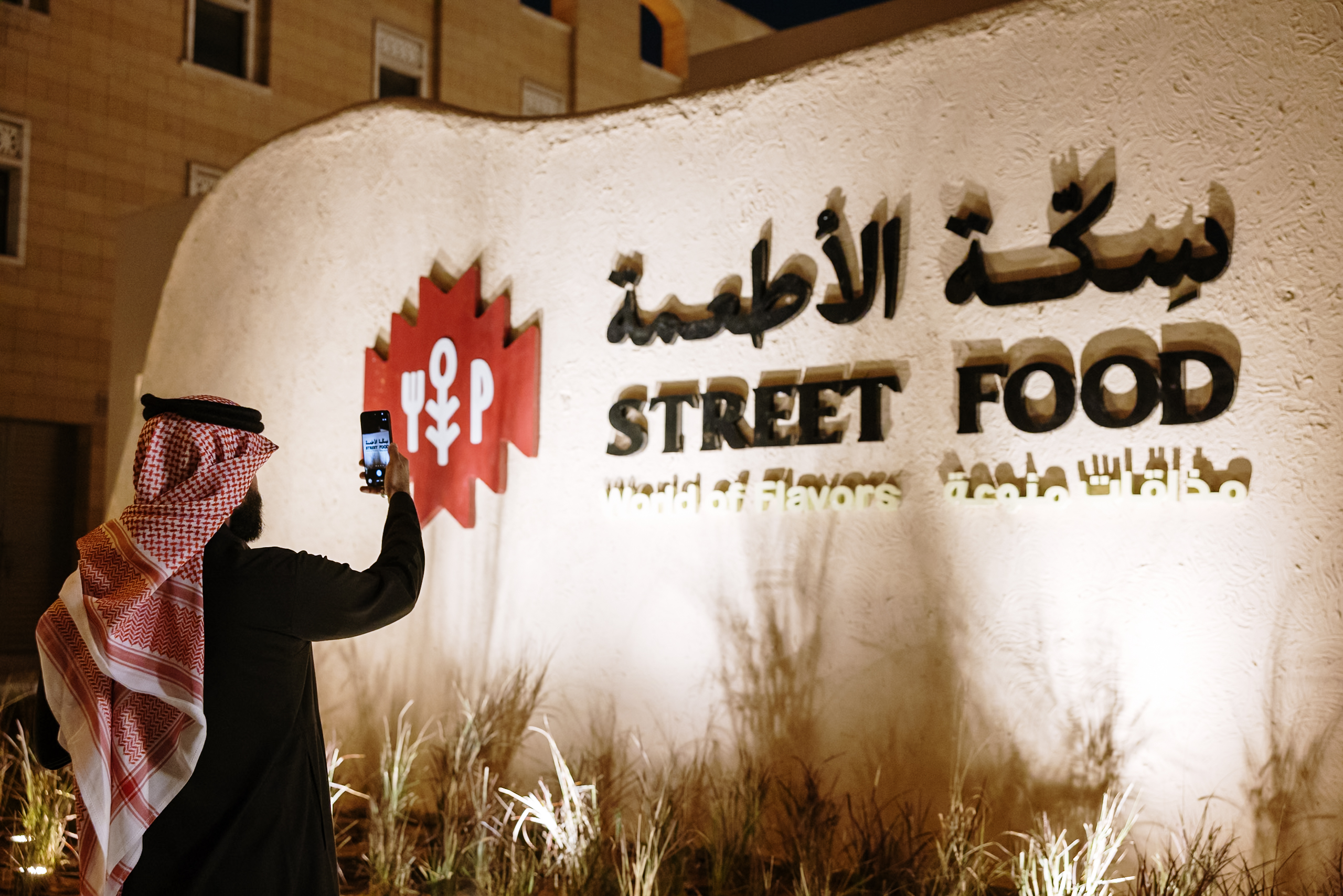
In the heart of Riyadh, Street Food emerges as a dynamic destination shaped by place and purpose. Located within the historic Al-Zal Market, one of the city’s most recognisable cultural anchors, the project sits alongside the Najdi heritage district of Al-Daho and overlooks the Riyadh Metro, a symbol of the city’s rapid transformation.
This mixture of past and present transforms Street Food into more than a gastronomic destination. It becomes an expression of Riyadh’s evolution, where the richness of tradition meets the energy of contemporary urban life. The experience connects visitors to both heritage and modernity, positioning food as a medium through which cultures are explored, diversity is celebrated and stories are shared.
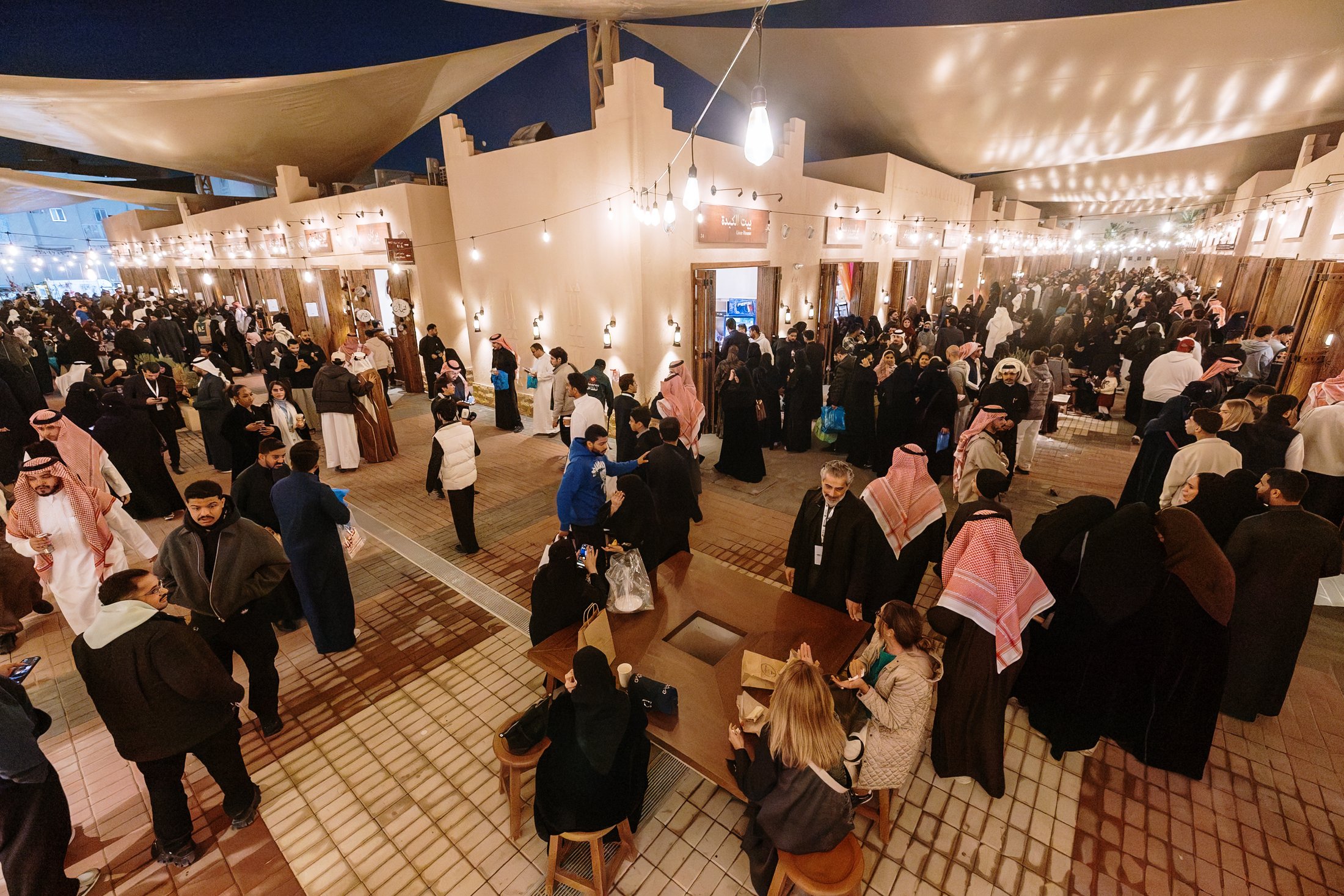
Street Food is a cosmopolitan, high-quality and affordable street food market that is open to all, bringing people together in a casual setting while activating the surrounding neighbourhood and contributing to Riyadh’s growing nighttime economy. Following phase two, a total of 80 vendors will be trading at Street Food, creating a diverse and vibrant culinary landscape that reflects both local identity and global influence.
Street Food is conceived as an integrated destination that brings together local and international street food within a structured, high-quality environment. It supports broader ambitions to enhance quality of life, strengthen tourism and generate new opportunities within the food and entertainment sectors, while contributing to the city’s urban and economic growth.
Brief
The brief called for the creation of a pioneering street food destination that balances authenticity with operational excellence. As part of the Royal Commission for Riyadh City’s wider mandate to design and oversee public policies, set strategic direction and deliver large-scale urban development programmes across the region, the ambition was to create a curated yet accessible experience that reflects Riyadh’s cultural identity while introducing global influences.
A key requirement was to establish a platform that caters to a diverse audience, bringing together residents, visitors and tourists in a shared environment. The project needed to operate at a high standard, ensuring consistency across food quality, hygiene and service, while remaining vibrant and inclusive.
Beyond the physical environment, the brief extended into defining a commercially viable model. This included vendor selection, operational frameworks and revenue strategies, ensuring the long-term sustainability of the destination. The project was also positioned as a catalyst for social interaction, cultural exchange and economic activity within the surrounding neighbourhood.
At its core, the project is designed to provide agency and economic opportunity to Saudi food vendors while increasing access to high-quality and affordable food options for both locals and tourists, reinforcing its role in activating the city’s nighttime economy.
Street Food represents a comprehensive approach to F&B development, spanning concept creation through to operational delivery. The scope included concept development, operational strategy, feasibility, brand curation and onboarding, as well as the full project rollout for pre-opening. It also encompassed developing and implementing the marketing strategy across pre-launch, launch and post-launch phases, alongside preparing the site for operational handover.
Start Your F&B Project With TGP International
Developing the Concept
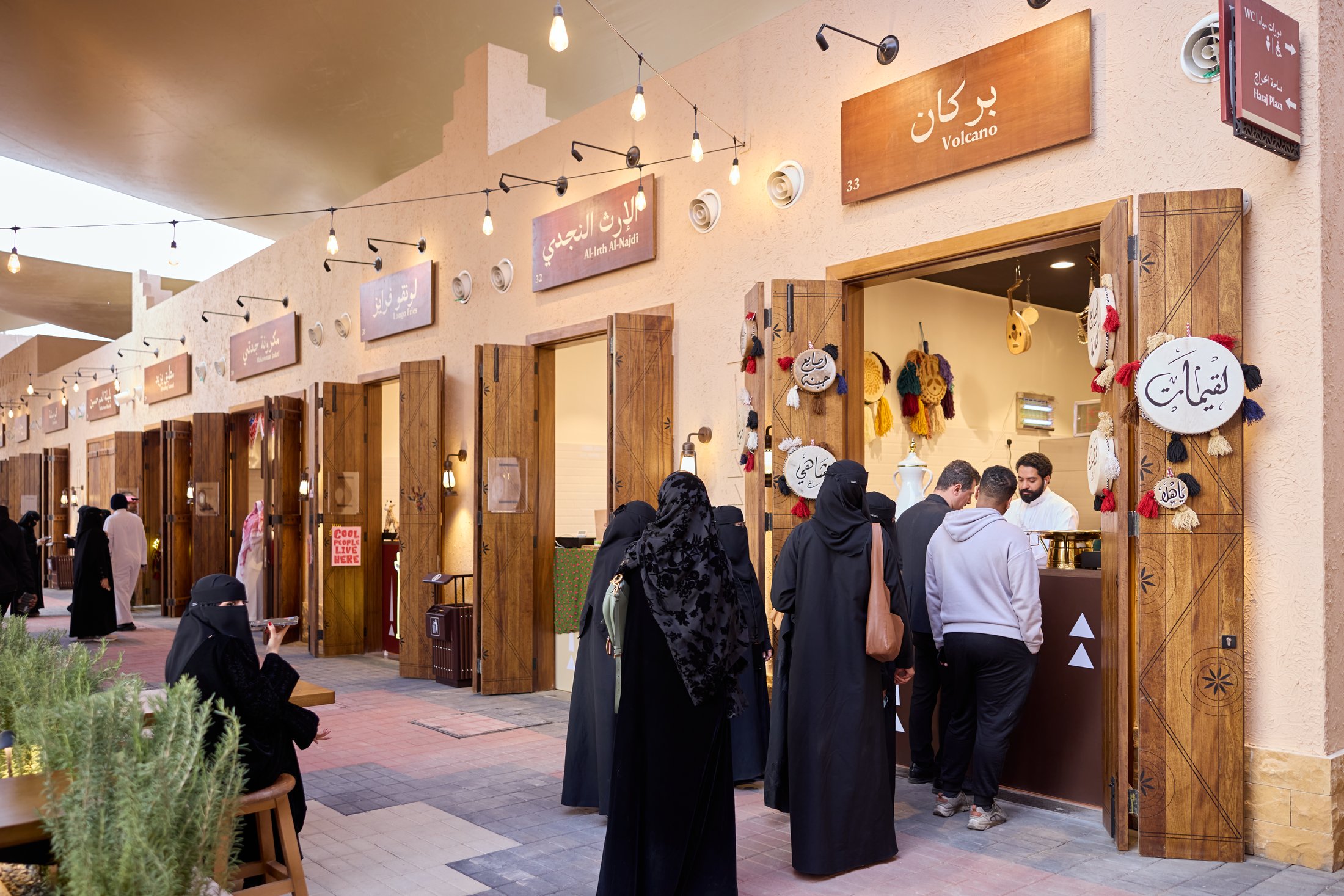
The ideation centred on creating a destination that feels both rooted and progressive. Drawing inspiration from the surrounding context, the project blends the character of traditional markets with the structure and efficiency of a modern food destination.
The vision was designed as a global journey anchored in local identity. A strong emphasis was placed on traditional Saudi and Arabic street food, complemented by a carefully curated mix of international cuisines including Asian, American, Mexican and Indian offerings.
Equally important was the operational strategy underpinning the concept. The development included detailed planning of kitchen layouts organised by zones, supplier distribution networks and a clearly defined visitor journey. Consideration was given to every stage of the experience, from arrival and navigation to ordering and dining, ensuring both efficiency and engagement.
The concept also addressed commercial structuring, including vendor mix, leasing strategies and performance metrics. This created a framework that supports emerging local talent allowing the destination to evolve over time while maintaining quality and consistency.
Design Drivers
.jpg?width=2200&height=1467&name=AZAB1409%20(2).jpg)
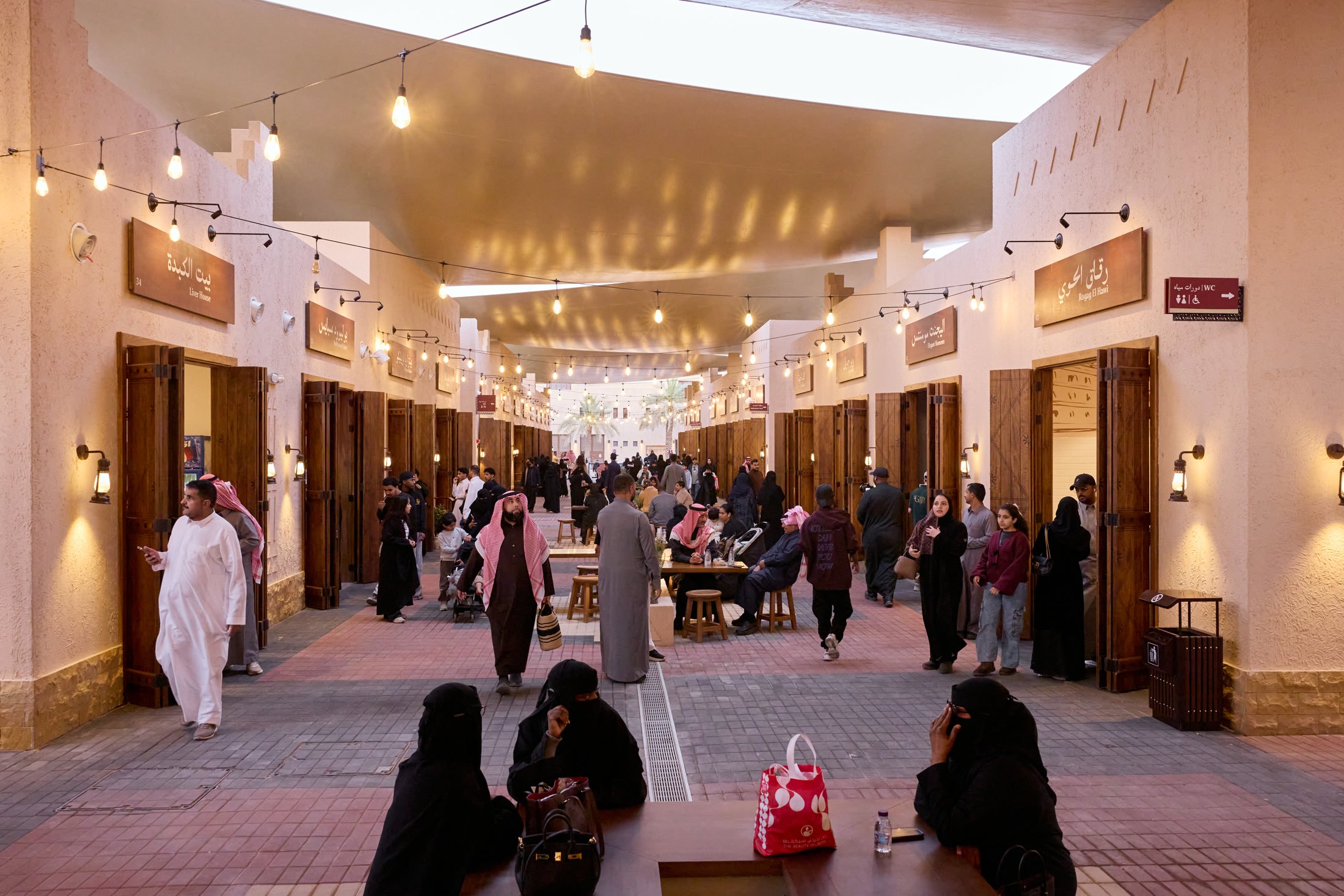
The design was guided by a series of drivers that balance experience, functionality and identity. At its core was the ambition to create a space that reflects the cultural richness of Al-Zal while accommodating the demands of a high-volume, modern food destination.
Spatial planning prioritised clarity and flow, with defined zones for seating, services and events. The site incorporates eighty retail units of varying sizes, supported by service areas, shaded and air-conditioned zones and essential infrastructure including restrooms and administrative facilities.
Visitor movement was carefully considered through clearly defined entry points, service areas, drop-off zones and emergency routes. The integration of circulation planning ensures that the space remains accessible and intuitive, even during peak periods.
The design also responds to environmental and sustainability considerations. Energy-efficient lighting, solar-powered systems and waste management strategies were integrated into the project, alongside guidelines encouraging vendors to adopt sustainable practices and materials. These elements contribute to a more responsible and future-facing destination.
Interior Design Services for Food Halls and Restaurants
Communicating the Brand
The brand strategy positions Street Food as a cosmopolitan, high-quality yet accessible destination that brings people together through food. It is designed to activate the surrounding neighbourhood and contribute to Riyadh’s growing nighttime economy while celebrating cultural diversity and homegrown talent.
At its core, the brand is built on principles that celebrate both local and global culture, create an informal and comfortable atmosphere and position the destination as a platform that provides agency to vendors while supporting wealth creation. It also reinforces the importance of increasing access to quality, affordable food and celebrating ethnic and cultural diversity across all aspects of the experience.
The communication approach spans pre-launch, launch and post-launch phases, ensuring sustained engagement over time. It focuses on creating anticipation, driving footfall and building a strong sense of community ownership around the destination.
Central to the brand narrative is the idea of connection. Street Food is presented not only as a place to eat but as a social hub where cultures intersect and experiences are shared. This is reinforced through programming, events and collaborations that highlight both local identity and global influences.
The marketing approach also supports vendor visibility, providing a platform for individual brands while maintaining a cohesive overall identity for the destination.
The Outcome
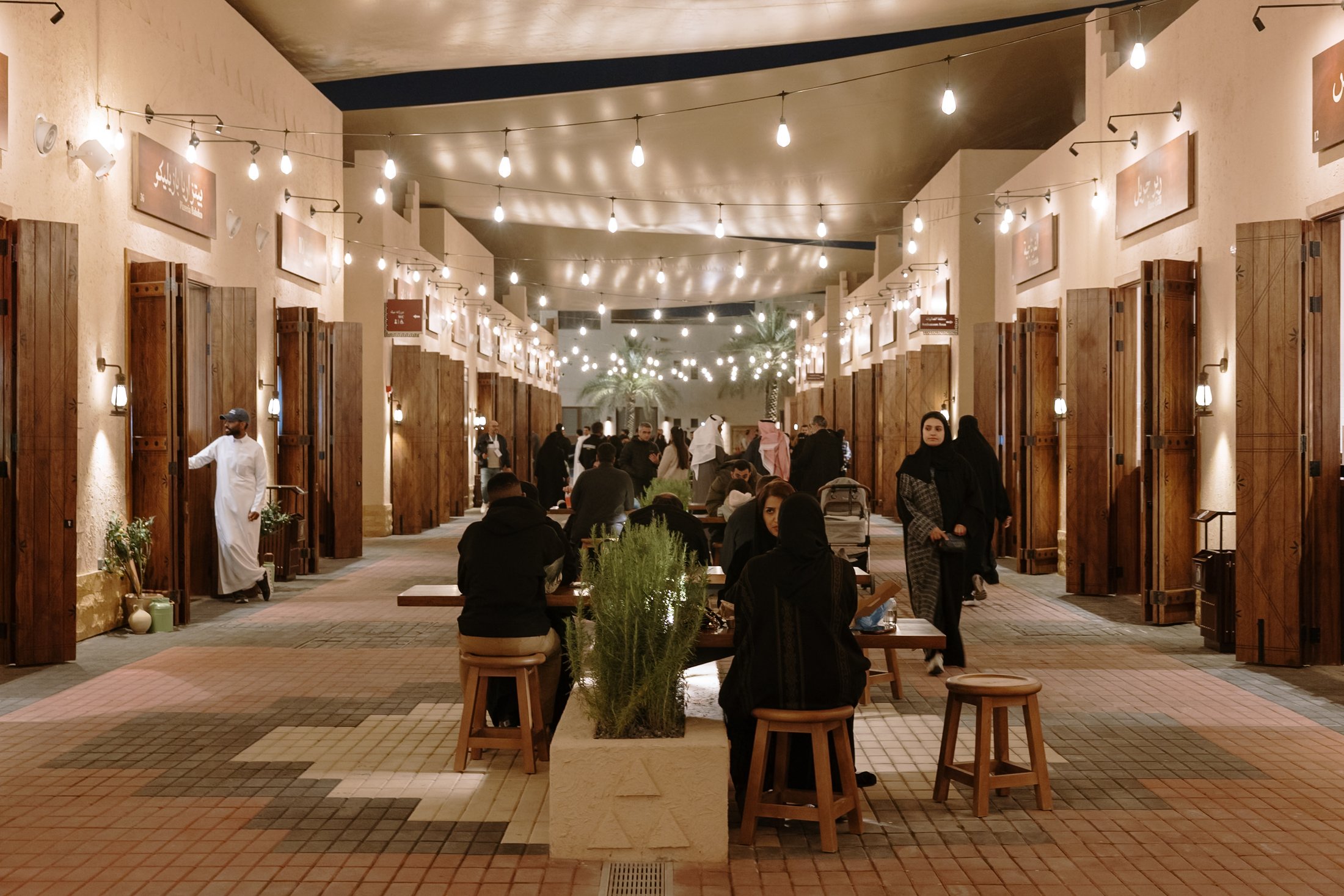
Street Food sets a new standard for street food destinations in Riyadh. Blending cultural authenticity with strong operational discipline, it attracted over 9,000 visitors per day during Ramadan and sustained its momentum well beyond the launch period.
The project creates a vibrant environment that attracts a broad audience, encouraging repeat visitation and extended dwell time. Its structured approach to vendor curation and operations ensures consistency while allowing for diversity and innovation.
From an urban perspective, the destination contributes to the activation of Al-Zal and its surrounding areas, strengthening its position as a cultural and social hub. It also supports wider economic objectives by generating opportunities for local businesses, fostering entrepreneurship and attracting tourism.
Ultimately, Street Food demonstrates how thoughtful design, strategic planning and cultural sensitivity can come together to create a destination that resonates on both a local and international level.
Contributors
A special thanks to the project team who helped us work on Street Food: Michel Saab, Sam Jabraouti, Alexandra Fuidge, Ruby Wand, Cheryl Sheppard, Gabriel Murray and Maddy McLeary.
