-1.png?width=3330&height=698&name=TGP%20International%20Logo%20White%20(1)-1.png "TGP International logo")
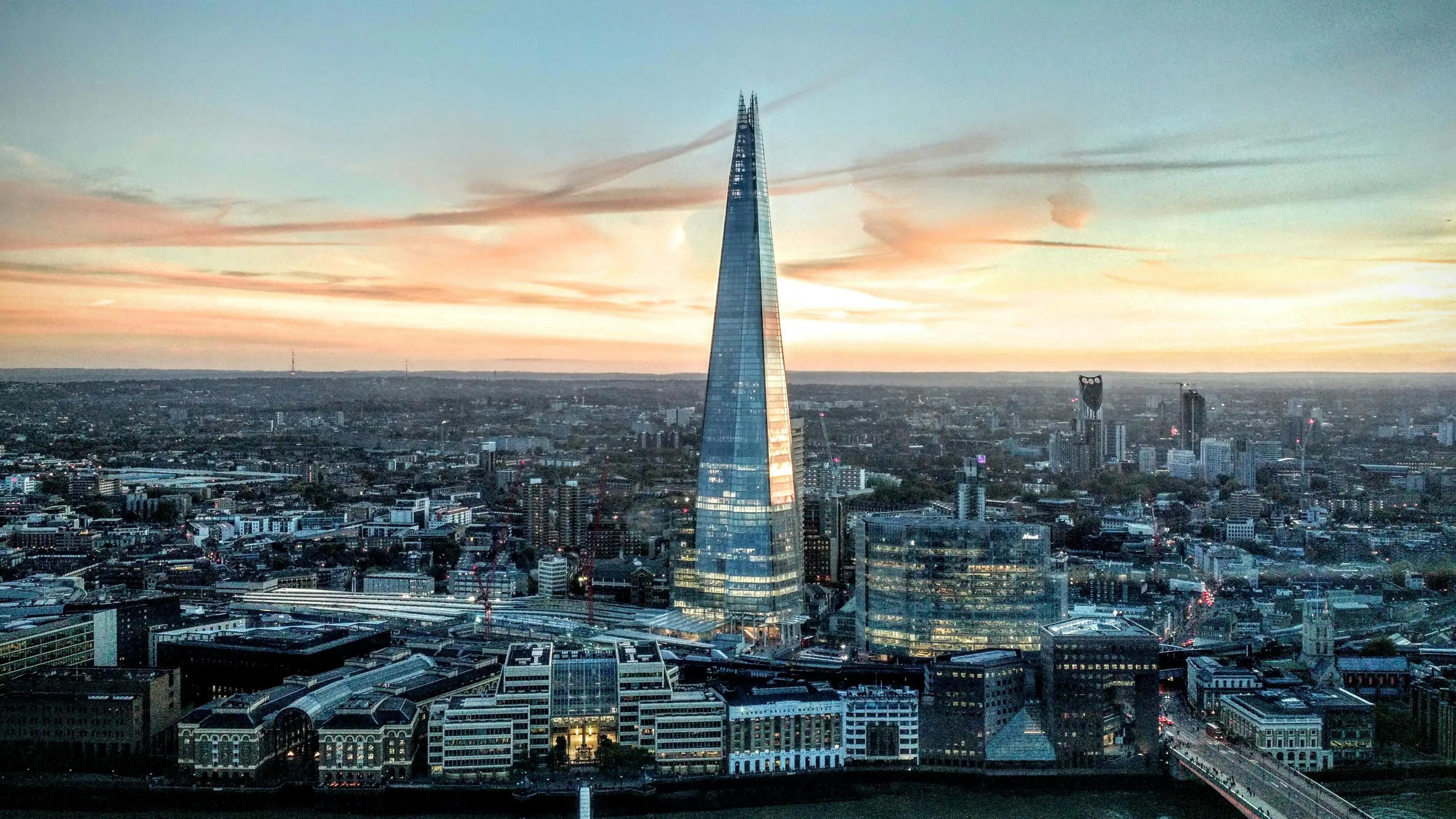
GLA, adjacencies, footfall flow, tenant mix, yield, dayparts and dwell time. All hugely important considerations when developing a masterplan. There's just one fairly significant group of people who don't care about any of them: the customer.
That's not to say they won't ultimately be affected by them. Of course they will. But nobody wakes up on a Saturday morning thinking, "I really fancy experiencing some excellent F&B adjacencies today."
They think about what they actually want to do, where they want to go and, perhaps most importantly, how they want to spend their time.
What Does a Good Day Actually Look Like?
I've got two young kids, so my own weekends are a pretty good example. If we're deciding where to go for the day, I'm probably looking for somewhere they can explore and burn off some energy. Some outdoor space would be great; a park or playground even better. I want enough going on to keep them interested, but I'm not only thinking about them.
I'd like a good coffee, or two, while all this is happening and at some point we're going to need lunch, but I probably don't know at 9am what we'll fancy eating at 1pm, so having a few different options matters.
Maybe we'll want something quick and casual; maybe we'll decide to sit down properly. Perhaps we're having such a good time that we stay longer than planned. And if there's somewhere I can pick up a few things for dinner on the way home, even better.
Some of those considerations are very practical. What's there? Is there enough to do? Is it easy to get around? Can everybody eat something they like? But there's an emotional layer to the decision too.
I want my kids to enjoy themselves, obviously, but I'd quite like to enjoy myself as well. Spending three hours drinking vending-machine coffee in a windowless soft play at the back of a sports centre might tick plenty of boxes for them, but it's my weekend too!
And that, in a fairly mundane Saturday-afternoon nutshell, is the point. As customers, we don't experience the individual components of a masterplan in isolation. We experience the place as a whole and make a judgement about whether it works for us at that particular moment.
We don't experience a masterplan. We experience an occasion.
Explore F&B Strategy and Masterplanning
Understanding The Occasion Changes How We Understand The Customer

I've spent much of my career researching how and why people choose where to spend their time and money, and one thing I’ve learnt is that customers are complicated but also contextual.
The person looking for somewhere to entertain two children on Saturday afternoon might want something completely different at 8am on Tuesday morning, and something different again when meeting friends for dinner on Friday night. It's the same person, but the occasion has changed, and with it their priorities, expectations, competitive set and probably their willingness to spend.
This is why broad customer definitions such as 'office workers', 'residents', 'families' and 'tourists' are useful, but can only take us so far. They tell us who might use a development, but not necessarily what those people need from it.
An office worker, for example, might want good coffee without a queue at 8am, something quick enough to fit between meetings at lunchtime and, by 6pm, a compelling enough reason to stay rather than heading straight home.
The same development is serving the same person, but the F&B offer is being asked to perform three quite different jobs.
So when we're thinking about the customer within masterplanning, we need to move beyond simply asking who are they? And instead spend more time understanding why are they here?
Start With The Occasion, Not The Venue
-1-1.jpg?width=7008&height=4672&name=DSC03590%20(1)-1-1.jpg)
When we think about F&B masterplanning, there is an understandable temptation to get quickly to the tangible stuff. How many restaurants do we need? How many cafés? What proportion should be casual dining, premium casual, QSR or fine dining? How large should they be and where should they sit?
All of those questions eventually need answering. But there is another set of questions that should come first. Who are we trying to attract? What are they coming here to do? Who are they with? What matters to them on that particular occasion? What else could they be doing instead? And why would they choose to come here rather than somewhere else?
Answering those questions gives much more meaning to the decisions that follow. Instead of beginning with a space and deciding what to put into it, we can begin with the people and occasions the development needs to serve, understand what those occasions require, and use that understanding to shape the experience and F&B offer.
This also changes the way we think about competition. When assessing a development, we naturally benchmark comparable developments and destinations. That's important, but it isn't necessarily how the customer sees the world. Go back to my Saturday with the kids. Another mixed-use development might be competing for our time, but so might a park, museum, cinema, leisure attraction or a walk followed by lunch somewhere. Staying at home might be a competitor too.
The same is true of destination dining. A restaurant that is genuinely distinctive isn't necessarily competing only with other restaurants in its immediate catchment. People will cross neighbourhoods, cities and, in some cases, countries for experiences they consider worth the journey.
The customer's competitive set is defined by the occasion and the choices available to them, not simply by the category we've placed a development within. That means the more useful question isn't always what other F&B exists nearby? It might be what are we asking people to choose us instead of?
Making Customer Insight Part of The Masterplan
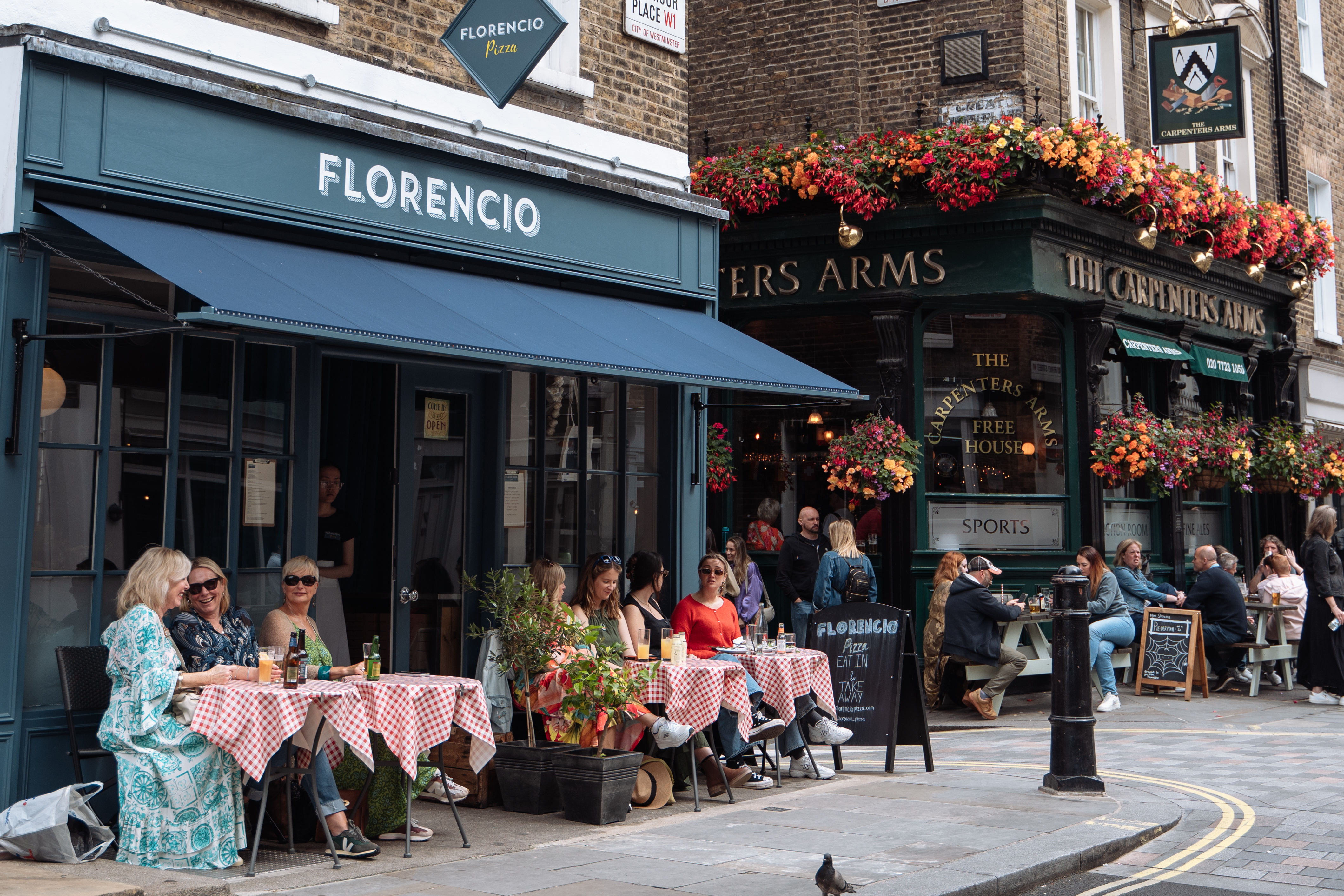
The real value of insight comes when it changes a decision. If we understand that weekday lunchtime is primarily about speed and convenience, that should influence service style, location and accessibility. If families are an important weekend audience, we should be thinking about where they will naturally spend time, what else they can do while they're there and what will encourage them to stay longer.
If the ambition is to attract people from across a city for dinner, we need to understand what would make an experience distinctive enough to justify that journey. And if residents are expected to use the development several times a week, we need to consider how the offer provides familiarity without quickly becoming repetitive.
None of this means asking customers to design the masterplan for us. In fact, one of the dangers of research is asking people to provide answers they aren't particularly well equipped to give. Ask someone which restaurant they want in a development and the chances are they'll name a restaurant they already know. That's useful information, but it isn't a strategy.
Good customer research is less about asking people to design the answer and more about understanding their behaviour, needs, motivations, compromises and frustrations well enough that we can design a better answer for them. Crucially, that answer still needs to work commercially.
GLA matters. Yield matters. Operational efficiency, adjacencies and tenant demand all matter. This isn't an argument for replacing commercial or technical masterplanning with consumer research; it's an argument for bringing them together earlier and more closely.
A beautifully customer-centric idea that isn't commercially viable isn't a particularly good masterplan. But neither is a commercially optimised development that nobody particularly wants to visit.
Start Your Project Today With TGP International
Designing Places People Choose
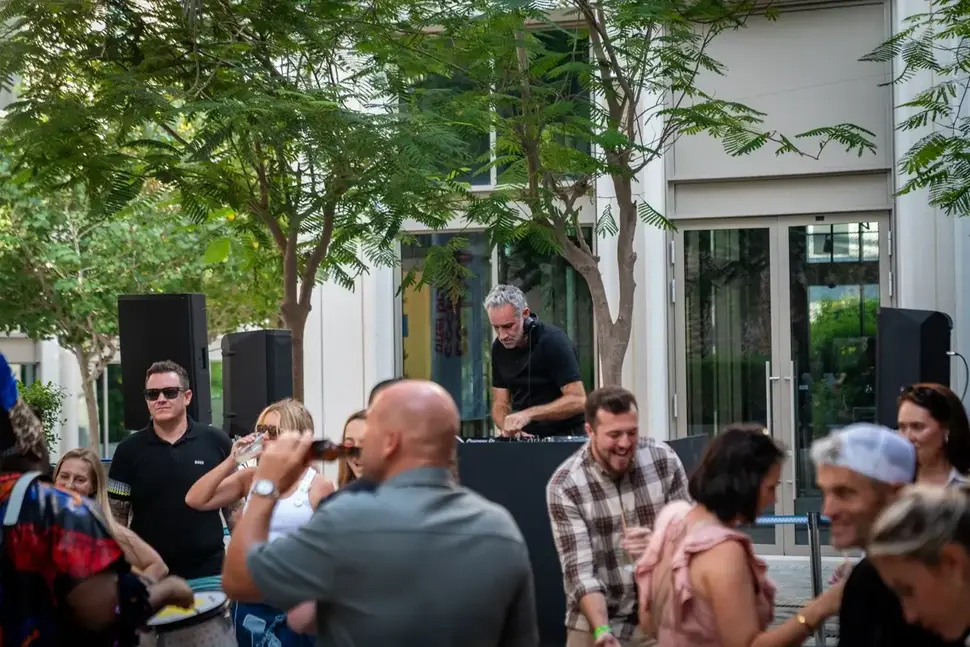
Perhaps that's ultimately the distinction that matters most. A masterplan necessarily deals in spaces, but customers experience places. A space becomes a successful place when people have reasons to use it and when those reasons fit naturally into their lives.
That means thinking beyond whether we have the right number and type of F&B outlets and considering how the development works across different occasions and different moments of the day.
At TGP, our work brings together strategy, masterplanning, F&B, hospitality, brand, design and operational expertise. Bringing consumer insight into that process helps us connect the commercial and operational realities of a development with something much more human: why people would actually choose to spend their time there. Because the customer may not care about your masterplan. They probably shouldn't have to. But the best masterplans should care deeply about them.
