-1.png?width=3330&height=698&name=TGP%20International%20Logo%20White%20(1)-1.png "TGP International logo")

Saudi Arabia
As cities become more mixed-use and experience-led, hospitality is playing an increasingly important role in shaping how people interact with places. No longer confined to hotels, hospitality principles are influencing residential developments, workplaces, retail destinations and public spaces, creating environments that prioritise connection, belonging and everyday experience. In this Q&A, Zaynib Khan, Project Director at Benoy, shares her perspective on the future of hospitality-led placemaking, exploring how food and beverage, authentic local experiences and human-centred design can help create places that people choose to return to again and again.
1. How do you see the role of hospitality changing within mixed-use developments and urban districts?
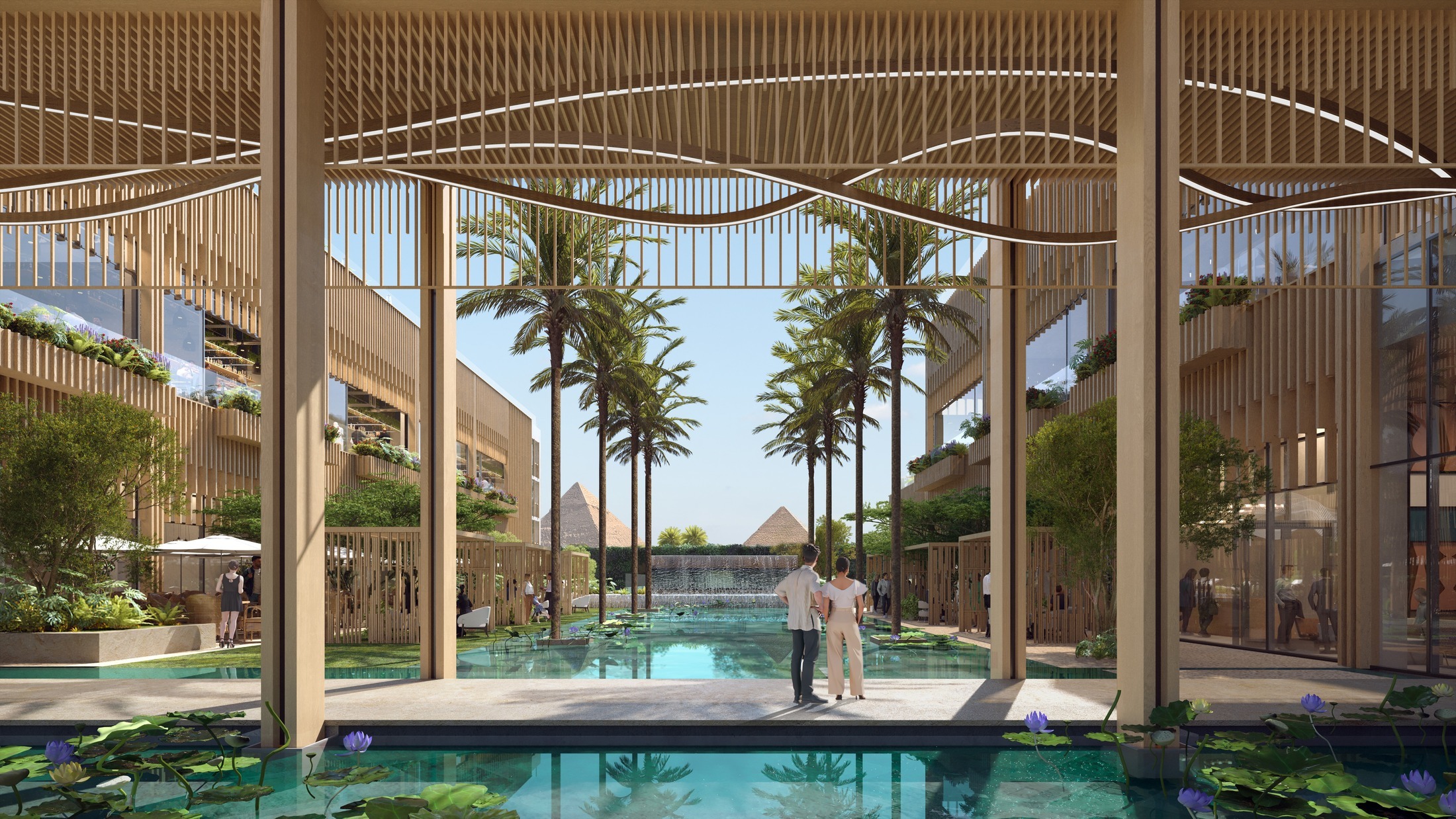 Sofitel Legends Pyramids, Egypt, Benoy
Hospitality is no longer a building type but a way of thinking about human experience. That's why I believe we've reached a point where hospitality is becoming a layer, not a sector.
For years we've thought of hospitality as something contained within hotels. Increasingly, it's becoming a way of thinking about places. People now expect the same sense of welcome, comfort and belonging wherever they spend time—whether that's in a residential neighbourhood, workplace, retail destination or public square.
The places that will succeed in future won't simply contain hospitality uses. They'll apply hospitality thinking throughout the entire experience, creating environments that feel intuitive, welcoming and connected to everyday life.
2. What role should F&B play in shaping the ground-floor experience of a place?
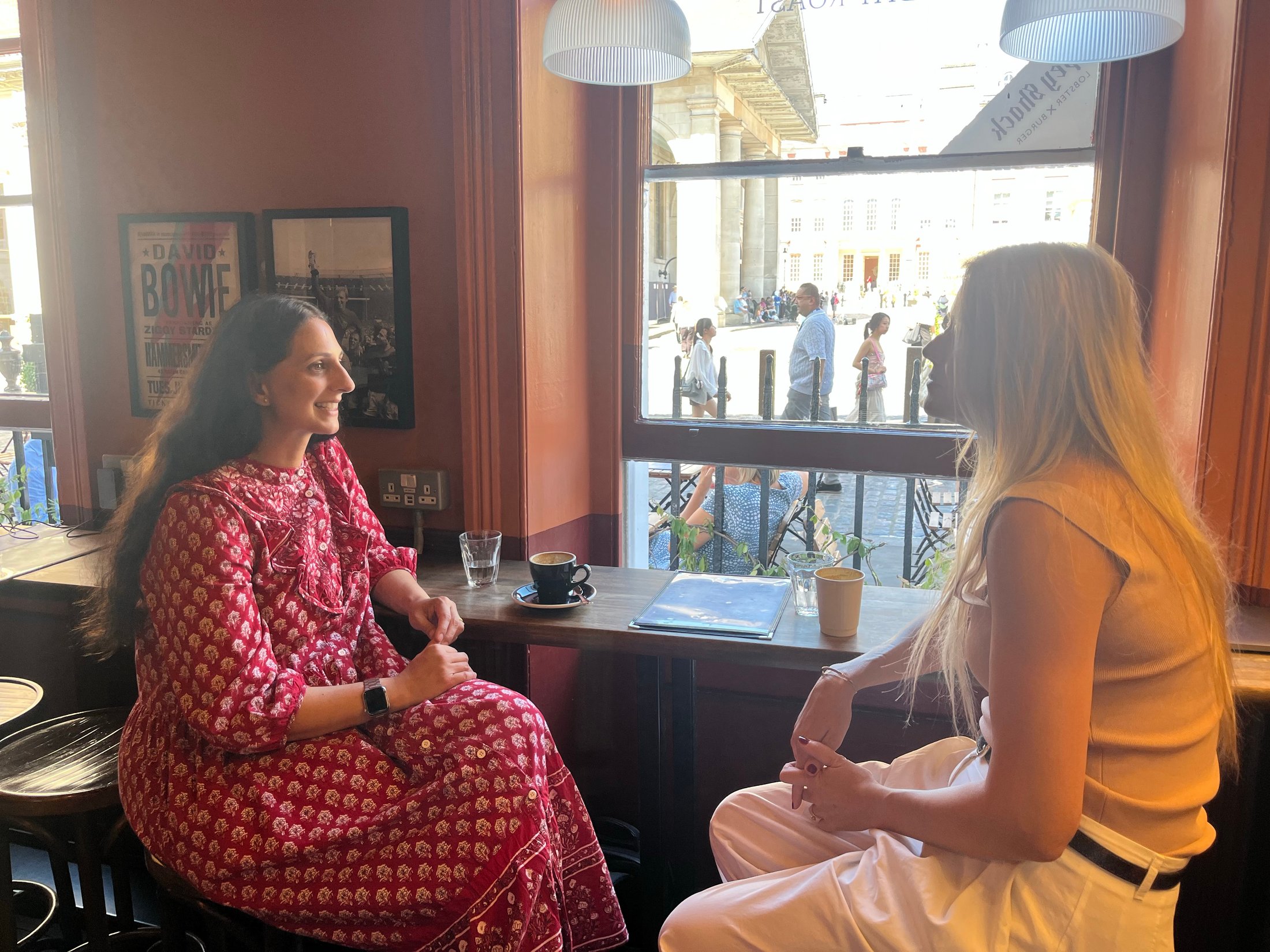
We often describe restaurants and cafés as amenities. I think that's the wrong way to think about them.
Ground-floor hospitality is the first conversation a building has with a city. It shapes first impressions, determines whether people choose to stay or keep walking, and sets the emotional tone for everything that follows.
You can often tell whether a place feels welcoming before you've even stepped inside. Glimpses of people gathering, conversations spilling onto terraces, the energy of an open café or restaurant—these small moments create intrigue and encourage people to step inside.
The best ground floors don't simply activate streets. They create reasons to return. That's how places become part of everyday life.
3. How can hospitality help connect a development more meaningfully with its surrounding neighbourhood?
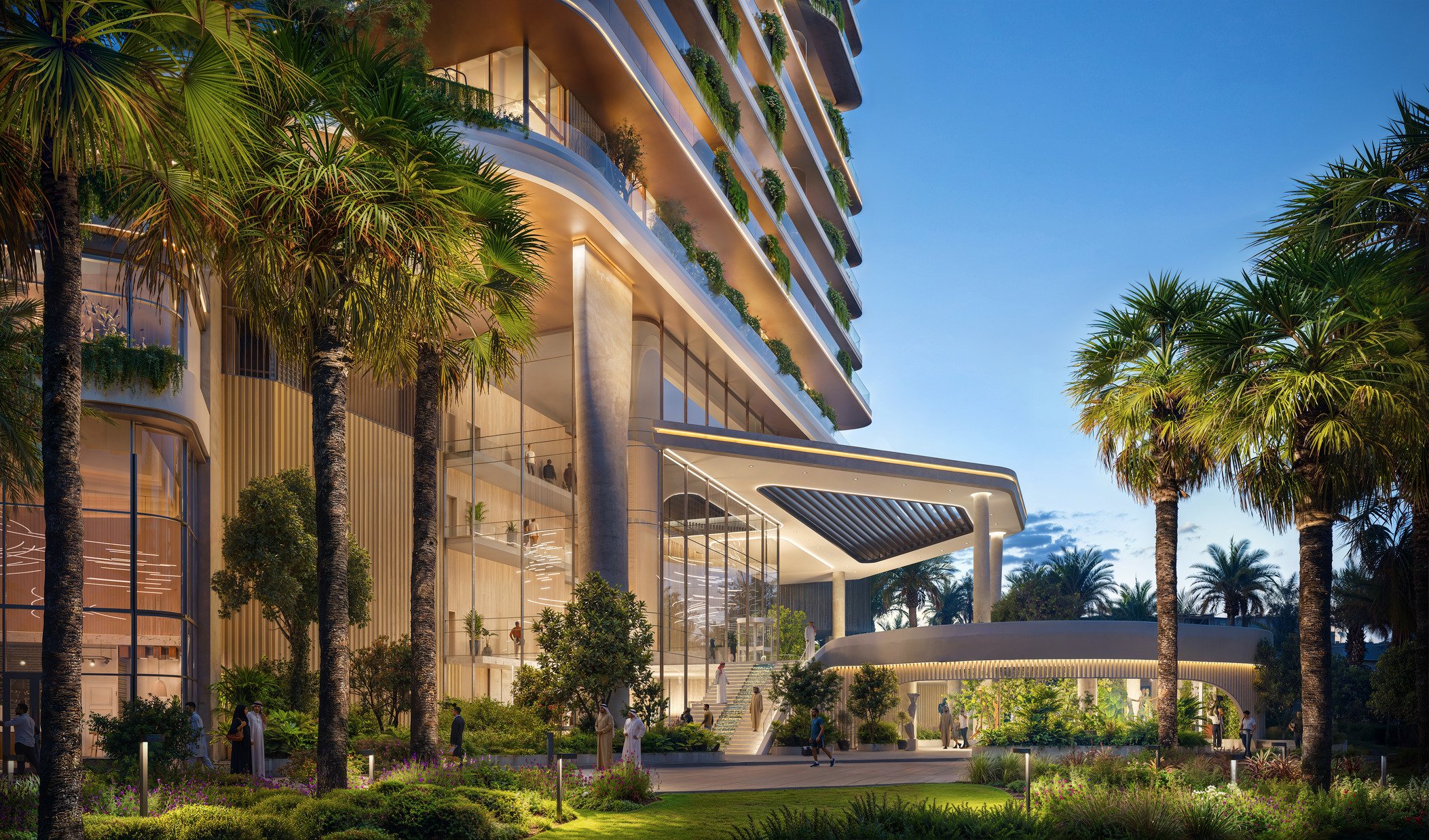 The Mural, Dubai, UAE, Benoy
A development becomes part of a neighbourhood when local people begin using it without thinking of it as "the new development".
That happens when we stop designing hospitality only for visitors and start designing for everyday life. For example, a hotel could play host to the café where parents meet after the school run, the bakery people visit every Saturday morning, the courtyard that hosts local events.
Hospitality can also become a bridge to the surrounding neighbourhood. Whether it's championing local makers, partnering with nearby businesses, recommending independent cafés or acting as a trusted source of local knowledge, the best places celebrate what's already there rather than competing with it.
The most successful places won't simply attract people; they'll become part of daily routines.
4. Where does F&B sit within the wider mix of experience, culture, leisure, retail and public realm?
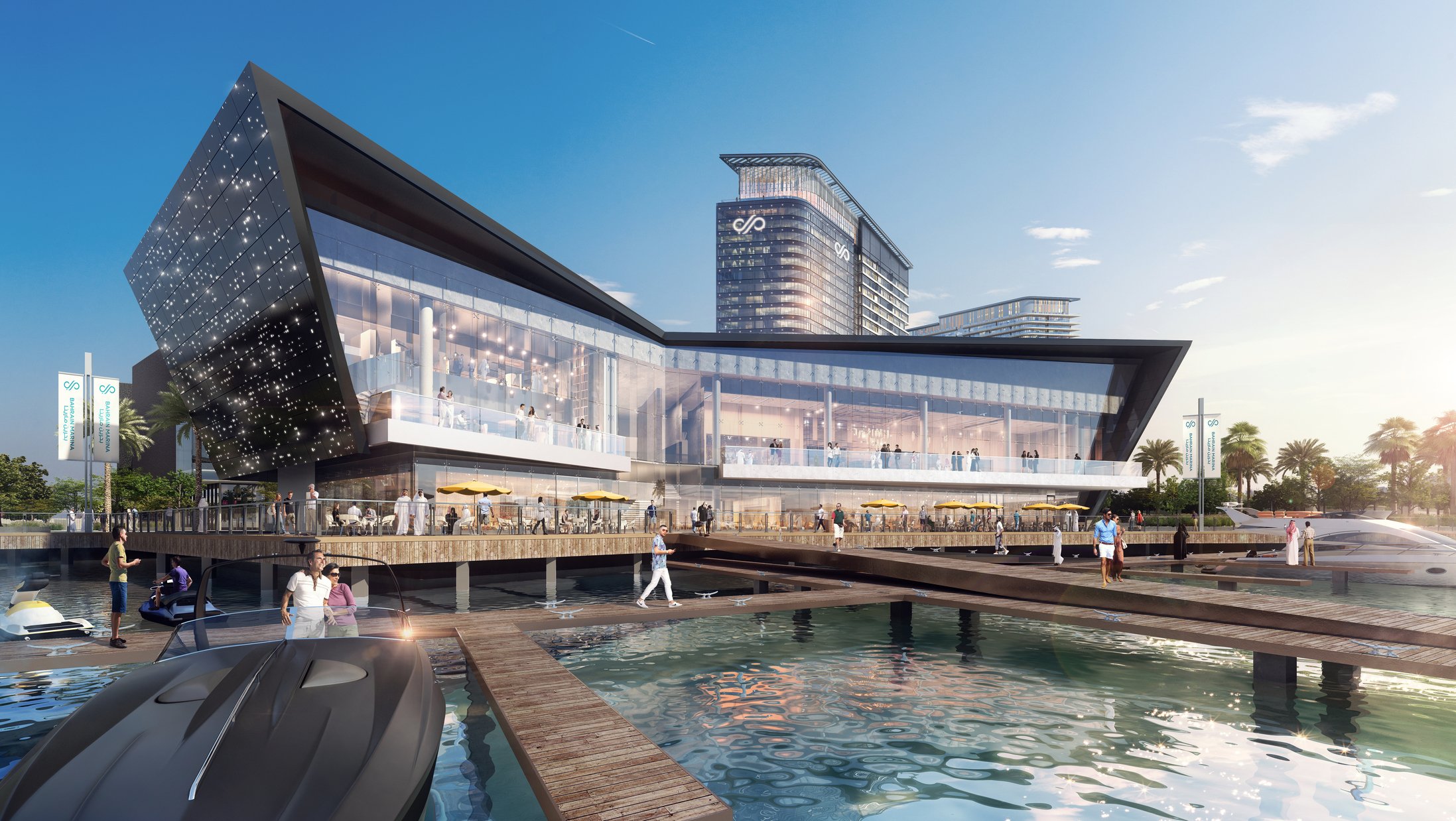 Bahrain Marina Yacht Club, Manama, Bahrain
If hospitality is a way of thinking about human experience, then F&B becomes one of its most powerful expressions, not just another tenant category.
Retail encourages browsing. Culture encourages discovery. Public realm encourages movement. But food and drink spaces offer something different. They create an atmosphere that invites people to pause, linger, celebrate, work, reconnect and simply enjoy being somewhere together.
That's why F&B has become one of the most powerful tools in placemaking. It transforms space into experience.
5. What makes a hospitality offer feel authentic to its location?
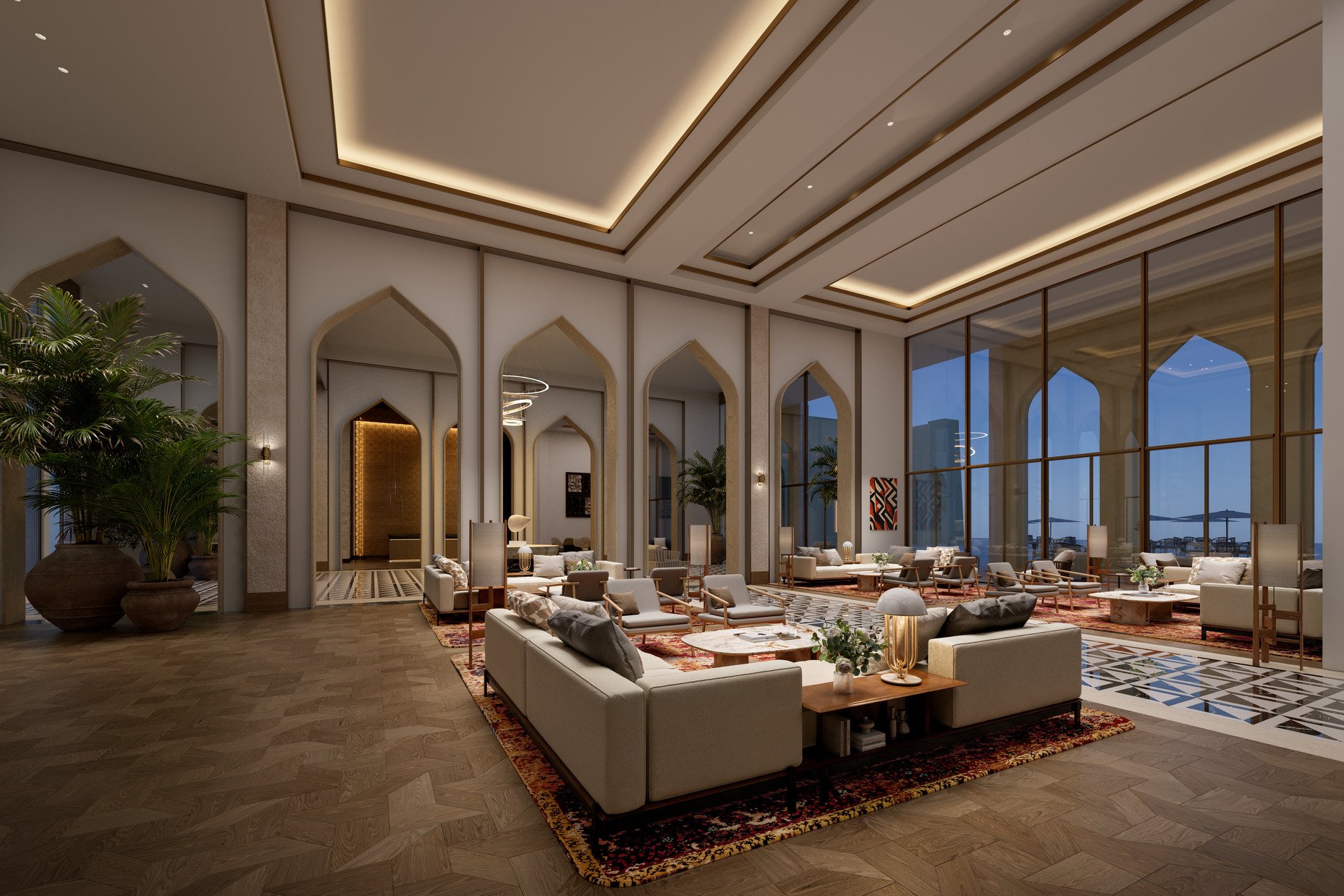 Boutique Hotel, Salalah City, Oman, Benoy
Authenticity is created when a place genuinely reflects the rhythm of the community around it. It can’t be created by copying local materials or simply serving regional dishes. Of course, local art, craft and culture all play an important role. But authenticity runs deeper than aesthetics.
The best hospitality asks ‘How do people actually live here?’, not just ‘What does this place look like?’.
When architecture, operations and programming respond to the rhythms of everyday life, authenticity doesn't have to be designed—it emerges naturally.
Ultimately, the best hospitality is remembered not only for how it makes people feel but also who it allows them to be. The most successful places create enough familiarity for people to feel they belong, while giving them the freedom to experience a different version of themselves.
6. How can hotels contribute to the wider life of a city beyond serving overnight guests?
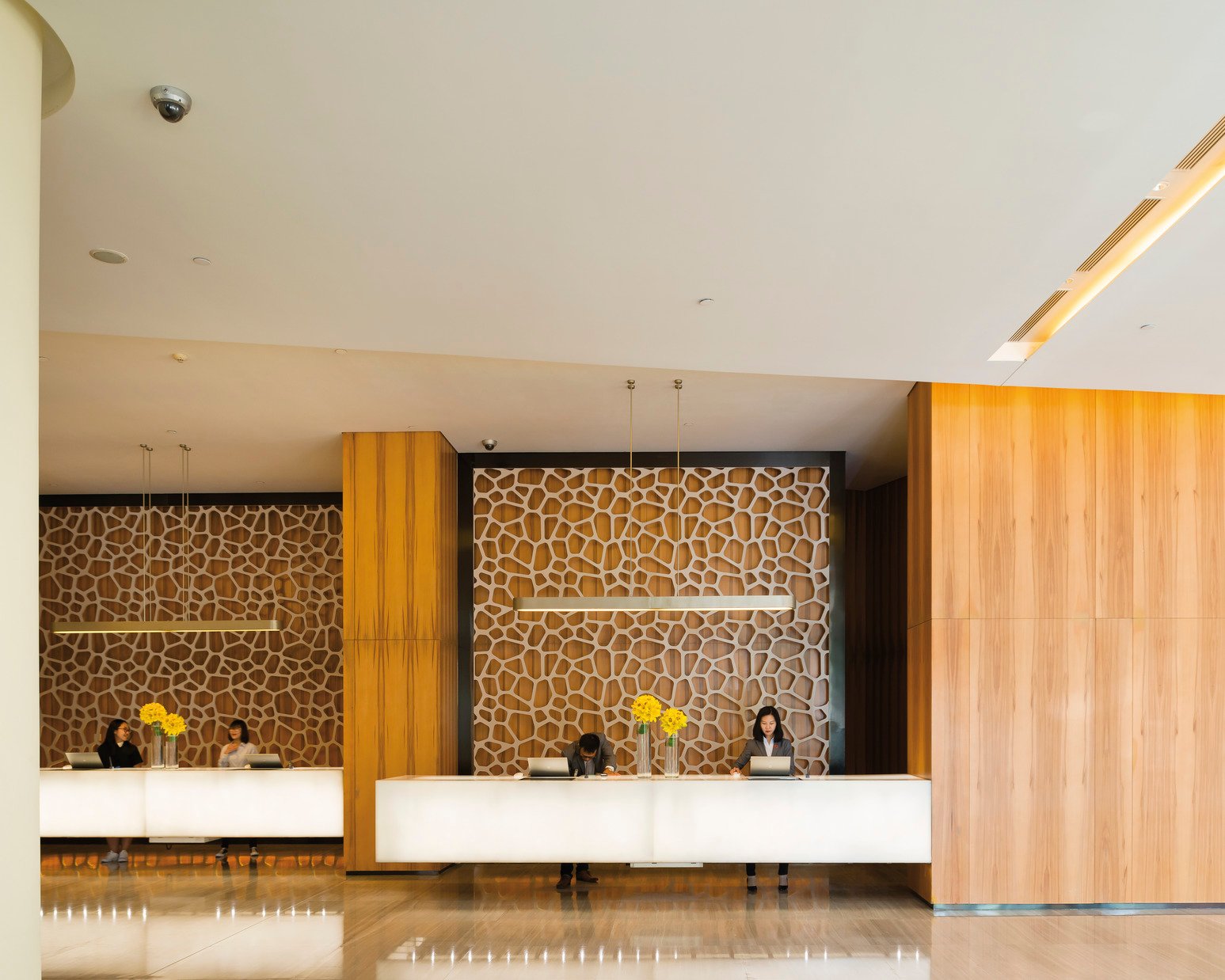 EAST Hotel, Beijing, Benoy
Hotels have traditionally been designed as destinations. But I believe they should become neighbourhood infrastructure.
The hotels that will thrive are those that locals will use without ever booking a room – whether that's for work, dining, fitness, culture, events or simply meeting friends. Hotels have an opportunity to become active contributors to urban life rather than isolated destinations.
As many traditional civic spaces decline, hotels have an opportunity to become part of a city's social infrastructure and supporting communities. They can become places where locals and visitors naturally overlap, creating everyday opportunities for connection.
7. What role can hospitality spaces play as modern third places?
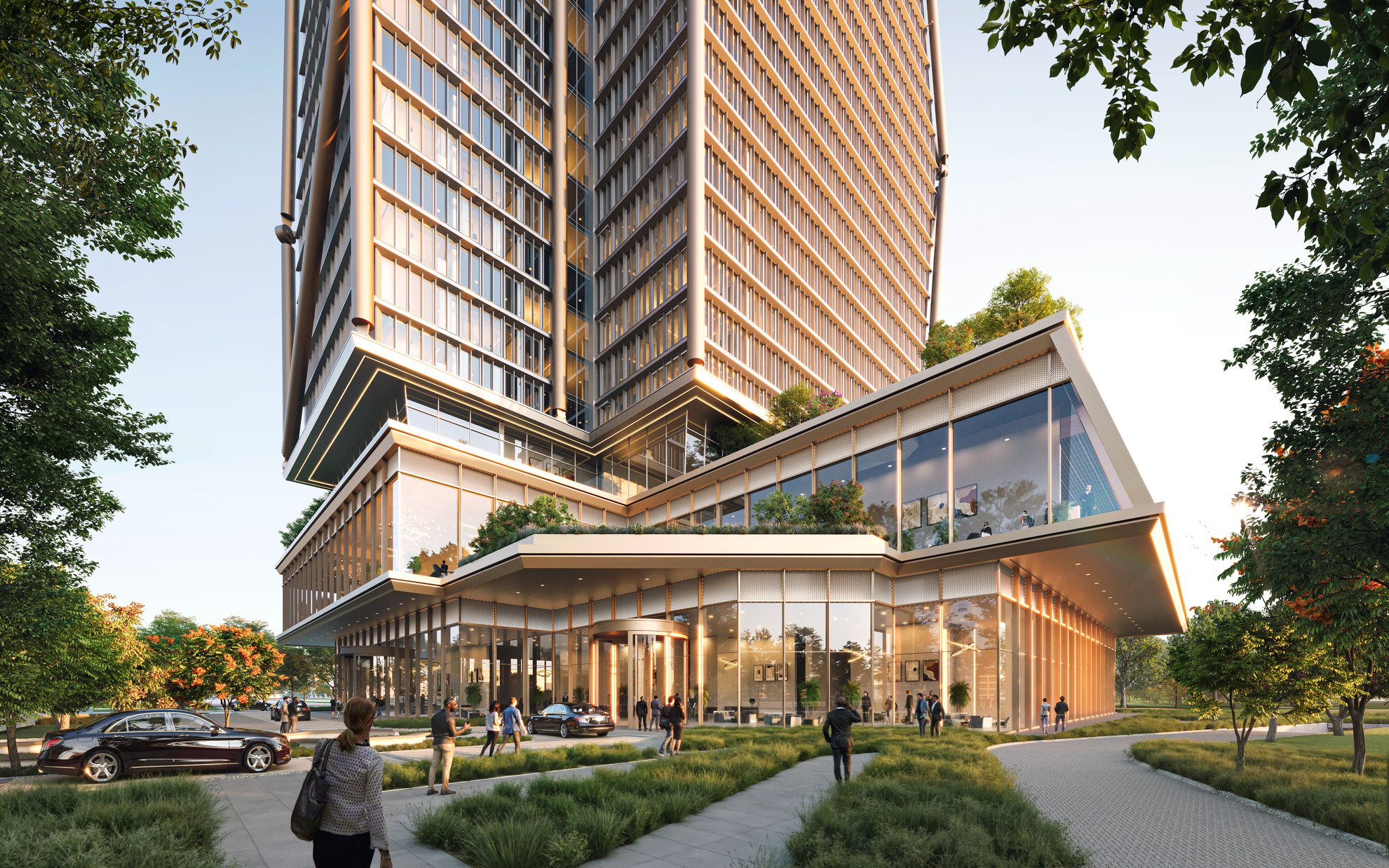 Ritz Carlton Hotel, Tashkent, Uzbekistan, Benoy
As our lives become increasingly digital, informal places where we can connect become even more valuable.
Hospitality spaces are uniquely positioned to become the modern third place because they're built around choice rather than obligation. People don't have to be there. They choose to be there. That voluntary sense of belonging is one of the greatest measures of a successful place.
Hospitality spaces give people something that's becoming increasingly rare: the freedom to choose how they want to spend their time and who they want to be in that moment.
Whether that's meeting friends, working quietly, celebrating or simply watching the world go by, the best third places create a sense of belonging without expectation.
8. How are changing patterns of work, travel and social life influencing the types of spaces cities need?
For decades, cities were organised around separate functions. You lived in one place, worked in another, shopped somewhere else, and relaxed somewhere different again.
But modern life has dissolved those barriers. Our lives have become more integrated, and as a result, we need our buildings to do the same.
We need spaces that can accommodate dichotomies: work and leisure, efficiency and care, autonomy and connection.
Architecture has traditionally been organised around functions, but going forward, it needs to be organised around behaviours.
The future belongs to places that embrace those apparent contradictions and respond to changing human behaviour rather than a single predefined function.
9. Where is stronger collaboration needed between developers, landlords, designers, operators and placemaking specialists?
The biggest missed opportunity is that hospitality is too often introduced after a masterplan is largely complete. By then, many of the most important decisions have already been made.
I believe hospitality should be part of the conversation much earlier—not simply to select operators, but to shape experiences and influence how people arrive, move through, interact with and remember a place.
Great places are achieved when many perspectives work towards a shared vision from the very beginning, and hospitality needs to be part of this.
10. What will define successful hospitality-led places over the next five years?
The best places won't simply influence how people feel while they're there. They'll give people the freedom to decide who they want to be in that moment—whether that's productive, social, reflective or simply free from the everyday.
I don't think success will be measured by visitor numbers alone, because the places that thrive won't simply maximise footfall or dwell time. They'll become part of people's everyday routines and somewhere that people want to spend their time.
They'll adapt to the changing rhythms of modern lives, offering autonomy when people seek independence, connection when people seek community, and the freedom to move naturally between the two. Ultimately, they'll give people something increasingly valuable: connection, belonging and the freedom to feel unhurried.
Because hospitality is a way of thinking about human experience. And as our lives continue to change, the role of architecture won't simply be to design buildings—it will be to design the behaviours, relationships and experiences they enable.
