-1.png?width=3330&height=698&name=TGP%20International%20Logo%20White%20(1)-1.png "TGP International logo")
Wellness has become central to how many people perceive value. Across hotels, restaurants, retail and entertainment, it now shapes how guests choose where to spend time, how they experience a venue and whether a brand feels aligned with what they stand for.
For designers, operators and owners, the role increasingly involves translating wellness principles into projects of all kinds, at different scales and formats. It shapes decisions on how menus are designed, about materials, colours and lighting, and how brands communicate with their audiences.
This can mean integrating wellness as a new form of luxury in hotels, or single restaurants or coffee shops that promote calm, pause and recovery in busy urban settings. It can also mean food concepts rooted in transparency and integrity, or environments that support community as much as individual well-being.
Read Our F&B Hospitality Trends Report for 2026
KEY NUMBERS
- 80% of global consumers name wellness as a top life priority, and 42% describe it as a core value shaping where they stay, eat and spend (Global Wellness Institute, 2025)
- Brands that successfully build community and belonging can outperform peers by up to 40% in customer lifetime value (McKinsey & Company, 2025)
- 60% of high-end travellers prioritise hotels that offer meaningful plant-based dining options (Accio, Hotel Food & Beverage Trends 2025)
- 57% of global travellers seek sustainable accommodation, yet fewer than half trust brand sustainability claims (Deloitte, Sustainable Consumer Report 2025)
- 45% of Middle Eastern consumers say they would pay more for food that supports soil health and biodiversity (PwC Middle East, Voice of the Consumer 2025)
Explore How Wellness Could Shape Your Next Hospitality or F&B Concept
KEY TRENDS IN WELLNESS, HOSPITALITY & F&B
|
Mindful consumption |
The rise of low- and no-alcohol menus, wellness nightlife, lighter formats and alcohol-free social spaces reflects changing attitudes towards moderation. |
|
Quiet luxury |
Understated, design-led environments that prioritise sensory refinement instead of a large spectacle. |
|
Selective Engagement |
Consumers becoming more deliberate in how and when they spend, seeking purpose-driven engagement with brands. |
|
Protected Spaces |
Environments that feel emotionally and socially safe, offering privacy without isolation. |
|
Access over ownership |
Guests seek flexible participation rather than long-term commitment. |
|
Slow Escapes |
Short breaks prioritising rest, nature and local immersion, replacing status-driven vacations. |
|
Mood-Responsive Hospitality |
Ambience, service and menus that adapt fluidly to mood or moment |
|
Wellness Nightlife |
Nightlife shifting toward healthier, more relaxed formats with lighter food, alcohol-free drinks and calmer environments focused on wellbeing. |
|
Wellness Pit Stops
|
Functional spaces and restorative zones such as hydration lounges, nap pods and mindfulness areas |
|
Micro Communities |
Niche circles forming around shared passions, from food and art to wellness, prioritising intimacy and connection over scale in a time when loneliness and isolation are high. |
Explore How TGP International Create Wellness-Focused Events
DEVELOPING WELLNESS CONCEPTS & BRANDS THAT PEOPLE TRUST
As the wellness market matures, a degree of scepticism has also grown. Many consumers have encountered big promises around health, sustainability or self-improvement that have felt thin or inconsistent.
There is also a clear trust gap, particularly where claims around sustainability and wellbeing feel more like mainstream marketing tactics rather than practice.
People are becoming more discerning in how they distinguish between brands that talk about wellness and those that embed it across the whole experience. They take more time to understand intent and look more deeply into the ideas behind a project, the choices being made over time and whether there is a clear point of view rather than a collection of trends.
In this context, certain qualities seem to matter more than they once did in the development of concepts and brands in hospitality and F&B. Emotional relevance often resonates more than technical jargon. Transparency across touchpoints builds credibility. And inclusivity and accessibility help broaden participation rather than gatekeep it.
Narrative sits alongside this. When a clear and consistent story emerges from the location, the people involved and the surrounding community, it tends to feel more natural.
From our vantage point, integration across disciplines can help. Strategy informs the concept. The concept shapes the brand. The brand sets the tone for design, service and programming. When these elements are developed in conversation with one another, wellness becomes less of a statement to promote and more of a steady thread people can recognise, trust and return to over time.
See How Our Marketing Team Helps Brands Communicate Wellness
|
Kayanee
|
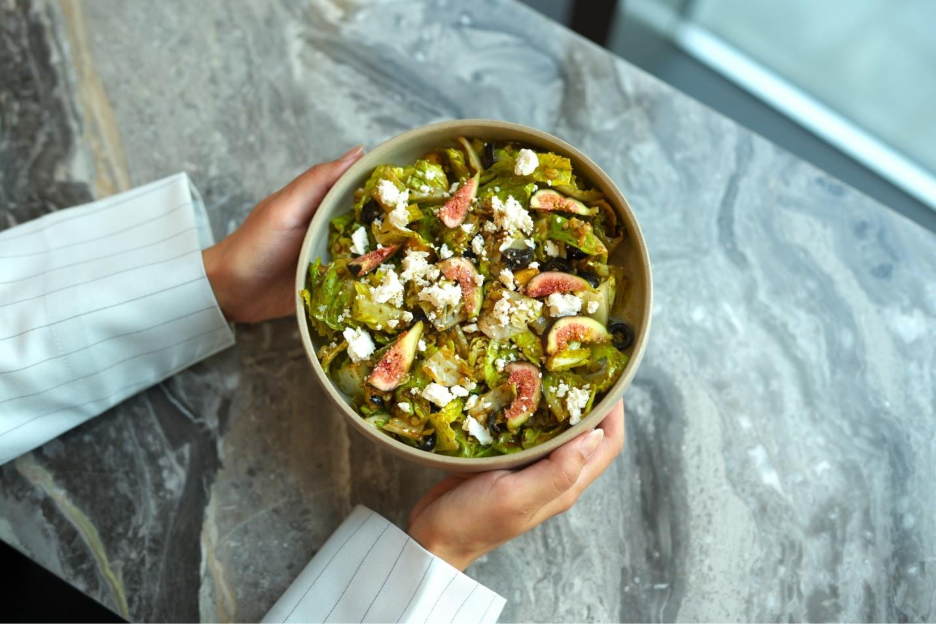
Kayanee is a new wellness brand focused on advancing women’s health and everyday wellbeing in Saudi Arabia. Built around technology, science and lifestyle insight, it brings together fitness, care, diagnostics and education to create a supportive ecosystem for women at different life stages. Food plays a central role in this vision, supporting energy, clarity and recovery through choices that feel enjoyable and sustainable. Within this framework, TGP International worked with Kayanee to shape an F&B offer that makes nourishment part of daily life. Menus lean toward functional ingredients, nutrition-aware options and familiar favourites, creating spaces that feel welcoming while quietly supporting different routines and lifestyles. In doing so, the F&B experience reinforces Kayanee’s commitment to women’s wellness through thoughtful environments and meaningful everyday habits. |
What Makes a World-Class F&B Concept?
WELLNESS IN BUILT ENVIRONMENT AND INTERIOR DESIGN
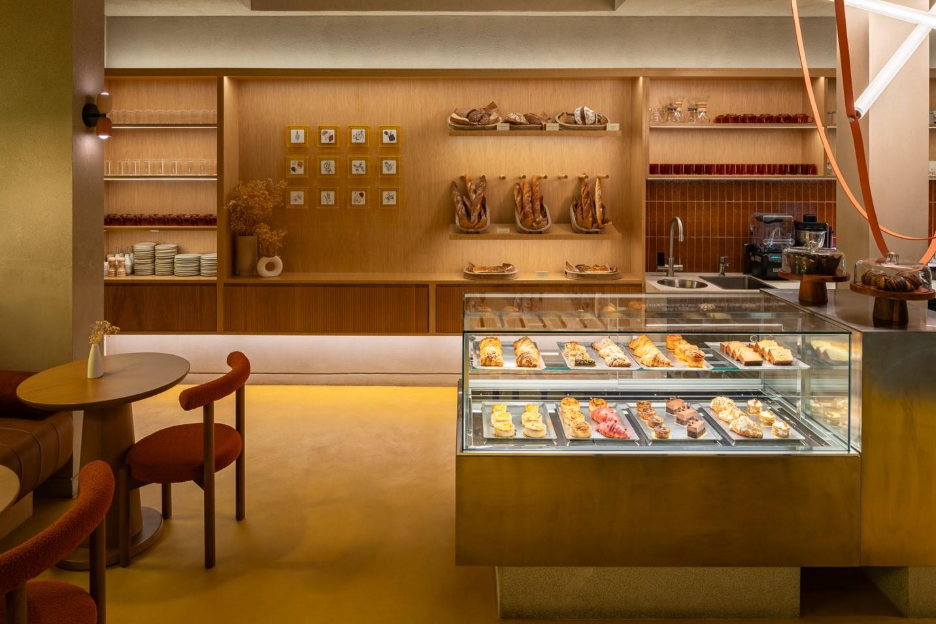
The way buildings manage light, sound, airflow, temperature and spatial flow has measurable effects on stress, focus, rest and social interaction. Wellness is increasingly being understood through this lens of environmental influence.
Decisions about layout, materials and spatial rhythm shape how easily people can slow down, recover or connect with others. There is growing demand for spaces that can support workshops, talks or group activity as part of community building, alongside venues that can shift across the day into the evening, adapting to different moods and forms of use.
We see this applied at different levels. In some projects, the emphasis sits on sustainability, natural materials and tactile finishes that create warmth and familiarity. In others, wellness is approached more comprehensively, drawing on principles similar to longevity architecture, where the building is conceived as closely connected to the human nervous system and designed to regulate rather than overstimulate.
When the physical environment supports the underlying concept and purpose of a project, the space tends to feel calm and trustworthy. Where misalignment exists, the experience can feel noisy or fragmented, even when the interiors appear visually impressive.
Learn How We Approach Interior Design
|
Seed & Bloom Community Cafe
|
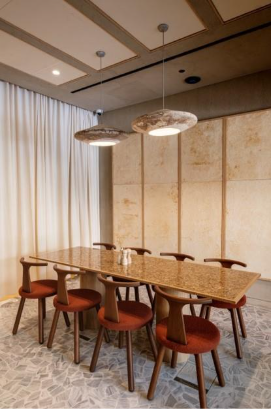
Seed & Bloom is a café concept created to support everyday connection, learning and social interaction. Developed with input across our strategy, concept, design and operational teams it was created as a community-led space where people can spend time, meet others and feel more rooted in their community. The concept draws inspiration from nature and craft, with an emphasis on warmth, simplicity and care in both product and environment. Guests are encouraged to leave with more than a meal, whether that means a conversation, a skill learned or a stronger sense of belonging to the place around them.
|
INTEGRATING WELLNESS INTO OPERATIONS AND SERVICE
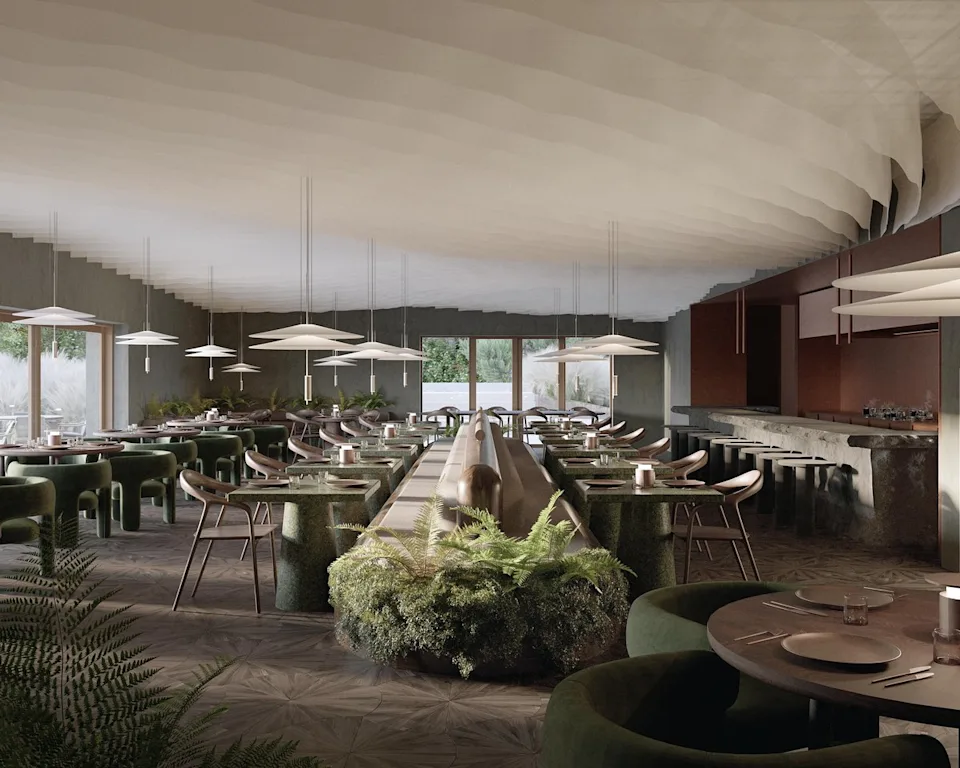
If design establishes the conditions for well-being, operations determine how reliably those conditions are felt. Increasingly, guests expect wellness to be expressed not only in amenities, but in the everyday behaviours, rhythms and decisions that shape their experience.
Experience-led operations are shifting attention toward the quality of feeling created. Performance is assessed not only through revenue, but through indicators such as dwell time, guest mood, return visits and long-term loyalty. These signals offer a more nuanced picture of whether a place genuinely supports comfort, recovery and social ease.
Within this, certain service characteristics are gaining importance. Invisible care and emotionally aware hospitality help guests settle without constant intervention. Staff are present, but not prescriptive. Flexible pacing allows people to move at their own rhythm, whether they want to slow down, observe or stay active. Operational systems that give teams room to adapt, rather than rely on rigid scripts, tend to create experiences that feel more natural and human.
As this approach matures, wellness becomes less about isolated gestures and more about coherence across touchpoints. When service, environment and intention align, people are more likely to feel understood, not managed, and the experience becomes something they want to revisit rather than simply consume.
.jpg?width=596&name=arman-stepanyan-x1AA1qifd70-unsplash%20(1).jpg)