-1.png?width=3330&height=698&name=TGP%20International%20Logo%20White%20(1)-1.png "TGP International logo")
Interior Design,
Saudi Arabia,
Wellness
Wellness travel has grown from a niche offering to a mainstream force shaping how people plan, book and experience trips.
Guests now prioritise physical, mental and emotional wellbeing over traditional sightseeing in many cases. From spa escapes to data-informed longevity programs, wellness-focused travellers are looking for trips that restore, reset and elevate the mind and body.
In response, forward-looking hospitality brands are embedding wellness into their core strategy. In our view, achieving this requires an integrated approach that brings together design, operations, marketing and strategic advisory from the earliest stages of concept development.
What Is Wellness Travel and Why It’s So Big in 2026
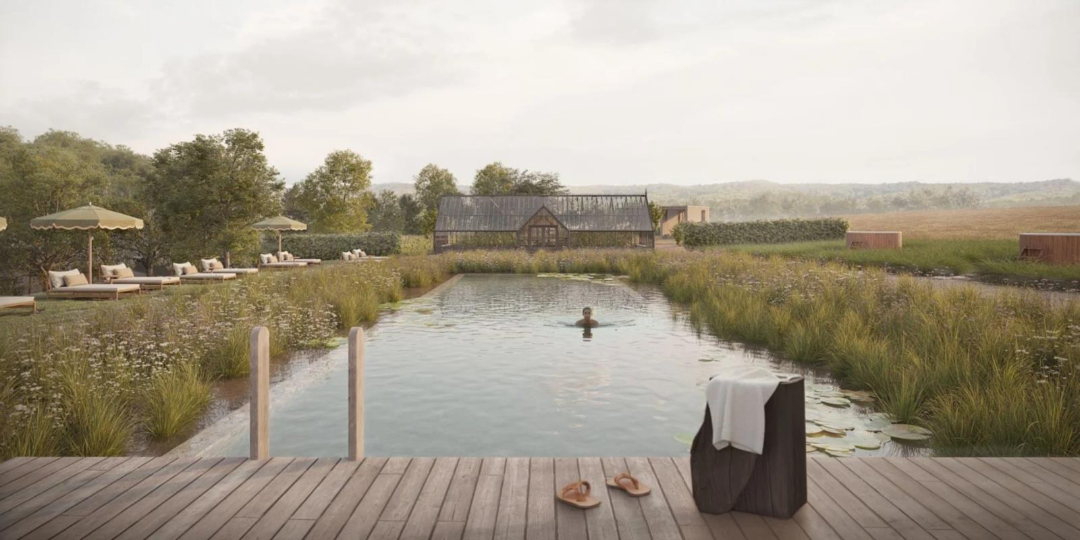
Wellness travel refers to trips where the primary goal is to enhance, restore or strengthen overall wellbeing.
Guests seek experiences that help them rest, recover, reset or grow, through treatments, nature immersion, fitness retreats, mindfulness practices, healing therapies, socialising and personalised health journeys.
Data shows that wellness travellers spend more, travel differently and expect experiences tailored to their needs. Key insights include:
- Global Market Size - USD 990 billion in 2025, projected to exceed USD 1 trillion in 2026, approaching USD 1.7 trillion by 2030–35.
- Faster Growth than General Tourism - Wellness trips account for over 8% of global tourism but nearly 18% of tourism spending.
- Health-Focused Decision Making - 57% of travellers choose trips specifically for health improvement; nearly half actively seek mental wellness experiences.
- Domestic Wellness Travel - Over half of wellness activities occur domestically, reflecting how embedded wellness is in local travel behavior.
- Diversifying Experiences - Personalised wellness journeys, nature retreats, holistic healing and digital detoxes continue to drive growth.
As wellness travel becomes mainstream, hospitality brands are increasingly embedding wellbeing deeply into operations and guest experiences rather than treating it as an optional add-on. Some of the leading hotel brands expanding or dominating in the wellness space include:
Six Senses Hotels Resorts Spas
A pioneer in wellness-led hospitality, Six Senses integrates holistic wellbeing into every aspect of its properties, from spa and health-driven programming to sleep, nutrition and sustainability-focused offerings, and is continuing to grow its portfolio globally as part of IHG.
Even Hotels (IHG)
Launched with a core wellness focus, Even Hotels is designed around health and fitness amenities, encouraging guests to maintain wellbeing routines on the road, and is expanding its global footprint.
Hyatt (Miraval & Exhale)
Hyatt has embraced wellness through the acquisition of Miraval Group, a respected wellness resort operator, and Exhale spa/fitness concepts, bringing holistic health-oriented experiences into its broader portfolio.
Westin Hotels & Resorts
Part of Marriott International, Westin has long positioned itself as a wellness-centric brand with holistic programs focused on Sleep Well, Move Well, Eat Well, Feel Well and more, including run-focused initiatives and fitness offerings integrated into stays.
Other notable brands and operators that are increasingly associated with wellness-focused travel include One&Only Resorts, Banyan Tree Group and boutique retreats like Chiva-Som, all known for immersive experiences that go beyond traditional spa services into holistic wellbeing and lifestyle programming.
These brands illustrate how wellness has shifted from a niche amenity to a defining pillar of how hospitality experiences are designed and delivered today.
Explore Our Wellness F&B & Hospitality Solutions
Wellness Travel Trends in 2026 – From Spa-Centric to Whole-Property Wellness
Hotels and resorts are evolving into restorative ecosystems. Whole property wellness now includes everything from design, lighting, acoustics, air quality and spatial flow.
Food & Drink as Functional Wellness
Nutrition is becoming more intentional. Guests expect:
- Functional ingredients
- Personalised nutrition
- Gut-health-focused menus
- Anti-inflammatory culinary strategies
Balance matters. Wellness dining only works when food is actually enjoyable to eat. Food that is technically “good for you” but joyless will never become habitual, and habits are where real wellness is achievable. Successful wellness-led concepts understand that nourishment and enjoyment are not opposing ideas.
Transparency and storytelling should not be an afterthought and must be integral to the wellness experience itself. Guests want to understand what they are eating, where it comes from and why it matters. Clear sourcing, honest menus and thoughtful narratives build trust and turn a meal into a meaningful moment.
Food and beverage–led hospitality sits at the heart of modern wellness. It is often the most frequent, tangible and emotional point of contact guests have with a wellness brand. When done well, dining becomes a daily expression of care, reinforcing wellness not as an occasional treatment, but as a way of living.
Personalised and Data-Informed Wellbeing
Technology can enhance tailored wellness guest journeys, encompassing things like pre-arrival health questionnaires wearable or biometric tracking and AI-powered recommendations, allowing experiences to be adjusted to individual preferences, energy levels and emotional states.
The challenge is balancing personalisation with privacy and comfort, ensuring guests feel supported rather than monitored.
Several hotels and wellness brands have integrated technology at their core. Equinox Hotels embed sleep, fitness, and nutrition tracking into the guest journey, adjusting rooms, recovery routines and wellness programming based on individual data.
Six Senses and Aman Resorts use pre-arrival consultations and activity tracking to personalise retreats, menus and schedules, while keeping technology subtle. Marriott and Accor leverage loyalty apps and CRM systems to recommend rooms, dining and experiences based on past stays, creating a data-informed personal touch at scale.
Meanwhile, platforms like Airbnb use behavioural data to suggest tailored experiences, from social activities to unique local adventures, based on guests’ search history, past bookings and group composition. This shows that meaningful personalisation can come from predictive insights rather than sensitive health data, helping venues anticipate needs, maximise engagement and enhance wellbeing.
Key systems include membership or guest apps, AI recommendation engines, and CRM-linked experience platforms, often paired with optional biometric integrations, all designed to create fluid, intuitive and emotionally comfortable journeys.
Nature, Place and the Rise of Regional Retreats
Long Lane is a sober members’ club rooted in nature-led recovery and integrated longevity, offering an alternative to conventional wellness travel. Set in the West Sussex countryside, it provides immersive, regenerative experiences that support long-term physical, mental and emotional resilience, without the need for long-haul journeys. Thoughtful concept development and site planning ensure that longevity practices, community and the natural environment are seamlessly aligned with the local landscape and cultural context.
Young people are driving this trend. For instance, the number of 18–25-year-olds joining the National Trust grew 39% in the last year, with over 40,000 new members, and early data for 2025 shows a further 16% increase. Research shows this generation values heritage, landscapes and cultural experiences, demonstrating a willingness to invest time and money in nature-led wellbeing.
National Trust ambassadors and youth networks highlight that these spaces provide calm and restoration amid climate anxiety, cost pressures and digital overload. Regional retreats that combine nature and wellness programming are uniquely positioned to engage younger audiences while supporting physical and mental wellbeing.
The Growth of New Wellness Technology & Data Informed Systems
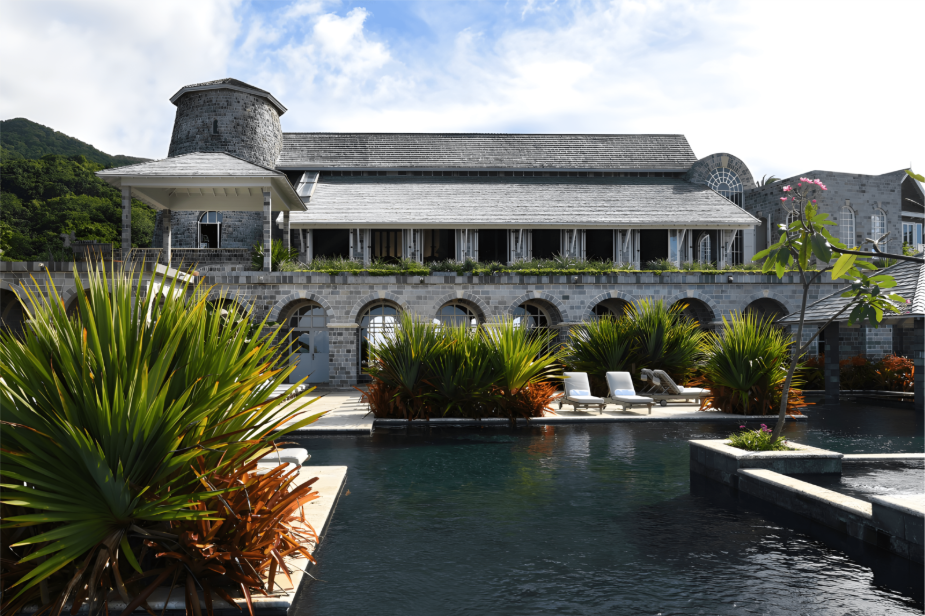
Wellness travel is increasingly driven by technology-enabled experiences. Luxury properties are integrating biometric monitoring, advanced diagnostics and AI-powered health assessments into their offerings.
New concepts like “med-cations” leverage these tools to design trips centred on active health optimisation, using real-time data to personalise exercise, nutrition and recovery rather than relying on passive relaxation. Examples include:
- SHA Wellness Clinic Mexico blends clinical expertise with hospitality to deliver structured, data-driven programs, showing how technology can transform wellness from aspirational to actionable.
- The forthcoming Estate Resort exemplifies this next generation of wellness travel. It will integrate genome sequencing and AI diagnostics to create fully personalised health journeys, using each guest’s genetic profile, biometrics and lifestyle data to inform nutrition plans, exercise regimens, recovery protocols and stress management. The resort is designed as a holistic environment where clinical insights, technology and luxury hospitality converge, ensuring that every aspect of the stay is optimised for measurable wellbeing outcomes.
Learn More About Our Operational And Advisory Services At TGP International
Operators Move Away From Wellness Washing
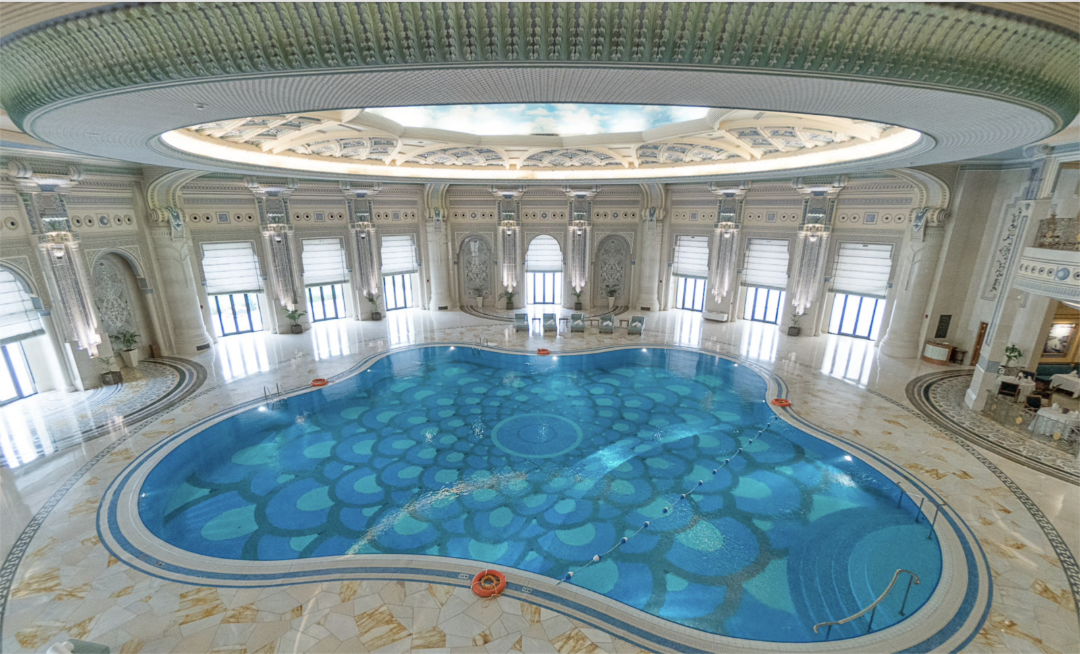
Wellness can’t be achieved through superficial features like infrared saunas or vitamin menus alone. Credible wellness requires:
- Clinical governance where medical services are offered
- Indoor environmental quality standards
- Sleep-supportive guestrooms
- Psychological safety and accessibility
- Evidence-backed claims
Effective wellness branding and marketing must be backed by operational reality.
Mental, Emotional and Social Wellbeing
Wellness is about reconnecting with others. Globally, loneliness is on the rise. The WHO links social isolation to depression and anxiety. Cities like Dubai, vibrant but transient, can amplify this feeling.
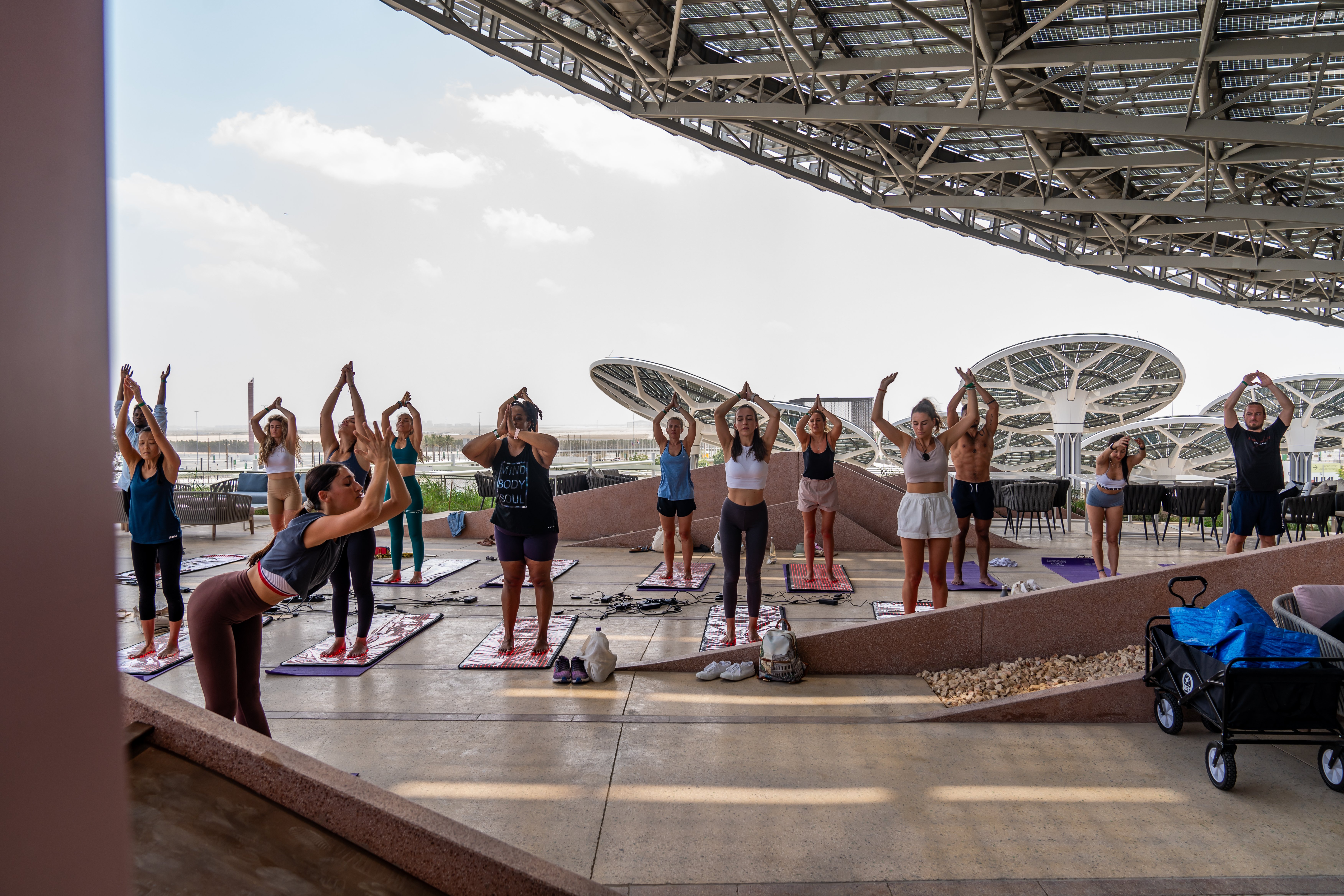
People are craving real connection, spaces where effort and authenticity break the ice. Sunrise runs along Kite Beach, padel matches, group cycling or wellness clubs like PEAQ are proving that fitness and friendship go hand in hand. These communities are about showing up and forming bonds that last.
Social wellness is now a strategy. Shared rituals, from breathwork to cold plunges, are creating modern sanctuaries for mental, emotional and physical wellbeing. Even travel is shifting the same way, offering spaces to reset.
In short, wellness is now shared, and in cities like Dubai, communities like these are becoming essential.
Movement, Recovery and Everyday Rituals
Wellness is moving beyond scheduled treatments to everyday, built-in support. From outdoor movement and flexible fitness to contrast therapy, sleep engineering and intelligent hydration strategies, the focus is on optimising how you feel throughout the day and night. At SIRO / One Za’abeel, this philosophy is reflected in 132 performance-optimised, sleep-engineered guest rooms designed with state-of-the-art technology to enhance physical and mental recovery, mitigate jet lag, elevate mood and deliver truly restorative sleep, making wellbeing a continuous experience.
Discover TGP International’s Management Solutions
Takeaways for Operators in F&B and Hospitality
From our experience working with brands and venues looking to enhance their wellness offerings, from luxury hotels to lifestyle-focused F&B brands, below are a few of our key takeaways for 2026.
|
Principle |
Key Insight |
|
Wellness Must Be Operational, Not Decorative |
Infrared saunas or vitamin menus alone won’t drive credibility. Multiple elements must be considered, from spatial design and service flow to menu planning and staff training. |
|
Human-Led Personalisation Is Crucial |
Guests expect tailored experiences, whether AI-informed or guided by staff. However, positive experiences should always be human led. |
|
Track How Guests Actually Feel |
Tracking things like participation, overall satisfaction and likeliness to recommend a venue or experience to friends can help operators to refine programs in real time. |
|
Integration Across Disciplines Is Critical |
Holistic wellness requires collaboration across design, F&B, operations and marketing. Siloed programs fail to deliver impact. |
|
Community and Social Connection Matter |
Mental, emotional and social wellbeing are increasingly important. Shared rituals, community spaces and human connection reinforce the wellness experience. |
|
Shorter, Frequent Trips Are Rising |
Micro-trips and weekend escapes are growing in popularity. Properties must deliver meaningful benefits quickly while encouraging repeat visits. |
|
Delivering Wellness Experiences Requires Careful Operational Planning |
Wellness programs often require higher staffing, specialised services, and technology to deliver the kind of “invisible service” that people expect. Delivering credible wellness requires:
|
Achieving Wellness Standards in Hospitality and F&B
Wellness travel has evolved from a niche offering into a defining driver of hospitality innovation. For brands to deliver credible and meaningful wellness experiences, the approach must extend beyond standalone programming or amenities. It requires an integrated operational strategy that aligns design, food and beverage, technology, service delivery and guest journey planning.
At TGP International, we support hospitality brands in evaluating how their properties align with evolving wellness expectations, translating industry insights into practical, measurable and experience-led frameworks. The following pillars reflect the areas increasingly shaping best-in-class wellness destinations:
- Longevity architecture and biophilic design
- Environmental health, including air, water and material quality
- Sleep optimisation and recovery environments
- Movement programming and physical culture
- Clinical, preventative and longevity-focused services
- Nourishment strategies and metabolic health integration
- Mindfulness, mental wellbeing and nervous system regulation
- Social wellbeing and community connection
- Staff wellbeing and operational culture
- Performance measurement and continuous guest experience improvement
If you would like to explore how your brand or venue aligns with emerging wellness standards, our team can provide strategic guidance tailored to your project’s positioning and operational goals.
