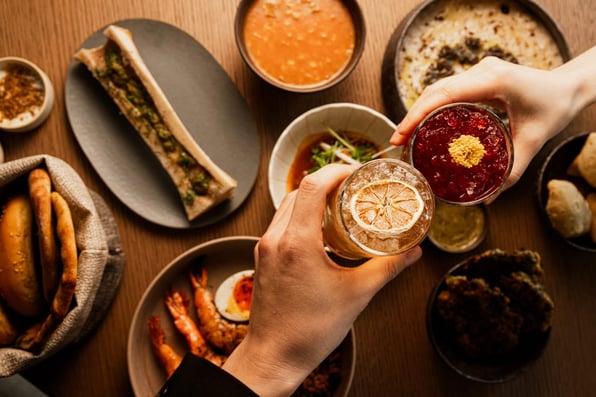
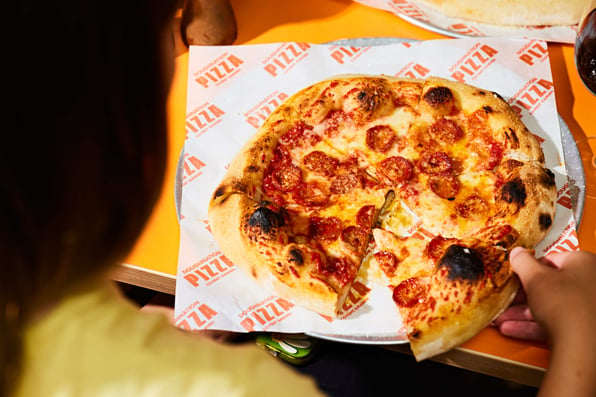
Food halls have become an increasingly popular addition to mixed-use developments, retail destinations and hospitality schemes, offering a flexible way to bring multiple food and beverage concepts together under one roof. Their appeal is clear, but creating a food hall that performs commercially over the long term requires more than bringing together a collection of popular operators.
A commercially sustainable food hall needs to balance customer demand, operator performance, rental structures, operational efficiency and the wider role the venue plays within its location. It must be attractive enough to generate consistent footfall while creating a commercial environment in which individual operators can succeed.
Start With the Right Location and Customer
The commercial performance of a food hall is closely connected to its location and the audience it is designed to serve. Understanding who will use the space, when they will visit and what they are willing to spend should inform decisions around the overall concept, tenant mix, pricing and operating hours.
A food hall in a business district may rely heavily on weekday breakfast and lunch trade, while one within a residential or leisure destination may need to generate stronger evening and weekend demand. The surrounding development also matters. Offices, hotels, residential buildings, retail, entertainment and public spaces can all contribute to footfall, but they create different patterns of demand.
Rather than designing a food hall around a generic idea of what is popular, the commercial model should begin with a clear understanding of the local market and the role the food hall is expected to play within it.
Build a Complementary Tenant Mix
One of the biggest advantages of a food hall is variety, but too much overlap can weaken the offer. If several operators compete for the same customer with similar products and price points, sales can become diluted rather than increased.
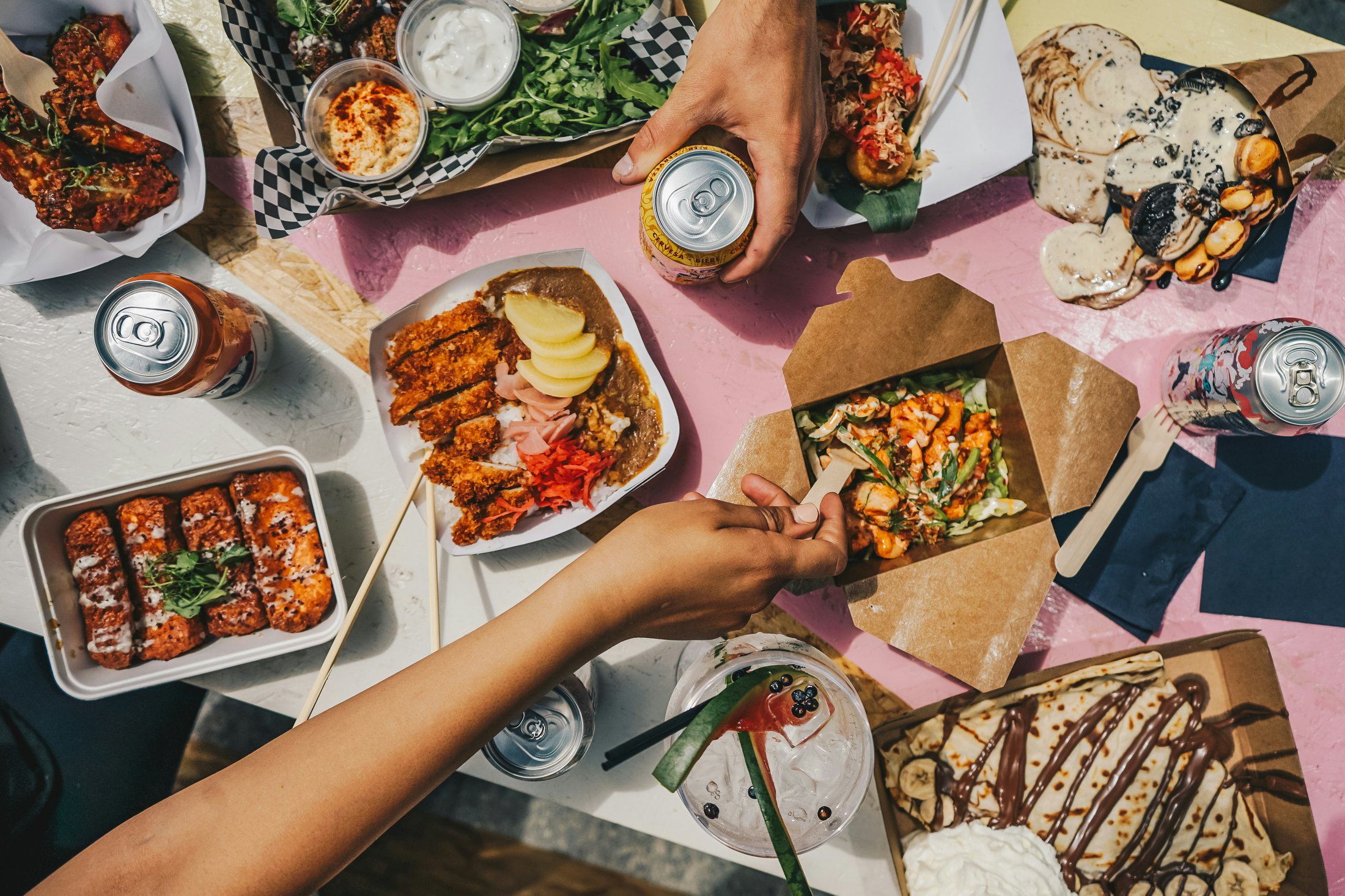
A strong tenant mix should create reasons to visit at different times of day and appeal to different customer groups. This could include coffee and breakfast, quick-service lunch, casual dining, premium food, snacks, desserts and drinks alongside more distinctive or experiential concepts.
The mix should also be commercially balanced. Well-known brands can help generate awareness and footfall, while emerging operators can introduce differentiation and give the food hall a stronger sense of identity. The objective is not simply to secure the most recognisable names but to create a collection of operators that work together commercially.
Design for Both Experience and Efficiency
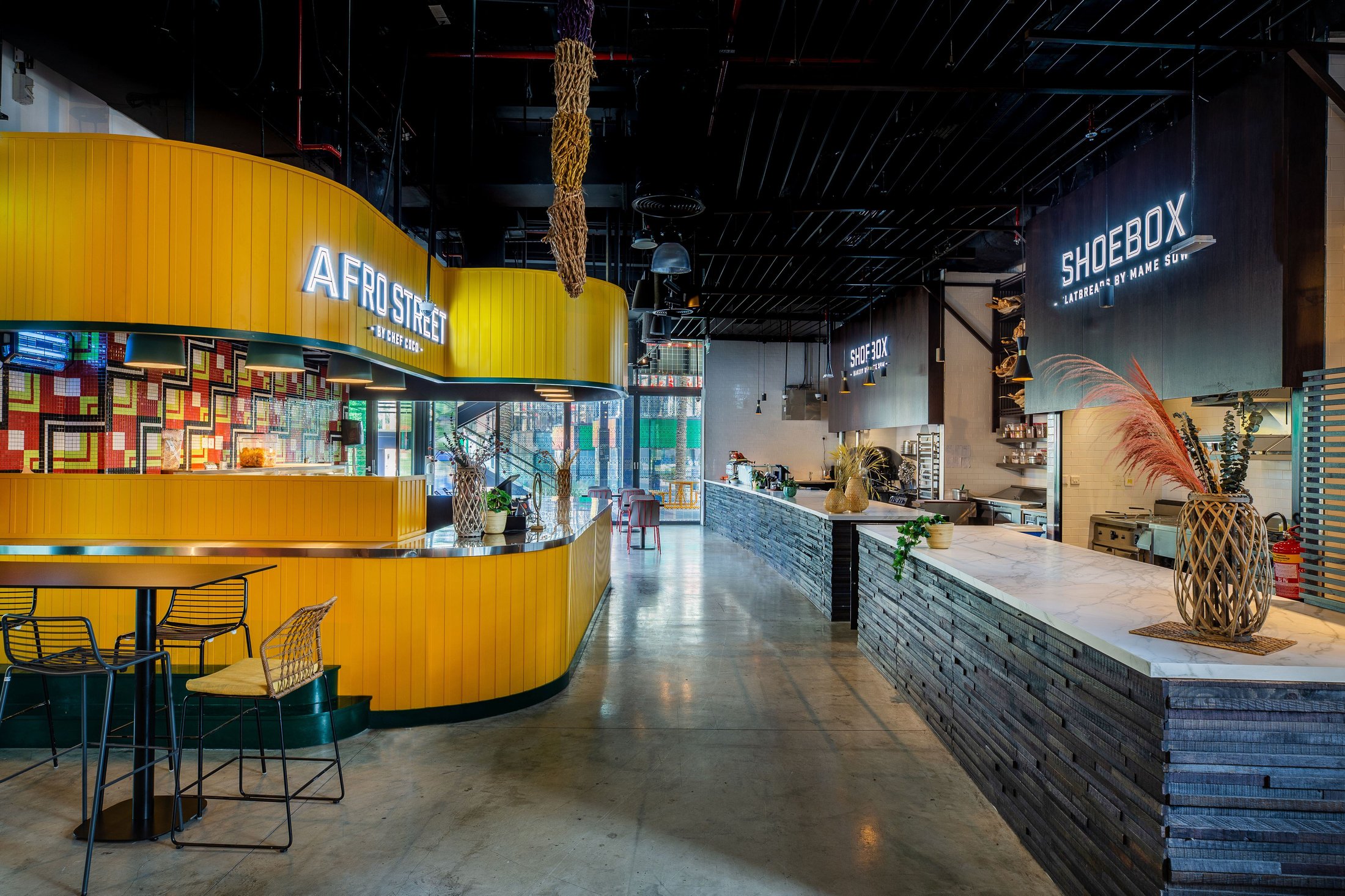 Food halls are often judged heavily on their visual identity and customer experience, but design decisions also have a direct impact on commercial performance.
Layouts need to encourage customers to explore the space while making ordering, collecting food and finding seating straightforward. Visibility between different areas can help create a sense of energy, while clear circulation reduces congestion during peak periods.
Behind the scenes, operational efficiency is equally important. Kitchen layouts, extraction, storage, waste management, deliveries, utilities and shared facilities all need to be considered early. Inefficient back-of-house operations can increase costs for operators and ultimately affect the long-term viability of the food hall.
The strongest designs therefore balance atmosphere with practicality, ensuring that the space looks appealing without compromising how efficiently it operates.
Create a Commercial Model That Works for Operators
A food hall cannot be sustainable if its operators are struggling to make their businesses work. High occupancy or strong opening sales do not necessarily indicate long-term commercial success.
Rental structures, service charges, fit-out costs, staffing, food costs and utilities all need to be considered alongside realistic sales projections. Operators should have a clear understanding of their expected costs and revenue potential before committing to the space.
For landlords and developers, this means looking beyond headline rent. A sustainable operator mix can generate stronger long-term value through consistent occupancy, customer retention and the ability to refresh the offer over time.
Keep the Offer Relevant
A food hall should not be treated as a finished product once it opens. Customer preferences change, new concepts emerge and individual operators will inevitably perform differently.
Commercial sustainability therefore depends on the ability to review and evolve the tenant mix. Underperforming concepts may need support, repositioning or replacement, while successful operators may create opportunities for expansion or new formats.
Programming can also help maintain relevance. Events, collaborations, seasonal activations and limited-time concepts can give customers new reasons to return without requiring a complete change to the permanent offer.
This creates a more dynamic environment and allows the food hall to respond to changing demand rather than relying solely on its original launch appeal.
Consider the Food Hall as Part of a Wider Destination
The most successful food halls rarely operate in isolation. Their commercial performance can be strengthened when they are integrated into a wider development or destination.
A food hall can increase dwell time within a mixed-use scheme, provide an active ground floor and create a social destination for residents, workers, visitors and hotel guests. Equally, surrounding uses can provide a consistent customer base for the food hall.
This makes its position within the wider development important. Access, visibility, signage, entrances and connections to surrounding public spaces can all influence whether customers discover and use the venue.
Measure More Than Footfall
Footfall is an important indicator, but it does not tell the full commercial story. A food hall can attract large numbers of visitors without generating sufficient revenue for its operators or landlord.
Performance should be considered across a range of measures including sales, average spend, dwell time, repeat visits, occupancy, operator performance and customer feedback. Understanding performance at both venue and individual operator level can identify where improvements are needed.
This data can then inform decisions around opening hours, programming, pricing, tenant mix and marketing.
Long-Term Sustainability Starts Before Opening
Commercial sustainability should be considered from the earliest stages of food hall development rather than addressed once the venue is operational. Market analysis, customer profiling, financial modelling, tenant strategy, operational planning and design should work together to create a commercially viable proposition.
The strongest food halls are not simply collections of restaurants. They are carefully planned destinations where the customer experience, operator economics and wider development strategy are aligned.
For developers, investors and operators, the key question is therefore not just whether a food hall can generate excitement at launch, but whether its proposition is strong enough to generate consistent demand, support profitable operators and adapt as the market changes.
At TGP International, we approach food hall development with this balance in mind, combining F&B strategy, concept development, design and operational expertise to help create destinations that are both compelling for customers and commercially sustainable.