
Launching an F&B concept can require significant investment across property, fit-out, equipment, staffing, branding, marketing and operations. Yet one of the greatest risks arises before these commitments are made: progressing without enough evidence that customers will want the concept.
A proposition can be creatively strong and still struggle commercially. The menu may not translate to the target market, the pricing may be misaligned, the service model may be too complex or the intended location may not attract the right audience.
Temporary formats can help test these assumptions before committing to a permanent site. Pop-ups, food trucks, food halls, markets and festivals allow brands to reach real customers, generate revenue and gather evidence to inform the next investment decision.
Decide What You Need to Learn
A temporary launch should have a clear purpose. Depending on the concept and its stage of development, an operator may need to test:
- Whether the proposition appeals to the intended audience
- Which products create the strongest demand
- What customers are willing to pay
- The likely average spend and transaction volume
- How efficiently the menu and service model can be delivered
- Which locations, occasions or dayparts offer the greatest potential
- Whether the brand is clear and memorable
- What might encourage customers to return
A test does not need to answer every question at once. Focusing on a few important assumptions will often provide more useful evidence than attempting to replicate the entire permanent concept.
Targets should be established before launch. These might include average spend, sales volume, food cost, service time or repeat visitation. Without clear measures, it can be difficult to distinguish genuine commercial potential from the temporary attention created by an opening or event.
Use Pop-Ups to Test the Wider Proposition
Pop-ups provide one of the clearest ways to understand whether an F&B concept has customer appeal. Operators can observe what people buy, how they respond to the experience and whether the proposition works in a live environment.
A pop-up can test menu selection, pricing, service speed, staffing, customer flow and brand positioning. It can also reveal which products become signatures and which ideas fail to translate from development into the customer experience.
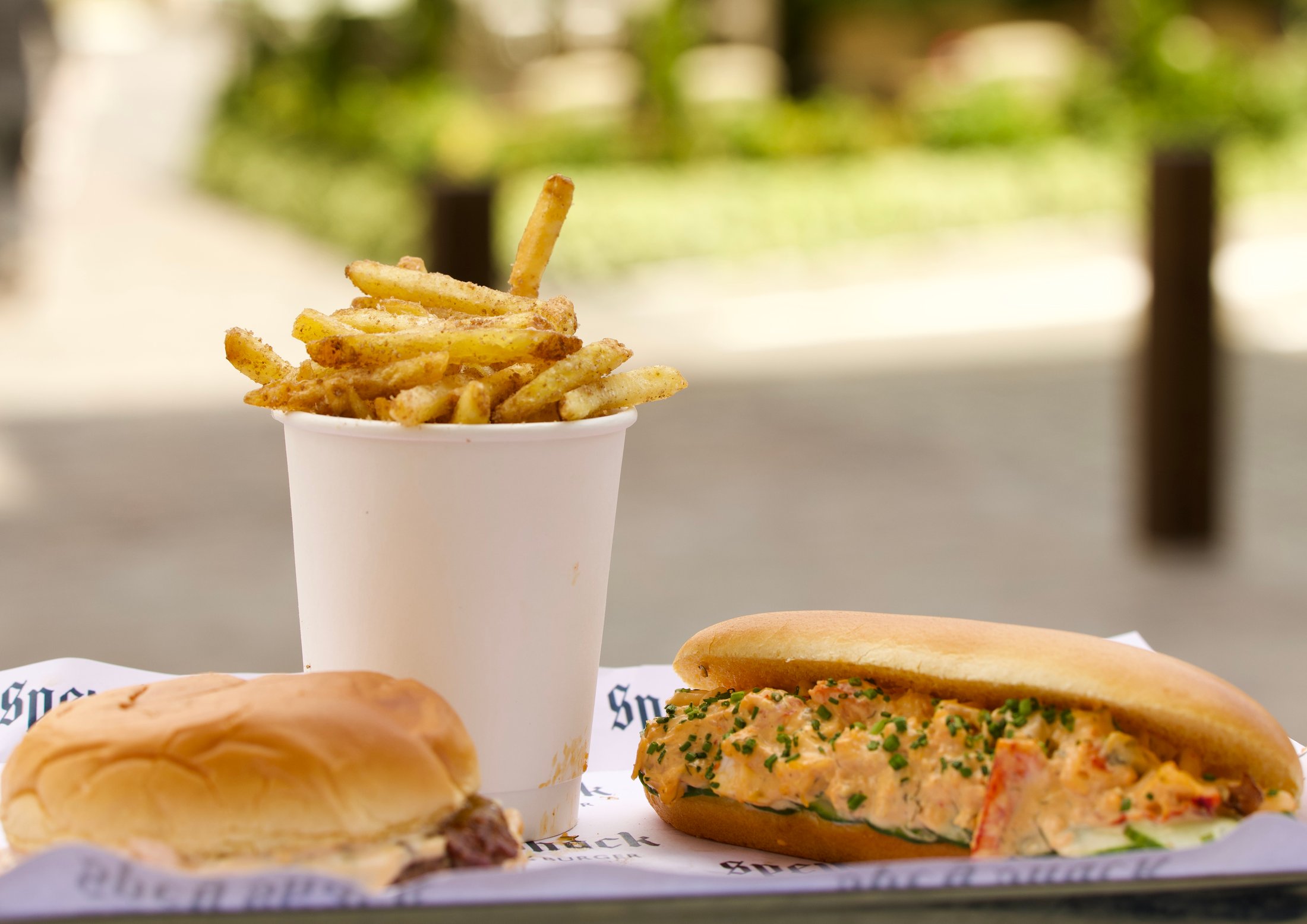
This was part of the opportunity behind Spey Shack’s residency at 3 Henrietta Street in Covent Garden. Originating from The Craigellachie Hotel in Speyside, the concept brought its Scottish-inspired offer of lobster rolls, Aberdeen Angus smash burgers and whisky-led drinks to London. The temporary residency introduced the brand to a new audience while providing an opportunity to understand how it translated beyond its original setting.
This approach is particularly useful when a brand is considering expansion into another city or country. A residency can provide local insight before the operator commits to a long-term lease and significant capital expenditure.
Floozie Cookies also demonstrates how an initial pop-up can help establish a proposition. Launching in Covent Garden allowed the concept to introduce its product and brand, build an audience and create a platform for subsequent growth.
Use Food Trucks to Compare Locations
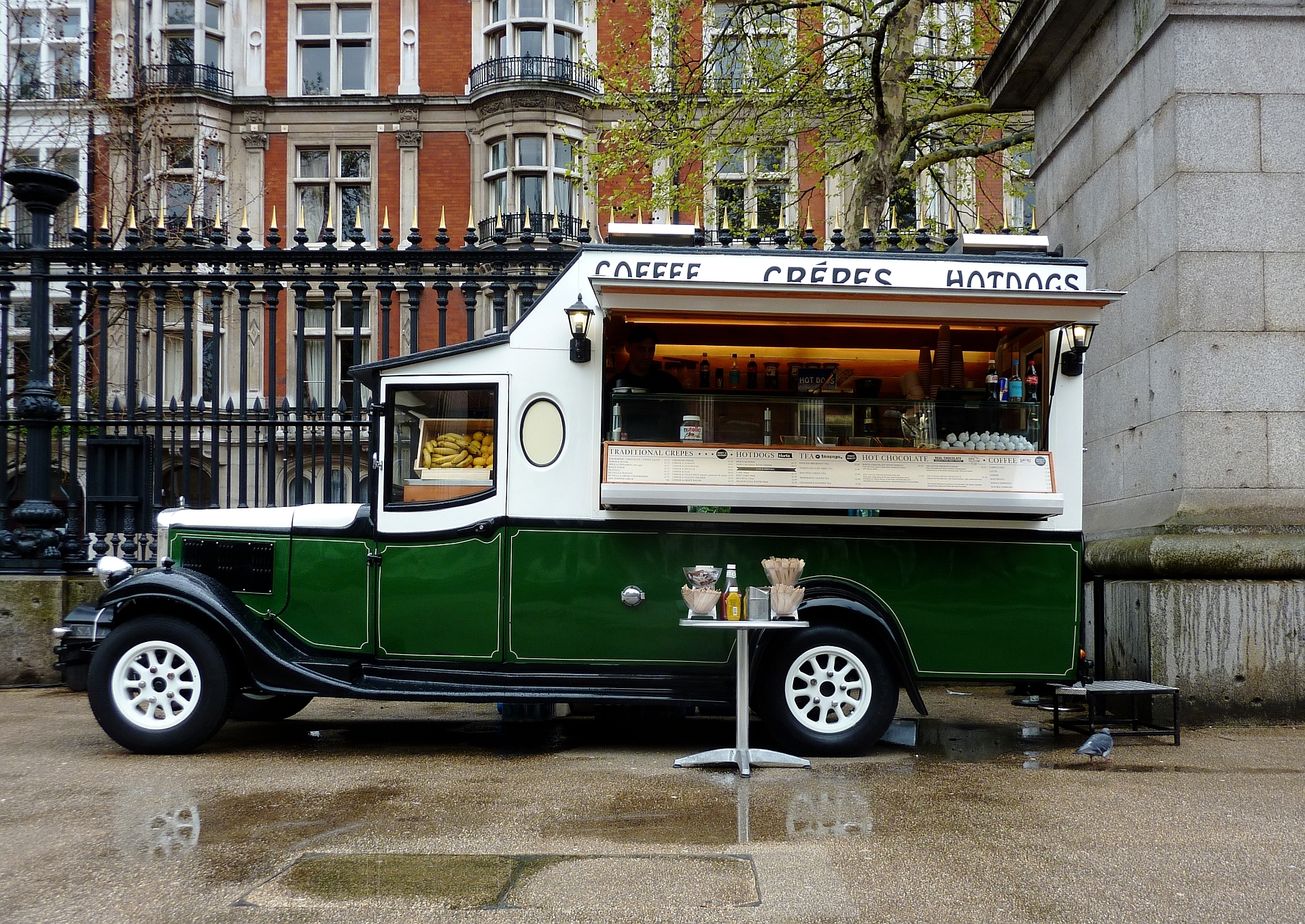
For concepts built around a focused menu, food trucks can provide a relatively flexible way to test products, pricing and demand.
Their mobility allows operators to compare different locations and audiences, such as office districts, residential neighbourhoods, visitor destinations and events. Sales volumes, average spend, customer feedback and peak trading times can help identify where the concept has the greatest potential.
A food truck can also be used to test several brands or menus through a rotating programme. This could give an operator, investor or developer a way to compare concepts before selecting one for a permanent space.
However, food trucks cannot test every aspect of a restaurant. They provide less insight into the interior experience, extended service or customer dwell time. The results should therefore be interpreted in relation to the intended permanent format.
Use Food Halls to Enter New Markets
Food halls can provide a route into a new city or country without the investment required for a standalone restaurant.
Emerging or international brands can access an established audience and shared infrastructure while testing how their proposition performs locally. A smaller footprint may also encourage a more focused menu, helping the operator understand its core products and commercial model.
For food hall owners and developers, this creates a potential pipeline of operators. Concepts can establish a following and demonstrate performance before being considered for larger spaces elsewhere in the development.
Food hall performance should still be interpreted carefully. A concept that succeeds within a popular destination may benefit from footfall generated by the wider venue. This does not necessarily prove that it could independently attract enough customers to support a standalone restaurant.
Use Markets and Festivals to Validate Products
Markets and festivals can provide a practical starting point for emerging brands that need exposure and initial customer validation.
A stall or temporary activation allows a business to identify which products attract attention and generate sales. It can also provide insight into pricing, production capacity and service speed, while generating content, social engagement and potential connections with partners or investors.
TGP International’s work on Festival of Cake at Expo City Dubai demonstrates how events can provide a platform for emerging businesses alongside established brands and chefs. For participants, the opportunity extended beyond sales during the event to include customer feedback, exposure and wider brand awareness.
However, high event footfall and limited availability can temporarily increase demand. Markets and festivals are useful for testing product potential, but they do not necessarily validate a complete permanent business model.
Measure Behaviour, Not Only Feedback
Customer comments can be valuable, but what people say they like and what they will pay for are not always the same.
A useful test should combine qualitative feedback with evidence of actual behaviour. Measures may include:
- Sales by item
- Average transaction value
- Customer volumes and peak periods
- Food cost, wastage and gross margin
- Preparation and service times
- Labour requirements
- Repeat purchases or visits
- Customer feedback and social engagement
The test should also identify what did not work. Operational bottlenecks, low-selling products, customer confusion and unexpected costs can be as informative as strong sales.
The objective is not to prove that the original idea was correct. It is to understand what needs to change before more capital is committed.
Use the Results to Make the Next Decision
A test should lead to a clear decision rather than simply create a period of exposure.
The evidence may support progression to a permanent site, but it could also suggest that another iteration is needed. The menu might need to be simplified, pricing adjusted, service processes redesigned or the brand positioning clarified.
The results may also indicate that a kiosk, food hall or delivery-led model is more suitable than the standalone restaurant originally planned. In some cases, choosing not to progress can be a positive outcome. Identifying limited demand or an unworkable operating model during a temporary activation can protect the business from a much larger loss.
Not every concept needs to follow the same route. One may move from a market stall into a food hall, another from a food truck into a neighbourhood location and another through a longer residency before entering a new market.
What matters is selecting the right test, recognising its limitations and using the evidence to decide what level of investment should come next.
Learn Before Committing
Testing cannot remove all the uncertainty involved in launching an F&B business. A temporary format will never perfectly replicate the costs, customer behaviour or operational demands of a permanent venue.
It can, however, replace some assumptions with real evidence. It allows brands to understand their customers, refine their menus, improve operations and build awareness before decisions become more expensive to change.
At TGP International, we work across concept development, design, operations, marketing and events to help F&B businesses develop propositions that are both compelling and commercially considered. Temporary formats can form an important part of this process, providing a structured testing ground before a business moves into its next stage of growth.
The question should not only be whether a concept is ready to launch. It should be what the business still needs to learn before making the full commitment.
