-1.png?width=3330&height=698&name=TGP%20International%20Logo%20White%20(1)-1.png "TGP International logo")
For decades, pop-ups, food trucks and temporary hospitality activations have often been used as short-term marketing tools, designed to generate attention, test concepts or fill vacant spaces.
Today, their role has become far more strategic. Across cities, mixed-use districts, retail environments, cultural quarters and regeneration projects, flexible F&B is increasingly being recognised as part of the infrastructure that helps places activate, adapt and evolve.
As cities respond to changing consumer behaviour, flexible work patterns, shifting retail models and growing demand for experience-led destinations, the role of food, beverage and hospitality is more widely recognised as a driver of footfall, dwell time, community, identity and long-term place value.
Within this context, pop-ups, food trucks, temporary kiosks, chef collaborations, markets and food-led events allow landlords, developers, operators and city stakeholders to bring energy into a place quickly, test demand, support local talent and create reasons for people to return.
At TGP International, we see flexible F&B as a vital component of the modern hospitality ecosystem, particularly when it is planned as part of a wider retail, dining and entertainment strategy rather than treated as a collection of isolated temporary events.
THE SHIFT TOWARDS EXPERIENCE-LED CITIES
The relationship between retail, hospitality and public space is changing.Consumers are increasingly choosing destinations based on experience, atmosphere and social value, not just convenience or transaction. This has placed greater emphasis on the role of retail, dining and entertainment in shaping how people use cities, town centres, shopping districts, cultural quarters and mixed-use developments.
This shift is particularly important as retail environments continue to work harder to protect relevance and footfall. In the UK, BRC-Sensormatic data for May 2026 showed total retail footfall down 2.6% year-on-year, even as wider retail activity showed signs of improvement. It is a useful reminder that transactions alone are not enough. Destinations need programming, F&B and experience-led activation to give people stronger reasons to visit, stay and return.
The strongest destinations today are not defined by a static tenant mix alone. They are shaped by programming, curation and the ability to offer different reasons to visit at different times of day, week and year.
F&B plays a central role because it sits between commerce, culture and community. Restaurants, cafés, food halls, markets, kiosks, food trucks and temporary dining concepts all contribute to the rhythm of a place. They create gathering points, extend dwell time and help turn developments from places people pass through into places they actively choose to spend time.
Flexible F&B formats bring a particular advantage to this environment. Unlike permanent tenants, pop-ups and food trucks can respond quickly to emerging trends, seasonal demand, changing demographics, cultural moments and local appetite. They allow destinations to evolve without relying only on long-term leases or major capital commitments.
Learn More About F&B Masterplanning
FLEXIBLE F&B AS AN URBAN ACTIVATION TOOL
One of the greatest challenges facing new developments and regeneration projects is how to create energy before a destination reaches maturity.
Large-scale schemes often take years to complete. Retail and hospitality leasing can be phased. Public awareness can take time to build. In the early stages, even well-designed places can struggle if there is not enough activity, visibility or reason to visit.
Flexible F&B helps bridge this gap. By introducing pop-up restaurants, food trucks, rotating vendors, chef residencies, markets, beverage concepts and community-focused food programming, developers can create immediate energy in underused spaces. This can establish awareness, generate footfall, test commercial assumptions and build confidence around future phases.
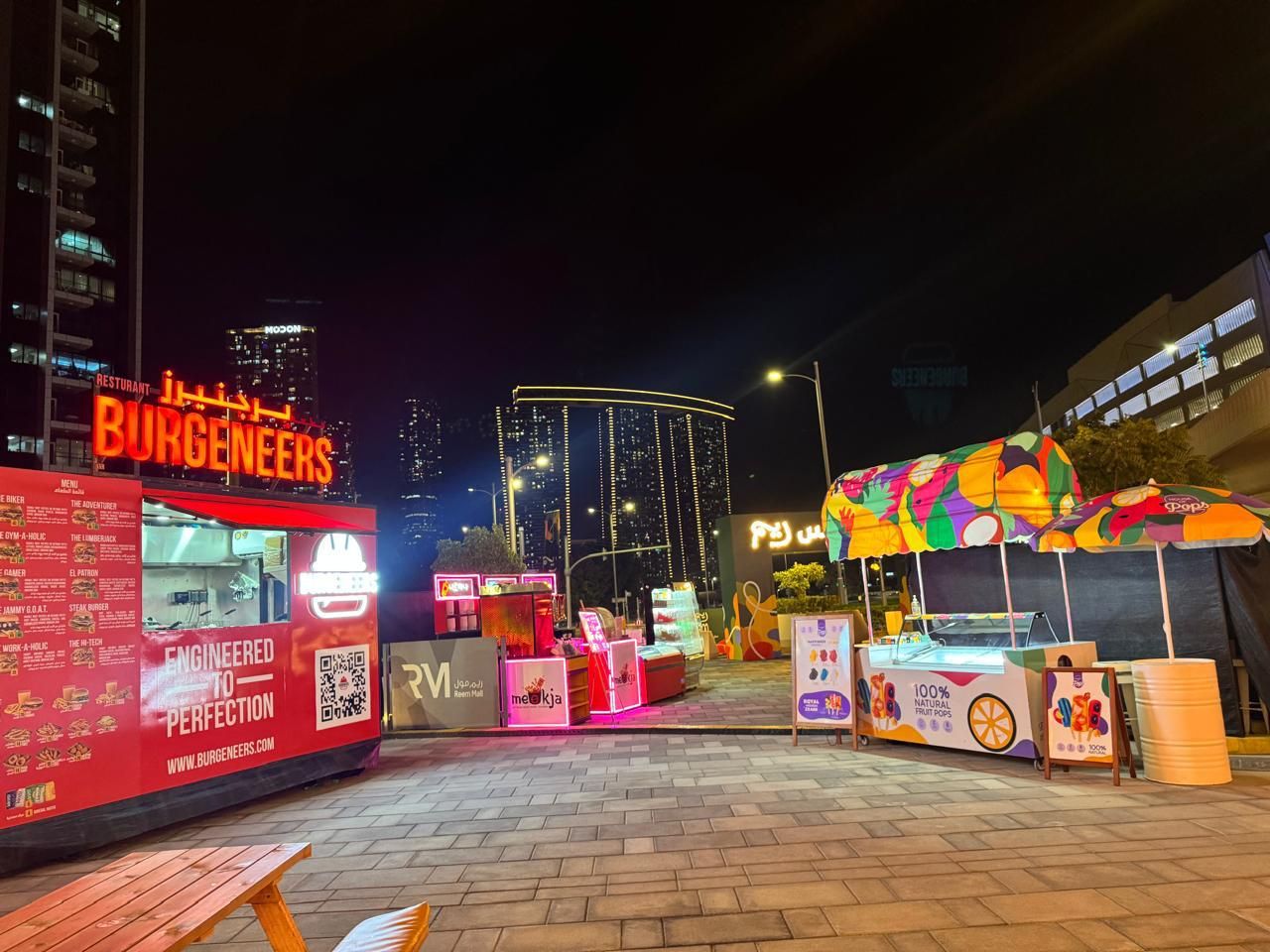
Food trucks are particularly valuable because they can bring a complete F&B offer into spaces with limited fixed infrastructure. A food truck takeover, rotating weekend line-up or roaming food truck programme can activate public spaces, construction-phase developments, event sites, waterfronts, parks, business districts and retail environments with speed and flexibility.
In this sense, flexible F&B can become the first chapter in a destination’s story. It allows a neighbourhood or development to begin forming its identity before the permanent offer is complete, while testing which cuisines, price points, formats and experiences resonate with local audiences.
For F&B masterplanning, this matters. A strong hospitality strategy is not only about deciding what should exist in a place once it is finished. It is also about understanding how the place should grow, how audiences should be built and how activation can support commercial and social momentum over time.
FOOD TRUCKS, MARKETS AND POP-UPS AS PART OF THE F&B MIX
The value of flexible F&B lies in the range of formats it can support.
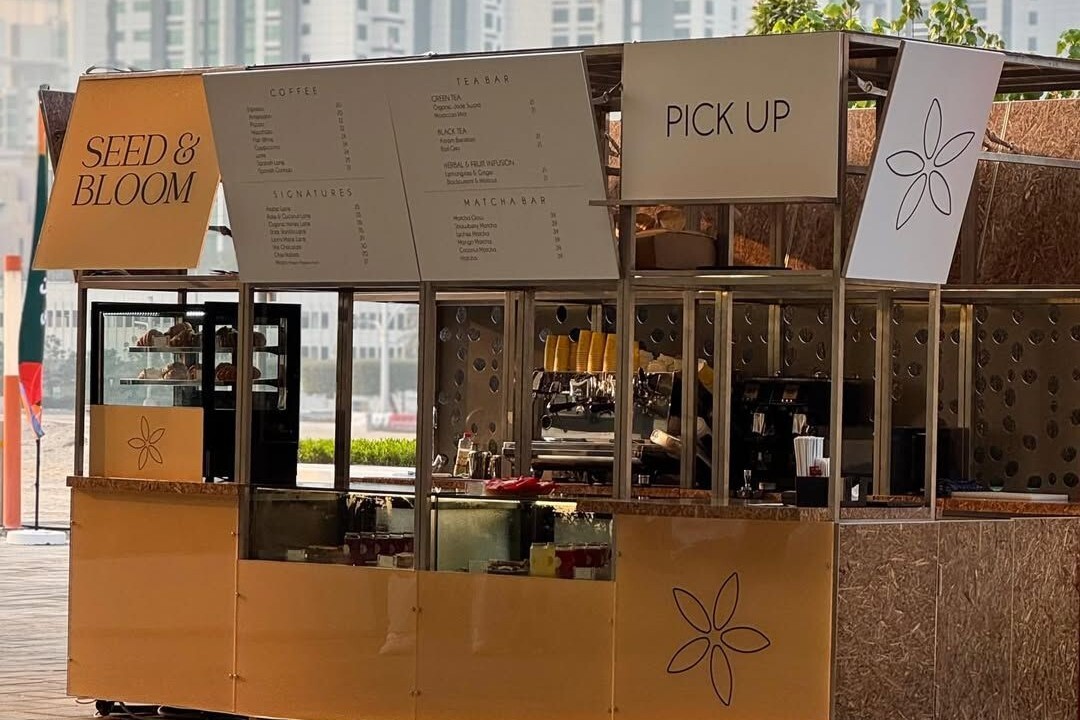
Pop-ups can test restaurant concepts, showcase chef collaborations or create seasonal moments. Food trucks can bring variety, mobility and operational speed. Markets can create density, discovery and a sense of occasion. Temporary kiosks and modular units can support more consistent daily trading while still allowing rotation and experimentation.
The growth of mobile F&B reinforces this shift. Mordor Intelligence estimates the global food truck market at USD 4.71 billion in 2026, with growth projected to USD 6.46 billion by 2031. While forecasts vary by methodology, the wider direction is clear: mobile F&B is now a meaningful global market, not a fringe format.
Together, these formats give cities and destinations a more responsive F&B toolkit. A food truck takeover might bring multiple independent operators into a site for a weekend. A rotating vendor programme might allow a landlord to test cuisine types before leasing a permanent unit. Roaming food trucks might support business parks, residential districts or event venues where permanent F&B provision is limited. Seasonal pop-ups can animate public spaces during summer, winter or major cultural moments.
The key is strategic curation. Flexible F&B works best when it is not treated as a random collection of vendors, but as part of a planned ecosystem. The mix should consider cuisine, price point, quality, daypart, operational requirements, audience profile, visual impact and the wider positioning of the destination.
When approached properly, these formats can add variety and energy without undermining permanent operators. They can complement the existing tenant mix, support event programming, create opportunities for emerging brands and help places reflect the communities and cultures around them.
Learn More About Events at TGP International
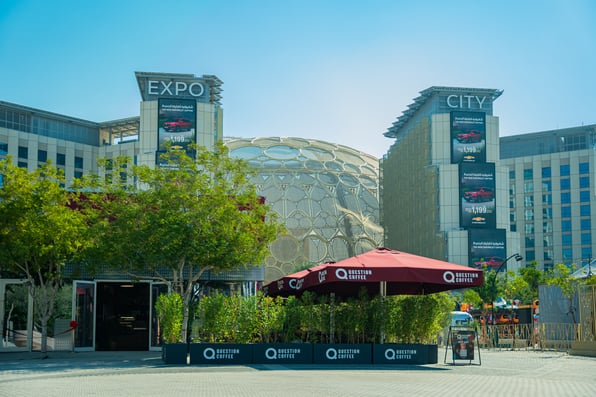
INDUSTRY INSPIRATION — BRUNCH CITY AT EXPO CITY DUBAI
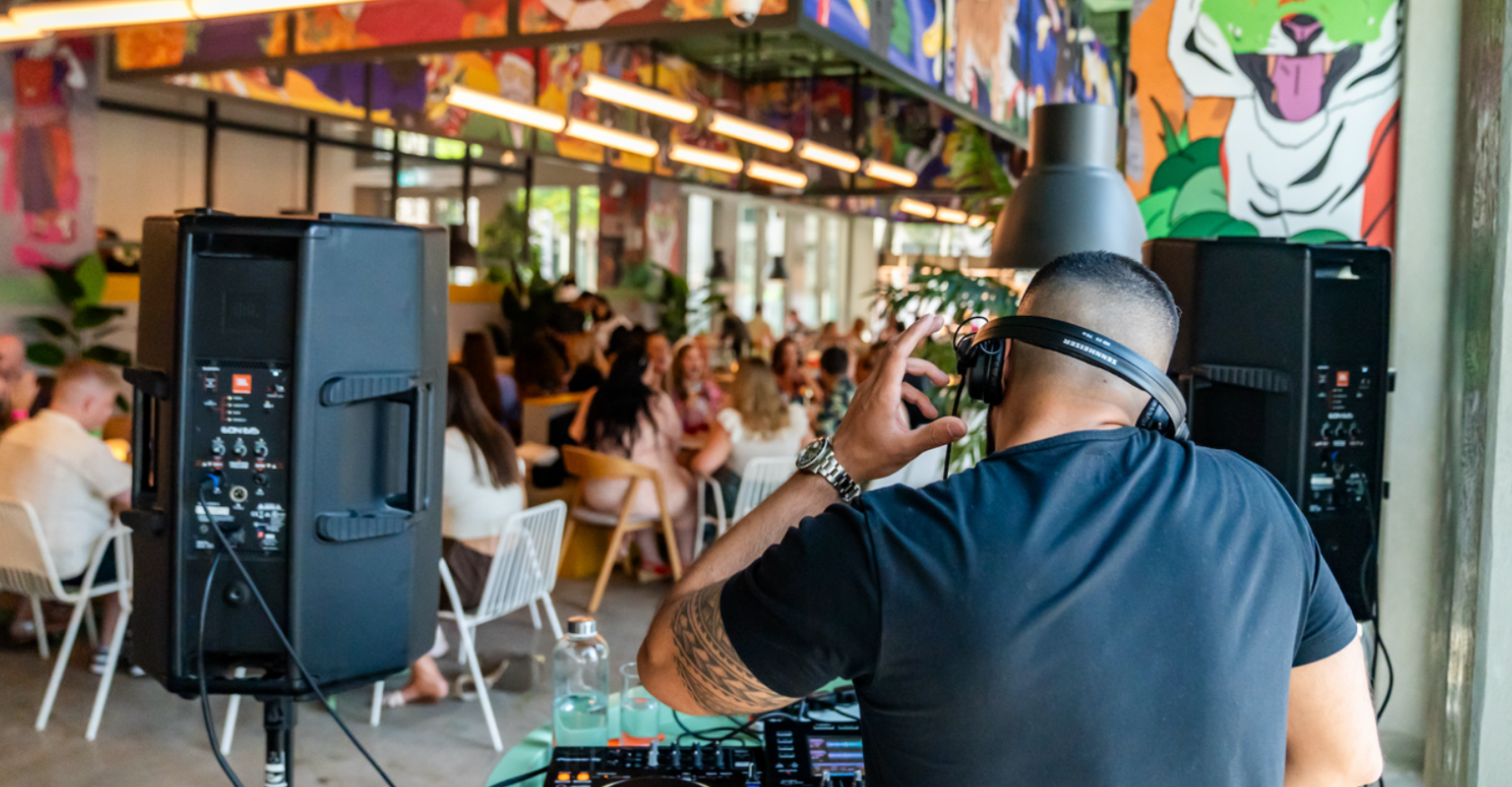
We have seen the value of this approach through activations such as Brunch City, where F&B was used not only as a hospitality offer, but as a wider tool for destination engagement.
Delivered through collaboration with multiple venues and operators, Brunch City created a shared platform for F&B programming, giving participating brands a reason to activate beyond their everyday offer. Rather than treating each venue in isolation, the activation helped create a wider destination moment, encouraging consumers to explore, engage and return.
This type of model shows how flexible F&B can work as a strategic layer across urban spaces. Through curated programming, temporary takeovers, roaming food trucks, rotating vendors and collaborative event formats, destinations can give brands and operators opportunities to appear in new locations, test different formats and create fresh points of interest for consumers.
For landlords, developers and city stakeholders, the value is not only in the individual event. It is in the guidance, structure and collaboration that sits behind it. A well-planned F&B activation can help multiple venues strengthen their offer, build visibility, increase participation and create a more connected destination experience.
It also shows how temporary formats can support longer-term placemaking. By allowing vendors, chefs and brands to come in for limited periods, take over public spaces, activate courtyards or appear across different parts of a district, flexible F&B can create a sense of movement, discovery and renewed interest.
This is particularly relevant for mixed-use environments, cultural destinations and retail-led districts where consumer engagement depends on more than a fixed tenant mix. Flexible F&B gives places the ability to keep evolving, while giving operators new ways to connect with audiences.
OUR PERSPECTIVE
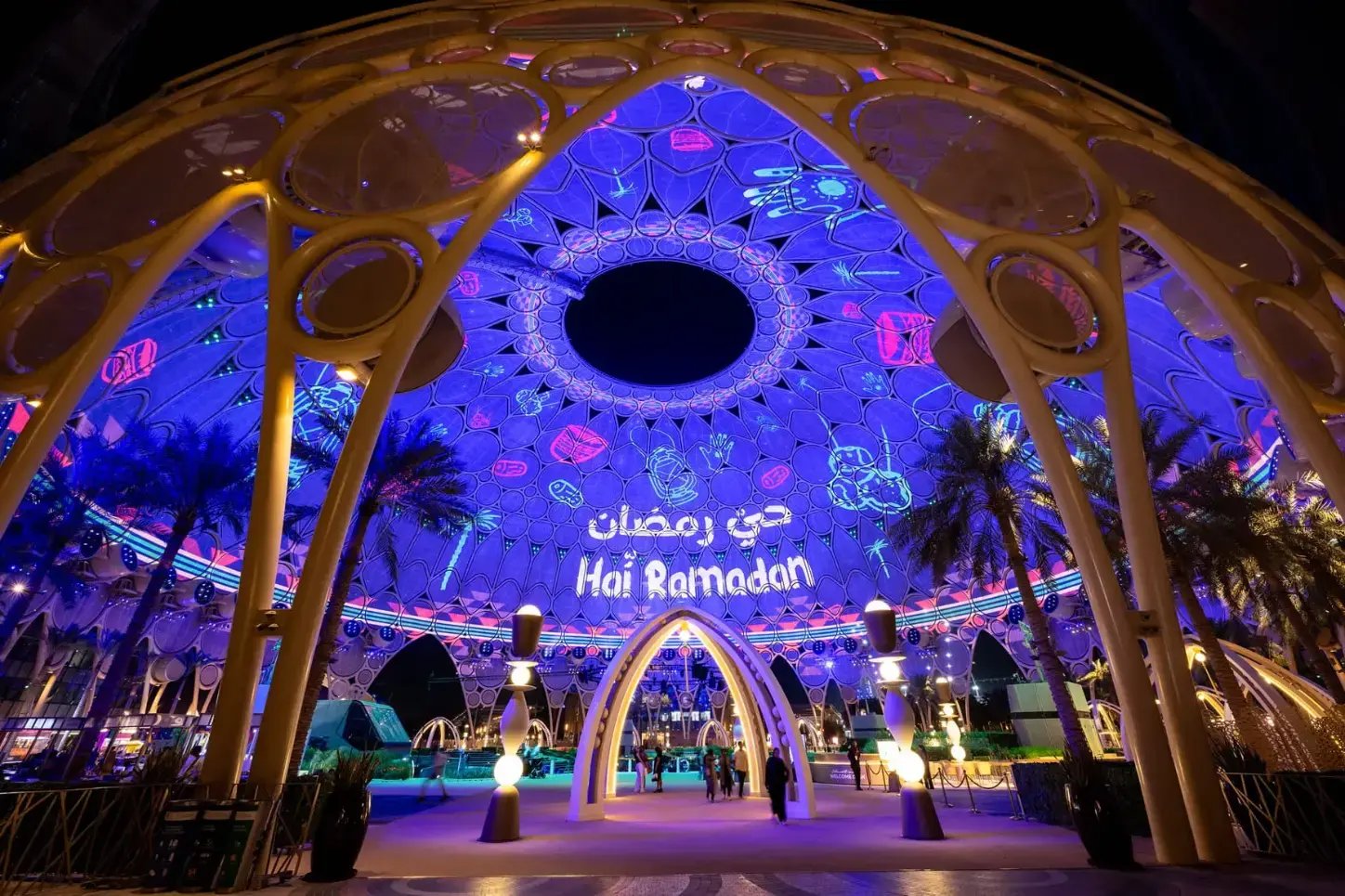
The future of successful urban destinations lies in the careful integration of hospitality, retail, dining, entertainment and public life.
Flexible F&B has an important role to play within that mix, but its value depends on how it is planned, curated and connected to the wider destination strategy. Pop-ups, food trucks, markets and rotating vendor programmes can test ideas, support local entrepreneurs, activate public spaces, build audiences and create places that evolve alongside the people they serve.
This is why flexible F&B should no longer be seen only as a marketing exercise, interim solution or short-term event. Used intelligently, it becomes part of the operating infrastructure of a place: a way to shape identity, strengthen engagement, support commercial performance and keep destinations responsive over time.
As cities continue to compete for talent, investment, tourism, residents and footfall, hospitality-led activation will become an increasingly important part of how places differentiate themselves.
The question is no longer whether flexible F&B has a role in cities.
The question is how cities, developers and operators can use it more intelligently as part of the infrastructure that helps great places thrive.