-1.png?width=3330&height=698&name=TGP%20International%20Logo%20White%20(1)-1.png "TGP International logo")
Events,
Operational Management,
UAE
Mega events are usually discussed through their most visible assets. The stadiums. The pavilions. The ceremonies. The transport systems. The architecture.
But for many visitors, the experience is shaped just as strongly by what happens between those moments. Where they stop. What they eat. How long they stay. Whether the event feels welcoming, well organised and connected to the place hosting it. Food and beverage has a major role in all of this.
It is no longer enough to treat F&B as a service that is added once the wider event plan has been agreed. At the scale of a World Expo, Olympic Games, FIFA World Cup, climate summit or major cultural festival, F&B is part of the event infrastructure.
It influences visitor movement, dwell time, revenue, cultural representation, sustainability and the long-term use of the site.
This is not a theoretical shift. F&B is now the second-largest source of revenue for event organisers after ticket sales. It is also the fastest-growing revenue stream in the event tourism market, with annual growth of approximately 8.5 per cent.
F&B Has Moved Beyond Catering

Historically, food at major events was treated primarily as a logistical requirement. Large numbers of people needed to be fed safely and efficiently within a limited period. Those fundamentals still matter. Capacity, consistency, affordability, food safety and speed of service cannot be compromised.
What has changed is the wider role that F&B is expected to perform.
- For organisers, it is a major commercial category.
- For developers, it is a source of footfall, dwell time and long-term asset value.
- For governments and host cities, it is a way to communicate identity, support local businesses and strengthen tourism.
- For visitors, it is often one of the most memorable and shareable parts of the event.
Across our own projects, we have seen the proportion of gross leasable area allocated to F&B rise from around 15 to 20 per cent to as much as 40 to 50 per cent. This reflects a much wider change in the way developers, planners and investors view hospitality.
Restaurants, cafés, food halls, markets and flexible event spaces are no longer considered secondary amenities. They are increasingly central to how places attract people and remain active.
The question should therefore not be limited to how an event will feed its audience. Organisers should ask what commercial, cultural, operational and long-term role F&B needs to perform.
Planning Must Begin with the Masterplan
Many of the most difficult F&B problems at major events are created before an operator or chef becomes involved.
Poorly positioned kitchens. Insufficient utilities. Inadequate servicing routes. Disconnected seating. Unrealistic capacity assumptions. Buildings that cannot adapt to future uses. These issues cannot be resolved through menu development or brand selection alone.
F&B strategy needs to be developed alongside the event masterplan. The process should begin with a clear understanding of the different audiences using the site. A major event may need to serve ticketed visitors, athletes, delegates, media, employees, volunteers, VIPs and local residents. Each group will have different requirements, price expectations and time constraints.
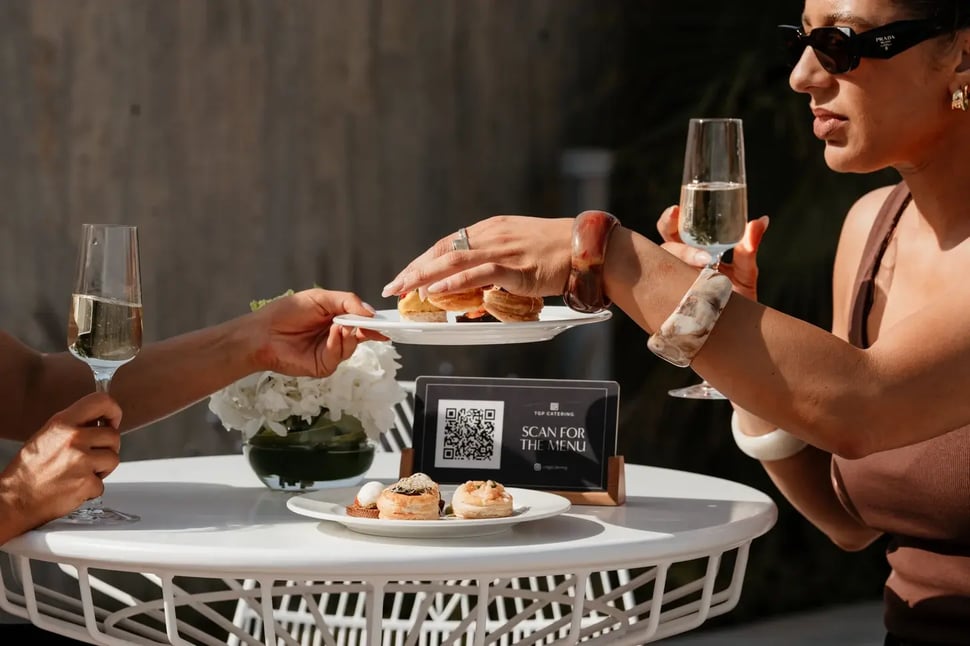
It also needs a range of formats. Quick-service kiosks, cafés, restaurants, mobile units, food halls, hospitality suites and festival spaces all perform different functions. The right mix should be informed by demand modelling, visitor flow, spend expectations, dwell time, operational capacity and the wider identity of the event.
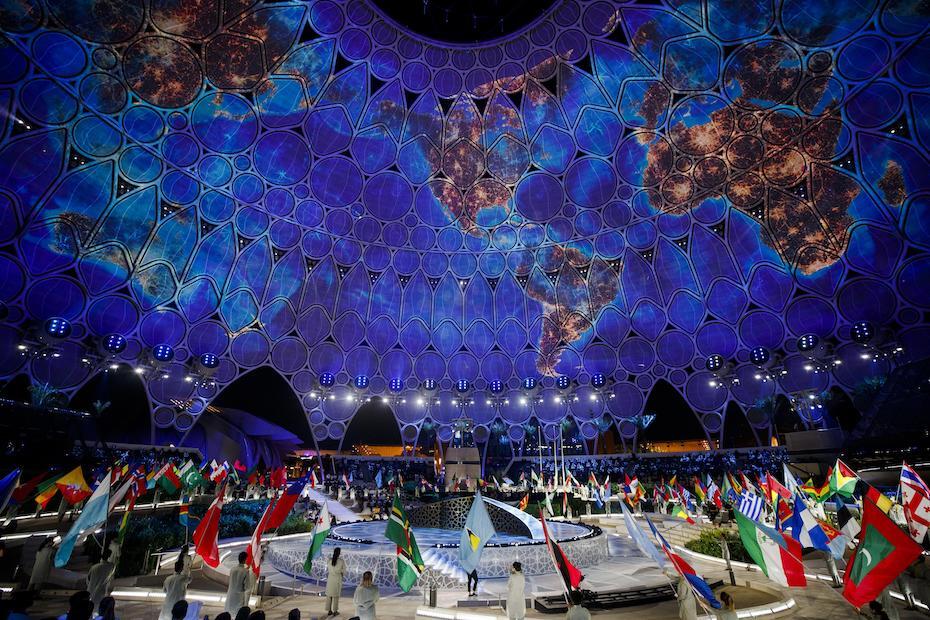
At Expo 2020 Dubai, more than 16 million meals were served over six months, averaging approximately 100,000 covers per day.
The F&B strategy included 30 brands, 14 restaurants, two food halls, more than 40 cuisines and over 100 guest-chefs from around the world on top of the more traditional providers. Ten new brands were also launched into the market.
That scale was only possible because F&B was approached as one connected system covering masterplanning, commercial modelling, brand curation, workforce planning, design, operations and legacy.
The lesson is not simply that large events need more outlets. They need the right outlets, in the right locations, operating within a coordinated commercial and operational framework.
Commercial Strategy and Cultural Strategy Need to Work Together
-1-1.jpg?width=970&height=647&name=DSC03590%20(1)-1-1.jpg)
Mega events require scale and reliability. They also need individuality. An event that relies too heavily on familiar international brands may be easy to operate, but it risks feeling interchangeable with an airport or shopping centre.
An offer built entirely around small independent businesses may have greater local character, but those businesses may not yet have the systems, workforce or capital required to trade successfully at that scale.
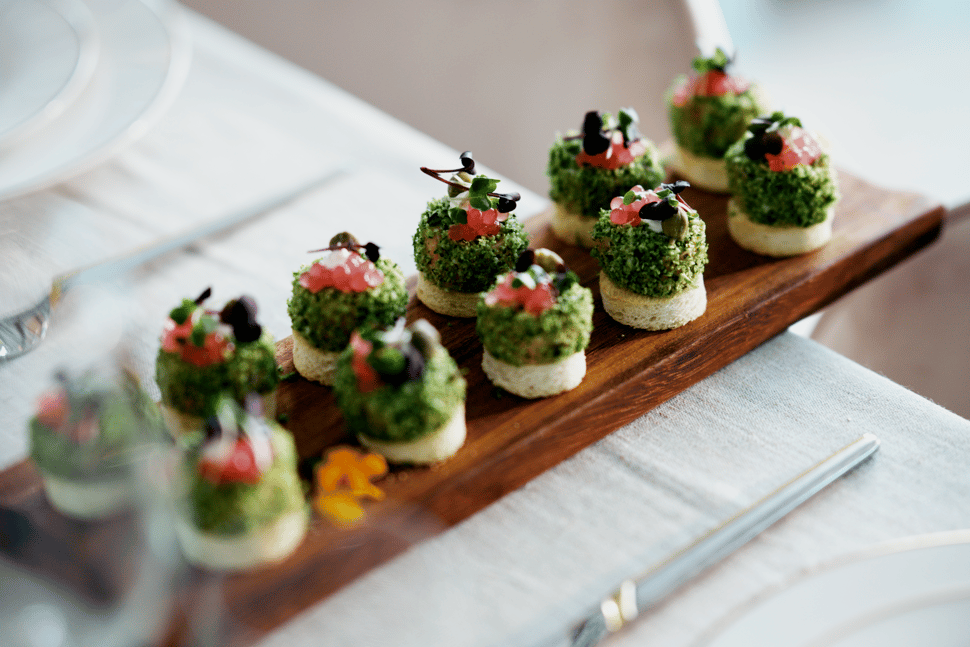
The strongest programmes create a deliberate balance. They combine experienced operators with local chefs, regional concepts, emerging entrepreneurs and culturally important food traditions. They also provide a range of price points, service styles and dietary choices.
This requires more than curation. Commercial terms need to reflect the reality of temporary trading. Operators may be asked to make significant investments for an event lasting only a few weeks or months. Conventional leasing models may not support the diversity or innovation the event is trying to achieve.
Revenue expectations, capital costs, turnover structures, operating risk and legacy opportunities should therefore be considered together.
Local participation also needs to go beyond representation. Giving a homegrown brand a temporary unit creates visibility. Helping that business improve its systems, reach new customers and move into a permanent opportunity creates economic value. The commercial strategy should support the cultural ambition rather than work against it.
Food Can Communicate the Event’s Purpose
Food is one of the most immediate ways to communicate an event’s values. Sustainability can be expressed through sourcing, menu design, production methods, packaging and waste systems.
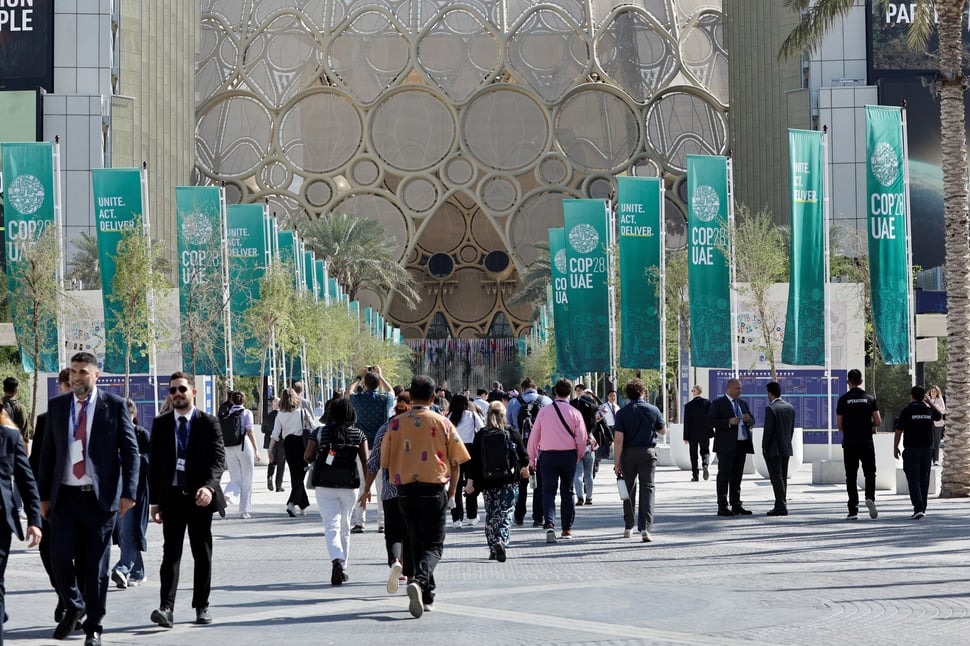
Cultural exchange can be expressed through story-telling, chefs, ingredients, service rituals and regional cuisines. Innovation can be demonstrated through new operating formats, digital ordering, urban agriculture and alternative production systems. COP28 showed what is possible when the event narrative and the F&B strategy are directly connected.
More than 600,000 attendees were served across 136 F&B locations. Over one million meals were delivered through restaurants, food halls, kiosks, carts and the world’s first vegan food-truck park. Two-thirds of the menu offer was vegan or vegetarian, with menus developed to meet a 1.5 degree carbon footprint threshold.
The importance of this approach went beyond the volume of food served. It demonstrated that an event’s commitments can be translated into clear operating requirements for suppliers, menus and service formats.
For organisers, this means testing F&B decisions against the purpose of the event.
- Does the offer reflect the host culture with credibility?
- Does it support the stated environmental and social objectives?
- Does it represent the diversity of the audience?
- Does it give visitors something that feels specific to the event and its location?
- Can its impact be measured?
Food should not sit alongside the event narrative. It should help deliver it.
Experience Matters, but It Must Work Operationally
Visitors increasingly expect food to form part of the experience. The report found that 72 per cent of diners want interactive options such as chef’s tables, themed events and culinary experiences. It also found that 76 per cent of global consumers believe cities need to offer new experiences to remain relevant, rising to 84 per cent among Gen Z and Millennials.
This does not mean that every outlet needs to become a complex entertainment concept.
Experience can come through live preparation, visible kitchens, chef interaction, rotating residencies, workshops, cultural rituals, strong design and communal dining.
The challenge is knowing where these elements create value and where speed needs to remain the priority. In high-volume environments, operational details have a direct effect on perception.
Menus need to communicate quickly. Packaging needs to support speed and movement. Queue management needs to be considered. Seating needs to reflect how long people are expected to stay. Kitchens need to meet peak demand without undermining quality.
A successful strategy layers different types of experience across the site.
- High-volume formats manage peak demand.
- Destination concepts encourage longer stays.
- Flexible spaces support programming and live activations.
- Premium hospitality meets commercial and protocol requirements.
- Mobile formats respond to changing visitor flows.
Experience and efficiency should not be treated as opposing priorities. They need to be designed together.
Authenticity Is a Non-Negotiable
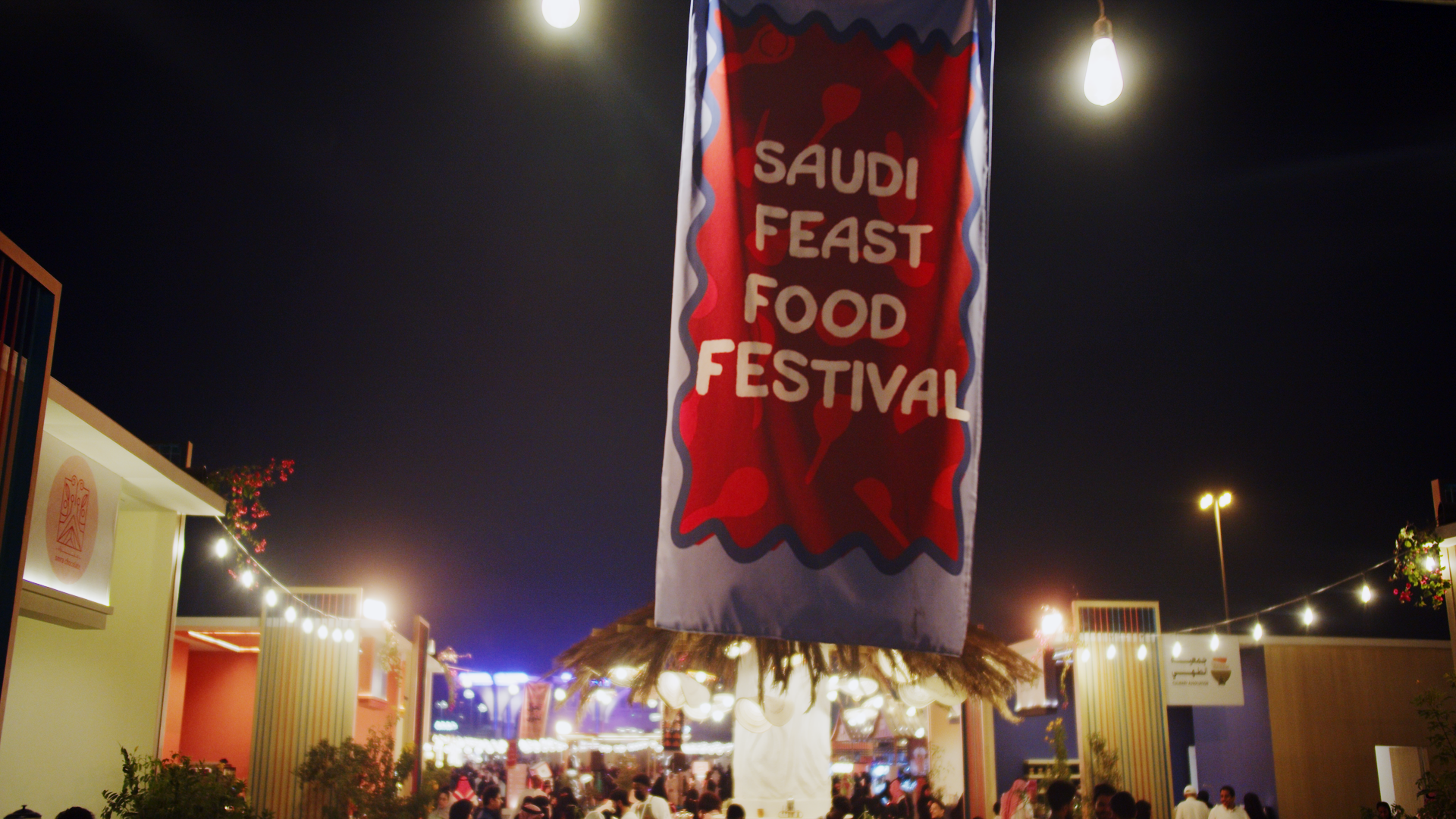
Visitors are increasingly looking for food that feels connected to the place they are visiting.
The report found that 78 per cent of consumers feel more connected to brands that communicate their mission and values authentically. It also highlighted the importance Gen Z places on authenticity and the growing demand for local ingredients, regional specialities and traditional cooking methods.
For host nations, this creates a significant opportunity. Major events can introduce local culinary traditions to international audiences at a scale that few other platforms can match. They can raise the profile of chefs, producers, ingredients and regional food cultures. But authenticity needs to be supported by operational credibility.
Cultural representation on a global stage still requires consistent quality, reliable supply chains, commercial viability and the ability to serve large volumes. There is sometimes a concern that structure and commercial discipline will weaken authenticity. In practice, the opposite is often true.
- When pricing is accurate, margins can be protected.
- When systems are clear, quality becomes more consistent.
- When businesses are commercially sustainable, they are in a stronger position to preserve and develop their identity.
The strongest local concepts are not those that choose between authenticity and professionalism. They are those that can deliver both.
Sustainability Needs to Be an Operating System
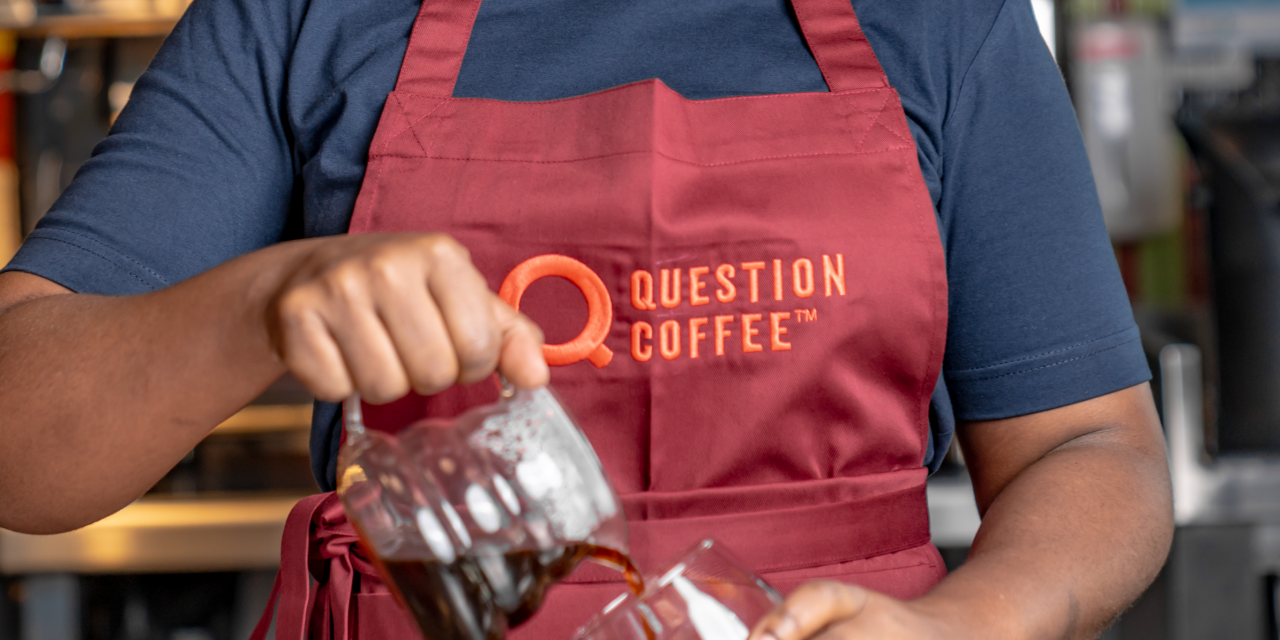
Sustainability is now an expected part of major event planning. But it cannot be reduced to a small number of plant-based dishes or a communications campaign.
Meaningful progress requires a wider operating system covering procurement, menu engineering, production planning, waste, redistribution, packaging, labour standards and measurement. Consumer behaviour is reinforcing this shift.
Forty-one per cent of consumers now choose plant-based menu items when dining out each week. Fifty-seven per cent of European consumers say they are actively trying to create a positive environmental impact through their everyday choices.
Major events are therefore under pressure from several directions.
- Visitors expect more responsible options.
- Governments and rights holders are setting stronger environmental commitments.
- Sponsors want measurable outcomes.
- Media and the public are scrutinising whether stated ambitions are being delivered.
Clear standards need to be established early. Organisers also need to assess whether the local supply chain can meet them and what support operators will require. This should include realistic targets for responsible sourcing, menu impact, food waste, surplus redistribution, serviceware and reporting. Ambition is important but delivery is more important.
Local Participation Needs Structure
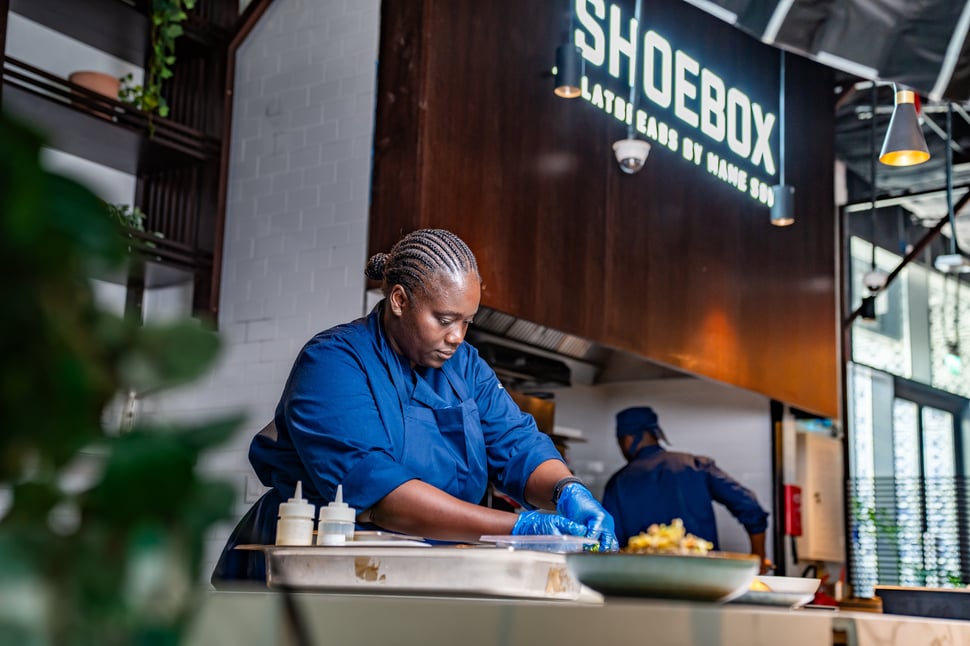
Major events can provide life-changing exposure for local chefs, entrepreneurs and hospitality businesses. They can also expose the weaknesses of businesses that are asked to scale before they are ready.
Local brands may have strong products and loyal customers but limited experience of high-volume service, complex procurement, workforce planning or short-term event economics. Providing a unit is therefore not enough. Businesses may need support across financial planning, menu engineering, cost control, branding, operating procedures, procurement and staffing.
At Expo 2020 Dubai, initiatives such as Born at Expo were designed to give emerging homegrown businesses a platform within a global event. Projects such as Alkebulan also created international visibility for African cuisines through the world’s first food hall dedicated to pan-African culinary culture. The wider lesson is that events can act as accelerators.
They can give businesses access to audiences, partners and learning opportunities that might otherwise take years to reach. But exposure only becomes legacy when there is a pathway beyond the event.
This may include support in securing permanent sites, accessing investment, entering new markets or building relationships with developers and operators. Workforce planning should be approached in the same way.
Training created for a major event can support the wider hospitality industry, but only when the skills and qualifications remain useful after the event closes.
F&B Can Strengthen the Wider Economic Impact
.webp?width=3500&height=2338&name=20230328_Expo_W-13-1%20(1).webp)
The economic impact of mega events extends far beyond ticket sales. Expo 2020 Dubai is estimated to have contributed AED 154.9 billion to the UAE economy and supported more than one million job-years between 2013 and 2042.
The Birmingham 2022 Commonwealth Games contributed £1.2 billion to the UK economy, created more than 22,000 job-years and generated £79.5 million in social value. The 2026 FIFA World Cup in New York and New Jersey is projected to generate USD 3.3 billion, including USD 1.7 billion in visitor spending, while supporting more than 26,000 jobs.
F&B forms part of this impact through visitor spending, operator income, employment, local procurement, tourism and the creation of long-term hospitality assets. This is why it should be considered within the wider economic strategy from the beginning.
Organisers and governments need to understand how much value can be retained locally.
- Which suppliers can participate?
- How many local businesses can be supported?
- What jobs and skills can be created?
- Which venues can remain commercially active?
- How can the event strengthen the host city’s culinary identity and visitor economy?
These questions are as important as the number of meals served during the event itself.
Legacy Must Be Planned Before the Event Opens
.webp?width=970&height=646&name=tgp-events-catering-vip-dining-experience-expo-city-dubai_jpg%20(1).webp)
One of the greatest risks for any host city is creating assets that perform well during the event but have no credible purpose afterwards.
F&B can help prevent this because it gives people everyday reasons to return.
Restaurants, markets, food halls, cafés and programmed public spaces can support the transition from event site to active urban district. But this only works when legacy influences the original plan.
Organisers need to determine which venues should remain permanent, which should be modular and which should disappear. They need to consider whether kitchens, utilities, servicing routes and public spaces will support future uses.
They need to define the customer after the event. The event visitor and the future resident, employee or tourist may have very different needs. They also need to begin identifying future tenants and partners while the event is still attracting international attention.
Long-term activation may include permanent F&B destinations, regular markets, annual food festivals, chef-development programmes, culinary education and support for producers and local brands. The objective should not be to preserve the event exactly as it was. It should be to retain the strongest assets, businesses, capabilities and reasons to visit.
What This Means for Future Hosts
.webp?width=970&height=646&name=tgp-event-management-dubai-vip-gala-dinner_jpg-1%20(1).webp)
The coming decade will include an extraordinary concentration of World Expos, World Cups, sporting events and national cultural programmes.
Expo 2030 Riyadh will be particularly significant.
It will take place within a much wider period of investment in Saudi Arabia’s tourism, hospitality, culture and urban development. Its F&B programme has the potential to do more than serve visitors during a six-month event.
- It can create an international platform for Saudi chefs, producers and entrepreneurs.
- It can strengthen local businesses.
- It can support skills development.
- It can help communicate the Kingdom’s regional culinary diversity.
- It can contribute to the long-term commercial and social life of the site.
The same principles apply to every future host.
The strongest F&B strategies will need to work across four areas.
- Operationally, they must serve large and varied audiences safely, consistently and efficiently.
- Commercially, they must generate revenue and provide viable opportunities for operators.
- Culturally, they must express the identity and values of the host and the event.
- Strategically, they must contribute to the long-term future of the site, city and local hospitality economy.
Mega events are temporary by definition but their most valuable outcomes shouldn’t be. The real measure of an F&B strategy is what remains afterwards.
Stronger businesses. Skilled people. Active places. New cultural connections. And an experience that continues to shape how visitors remember the host city long after the event has ended.
