-1.png?width=3330&height=698&name=TGP%20International%20Logo%20White%20(1)-1.png "TGP International logo")
-1.jpg)
How hospitality operators can create menus that are rooted in place, seasonality and strong local supply chains For hospitality businesses, the menu is one of the most powerful ways to communicate a sense of place. A truly local menu does more than feature a few regional ingredients. It reflects the landscape, producers, seasons and food culture surrounding a venue, creating an experience that could not simply be replicated somewhere else.
For hotels, restaurants and mixed-use destinations, this can become a genuine point of difference. Local sourcing can support regional producers, create stronger supplier relationships, reduce waste and encourage more sustainable and health-conscious food choices.
But building a local menu requires more than simply buying from a nearby farm. It requires a different approach to menu development, procurement and operations.
Here are 10 considerations for creating a menu that is genuinely local.
1. Start with what grows around you
The most effective local menus begin with the location rather than the dish.
Before deciding what you want to put on a menu, understand what is actually being grown, caught, produced and made in the surrounding area. This could mean local vegetables and fruit, regional cheeses, meat, seafood, grains, honey, bread, beer or other specialist products.
Seasonality should be central to this approach. Produce naturally comes into its own at different points throughout the year, and building menus around those periods can improve freshness while reducing reliance on ingredients transported from elsewhere. The Soil Association notes that eating seasonal food can help reduce environmental impact by reducing the need to import food from different climates.
The question should be: what does this place have to offer right now?
2. Build long-term relationships with suppliers

Local sourcing works best when suppliers become partners rather than simply names on a purchasing list. Building long-term relationships with farmers, growers, fishermen, butchers, cheesemakers and other producers gives chefs a much better understanding of what is coming next.
A good supplier can tell you that a particular crop is going to be particularly strong in three weeks, that a certain fish is becoming more available or that a farmer has an unexpected surplus that needs using. That information can directly influence menu development.
It also allows chefs to plan ahead while remaining flexible, rather than designing a menu months in advance and then trying to force suppliers to deliver ingredients that may not be naturally available.
3. Consider growing your own
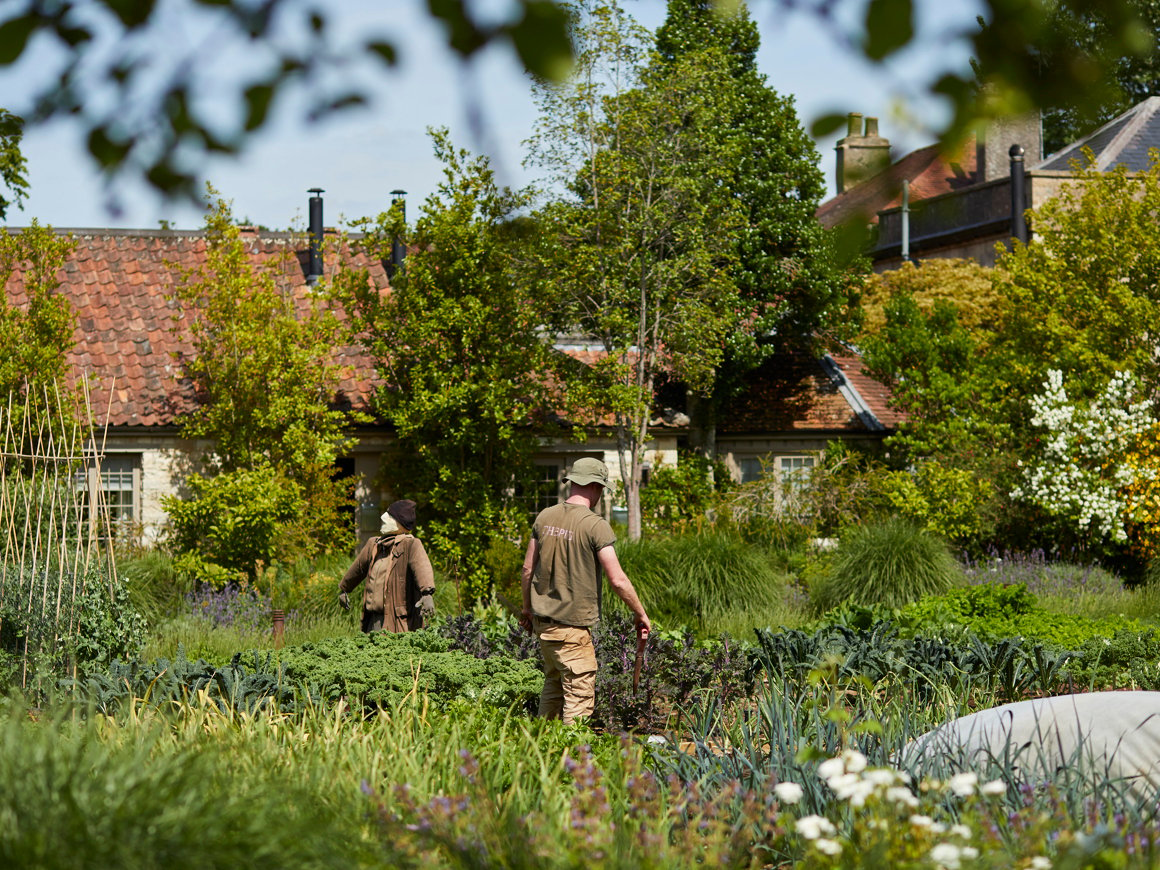
For country hotels and destination restaurants with access to land, growing some of your own produce can take local sourcing one step further.
THE PIG's Kitchen Garden approach is a particularly strong example. Its Kitchen Gardens sit at the heart of each hotel, with chefs building menus around what is harvested each day. What cannot be grown on site is sourced from local farmers, fishermen and foragers within its 25-mile model.
This can range from herbs, salad leaves and vegetables to fruit, edible flowers and other crops.
For hotels with larger estates, there is potential to go further, incorporating orchards, livestock, beehives or other forms of food production where appropriate.
The benefit is not just the produce. A productive garden can become part of the guest experience, connecting visitors with where their food comes from and reinforcing the identity of the destination.
4. Let the seasons shape the menu
A local menu should not remain static.
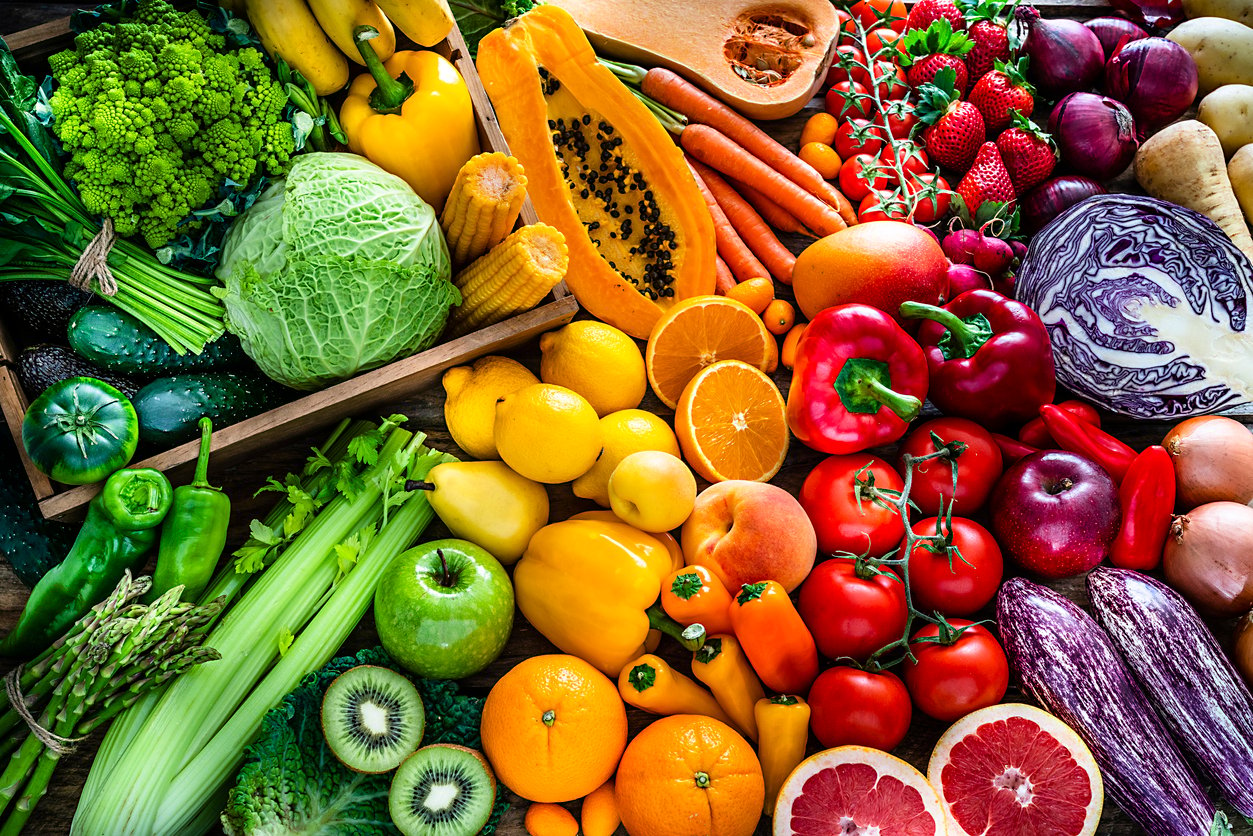
Instead, build a menu structure that can evolve throughout the year. Spring might bring asparagus, peas, broad beans and wild garlic, while summer introduces berries, tomatoes and courgettes. Autumn can bring mushrooms, squash and root vegetables, followed by brassicas and other hardy crops through winter.
Seasonal menus can also make sourcing simpler. The Soil Association's Food for Life guidance specifically highlights that seasonal menus can make it easier to source fresh produce locally, while seasonal ingredients can often be more affordable and at their best quality.
For operators, this means designing the menu around flexibility rather than fixed ingredients.
5. Keep it simple
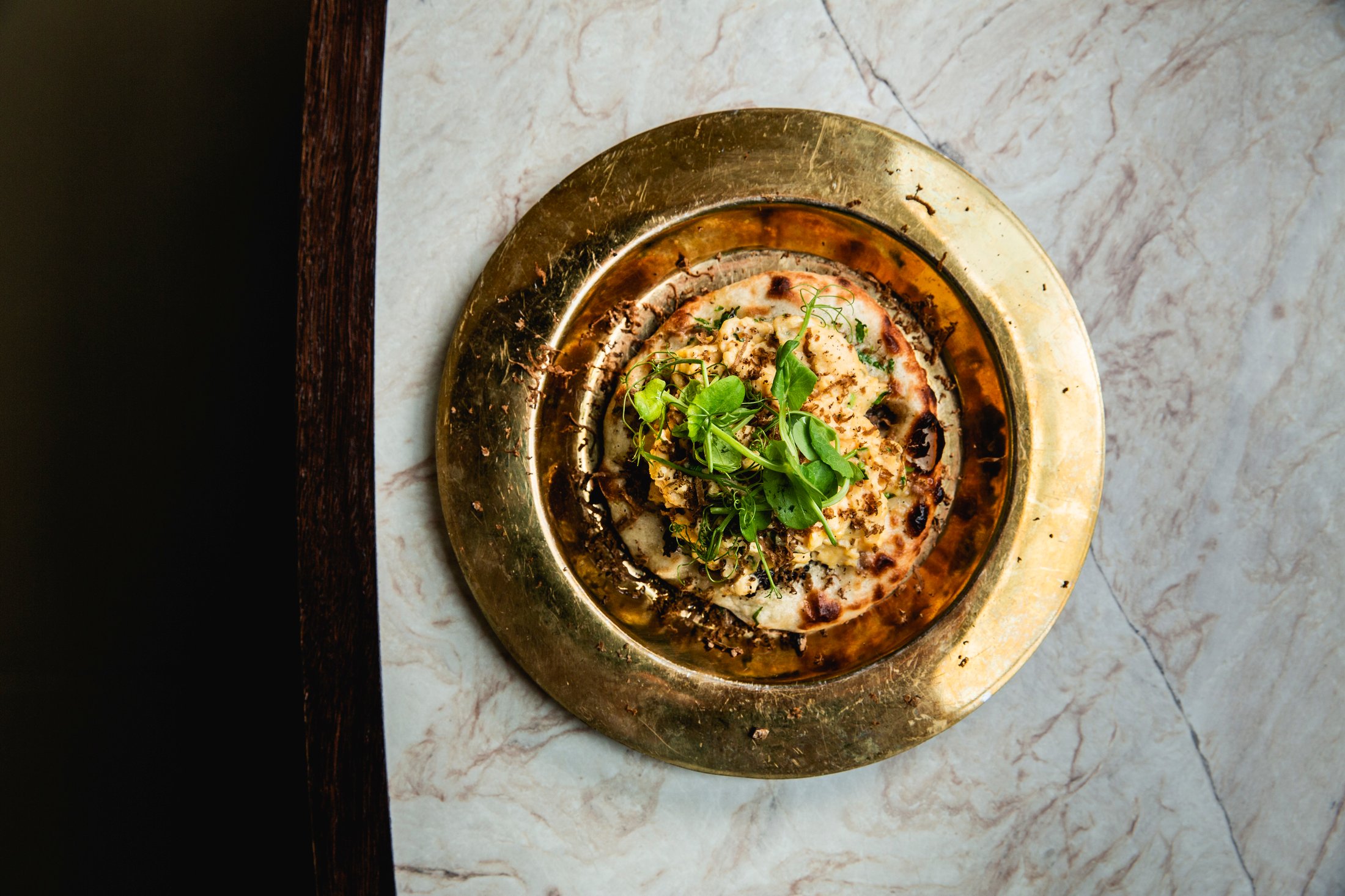
There is a temptation to create increasingly complex menus to demonstrate creativity. But when the objective is quality, provenance and seasonality, simplicity can be an advantage. A shorter menu means fewer ingredients to source, fewer opportunities for waste and greater ability to focus purchasing on high-quality produce.
It also allows individual ingredients to work harder. A good seasonal tomato does not need to be hidden beneath ten other components. The same applies to freshly picked vegetables, locally caught fish or high-quality meat.
Simple food can be a stronger showcase for local produce than complicated food.
6. Design the menu around what suppliers can actually provide
The traditional approach is often:
Menu → ingredients → suppliers
For genuinely local hospitality, it can be more effective to work in the opposite direction:
Suppliers → availability → ingredients → menu
This does require chefs and operators to be comfortable with a degree of unpredictability. But that unpredictability can become part of the experience. A menu that changes according to the morning's harvest or the day's catch can communicate freshness and authenticity. THE PIG describes this approach as letting the Kitchen Garden "set the rhythm" of its menus, with dishes changing according to what is ready to harvest and what local suppliers can provide.
7. Use the whole ingredient
Local sourcing and sustainability should not stop when an ingredient arrives in the kitchen. Using more of what you buy can reduce waste while encouraging chefs to think creatively. Vegetable trimmings can become stocks, sauces or pickles. Fruit that is past its prime can be used in preserves or desserts. Meat can be used across multiple dishes and cuts can be considered more carefully.
This is particularly important because food waste remains a major commercial and environmental issue for hospitality. WRAP estimates that food waste costs the UK hospitality and food service sector around £3.2 billion every year, equivalent to roughly £10,000 per outlet. A local menu should therefore also be a low-waste menu.
8. Make provenance part of the guest experience
Local sourcing becomes much more powerful when guests understand it. Instead of simply listing "local vegetables" on a menu, consider naming the farm, producer or region where appropriate. A restaurant might tell guests where its cheese comes from, which farm supplied the beef or which local grower produced the vegetables.
This creates a stronger connection between the guest, the food and the destination. It can also provide opportunities for storytelling through menus, staff training, supplier events, farm visits and even kitchen garden tours. The story behind an ingredient can be just as valuable as the ingredient itself.
9. Think about wellness as well as sustainability
Local, seasonal menus can support a broader approach to wellness. Wellness in hospitality is no longer simply about spas, gyms or dedicated health menus. It increasingly encompasses the food people eat and the environments in which they eat it. The Soil Association describes healthy and sustainable food as including more locally sourced, seasonal plants, minimally processed foods, higher-quality meat and sustainably sourced fish, alongside reducing food waste.
For hospitality operators, this creates an opportunity to make nutritious, fresh food part of the everyday experience rather than treating wellness as a separate offering. At the same time, sourcing seasonal and local produce can support a more environmentally conscious food system, particularly when combined with responsible farming, lower waste and shorter supply chains.
10. Make local sourcing part of the wider concept
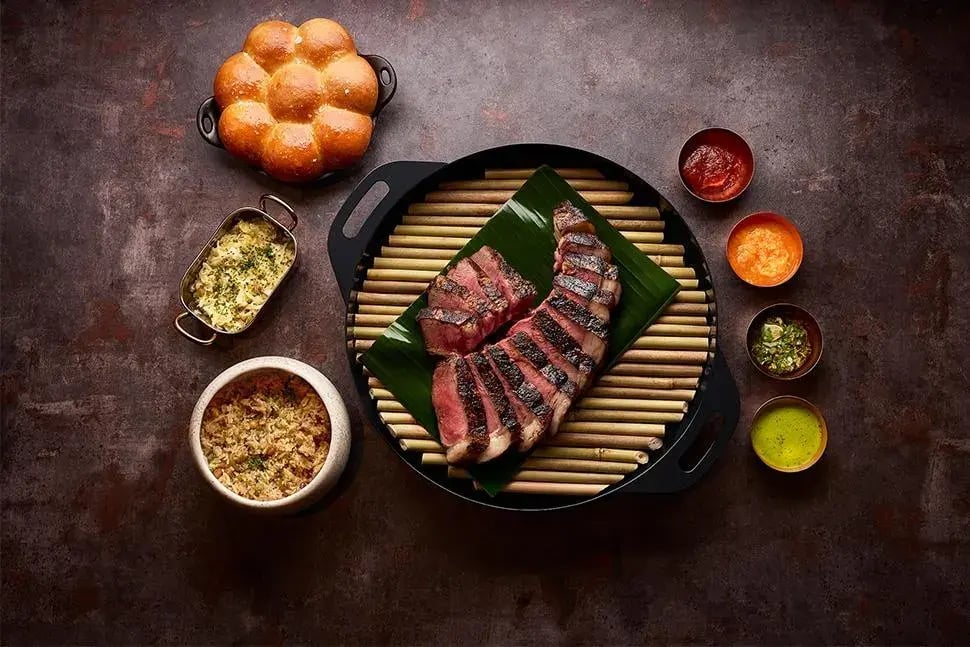
Ultimately, the strongest local menus are not developed in isolation. They should connect to the identity, design, operations and story of the entire hospitality concept.
A coastal hotel should be able to reflect its relationship with the sea. A country estate can draw from its land and surrounding farms. An urban restaurant might build relationships with local markets, independent producers and neighbourhood businesses.
This is where F&B can become a genuine tool for placemaking. Local food gives people a reason to connect with a destination and creates experiences that feel specific to where they are. It can support local economies, strengthen relationships with producers and give a hospitality concept a stronger sense of authenticity.
From local sourcing to local identity
Building a local menu is ultimately about more than reducing food miles. It is about understanding a place and translating it onto the plate.
The strongest operators are not simply asking where they can buy ingredients cheaply or quickly. They are asking who produces the best food nearby, what is naturally available, how they can build lasting relationships with those producers and how those ingredients can shape the guest experience.
From a Kitchen Garden at a country hotel to a long-standing relationship with a local fisherman, baker or grower, these decisions can create menus that are fresher, more distinctive and more connected to their surroundings.
