-1.png?width=3330&height=698&name=TGP%20International%20Logo%20White%20(1)-1.png "TGP International logo")
%20(1)%20(1)-1.webp)
Margins across hospitality have become increasingly difficult to protect. Food costs remain volatile, labour expenses continue to rise and guests have become far more selective about where they choose to dine.
At the same time, operators are under pressure to deliver menus that are commercially viable without compromising quality or guest experience.
As Operations Standards & Training Manager at TGP International, Samantha Toscano works closely with hospitality businesses to ensure menus are operationally realistic and aligned with guest expectations.
Here, she shares seven practical menu engineering tips that can help operators improve profitability, streamline operations and build stronger dining experiences.
What Is Menu Engineering?

Menu engineering is the process of analysing a menu based on profitability, popularity, operational practicality and guest behaviour.
It involves reviewing food costs, sales performance, preparation requirements and menu design to understand which dishes deserve greater visibility, which need refinement and which may no longer justify their place on the menu.
The goal is to create menus that perform better across every part of the business.
1. Start With A Clear Concept
Many menu problems begin long before pricing is reviewed. Over time, menus often expand because operators try to accommodate too many guest preferences, trend or stakeholder request. The result is often an unfocused menu that feels disconnected from the original concept.
If a venue is built around elevated Levantine dining, guests should not suddenly see sushi, burgers and pasta added purely to widen appeal.
The strongest menus feel cohesive. Every dish should reinforce what the brand stands for and why guests should choose your venue over competitors.
2. Understand The True Cost of Every Dish
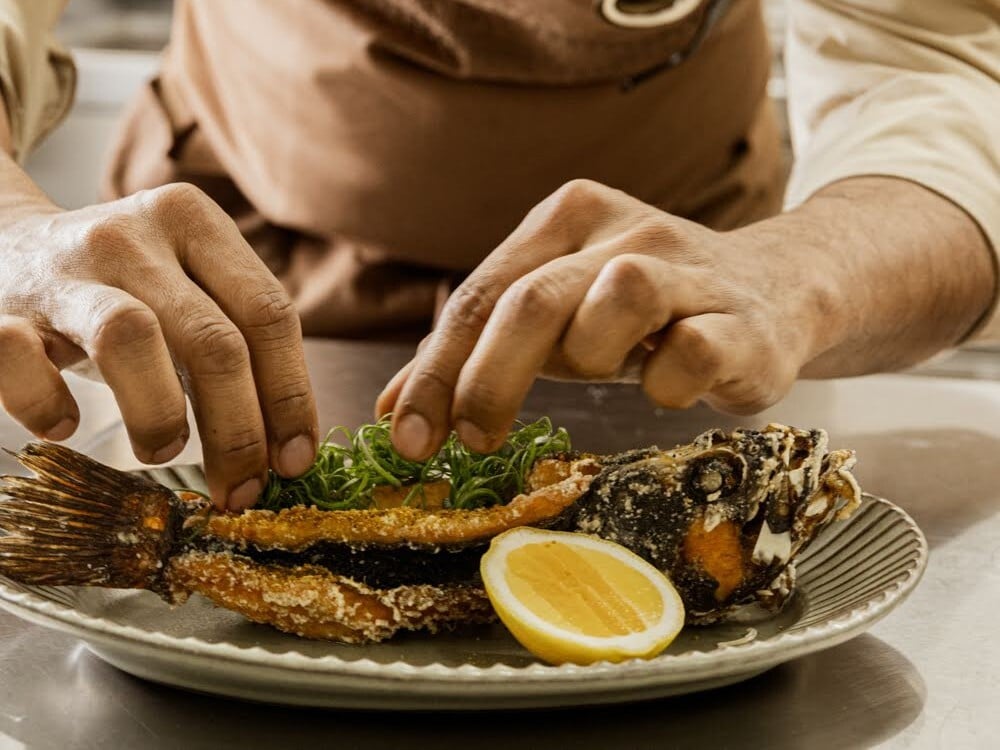
Many operators underestimate food costs by only reviewing headline ingredients. True costing should account for sauces, garnishes, oils, packaging, waste and portion consistency. Labour-intensive dishes should also be reviewed carefully, particularly if they require significant prep time or specialist kitchen skills.
A dish may appear profitable on paper while quietly reducing margins in reality. Without accurate costing, menu decisions are often based on assumptions.
3. Analyse Menu Performance Properly
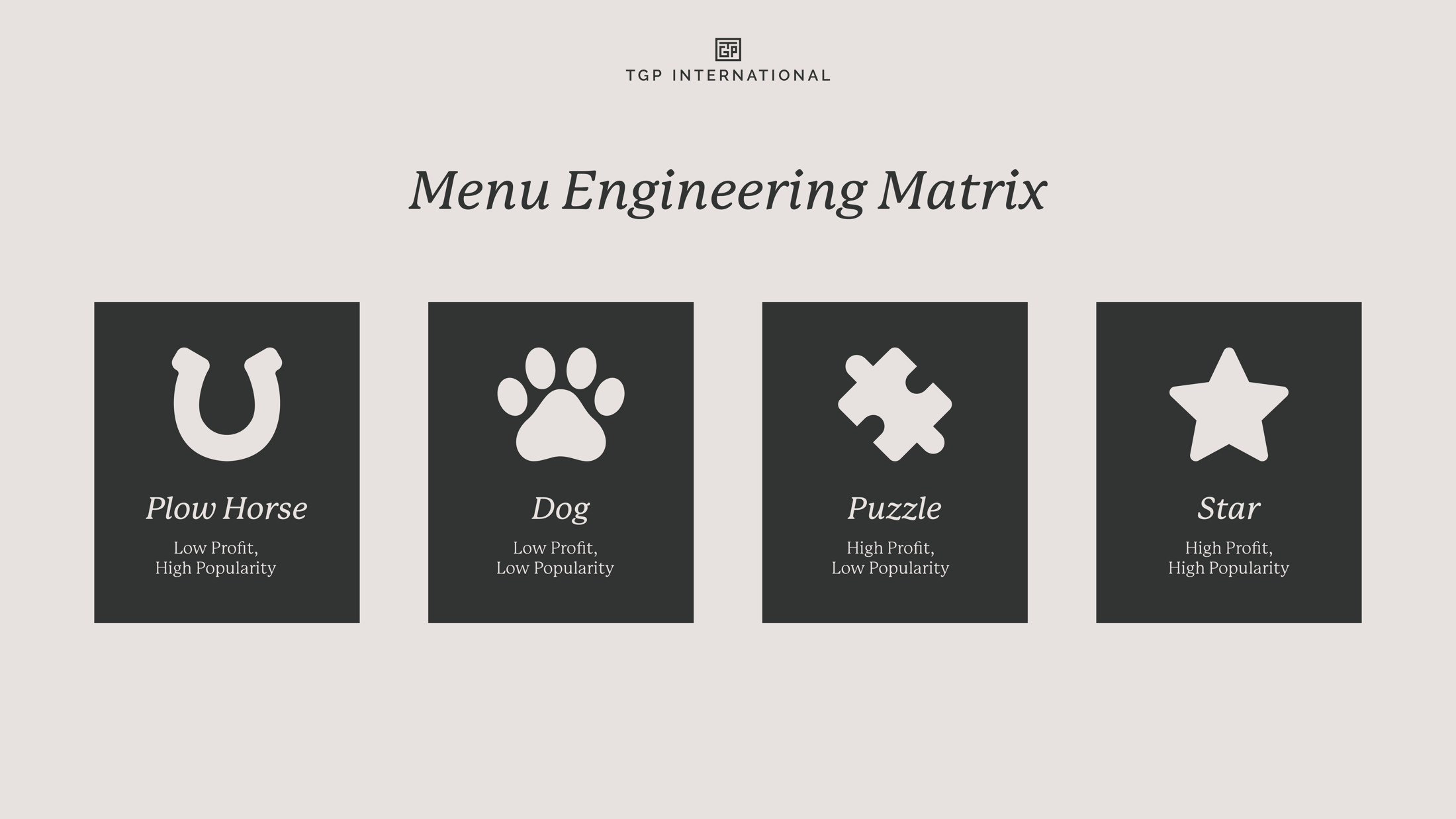
Best-selling dishes are not always your most valuable.
Traditional menu engineering frameworks help operators assess performance quickly: Stars are high in popularity and profitability, Plow Horses sell well but generate lower margins, Puzzles are profitable but often overlooked, and Dogs perform poorly across both metrics, making it easier to decide whether a dish needs margin improvements, better visibility or removal.
|
Category |
What it means |
Recommended action |
|
Stars |
High popularity, high profitability |
Maintain visibility and consistency |
|
Plow Horses |
High popularity, low profitability |
Review portion sizes, pricing or ingredient costs to improve margins |
|
Puzzles |
Low popularity, high profitability |
Improve placement, descriptions or promotion to increase visibility |
|
Dogs |
Low popularity, low profitability |
Consider removing if they add little financial or brand value |
4. Review Operational Feasibility
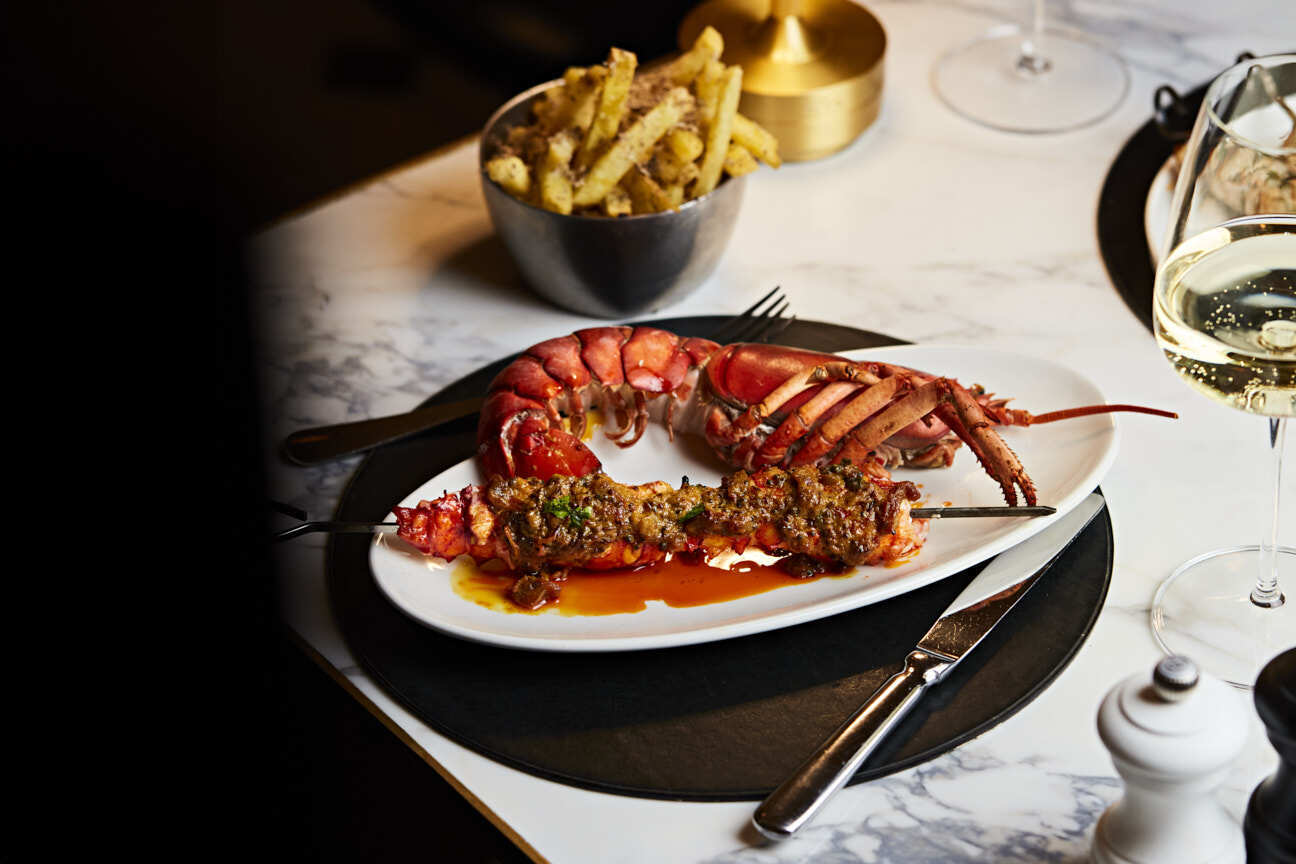
A dish may look exciting during development but become problematic during peak service.
Complex plating requirements, lengthy preparation processes, difficult ingredient sourcing or equipment bottlenecks can all slow kitchens down during busy periods. Menu engineering should account for operational realities from the start, ensuring menus remain creative while still allowing teams to execute consistently at volume.
Learn About Our Management Services
5. Build Flexibility Into Your Menu
Ingredient prices can shift quickly due to seasonality, supply chain disruptions or import challenges.
Menus built around highly volatile ingredients often become difficult to maintain profitably over time.
Operators should create flexibility by designing dishes that allow for seasonal adjustments or ingredient substitutions without changing the overall guest experience. This creates greater resilience and makes menus easier to adapt when market conditions shift.
6. Review Portion Sizes Regularly
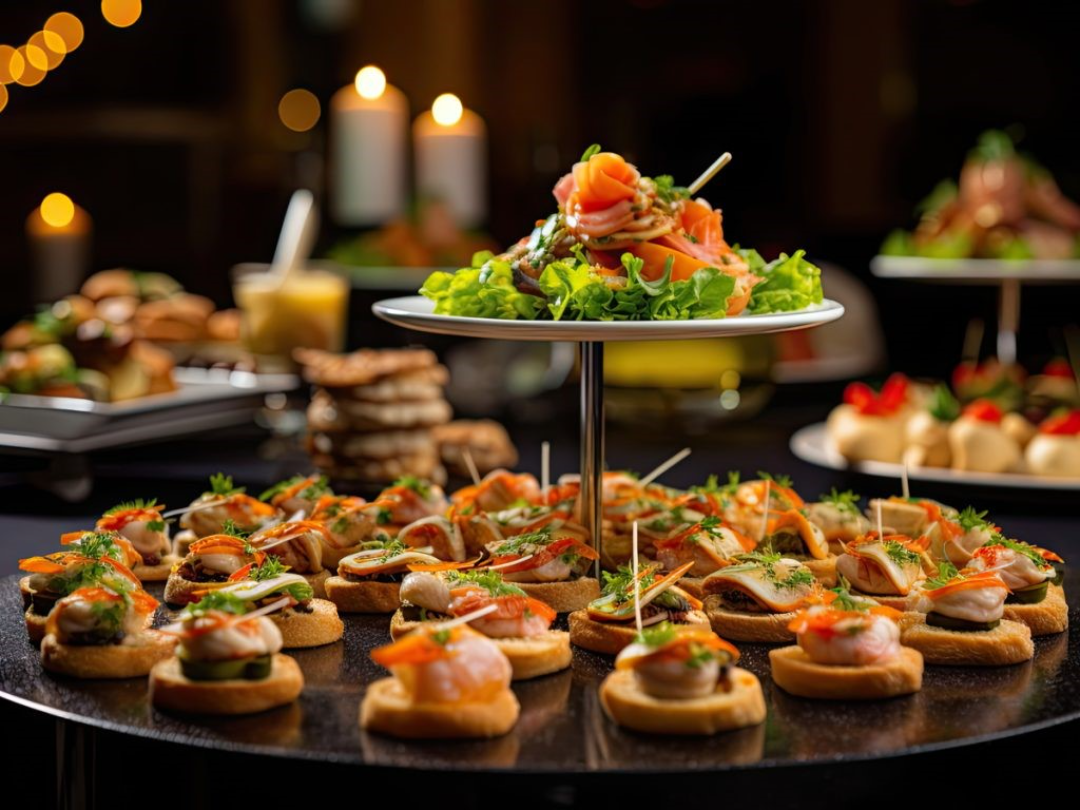
Portion sizes can quietly erode profitability when they are not monitored closely.
Overly generous portions often increase food costs without significantly improving guest satisfaction, particularly when excess food regularly.
At the same time, reducing portions too aggressively can create value perception issues and leave guests feeling underwhelmed.
Operators should regularly review portion sizes to ensure they align with guest expectations, concept positioning and profitability targets while helping reduce unnecessary waste.
7. Treat Menu Engineering as an Ongoing Process
Menus should never be treated as static documents.
Guest preferences evolve, operating costs shift and market conditions change. Regular menu reviews help operators respond to performance issues before they become larger problems.
The strongest hospitality businesses treat menu engineering as an ongoing discipline, using regular performance reviews to identify declining dishes, respond to changing guest behaviour, adapt to rising costs and ensure the menu evolves alongside the business while protecting its original identity.
