-1.png?width=3330&height=698&name=TGP%20International%20Logo%20White%20(1)-1.png "TGP International logo")
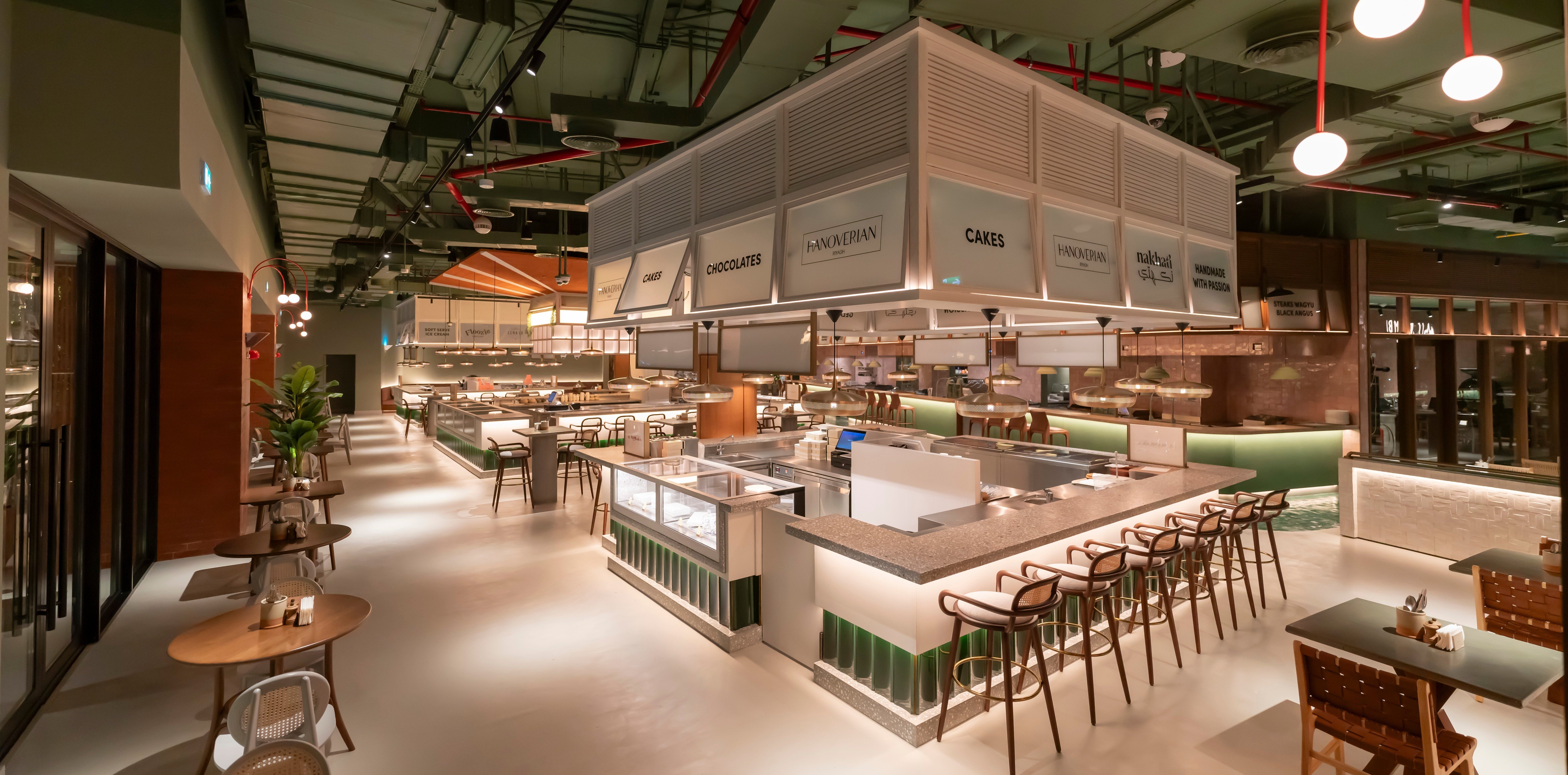
Designing a high-performing commercial kitchen is fundamental to the success of any restaurant. From layout and workflow to equipment and energy use, back-of-house design directly impacts efficiency, staff performance and overall profitability.
Drawing on TGP International’s experience across global hospitality projects, this FAQ addresses key considerations for creating commercially effective and future-ready kitchen environments.
What are the best commercial kitchen layouts for small restaurants?
The most effective layouts for small restaurants prioritise efficiency and clear workflow. Common approaches include galley kitchens, zone-based layouts and assembly line configurations depending on the menu complexity.
In constrained spaces, it is critical to minimise unnecessary movement by positioning prep, cooking and pass areas in close proximity. At TGP International, we recommend that layouts are always developed around the menu and service model rather than applying a one-size-fits-all approach.
Explore TGP International’s Kitchen Design Services
What are the most recommended layouts for efficient commercial kitchen workflow?
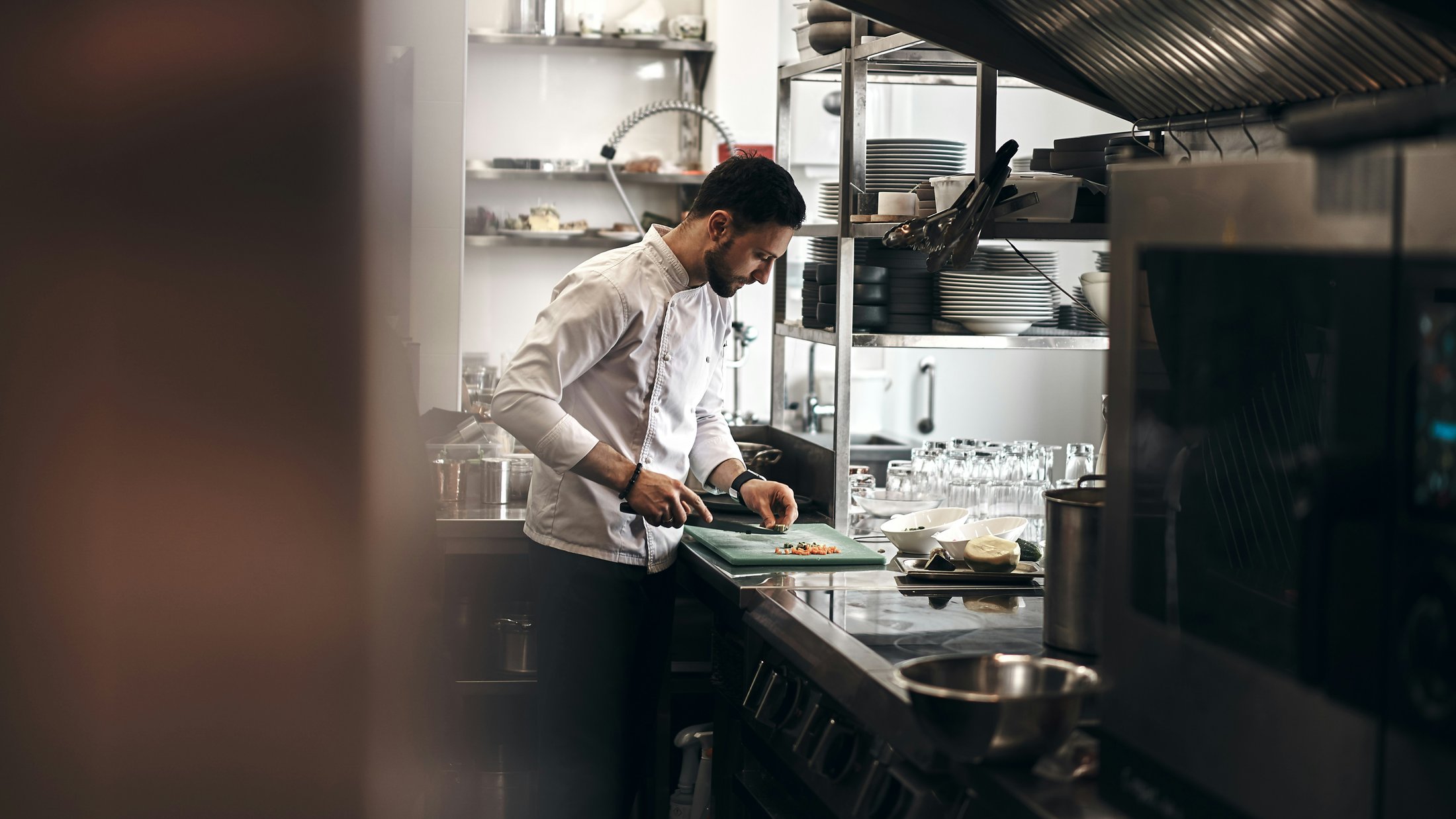
An efficient commercial kitchen is designed around a logical flow from delivery through to service. This typically follows a sequence of storage, preparation, cooking, plating and pass.
Clear zoning reduces cross-traffic and improves both speed and safety. Visibility between stations and direct access to key equipment are essential, as is ensuring that back-of-house supports front-of-house service without friction. The most successful kitchens align spatial design with operational strategy.
Explore Operational Strategy For Your Projects
How do you choose energy-efficient appliances for commercial kitchens?
Selecting energy-efficient appliances requires balancing performance, durability and long-term operational costs. High-efficiency equipment such as induction hobs, energy-rated refrigeration and smart ventilation systems can significantly reduce energy consumption.
It is also important to consider usage patterns, peak demand and maintenance requirements. A well-designed kitchen integrates equipment specification into the overall operational model to ensure both sustainability and commercial viability.
What should be considered when designing a back-of-house kitchen?
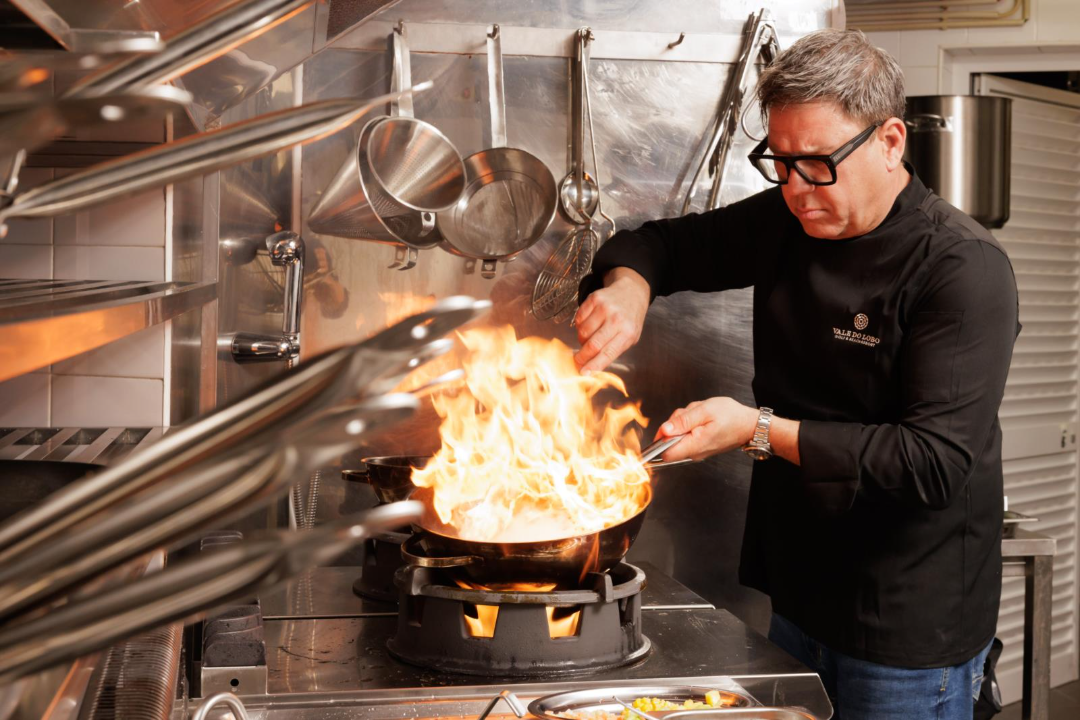
Back-of-house design should support seamless operations while maintaining compliance with health and safety regulations. Key considerations include workflow efficiency, staff ergonomics, ventilation, storage capacity and ease of cleaning.
Space planning must also account for future scalability and menu evolution, ensuring kitchens can adapt to different food styles and operational demands. Whether supporting high-heat flame cooking, precision-driven fine dining, or fast-paced casual concepts, the layout, equipment selection, and workflow should be tailored to the specific menu. At TGP International, BOH design is treated as a critical driver of performance, strategically optimised to enhance efficiency, support diverse culinary techniques, and evolve alongside the concept, rather than serving as just a functional necessity.
How can kitchen design improve restaurant profitability?
Well-planned kitchen design reduces labour inefficiencies, minimises waste and improves speed of service. By optimising workflow and equipment placement, operators can increase output without increasing staffing levels.
Energy-efficient systems and durable materials also reduce long-term operating costs. Ultimately, a high-performing kitchen directly supports revenue generation by enabling consistent quality and faster service.
Consult Our Advisory Team To Accelerate Your Brand
What are the latest trends in commercial kitchen design?
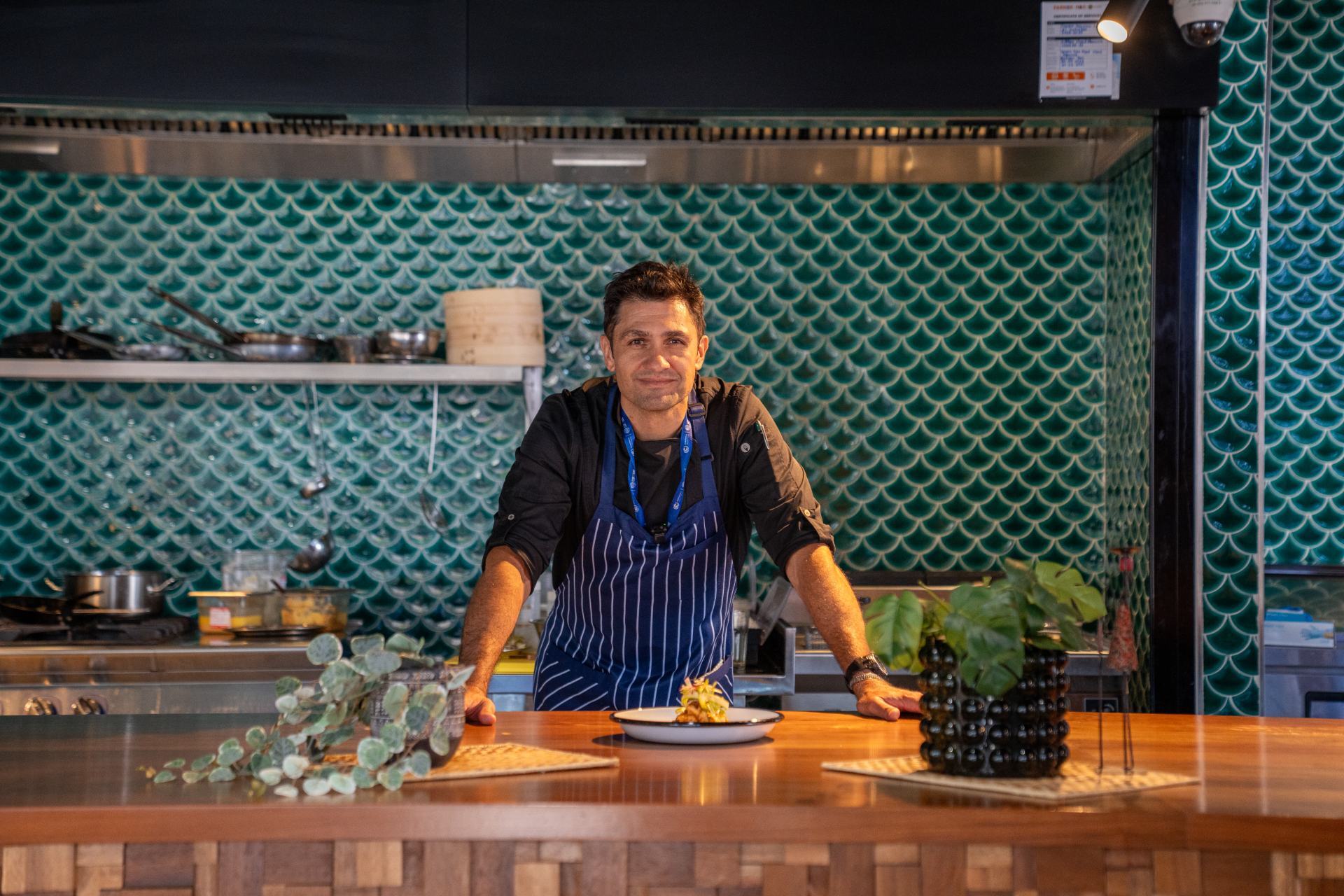
Commercial kitchens are increasingly shaped by transparency, flexibility, and sustainability, an approach we have actively explored through our work on food halls (e.g, Al Mamlaka & Depachika, where multiple vendors, varied cuisines, and high customer visibility demand highly adaptable and efficient BOH solutions. Open kitchen concepts, modular equipment, and multi-functional prep areas are becoming more common, particularly in these environments where spaces must flex between different operators and peak service periods.
There is also a growing focus on staff wellbeing, with improved lighting, ventilation, and ergonomics playing a key role in supporting performance across fast-paced, high-density kitchen settings. In parallel, technology integration is streamlining operations and enabling better performance tracking across back-of-house functions. Together, these elements create kitchens that are not only operationally resilient but also responsive to evolving concepts and service models.
Consult Our Design Specialists
Does menu design impact kitchen layout?
Menu complexity, cooking methods, and service style are fundamental to effective kitchen planning. A well-developed kitchen can be designed with enough flexibility to accommodate a range of dishes and evolving menus, allowing operators to adapt over time without major reconfiguration. However, specific food styles and signature dishes will still require bespoke features and dedicated equipment to execute them properly.
For example, pizza concepts rely on specialised pizza ovens (such as wood-fired or deck ovens), while grill-led concepts may require a tandoor, robata grill, or open grill pit to achieve the desired flavour and theatre. Similarly, wok-based cuisines benefit from high-powered wok burners, and bakery or pastry operations depend on dedicated baking ovens and preparation zones.
A streamlined menu enables a more compact and efficient layout, while more diverse offerings demand additional stations, storage, and equipment. Designing the kitchen and menu in tandem ensures the space is both operationally efficient and capable of supporting key culinary techniques. This integrated approach is central to delivering commercially successful and adaptable hospitality concepts.
Why is back-of-house design critical to guest experience?
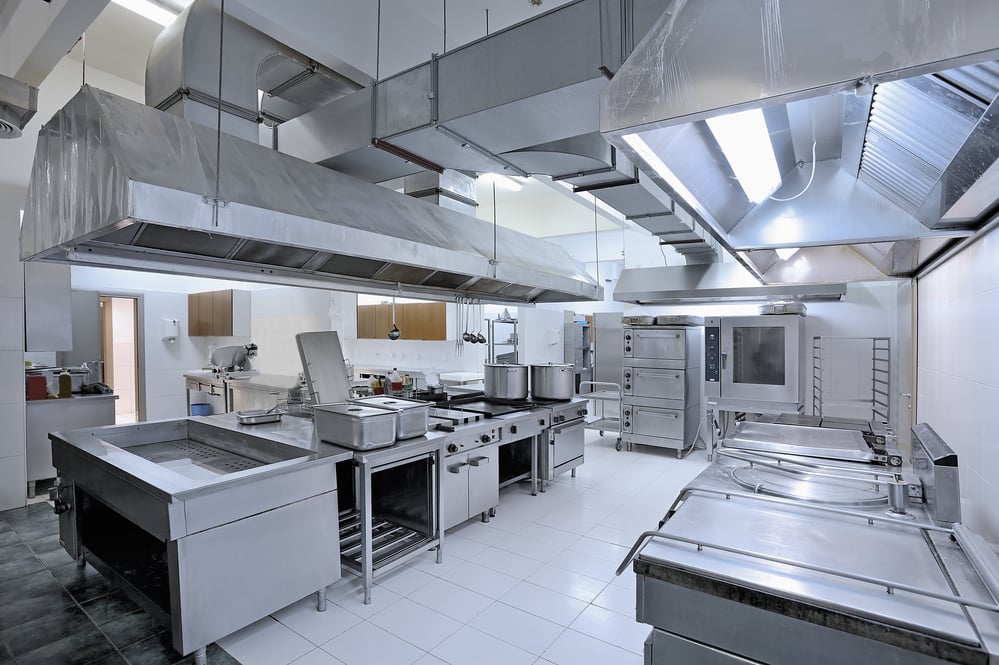
Although guests do not always see the kitchen, its performance directly impacts service speed, food quality and consistency. Inefficient BOH design can lead to delays, errors and increased stress on staff, all of which affect the front-of-house experience. A well-designed kitchen enables smoother service and ultimately enhances the overall guest journey.
s What are typical costs for designing a small restaurant kitchen in the UK?
