-1.png?width=3330&height=698&name=TGP%20International%20Logo%20White%20(1)-1.png "TGP International logo")
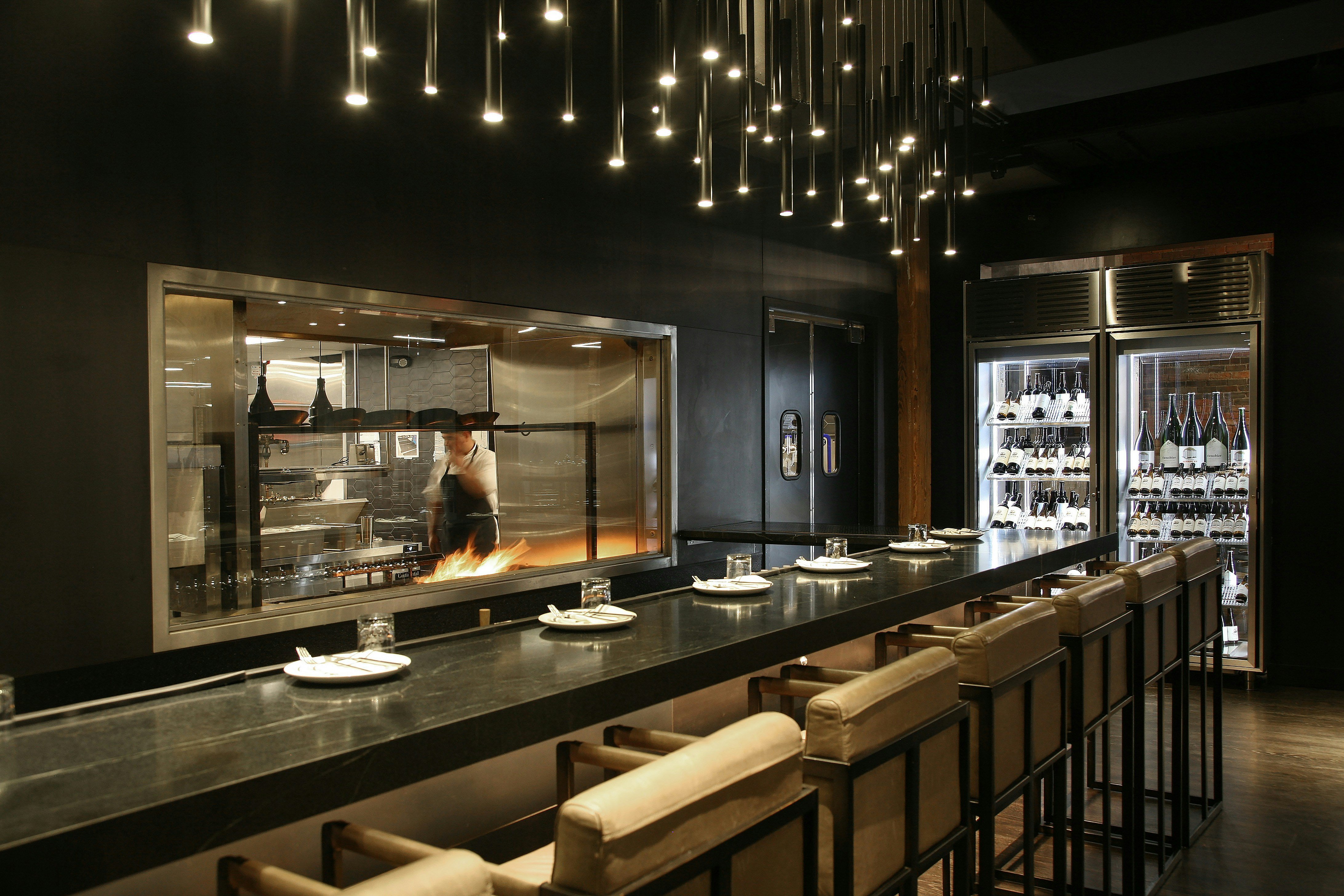
In F&B-led hospitality, what guests experience at the table is only the final expression of a much larger system. The dining room, the lighting, the service style and even the menu may be what people remember, but none of it exists without a back of house designed to operate seamlessly and support every moment of delivery.
At TGP International, we understand just how important the role of kitchens is in shaping successful hospitality concepts. Whether developing a food hall or a single-venue restaurant concept, we see commercial kitchen design not as a technical afterthought, but as a critical operational foundation. When designed well, it enables consistency, scalability and profitability. When designed poorly, even the most compelling ideas can struggle to survive beyond opening.
Explore More About Our Commercial Kitchen Design
The Back of House as a Commercial Engine
A commercial kitchen is not just a production space. It is a coordinated system of people, processes, equipment and infrastructure that must work in sync to deliver a consistent guest experience. Every decision, from layout and equipment specification to storage logic and service flow, directly impacts speed, quality and cost control.
Our approach always begins with operational feasibility. Before any design work is developed, we assess how a concept will actually function in service. This includes production modelling, menu complexity, staffing structures and peak demand scenarios. Without this foundation, kitchen design can be speculative rather than functional.
This is why back of house planning sits at the centre of our work across hotels, mixed use developments and destination F&B environments. Whether it is a single restaurant or a multi operator food hall, the same principle applies. Operations define design, not the other way around.
Discover How Back-of-House Operations Drive Brand Success
Designing for Service Flow and Real-World Pressure
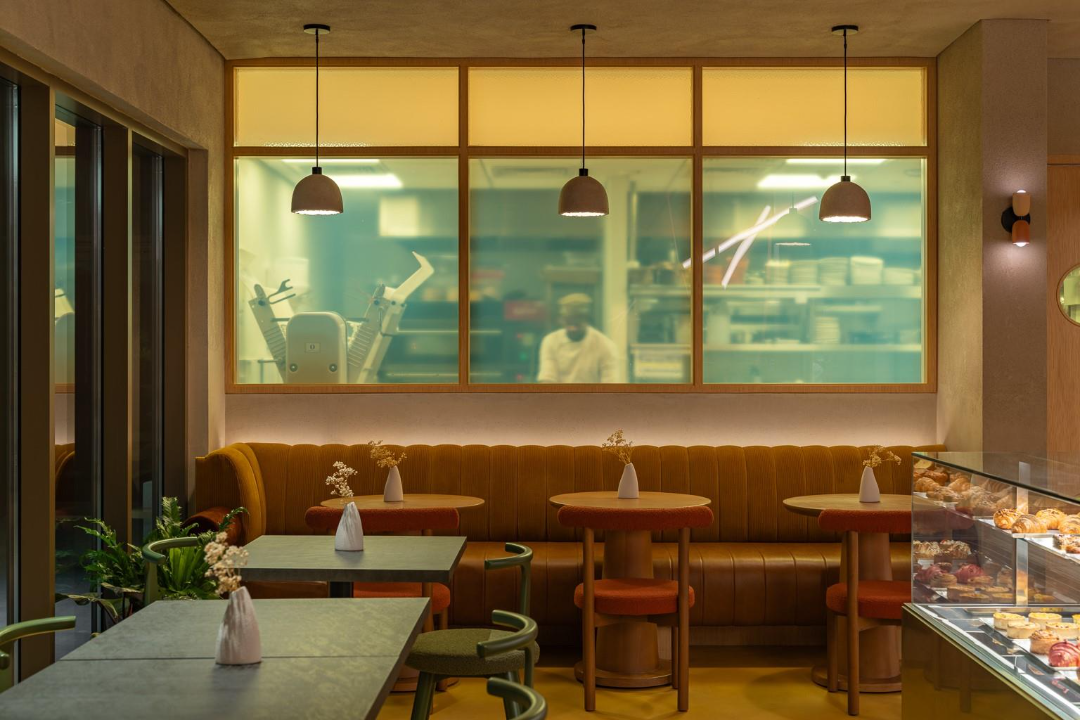
The most effective commercial kitchens are designed around service flow. From delivery and storage through to prep, cooking, plating and dispatch, every movement must be intentional. When flow is disrupted, inefficiency compounds quickly, particularly during peak service.
In high volume environments, small design decisions have large operational consequences. A poorly placed pass, insufficient cold storage or inefficient prep zoning can slow service, increase labour pressure and reduce consistency. Conversely, a well structured back of house allows teams to perform under pressure without relying on constant intervention or heroics.
In our projects, we focus heavily on workflow planning and technical coordination. This includes kitchen layout design, equipment specification, cold chain and storage infrastructure and full MEP integration. These elements are not separate disciplines. They are interconnected parts of a single operational system.
The Link Between Operations and Guest Experience
While guests rarely see the back of house, they experience its performance in every interaction. Speed of service, accuracy of orders, food quality and even the energy of a space are all direct reflections of operational design.
A well-designed kitchen reduces friction between front and back of house. It enables communication, improves morale and supports staff in delivering consistent output. In contrast, poorly considered layouts often lead to inefficiency, stress and inconsistency, which inevitably affects the guest experience.
This is why we view back of house design as a core driver of brand performance rather than a technical requirement. It shapes how a concept feels to operate and how it is perceived by guests over time.
Scalability Begins in the Kitchen
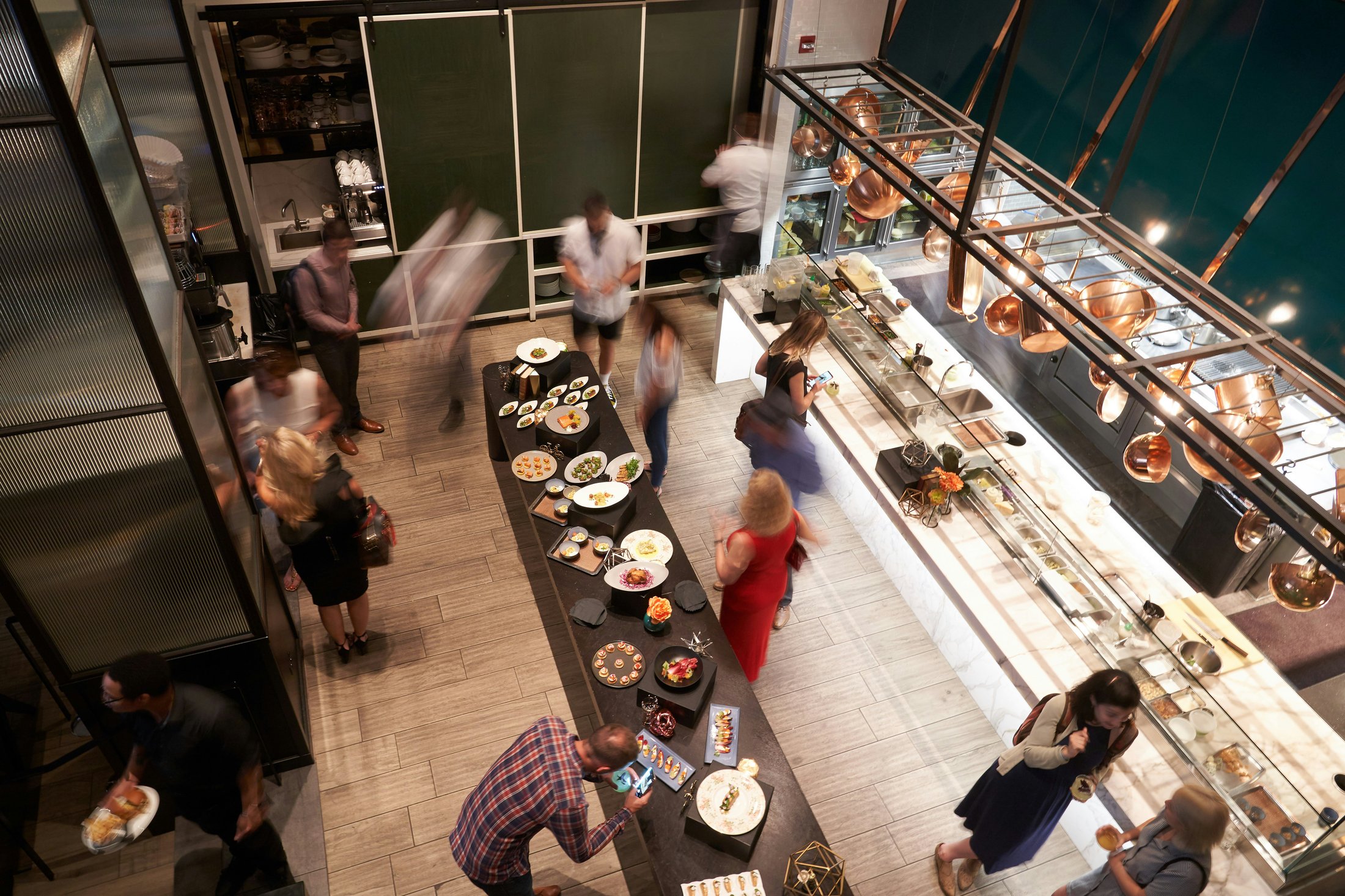 Many hospitality concepts perform well at launch but struggle to scale. The reason is rarely brand or design. It is operational fragility.
Invisible service, where the guest experiences seamless, effortless hospitality, relies heavily on what happens behind the scenes. When the kitchen and back of house are not properly designed, service teams are forced to work around inefficiencies, making it harder to deliver the level of consistency, speed and ease that modern hospitality now demands.
When systems are not designed to expand, small inefficiencies become structural limitations as volume increases. Labour models break down, consistency declines and margins tighten. Growth becomes reactive rather than controlled.
Strong kitchen and back of house design is what enables invisible service to exist in practice. It creates clarity in workflows, defines roles and establishes infrastructure that can flex with demand without compromising execution. This is especially critical in food halls, hotel F&B ecosystems and mixed-use developments where multiple concepts depend on shared operational systems.
We have seen this across projects such as Expo City Dubai, where scalable production models and coordinated back of house infrastructure were essential to supporting a complex, multi-venue environment at city scale.
Technical Design That Supports Long Term Performance
Commercial kitchen design is also a highly technical discipline. Equipment planning, ventilation, utilities, drainage and compliance all directly influence how a space performs day to day. Central to this is MEP (mechanical, electrical and plumbing) design, which forms the hidden infrastructure that enables all hospitality environments to function safely, efficiently and consistently.
In practice, MEP systems underpin everything from HVAC and extraction in kitchens, to power distribution, lighting, water supply, drainage and fire safety systems. These elements are rarely visible to guests, but they define comfort, air quality, temperature control, operational reliability and ultimately the quality of service delivery.
In hospitality environments, particularly restaurants, hotels and food halls, MEP design is critical because it must respond to real operational intensity. Kitchen ventilation, gas supply, grease management, refrigeration loads and electrical capacity all need to be engineered around how the space will actually be used at peak performance, not just how it appears on plan.
Our role is to ensure these systems are fully integrated into the design process from the outset. This includes close coordination with MEP consultants, alignment with operational requirements and ensuring that every technical decision supports long-term efficiency, compliance and ease of service delivery. Importantly, it also ensures that front-of-house experience and back-of-house performance are considered as one connected system rather than separate disciplines.
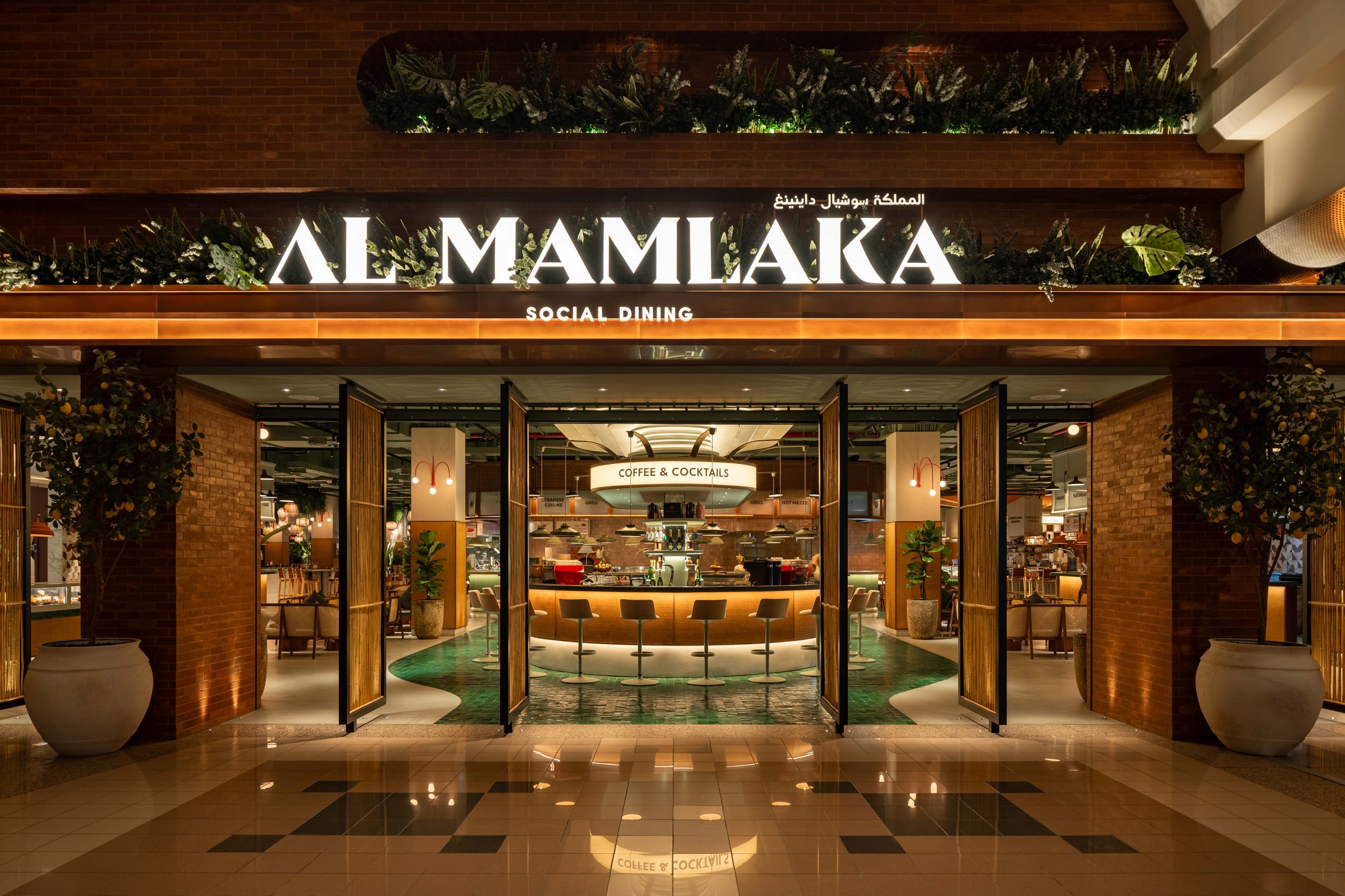
Projects such as Al Mamlaka Social Dining demonstrate how technical back-of-house and MEP coordination can enable complex multi-operator environments. In this case, shared infrastructure, carefully planned services and integrated kitchen systems allowed for operational efficiency while maintaining distinct culinary identities and seamless guest experience.
Designing for Real Operations, Not Ideal Scenarios
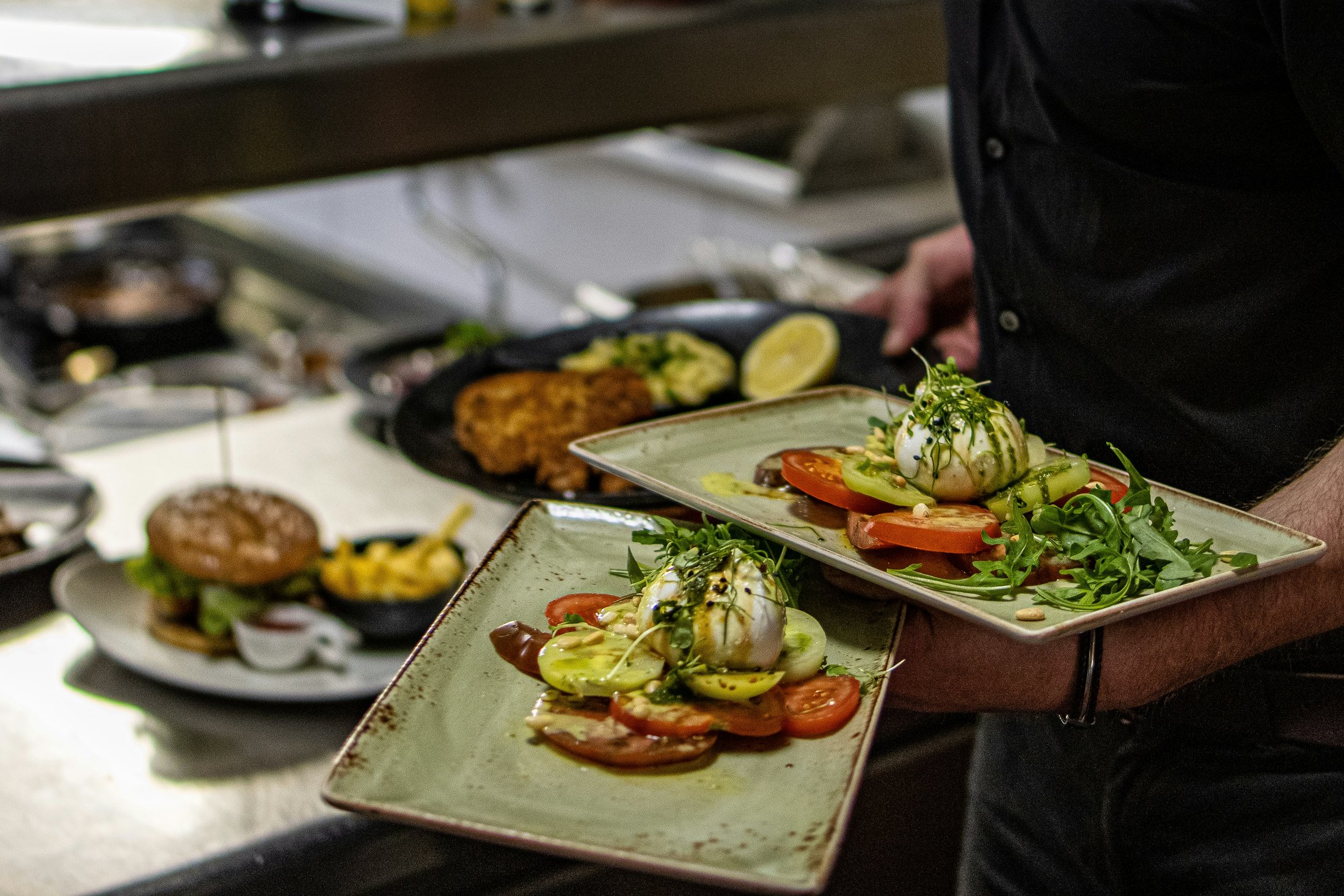
One of the most common challenges in hospitality development is designing for ideal conditions rather than real ones. Kitchens are often planned as if staffing is perfect, supply chains are stable and demand is predictable.
In reality, operations are dynamic. Staff turnover, fluctuating demand and supply variability are constant. Effective back of house design accounts for this from the beginning.
That means creating layouts that are intuitive, systems that are repeatable and infrastructure that supports consistency even when conditions change. It also means designing with the team in mind, ensuring ergonomics, flow and clarity reduce pressure rather than increase it.
See How Thoughtful Interior Design Creates Operationally Intelligent Hospitality Environments
The Role of Pre Opening and Commissioning
No commercial kitchen design is complete without considering how it will perform once operational. Within TGP International’s 360 approach, kitchen and back of house design is developed as part of a wider system that connects concept, space and service from the outset.
This ensures that operational requirements are embedded early in the design process, supporting consistency, efficiency and the delivery of invisible service once the concept opens. Rather than existing in isolation, kitchen design is integrated with wider spatial and service planning to ensure alignment across the guest journey.
At TGP International, this integrated approach ensures that operational thinking is built into the concept from the start, creating a stronger foundation for performance once the project moves from design into delivery.
Building Hospitality from the Inside Out
The most successful F&B brands are not built from the guest experience inward. They are built from the kitchen outward.
When back of house systems are strong, everything else becomes easier to deliver. The guest experience improves, teams operate with greater confidence and the business becomes more resilient.
Commercial kitchen and back of house design is therefore not just about efficiency. It is about enabling ambition. It is what allows a concept to scale, adapt and endure in a competitive global market.
At TGP International, we design from the inside out, ensuring that every hospitality concept is built on an operational foundation capable of delivering consistently, commercially and at scale.
Learn How Our Design Team Can Build You a Hospitality Brand That Thrives
