
The International Wine and Spirits Record (IWSR) expects global volumes of no-alcohol beer, wine, spirits and RTDs to grow by 36% between 2024 and 2029, reaching more than 18 billion servings.
This growth is raising expectations across hospitality. A credible alcohol-free offer now requires the same level of consideration as the wider drinks programme, from flavour and presentation to service, pricing and its role within the overall guest experience.
After 26 years working across beer, brewing and RTDs at AB InBev, Jerome Pellaud now works with The Social Drinks Company, the maker of SENTIA. With a doctorate in biophysical chemistry, he brings both scientific and commercial perspectives to product development and the way drinks are experienced in hospitality settings.
Given SENTIA’s collaboration with Long Lane, where TGP is supporting the development and launch of the destination, we spoke to Jerome about how operators can bring greater creativity and consideration to their alcohol-free drinks programmes
For anyone new to the brand, how would you describe Sentia?
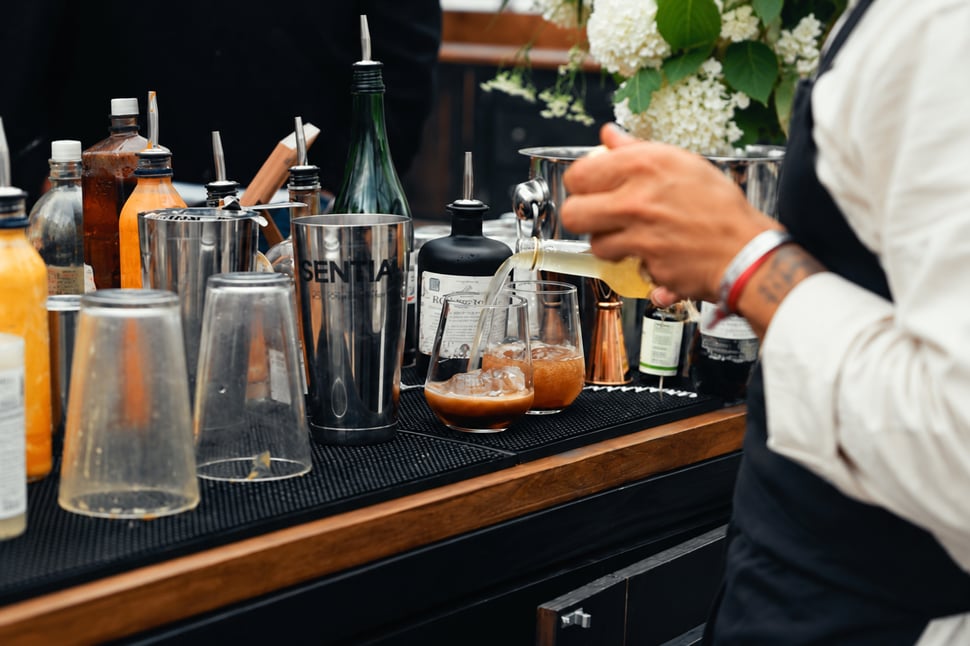
Sentia is an alcohol-free functional drink from The Social Drinks Company, developed from scientific research by GABA Labs.
What most people enjoy from the first one or two glasses of an alcoholic drink is the relaxation it provides. This is due to the effect of alcohol on the brain's GABA system. The GABA system supports relaxation, social ease and connection. Alcohol is by far the most common and efficient way humans have enhanced the working of the GABA system throughout history. Sentia does this as well. We use a unique blend of botanicals designed around the GABA system, without alcohol. We call them neurobotanicals.
What sets SENTIA apart from other alcohol-free products?
Much of the non-alcoholic drinks category imitates the flavour of existing alcoholic products. We started with a different question.
What are people actually looking for when they have a drink? Many people are not just looking for the flavour of alcoholic drinks, but for the relaxation that comes with the first glass.
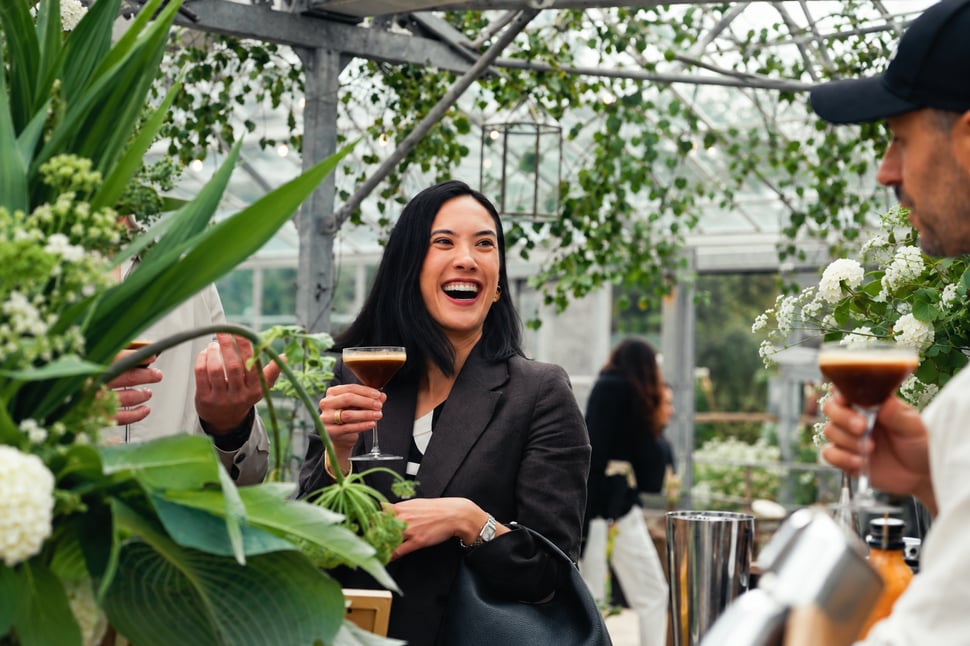
At Sentia, our aim is to create a new drinking experience, one built around ritual, connection and social ease. I call it an alternative, not a substitute. A substitute is always compared with the original, so people focus on what's missing. Sentia should be a drink you choose because you want it, not something you settle for because you're not drinking alcohol.
As a new drinking experience, Sentia also has a distinctive flavour signature, built around the neurobotanicals, spices and fruit juices. We have three variants (Sentia GABA Red, Sentia GABA Gold and Sentia GABA Black), all low in sugar with a fruity flavour, spicy notes and a well-balanced acidity. Each tastes delicious on its own or in a simple serve with a mixer of your choice. Sentia's complex signature lends itself to creative non-alcoholic cocktails as well.
How does Sentia fit with wellness-led concepts such as Long Lane, as well as other lifestyle venues?
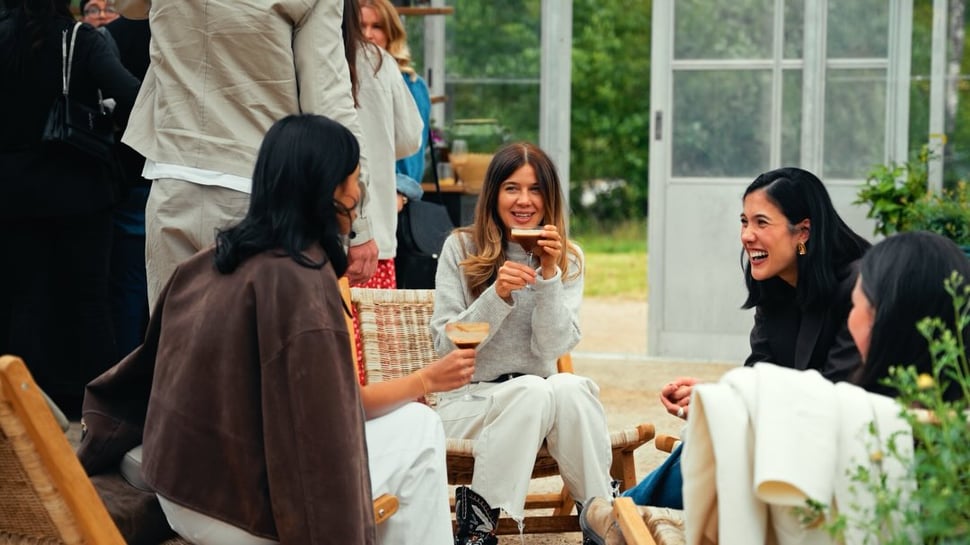
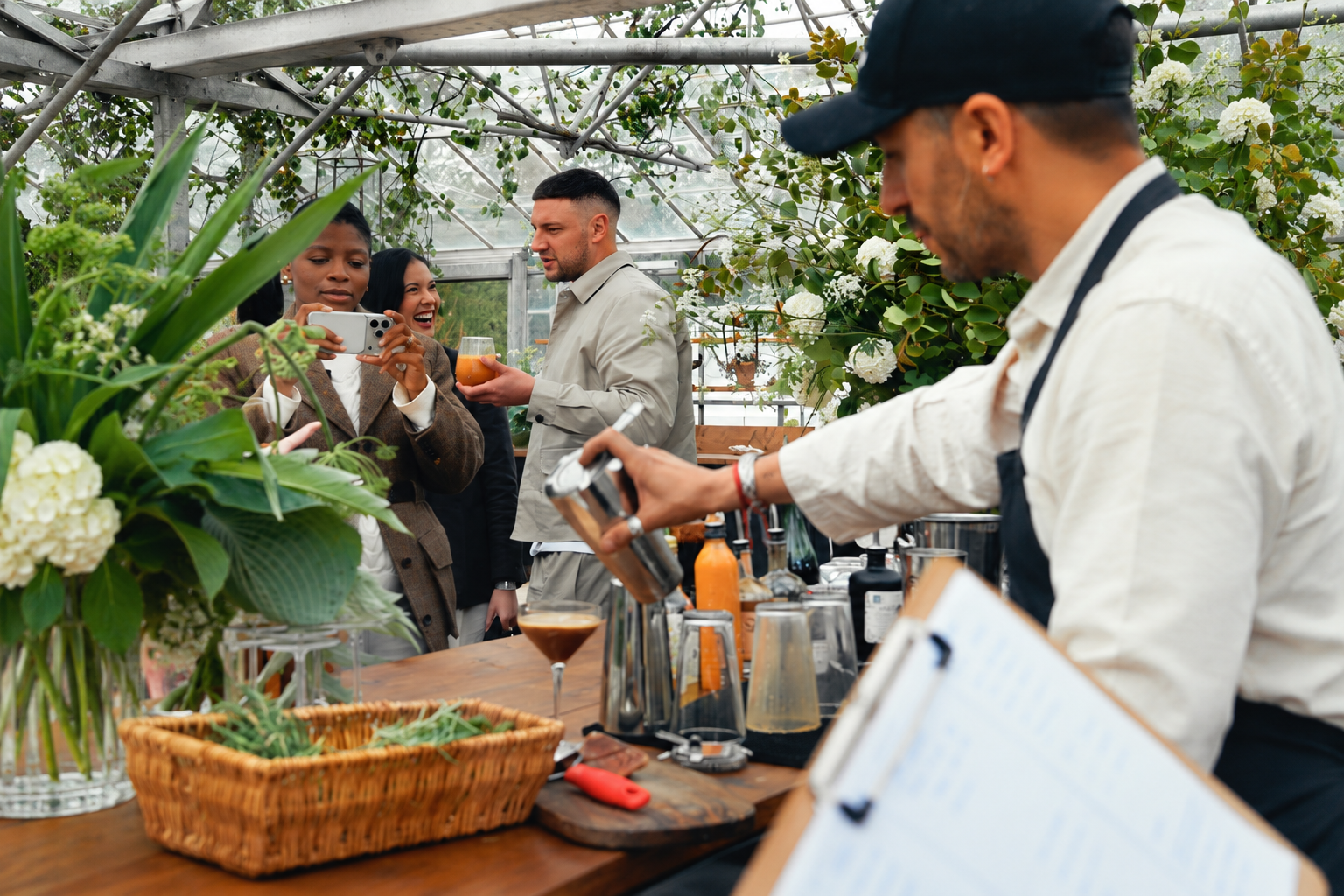
Long Lane is interesting because alcohol-free drinking wasn't an afterthought. It was part of the idea from day one. That changes everything, from the bar design and menu structure to the suppliers, glassware and the way the team talks to guests.
Guests who turn down the wine list don't want to be handed soft drinks by default. They still want a considered drink, served with the same care as anything else on the menu. Offering great-tasting non-alcoholic drinks that help set the mood for social ease is often a challenge for venues. This is what Sentia offers: partnering with Long Lane and other on-premise venues to help them build a truly exciting alternative menu for people who want a non-alcoholic drink. When alcohol isn't the default, every drink has to stand on flavour, feeling and quality.
At what stage should a venue start planning its alcohol-free offer, whether it is a new concept or an existing one?
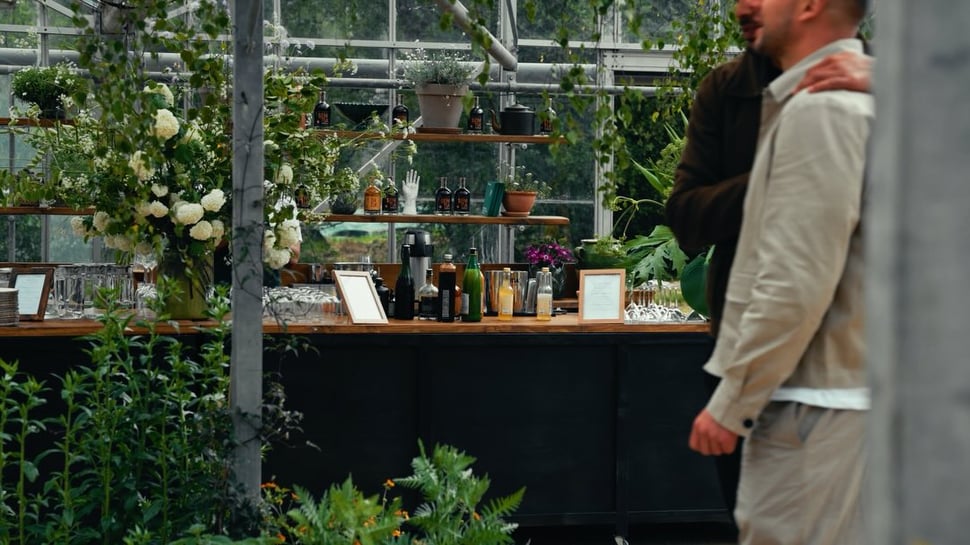
At the very beginning, at the same time as the wine and cocktail lists are decided. It's essential to create a complementary and cohesive overall menu, with an enticing non-alcoholic and functional non-alcoholic drinks section. It used to be an afterthought, only coming up when someone asked what you were doing for people who weren't drinking. The situation is evolving, and we are starting to see the same shift in hotels and lifestyle venues. It needs the same supplier conversations, tastings and debate as the rest of the drinks programme. Existing venues should look at the full guest journey too.
Are the options easy to find and understand? Do they suit different occasions? Can the team talk about them with confidence? Expectations have moved fast, so a list that looked progressive two years ago can feel very basic today.
At Sentia, we understand there is a need to educate venue staff and consumers about the brain chemistry of relaxation and social ease, and how Sentia delivers its functional benefits. This is why we are always keen to organise staff training and brand activations in partner venues.
How can operators make alcohol-free drinks feel like a natural part of the venue?
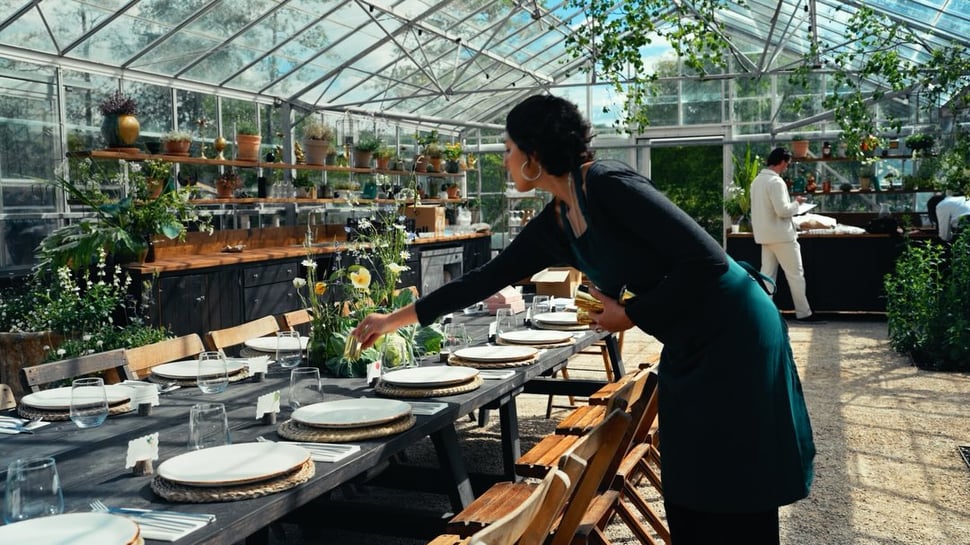
Start with the team. When a server describes an alcohol-free serve with the same confidence and detail as a Negroni, the guest sees it as a genuine choice. If they apologise for it, or call it 'the non-alcoholic option', it immediately feels like a cheap substitute.
Then look at the details: where it sits on the menu, how it is named, the glassware, the garnish and the way it is served. All of that should fit the venue. Pricing matters as well. It should reflect the ingredients, development and experience, rather than simply whether the drink contains alcohol or not.
What gives an alcohol-free serve enough character to sit alongside a premium cocktail?
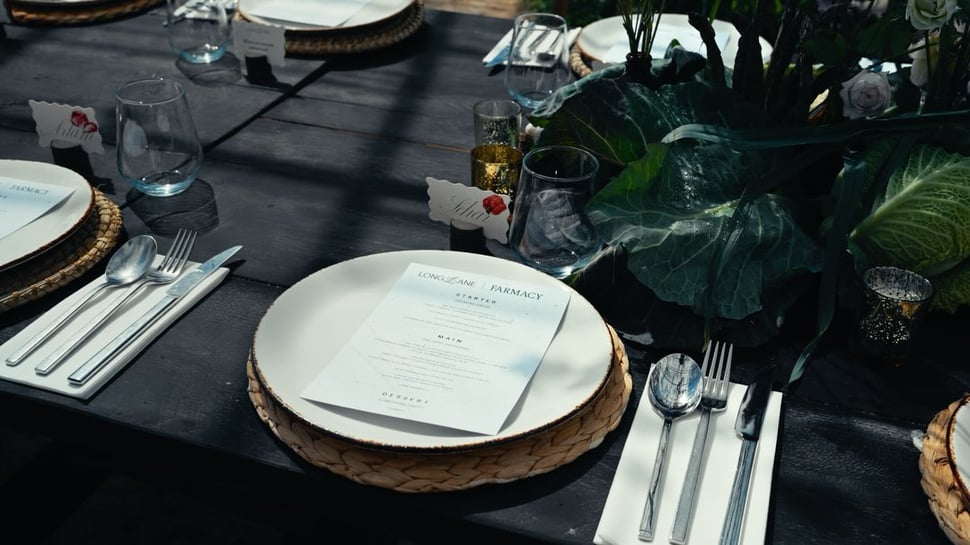
Honestly, much the same things that make any drink memorable: balance, texture, aroma and something you didn't expect. The glass should support the drink, not just look good in a photograph. A little theatre can help too, but it needs a reason.
A tableside spritz or a finishing garnish should add something to the aroma or flavour. Guests are also more open to bolder profiles now. Botanicals, bitterness, smoke and low-sugar drinks all have a place.
An alcohol-free drink doesn't have to be sweet or easy. It can have the same depth and tension as a well-made cocktail.
Importantly, Sentia fits naturally into this philosophy thanks to its sophisticated flavour profile, and it brings the functional benefit too.
What does it take to deliver that experience consistently?
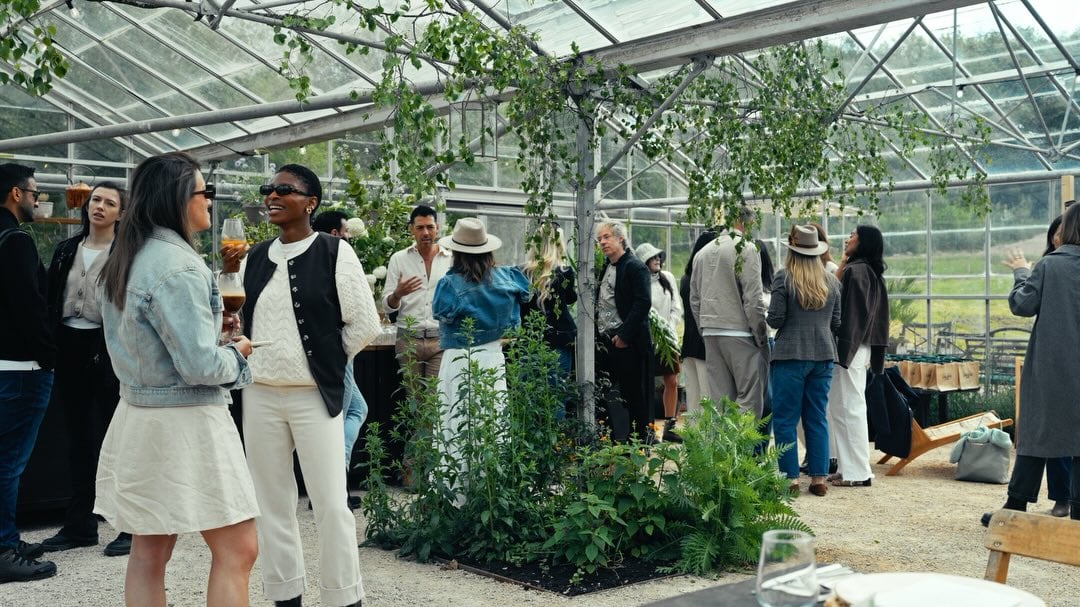
Start with a recipe the team can repeat when the bar is getting very busy. A drink may look impressive during development, but if the garnish takes five minutes or the ingredients are hard to prep, consistency will disappear during service. Each of our three Sentia GABA Spirits (Red, Gold and Black) has a premium flavour profile and is low in sugar, making them very versatile. Many people enjoy Sentia at home poured over ice, or as a simple long drink with their preferred mixer. In the on-trade, bartenders like to play with Sentia's signature as part of more complex non-alcoholic cocktails.
Training matters just as much. Staff need to taste the drinks, understand the ingredients and experience the functional effect. They then need to explain the flavour, the food pairing and, in the case of Sentia, the unique functional benefit in their own words.
As demand grows, how do you see alcohol-free and functional drinks shaping future hospitality concepts?
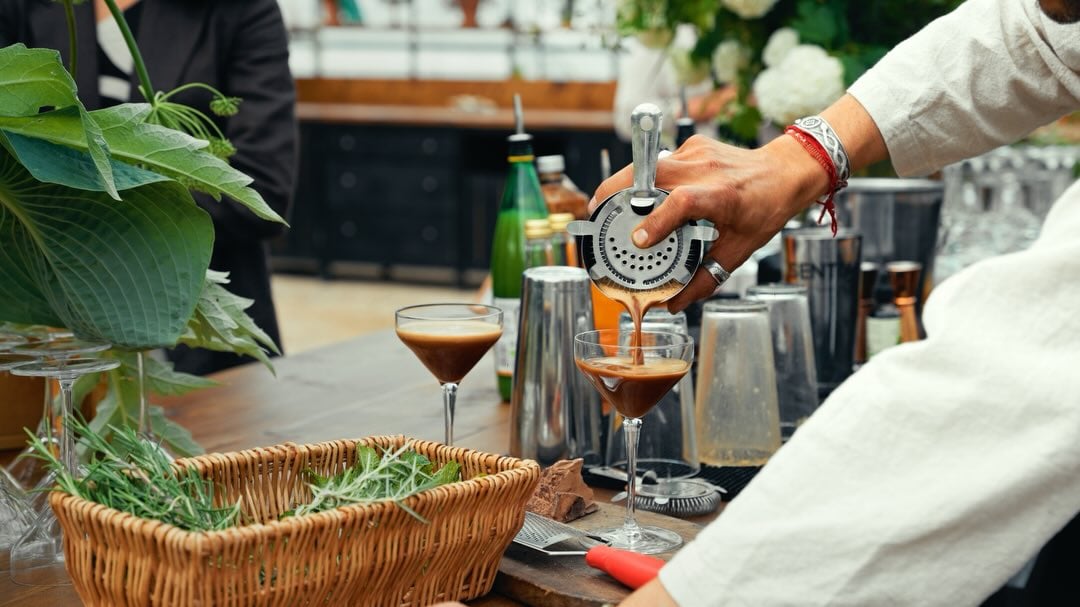
Sentia sits at the intersection of moderation and functional beverages. Both categories are among the fastest growing across multiple markets, which reflects genuine consumer demand.
We have started to see Mood Bars during the summer festival season in the UK, at places like BoomTown and Forwards Festival.
Mood Bars are dedicated to functional, non-alcoholic, mood-enhancing beverages. Sentia was served as a range of slushies and received great consumer feedback.
More and more people are asking for non-alcoholic alternatives that give them the social ease they are looking for without alcohol.
Drinks like Sentia will move out of the 'no & low' section and become part of the main offering. The best concepts will plan for different moods and occasions rather than dividing guests into drinkers and non-drinkers. Long Lane is a clear example because it treats alcohol-free socialising as the starting point, not a compromise. Most venues won't go that far, but they can still learn from it. In time, the question won't be whether a drink contains alcohol; it will be whether it tastes good, feels right for the moment and was worth ordering.
