-1.png?width=3330&height=698&name=TGP%20International%20Logo%20White%20(1)-1.png "TGP International logo")
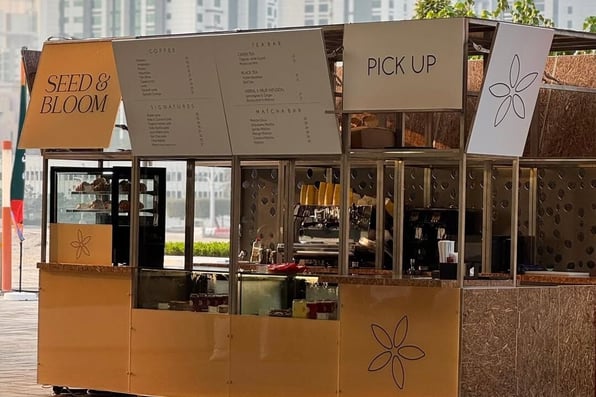
When we think about mega events, whether global expos, sporting tournaments or cultural gatherings, the scale of the event is immediately apparent. What is less visible, but increasingly critical, is the role of food and beverage in shaping not just the event experience but its long-term success and legacy.
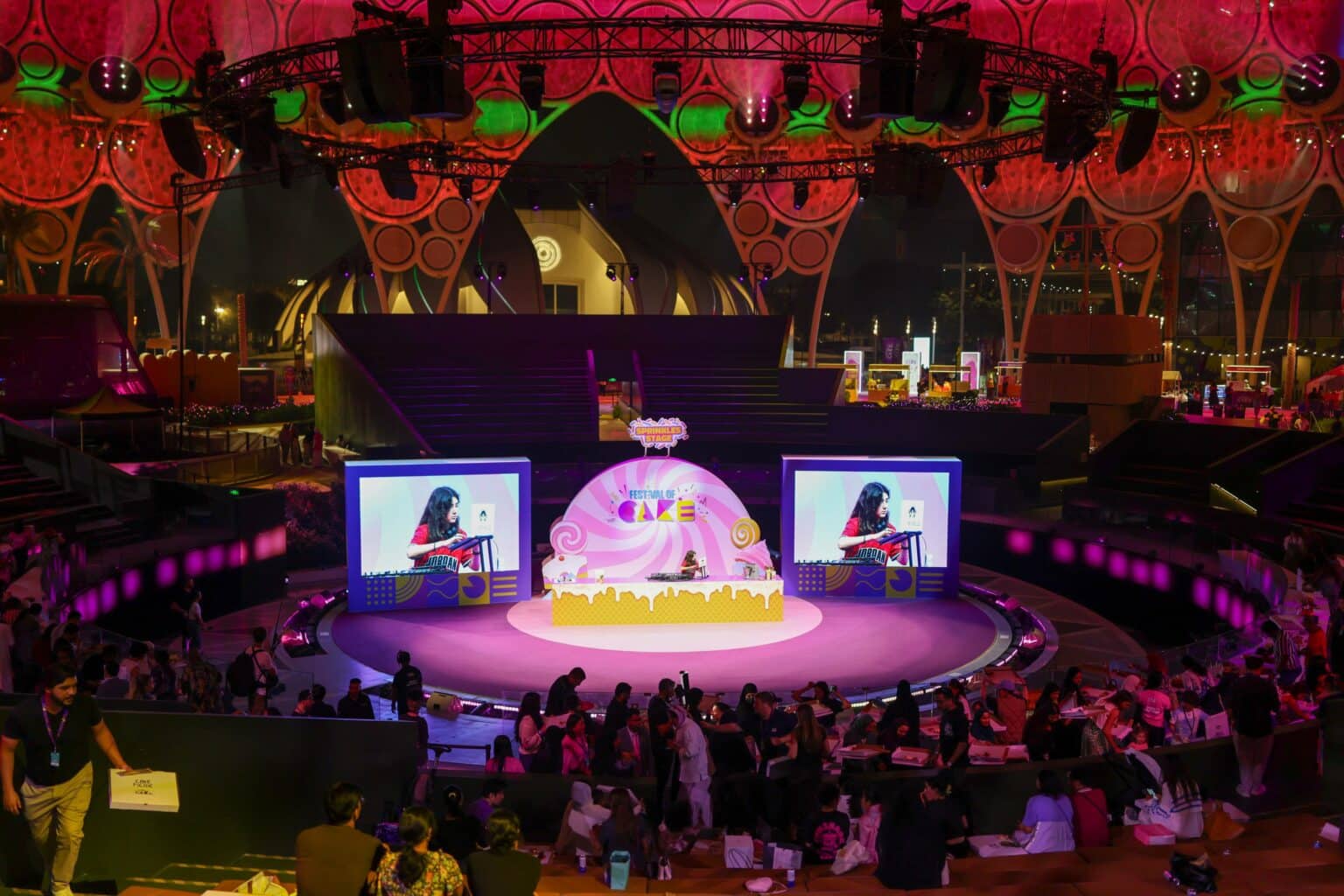
At TGP International, our experience delivering large-scale F&B strategies for events such as Expo 2020 Dubai, COP28, Expo 2025 Osaka, Festival of Cake, Coldplay Abu Dhabi Concert and the Dubai World Cup has shown that F&B is no longer a support function but is a strategic driver of commercial impact and guest engagement.
Drawing on insights from our Mega Events Trends Report, here are five key takeaways for building an effective F&B strategy at scale.
1. TREAT F&B AS A STRATEGIC PILLAR, NOT A SUPPORT FUNCTION
Food and beverage has evolved far beyond simply serving large volumes of people. Today, it is the second largest revenue stream after ticket sales and one of the most powerful tools for shaping how an event is experienced and remembered.
More importantly, food has become central to storytelling. It communicates culture, reflects values and creates emotional connections with audiences. In many cases, it becomes one of the most talked about aspects of an event, both in the lead up and long after it ends.
A successful strategy starts by positioning F&B at the core of event planning, aligning it with the overarching vision rather than treating it as an operational afterthought.
This is where a strong advisory foundation is critical. Defining the right strategy from the outset ensures every decision, from infrastructure to brand mix, supports the wider objectives of the event.
2. DESIGN FOR SCALE, DIVERSITY AND SEAMLESS EXECUTION
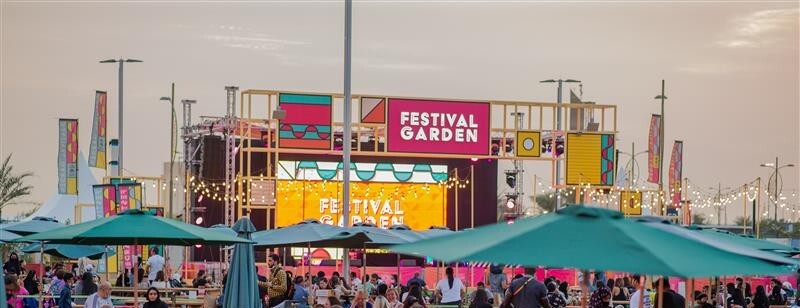
Mega events demand an extraordinary level of operational precision. High footfall, diverse audiences and multiple venue formats require a carefully structured ecosystem of F&B offerings.
This means creating the right mix of formats, from grab and go and fast casual through to premium dining, while ensuring speed of service, consistency and quality across every touchpoint.
It is equally important to curate a balanced portfolio of global brands and local concepts. International names bring recognition and draw, while local operators add authenticity and cultural depth.
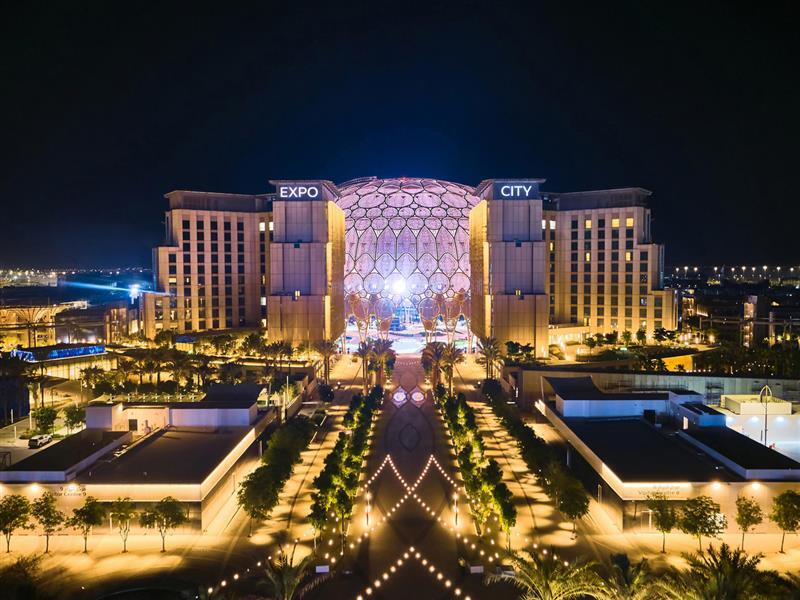
At Expo 2020 Dubai, for example, we delivered over 16 million meals across a highly complex F&B landscape, demonstrating that scale and quality must work together rather than compete.
Behind this sits careful concept development, shaping each brand and experience to fit within a cohesive ecosystem while meeting commercial and operational requirements.
Discover our Concept Development Expertise
3. USE F&B TO DEFINE IDENTITY AND CREATE EXPERIENCE
Food is one of the most effective ways to express identity at a mega event. It allows organisers to translate abstract themes such as sustainability, innovation or cultural exchange into something tangible and memorable.
Audiences are also seeking more than just meals. They are looking for experiences that feel engaging and immersive.
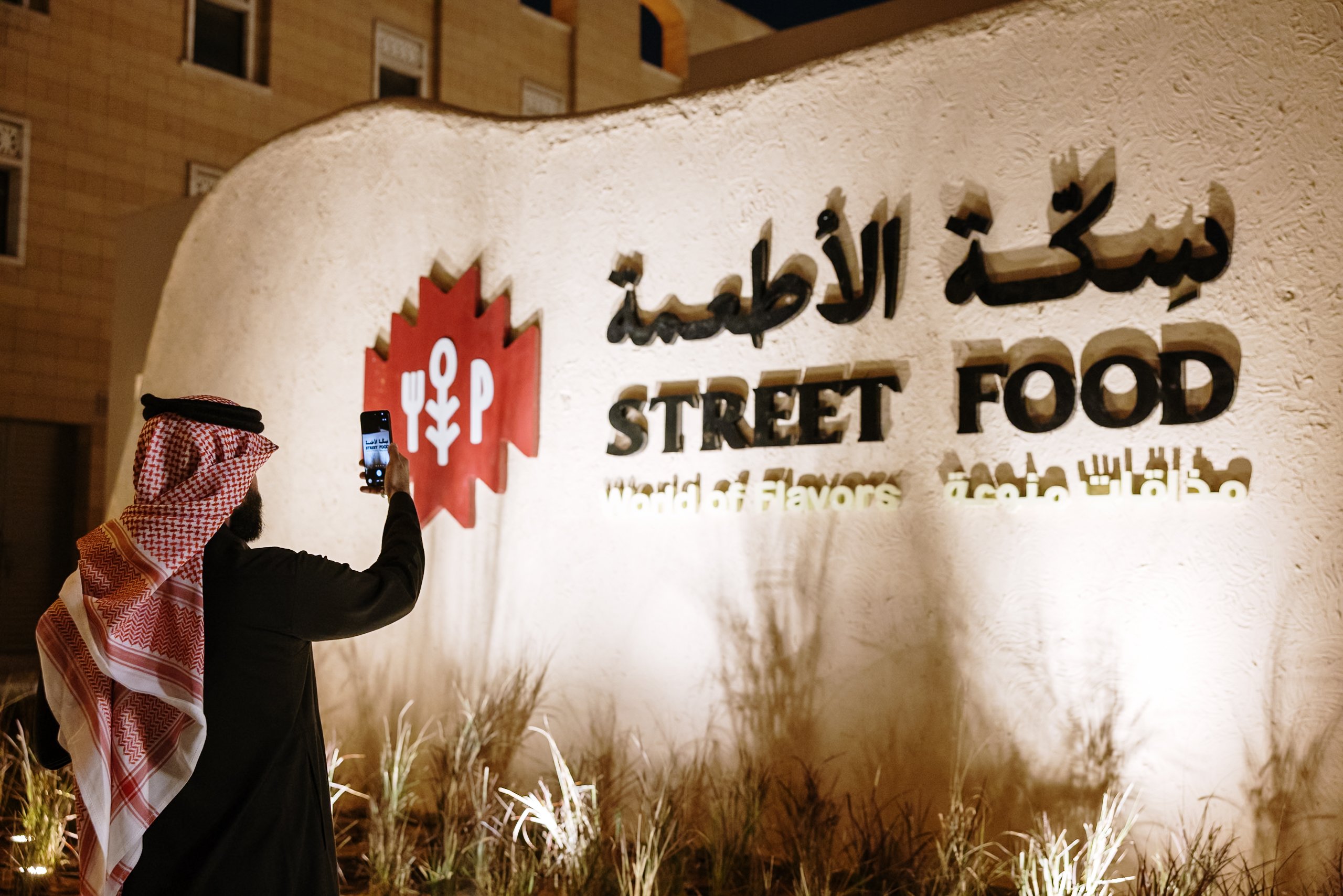
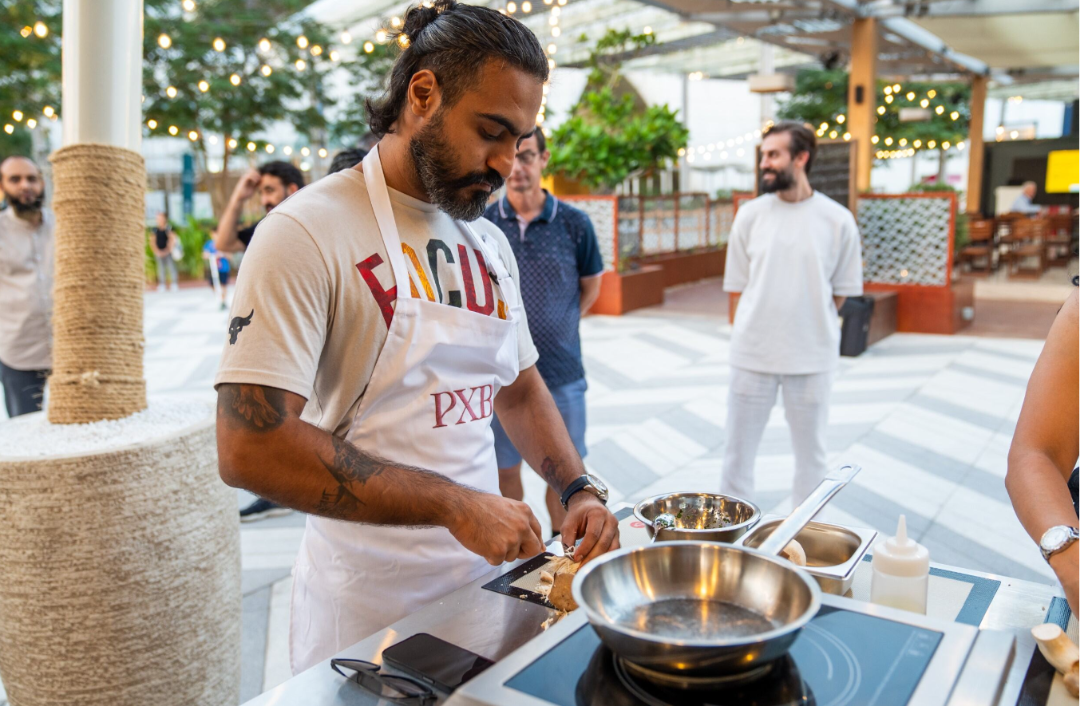
Interactive formats such as live cooking, chef-led activations and curated tastings play an important role in this. They deepen engagement, create memorable moments and extend the reach of the event through shared experiences. This approach is reflected in TGP International’s Street Food – The Timeless Appeal of Street Food and Its Role in Preserving Cultural Identity project, which highlights how informal, authentic food formats can foster connection while celebrating heritage.
At its best, F&B becomes an integral layer of the event, reinforcing its narrative and elevating the overall guest journey. Initiatives such as street food markets, food halls and food truck activations demonstrate how culinary experiences can unite diverse audiences while showcasing both heritage and innovation in a highly accessible way.
Bringing these experiences to life requires thoughtful spatial planning and creative direction, ensuring that every environment supports both storytelling and operational flow.
4. EMBED SUSTAINABILITY AND RESPONSIBILITY FROM THE OUTSET
Sustainability is no longer optional. It is a baseline expectation for both audiences and stakeholders.
An effective F&B strategy must integrate sustainable practices across the entire value chain, from sourcing and menu design through to operations and waste management. This includes prioritising local and seasonal ingredients, reducing food waste, minimising single use materials and working with ethical suppliers.
At COP28, we delivered a large-scale F&B programme where two thirds of the menu was plant based, supported by robust waste management and sourcing strategies. This demonstrated that sustainability can be achieved at scale without compromising quality or experience.
Crucially, these efforts must be measurable. Tracking and reporting impact is now an essential part of delivering credible and future focused events.
Ensuring these strategies are implemented effectively on the ground requires strong operational oversight and integrated management across all partners and stakeholders.
Learn More About Our Management Services
5. PLAN FOR LEGACY, NOT JUST THE EVENT
The most successful mega events are those that think beyond their closing date.
Food and beverage has a unique ability to contribute to long-term economic and cultural impact. When planned strategically, it can lead to the creation of permanent venues, new F&B brands and sustained tourism activity.
This may take the form of food halls, markets or dining districts that continue to operate after the event, transforming temporary activation into lasting infrastructure.
Investing in local talent, suppliers and workforce development also ensures that the benefits of the event are felt well beyond its duration.
Legacy planning should begin early. The decisions made during the strategy phase, particularly around infrastructure, partnerships and commercial models, will determine whether an event leaves behind a thriving ecosystem or underutilised assets.
Equally, maintaining momentum beyond the event requires clear positioning and communication, ensuring that venues, brands and destinations continue to attract audiences.
Explore our Marketing Services
FINAL THOUGHT
Mega events are moments of global attention, but their true value lies in what they leave behind.
Food and beverage sits at the intersection of experience, culture and commerce. When approached strategically, it has the power to elevate events, connect people and shape the identity of a place on the world stage.
At TGP International, we believe the future of mega events will be defined not just by what audiences see, but by what they taste, share and remember.