-1.png?width=3330&height=698&name=TGP%20International%20Logo%20White%20(1)-1.png "TGP International logo")
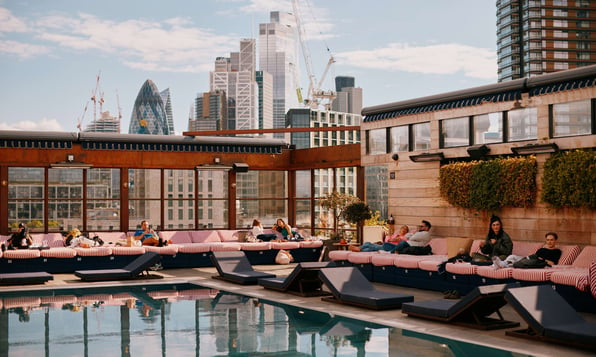
Over the past decade, the hospitality industry has seen a significant change in how hotels are designed, marketed and experienced. Historically, hotels were primarily centred around the guest room, with food and beverage, social spaces and amenities playing a supporting role. Today, that model has changed. For many travellers and local communities, the hotel is no longer just a place to sleep. It has become a place to meet, work, socialise, dine and experience a sense of belonging.
This shift has driven the rapid growth of the lifestyle hotel segment, with almost every major hotel operator looking to develop a lifestyle offering or reposition existing brands around community, culture and experience. The appeal is clear: lifestyle hotels create opportunities to engage not only with overnight guests but also with local residents, bringing restaurants, bars, events and social spaces into the heart of the operation.
However, as lifestyle positioning becomes increasingly widespread, the question is whether the sector risks becoming oversaturated.
The Rise of the Lifestyle Hotel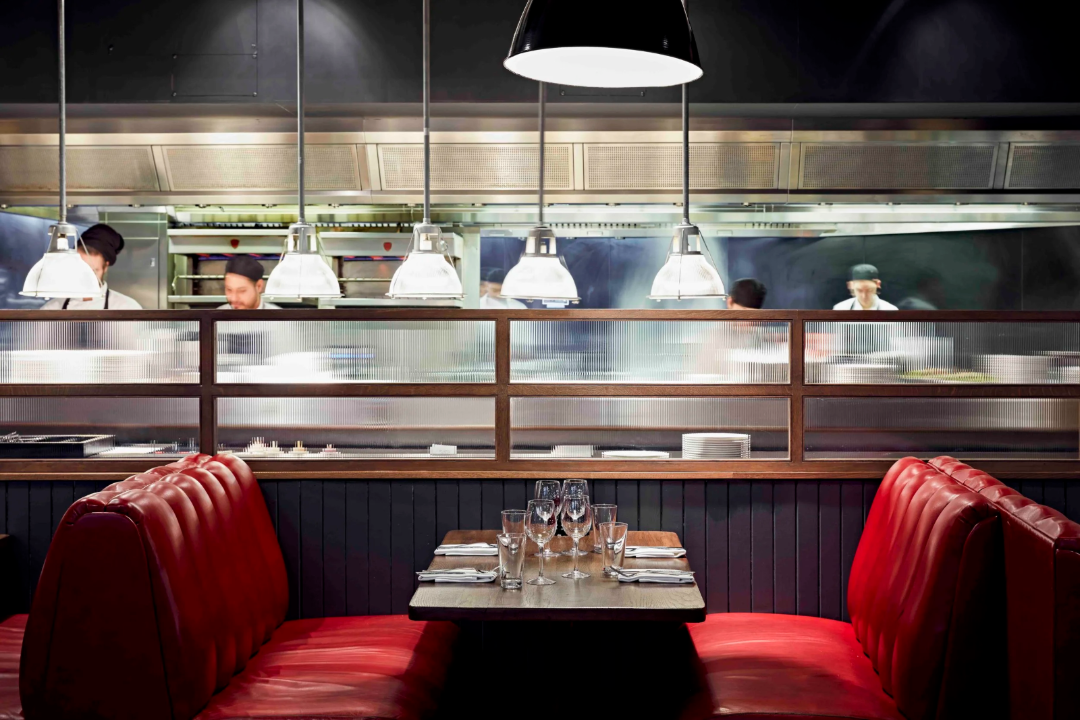
Their success highlighted a major opportunity within the hotel sector: properties could become destinations in their own right, with restaurants, bars, wellness facilities and social programming becoming as important as accommodation. As consumer expectations evolved, guests increasingly began seeking experiences rather than simply a room for the night.
The success of pioneering lifestyle brands such as The Hoxton and Soho House demonstrated the power of creating hotels with a strong identity beyond the bedroom. Built around locally relevant, authentic concepts and experiences, these brands blurred the boundaries between hospitality, culture and community, creating spaces where locals and visitors could come together. Their success lay not simply in adopting a lifestyle label, but in creating a distinctive sense of place and purpose. As more operators pursue lifestyle positioning, the strongest hotel concepts and brands will continue to be those rooted in genuine identity, authenticity and a deep connection to their local context.
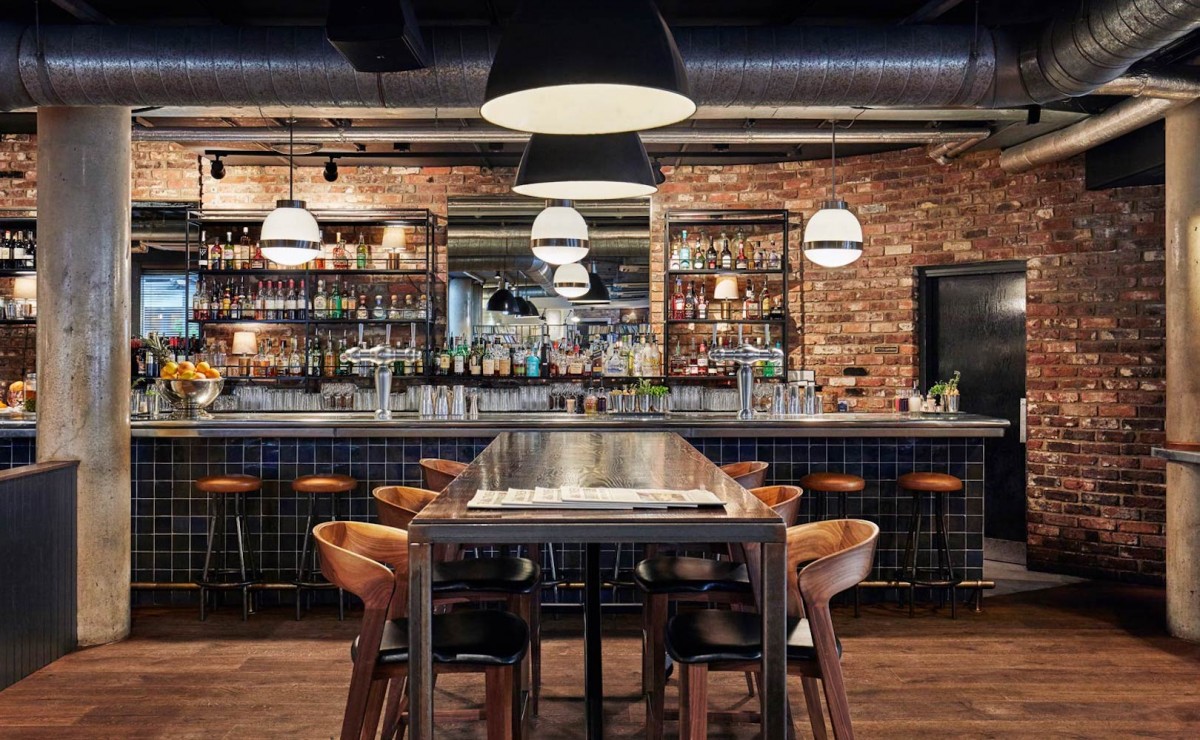
Today, socialising, entertaining and food and beverage experiences often play a central role in driving hotel engagement. A well-designed restaurant or bar can become the public face of a property, attracting local audiences and creating a sense of place that extends beyond the hotel guest.
When Lifestyle Becomes the Default
The opportunity within lifestyle hospitality remains significant, but the category is becoming increasingly crowded. What was once a distinctive approach adopted by a smaller number of innovative brands has now become a strategic priority for almost every major hotel group.
As operators compete to capture the lifestyle market, there is a risk that the term itself becomes diluted. When every hotel positions itself around community, authenticity and experience, these concepts can lose their meaning. Without a clear identity, strong brand story or genuine connection to its location, lifestyle positioning can result in hotels that feel interchangeable rather than distinctive.
The challenge is that lifestyle is not a design aesthetic or a marketing message. It needs to be embedded into the DNA of a brand, from the service model and programming to the food and beverage offer and the way guests interact with the space.
Protecting Brand Identity
While lifestyle hotels represent an important growth opportunity, hotel groups must be careful not to move too far away from the core DNA that defines their wider portfolios.
Not every traveler is looking for a lifestyle experience. There remains strong demand for hotels with clearly defined identities, whether focused on luxury, business travel, wellness, extended stays or traditional full-service hospitality. Attempting to make every brand a lifestyle brand risks creating confusion and weakening the unique positioning that originally made each concept successful.
The most successful hotel portfolios will be those that understand where lifestyle positioning adds genuine value and where it does not. The goal should not be to make every property a social destination, but to create the right experience for the right audience.
The Risk of Over-Investing in Lifestyle
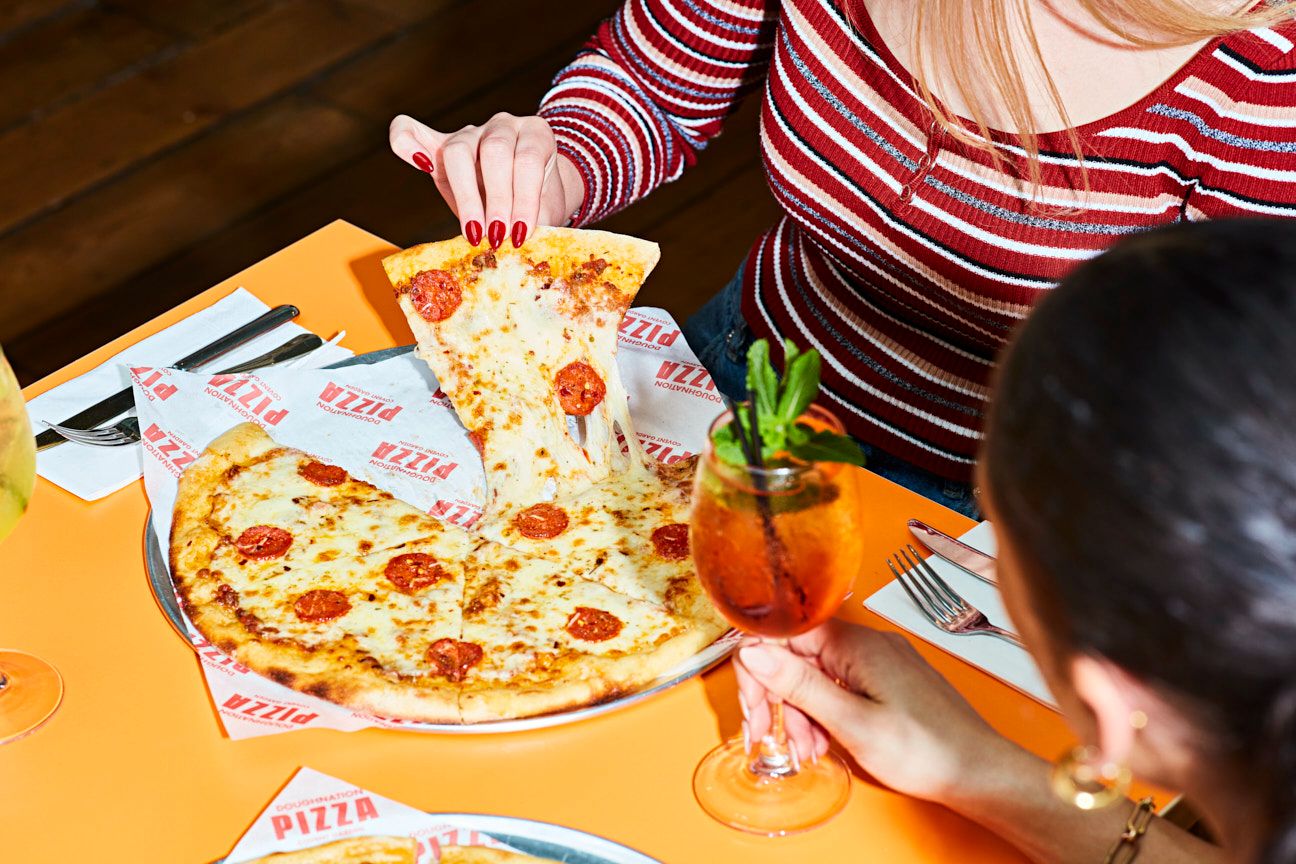 Another consideration is whether the focus on lifestyle brands could come at the expense of established core brands that remain the foundation of many hotel groups’ businesses.
As operators invest heavily in launching new lifestyle concepts, there is a risk that attention, resources and innovation become concentrated within these newer segments, while existing brands receive less focus. Over time, this could impact brand relevance, guest experience and market share across the wider portfolio.
Lifestyle brands may generate significant attention but established hotel brands often represent the core revenue drivers and have built long-term customer loyalty. Maintaining investment across the entire portfolio is essential to ensuring that newer concepts complement rather than compete with existing offerings.
Finding the Balance Between Experience and Authenticity
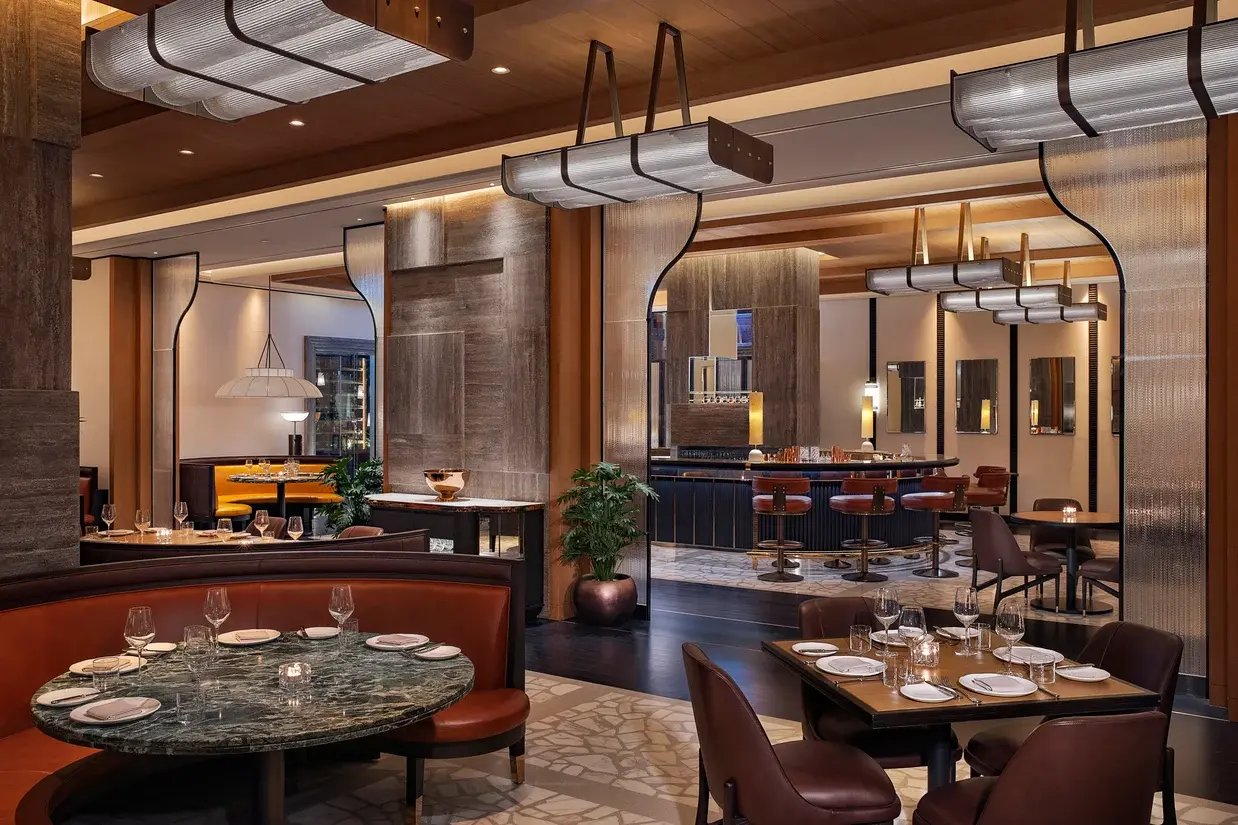 The future of hospitality will undoubtedly continue to be shaped by experiences; community and the role hotels play within their surrounding environments. However, lifestyle positioning should not become a one-size-fits-all solution.
The strongest hotel concepts will be those that understand their purpose, identify their audience and create experiences that feel authentic rather than following a trend. Whether a hotel is positioned as a lifestyle destination or a more traditional hospitality offering, success will come from having a clear identity and delivering consistently against it.
Lifestyle is not the destination itself. It is a tool that, when used strategically, can strengthen a brand, create meaningful connections and add value for both guests and communities. The challenge for hotel operators is ensuring it remains a differentiator rather than becoming another industry standard.