-1.png?width=3330&height=698&name=TGP%20International%20Logo%20White%20(1)-1.png "TGP International logo")

Wellness has become one of the most influential forces shaping modern hospitality strategy. Across hotels, restaurants and mixed-use developments, the language of wellbeing is now embedded in brand positioning, design narratives and guest experience.
Commercially, it is also increasingly recognised as a driver of performance rather than simply a guest-facing trend. When integrated effectively, wellness can support higher revenue, strengthen brand appeal, increase dwell time and guest spend, and broaden engagement across leisure, residential, corporate and membership audiences.
However, as adoption accelerates, so too does the risk of dilution. Not all expressions of wellness reflect meaningful integration. In many cases, wellness is introduced through language, styling or isolated features without alignment across operations, supply chains or spatial performance.
This creates a tension between appearance and operational reality. While wellness can enhance value, drive revenue and strengthen positioning, it only delivers these outcomes when it is structurally embedded. Without this, it risks becoming superficial, offering visibility without substance.
Key Insights
- Wellness-focused hospitality assets can achieve up to 108% higher Total Revenue per Available Room (TRevPAR), while domestic wellness tourists spend up to 175% more than average travellers.
- The rise of “wellness theatre” is increasing scrutiny around unsupported wellness and sustainability claims.
- Many wellness concepts fail operationally when staffing, sourcing and infrastructure do not support the intended guest experience.
- Successful wellness delivery requires alignment across operations, F&B, design, programming and brand strategy.
- The market is shifting from wellness as branding towards wellness as a measurable operational and commercial model.
.png)
The Rise and Dilution of Wellness
Wellness has shifted from a niche offering to more of a mainstream expectation. It is now present across nearly every segment of hospitality, from luxury resorts to urban restaurants and large-scale developments. The global wellness economy is now valued at over $6 trillion and projected to reach approximately $8.5 trillion by 2027, reflecting how deeply embedded wellbeing has become in consumer spending and lifestyle choices.
In hospitality specifically, wellness tourism alone is estimated to account for hundreds of billions of dollars annually, growing at a faster rate than traditional leisure travel and consistently outpacing overall tourism growth. This widespread adoption reflects genuine changes in consumer behaviour and priorities.
Surveys consistently show that over 70% of global consumers now prioritise health and wellbeing in their purchasing decisions, while more than 60% actively seek out experiences that support physical or mental health outcomes during travel and dining.
At the same time, rising urbanisation and lifestyle shifts mean people are spending close to 90% of their lives indoors, increasing demand for environments that actively support recovery, sleep, nutrition and social balance.
The challenge is that not all wellness is created equally. As more brands adopt the language of wellbeing, the distinction between authentic integration and surface-level positioning becomes increasingly blurred.
This is where the concept of superficial wellness emerges, referring to initiatives that signal intent without delivering meaningful impact. Research indicates that fewer than 40% of consumers believe hospitality brands consistently deliver on their wellness claims, highlighting a growing trust gap between marketing narratives and lived guest experience.
Three Common Pitfalls of Superficial Wellness
Consumer scrutiny is increasing, with more guests actively checking sustainability and health claims before engaging with hospitality brands. The biggest credibility risks typically fall into three areas:
- Greenwashing
Environmental or sourcing claims made without measurable proof.- Sustainability messaging without traceable supply chains
- Claims lacking certification or benchmarks
- Growing scrutiny around transparency and accountability
- Wellness Theatre
Wellness experiences that prioritise appearance over real impact.- “Healthy” concepts without nutritional integrity
- Biophilic design without improvements to air, light or acoustics
- Aesthetic wellness signals unsupported by operational systems
- Over-Programming
Excessive wellness offerings without the infrastructure to sustain them.- Too many classes, events or recovery experiences
- Misalignment between staffing, space and demand
- Operational strain, inconsistent delivery and reduced efficiency
Read More on Wellness, Hospitality & F&B Trends
The Shift in Consumer Awareness
|
Theme |
Key Insight |
What’s Changing |
Impact on Hospitality Brands |
|
Rising Consumer Awareness |
Guests are becoming more informed about wellness claims and experiences. |
Wellness is increasingly part of everyday consumer decision-making, with guests better able to assess nutrition, sustainability, and environmental quality. |
Brands can no longer rely on surface-level messaging; informed guests more easily identify inconsistencies between promise and delivery. |
|
From Signals to Systems |
Wellness is no longer judged as isolated features or visual cues. |
Short-term engagement can still be driven by aesthetics or marketing language, but evaluation is shifting towards how the entire environment functions as a system. |
Hospitality assets are now assessed on holistic performance—how spaces feel, operate, and support wellbeing over time. |
|
Credibility Over Marketing |
Long-term brand equity depends on consistency between narrative and delivery. |
Visual storytelling alone is no longer sufficient; operational alignment across design, F&B, and service is increasingly expected. |
Misalignment between communication and experience leads to erosion of trust and weaker guest loyalty. |
|
Operational Accountability |
Delivery must match communication. |
Guests expect wellness claims to be backed by tangible outcomes in food, environment, and experience design. |
Operators face greater pressure to ensure cross-functional alignment across all guest touchpoints, from concept to execution. |
Read About Wellness Trends in 2026
What Creates Credibility in Wellness Hospitality
Credibility in wellness hospitality is defined by coherence. It is not achieved through isolated features or individual initiatives but through alignment across multiple disciplines.
Design must support environmental performance. Operations must be structured to deliver consistent experiences. Supply chains must reflect sourcing claims. Programming must be realistic in relation to staffing and spatial capacity. Brand narrative must accurately represent what the guest will encounter.
When these elements are aligned, wellness is experienced as an integrated ecosystem rather than a fragmented collection of ideas. It becomes an operational framework that shapes decision making across the entire asset rather than a marketing layer applied on top.
Case Study: PXB Dubai
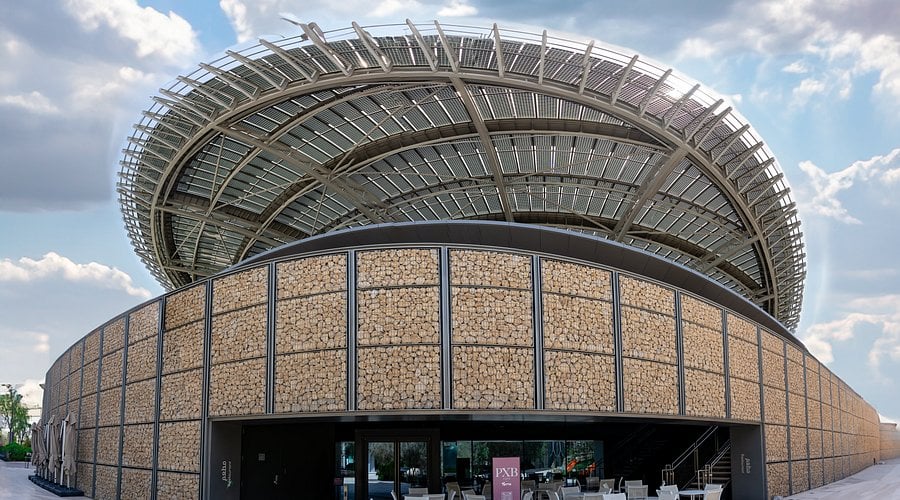
PXB Dubai illustrates how wellness can be integrated into a hospitality concept in a way that is both credible and commercially viable. Positioned as a wellness led lifestyle destination within an urban context, the project is built around plant based dining, sustainability and community engagement.
From the outset, the concept was developed with alignment between philosophy and execution. Rather than functioning as a single use restaurant, PXB was conceived as a multi layered environment where food, education and social interaction reinforce one another.
The ground floor café focuses on accessible plant based cuisine, supported by a sourcing strategy and kitchen design configured for freshness, efficiency and throughput. This ensures that the menu is not only aligned with wellness positioning but also operationally deliverable.
The first floor introduces an educational dimension through a studio space designed for talks, training sessions and sustainability focused programming. This extends the concept beyond dining into knowledge sharing and community engagement.
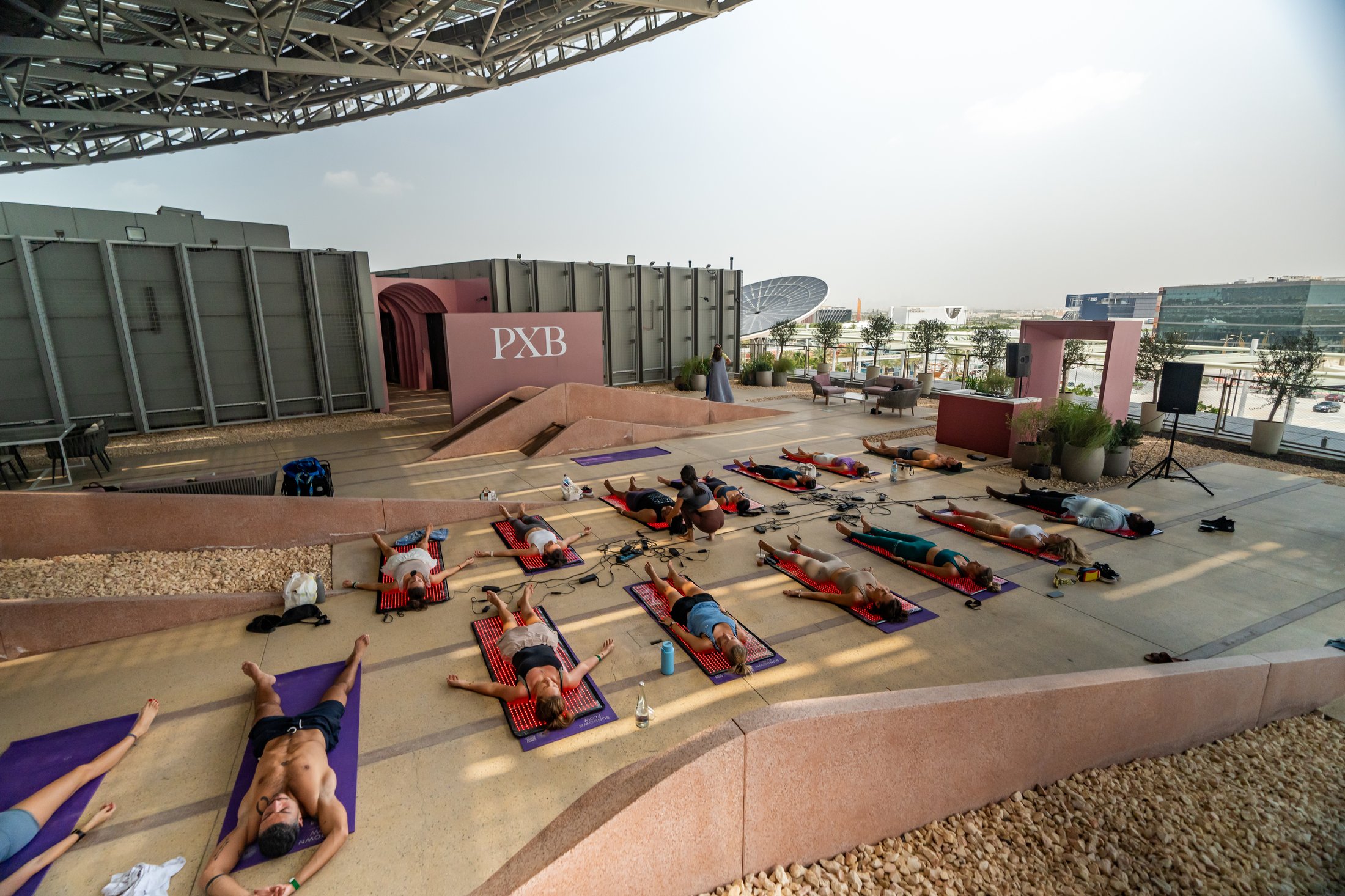
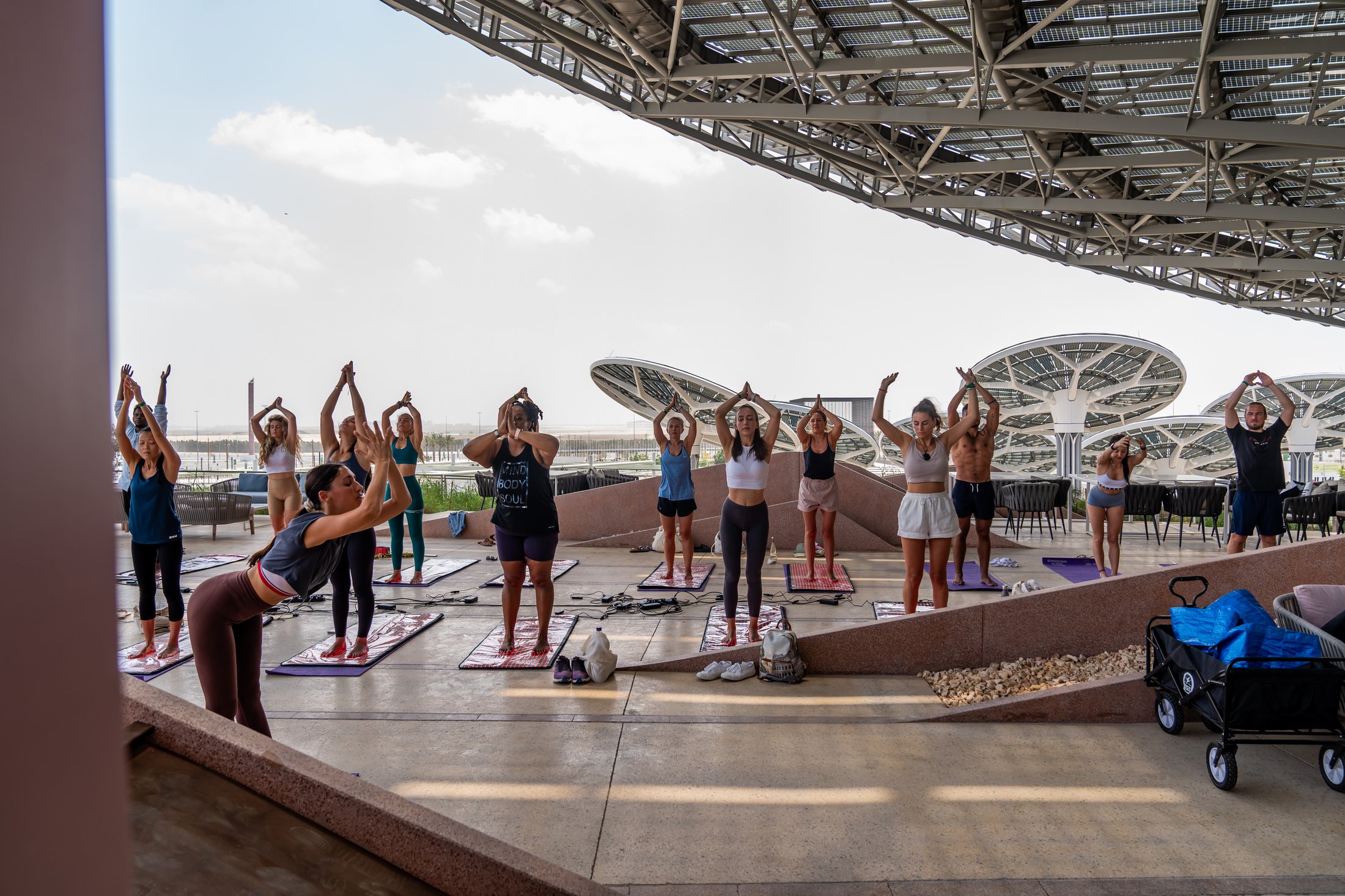
The rooftop adds a further layer, integrating movement, recovery and social interaction. Activities such as yoga and community events are complemented by health forward beverage offerings, creating a holistic experience that evolves throughout the day.
Crucially, these elements are supported by a coherent operational model. Programming is calibrated to align with staffing and revenue streams. Kitchen capability matches menu ambition. Community engagement is structured as a commercial driver rather than a marketing overlay.
The result is a cohesive ecosystem in which each component supports the others, demonstrating how wellness can be expressed as an integrated strategy within a competitive urban market.
Wellness Standards Applied
The success of the PXB model is rooted in a series of aligned principles. Food and beverage strategy is built around plant based offerings that are supported by sourcing integrity and kitchen capability. Spatial design is layered to accommodate dining, learning, movement and social interaction within a unified environment.
Programming is embedded within the operational structure rather than added as an afterthought. Brand narrative is consistently reflected across all guest touchpoints, ensuring clarity and trust. Community is positioned as a core commercial driver, contributing to both experience and revenue.
Accessibility and scalability are considered from the outset, allowing the concept to function effectively within an urban context while maintaining its core identity.
Conclusion
Superficial wellness can generate attention, but it rarely creates lasting value. As the market continues to evolve, the distinction between performative and embedded wellness will become increasingly important.
True differentiation lies not in intention but in integration. Hospitality environments that succeed will be those that align design, operations, supply chains and programming into a coherent system that supports both guest experience and commercial performance.
The future of wellness in hospitality depends on measurability, operational discipline and system wide thinking. Ultimately, wellness must be experienced as a unified and credible framework rather than a collection of disconnected signals.
