-1.png?width=3330&height=698&name=TGP%20International%20Logo%20White%20(1)-1.png "TGP International logo")
Events,
Cafe & Bakeries,
UAE
Wellness has become a much broader conversation than it was five or ten years ago. Historically, it was often associated with spas, fitness, treatments or healthy menus. These remain important, but they represent only one part of a much bigger picture. Today, wellness is increasingly about how we live, work, move, gather and spend time. That shift has significant implications for hospitality, but also for the way we think about mixed-use developments, urban destinations and placemaking.
At TGP International, our recently published Wellness Standards in Hospitality report explores how wellness can move beyond individual amenities and become a more integrated framework for creating better-performing places. The question is no longer simply, where should the spa or gym go? It is: How can wellness influence the experience of an entire place or destination?
This shift is also being driven by a rapidly expanding wellness economy. The wellness tourism market is projected to grow from approximately $990 billion to more than $2.4 trillion over the next decade, highlighting how expectations around health, wellbeing and longevity are moving into the mainstream. For developers and destination owners, this creates an opportunity to consider wellness not simply as a hospitality trend, but as a wider principle for how places are designed and experienced.
WELLNESS STARTS BEFORE CONSTRUCTION DOES
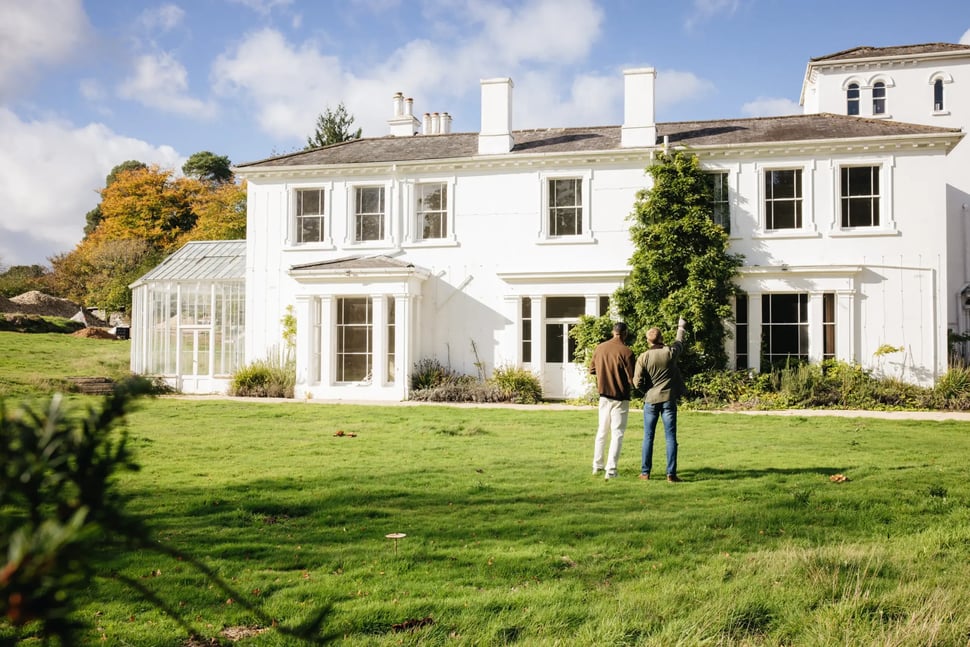
One of the most important changes is that wellness is moving upstream into the masterplanning process. At a mixed-use scale, decisions about wellness are being made long before the restaurant, gym or wellness centre is designed. They are embedded in questions around walkability, accessibility, public realm, green space, daylight, shade, circulation and how people move through a destination throughout the day.
This shift is reflected in the wider direction of real estate. The NLA report found that 61% of developers are redesigning their strategies around flexible environments that integrate work, leisure, hospitality and community. This points to a broader move away from developments being planned as collections of individual assets and towards destinations designed around how people actually want to live and spend their time.
A genuinely wellness-led place should encourage people to move naturally rather than simply providing a fitness facility. It should make walking pleasant, provide opportunities to pause and connect with nature, offer comfortable places to socialise and create environments that support different rhythms of the day. This is where placemaking and wellness increasingly overlap. Both are ultimately concerned with creating environments that encourage people to spend time, connect and feel comfortable.
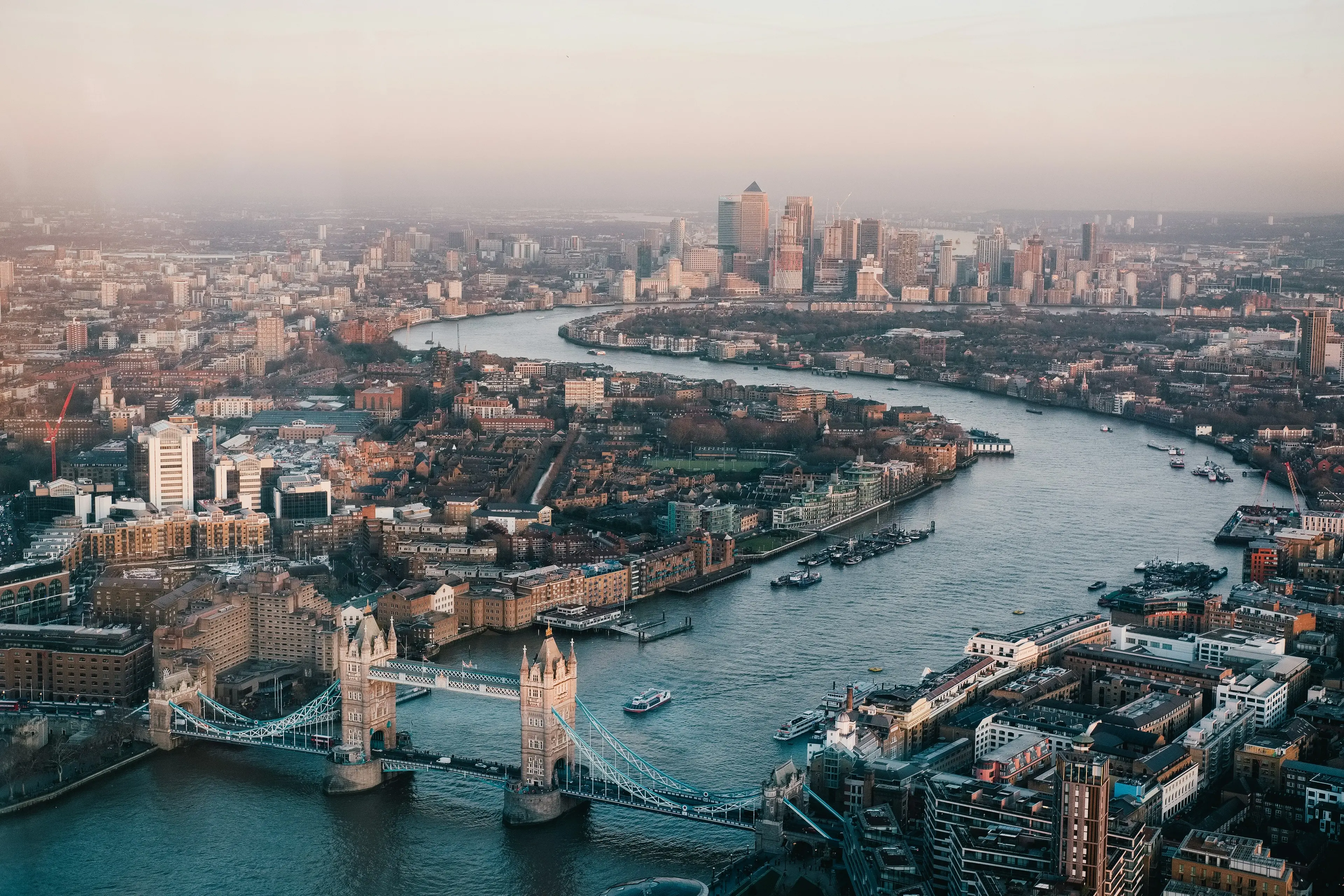
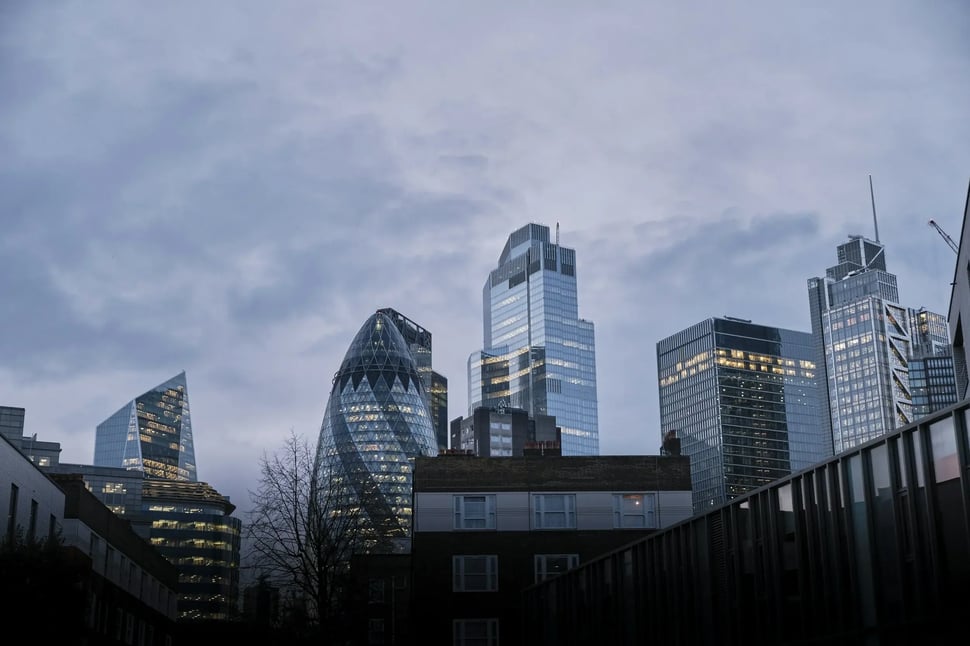
Canary Wharf provides a useful example of this shift. Originally developed as a financial centre, the estate has evolved into a mixed-use district combining offices, residential, retail, public space and cultural programming, with hospitality playing an increasingly important role. Today, Canary Wharf hosts more than 80 restaurants, cafés and bars, alongside markets and casual dining venues that activate the district throughout the day and evening. Developments such as Market Halls Canary Wharf create shared dining environments that bring together residents, workers and visitors, helping extend activity beyond traditional office hours.
This is particularly relevant to wellness-led placemaking. Wellness is not simply about providing a gym or green space; it is also about creating places where people have reasons to leave their desks, walk, eat, socialise, participate and spend time. In this sense, hospitality becomes part of the social infrastructure of a neighbourhood rather than simply an amenity within it.
DESIGNING FOR HOW PEOPLE ACTUALLY LIVE
Wellness is also challenging the way we think about individual spaces. Rather than designing a development as a collection of separate assets – a restaurant here, a gym there and a public space somewhere else – we need to consider how these components work together as part of a wider experience.
A café can become a social anchor. A landscaped public space can encourage movement and informal interaction. A restaurant can support nourishment while also creating a sense of community. A wellness destination can become a reason for people to visit regularly rather than occasionally. The strongest places are those where these experiences feel connected rather than programmed.
This requires a more holistic approach to design. Materials, lighting, acoustics, air quality, greenery, spatial planning and circulation all contribute to how a place makes people feel. Wellness therefore becomes less about adding a particular feature and more about creating an environment that supports physical, mental and social wellbeing.
The transformation of King's Cross illustrates this particularly well. Across the approximately 67-acre estate, offices, residential buildings, cultural institutions, public spaces and hospitality have been brought together to create a mixed-use neighbourhood. More than 50 restaurants, cafés and bars contribute to the wider dining ecosystem, while venues at Coal Drops Yard help activate pedestrian routes and public spaces throughout the day and into the evening.
FOOD AND BEVERAGE HAS A ROLE TO PLAY
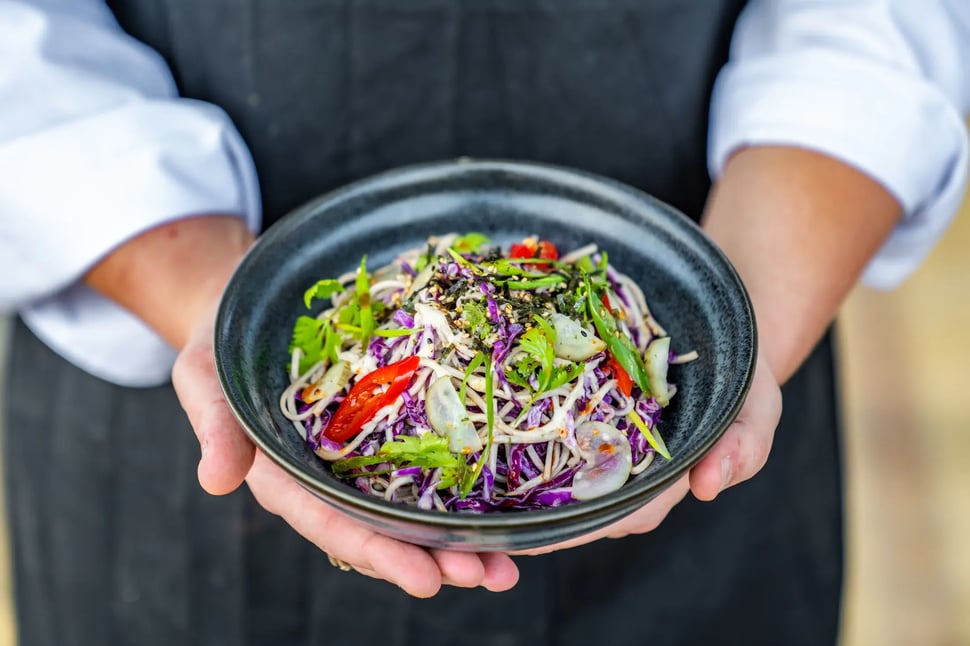
Food and beverage is another important part of this equation. Wellness should not simply mean putting a healthy option on a menu. Food is deeply connected to our routines, culture, social lives and sense of place. The opportunity is to think about nourishment as part of a broader hospitality experience. This might mean creating spaces where people can eat well throughout the day, introducing more considered menus and ingredients, or designing F&B environments that encourage social connection and community.
This is increasingly important because food is often part of how people decide where to go in the first place. The NLA report found that 80% of travellers research food and drink experiences before arrival, demonstrating how closely dining is connected to destination choice.
In mixed-use developments particularly, F&B can help translate the wider wellness proposition into something tangible and everyday. People may not visit a destination specifically because it has a wellness strategy, but they may return because it is enjoyable to walk through, meet friends, have lunch, work for an hour or spend time outdoors. That is where wellness becomes embedded into everyday behaviour rather than positioned as a standalone product.
PROGRAMMING CREATES A SENSE OF COMMUNITY
.jpg?width=973&height=620&name=images%20(23).jpg)
Wellness-led placemaking also extends beyond physical design. Programming can play a powerful role in encouraging people to use and return to a place. Talks, workshops, movement classes, community events, food experiences and cultural programming can all create opportunities for participation.
This is particularly important because wellness is not only physical. Mental and social wellbeing are equally connected to our experience of place. A successful destination should give people reasons to come together, not simply reasons to consume. This creates a shift from designing places for people to creating places that people can actively participate in. The result can be a stronger sense of belonging and a more meaningful relationship between a development and its community.
MOVING BEYOND ‘WELLNESS THEATRE’
There is also a risk that wellness becomes a superficial layer added to developments because it is commercially fashionable. A yoga studio, green wall or juice bar does not automatically make a place wellness-led.
The real opportunity lies in asking more fundamental questions: Does the development encourage movement? Is it easy to navigate? Can people access nature? Are there places to rest and connect? Does the F&B offer support the wider proposition? Does the programming create genuine community? And are these decisions reflected in the way the place is operated?
This is why wellness needs to be considered across strategy, design, operations, food and beverage, programming and measurement. It is not a single department or a single amenity. It is a framework for thinking about the whole experience.
WELLNESS AS A PLACEMAKING STRATEGY
Ultimately, the conversation around wellness has expanded because our understanding of wellbeing has expanded. People are increasingly conscious of how their surroundings influence how they feel, behave and spend their time. For developers and destination owners, this creates an opportunity to think differently about the value of wellness. The most successful wellness-led places will not necessarily be the ones with the biggest spa, the most advanced gym or the longest list of wellness amenities. They will be the places where wellness is quietly embedded into the experience of everyday life.
At a masterplanning level, that means thinking about movement, nature, daylight, accessibility and public realm. At a hospitality level, it means considering food, design, service and programming. At an operational level, it means ensuring the promise is consistently delivered. The future of wellness in placemaking is therefore not about creating more wellness destinations. It is about creating better destinations – places that encourage people to move, connect, eat, rest, participate and return. That is where wellness becomes more than a trend. It becomes a fundamental part of how we design and build places for people.
