-1.png?width=3330&height=698&name=TGP%20International%20Logo%20White%20(1)-1.png "TGP International logo")
Great destinations are rarely accidental. The streets many people return to again and again are shaped by a considered mix of hospitality, retail, wellness and community uses, and in some cases curated with patience over many years.
Following our report with New London Architecture (NLA), The Role of F&B & Hospitality in Placemaking & Urban Development, we spoke to Puja Dowlani, Retail Associate Director at The Portman Estate, about how she shapes Marylebone, Marble Arch and Edgware Road through the businesses she brings in. She covers why F&B has become a primary driver of placemaking, the role independent operators play alongside established brands, and what Loxton Walk reveals about creating places people genuinely want to spend time in.
Can you tell us about your role at The Portman Estate and what makes its approach to retail and placemaking unique?
 Puja Dowlani, Retail Associate Director, The Portman Estate
I lead the leasing and asset management strategy across The Portman Estate's retail and leisure portfolio within Marylebone, Marble Arch and Edgware Road. What I enjoy most about the role is the opportunity to shape places through the businesses we bring in, working closely with our marketing and public realm teams to create destinations where people genuinely want to spend time.
What makes The Portman Estate unique is its long-term perspective. We think about how streets and areas will develop over decades, which allows us to balance commercial performance with creating places that resonate with locals and visitors.
Our portfolio also spans a genuinely mixed-use Central London neighbourhood, with a strong resident population alongside office occupiers and visitors. That breadth of audience allows us to take a more holistic approach to placemaking, shaping destinations that serve the neighbourhood as a whole rather than any one group.
The Portman Estate has built a reputation for curating distinctive destinations. What principles guide your retail leasing strategy?
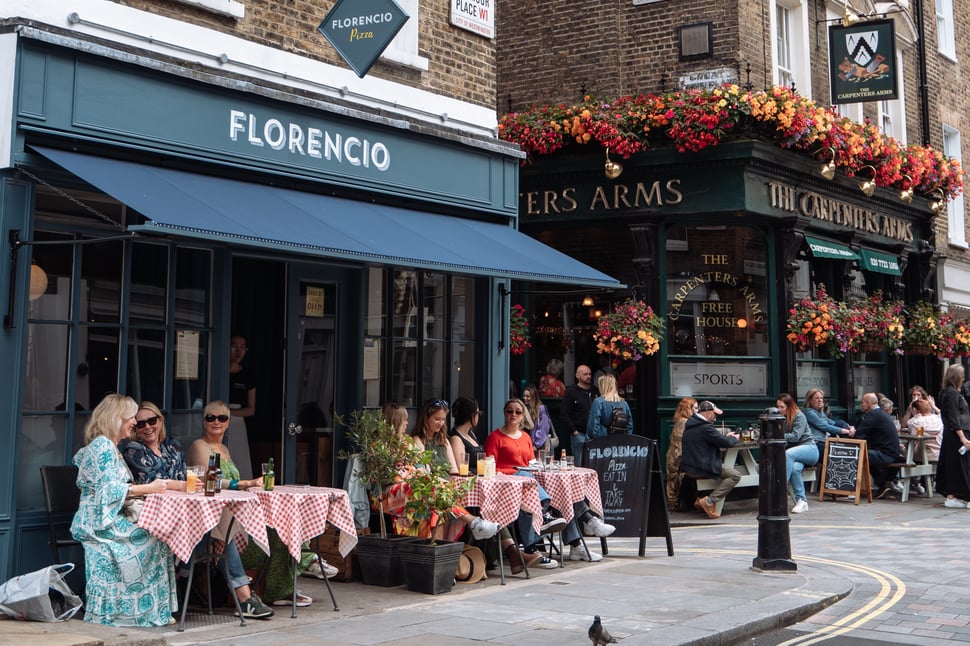
The starting point is always the place and the audience it serves. Before considering individual occupiers, we think carefully about what we want a street or destination to be known for, who our customers are, and how those needs may change over time. In a neighbourhood like Marylebone, that means ensuring there is a strong mix of amenities and experiences for local residents and workers, alongside reasons for visitors to spend time here.
I am a strong believer that tenant mix should be intentionally shaped rather than accumulated. Every occupier should contribute something to the wider customer journey, whether that's driving footfall, creating a sense of discovery or strengthening the identity of a location. We also look to balance established operators with independent brands that bring originality, character and a genuine connection to the neighbourhood.
How has the role of food and beverage evolved within mixed-use developments and destination placemaking?
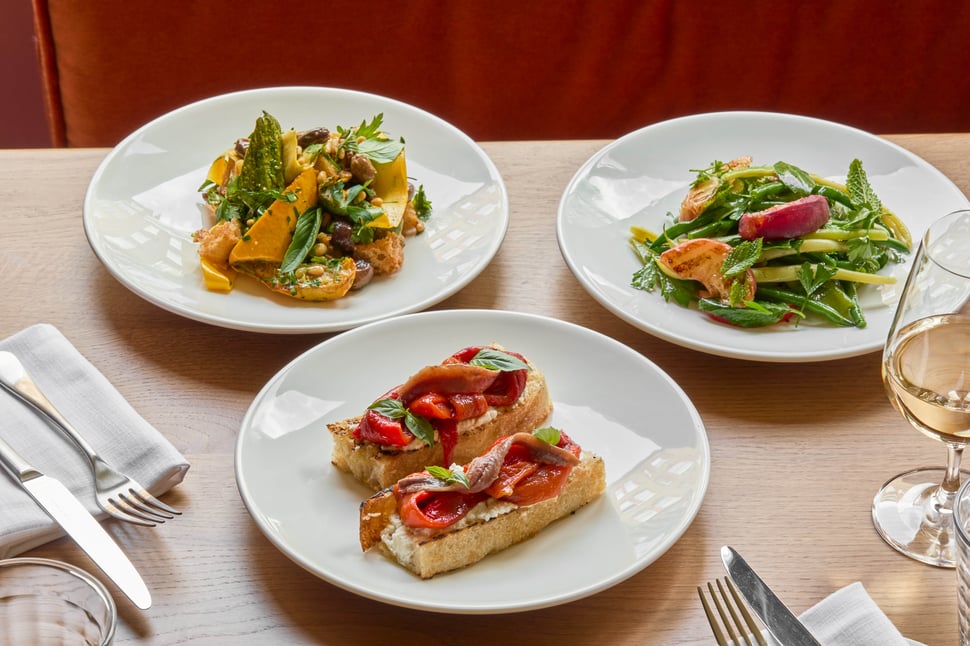
One of the biggest changes I've seen during my career is F&B evolving from a supporting use into one of the primary drivers of placemaking. Consumers increasingly choose where to spend their time based on the quality of experiences on offer, and great hospitality can increase dwell time, encourage repeat visits and help create a sense of community.
In an increasingly competitive market, a thoughtfully curated hospitality offer remains one of the most effective ways to create a destination that feels distinctive, authentic and enduring.
Why do you believe hospitality has become such a critical component of successful urban destinations?
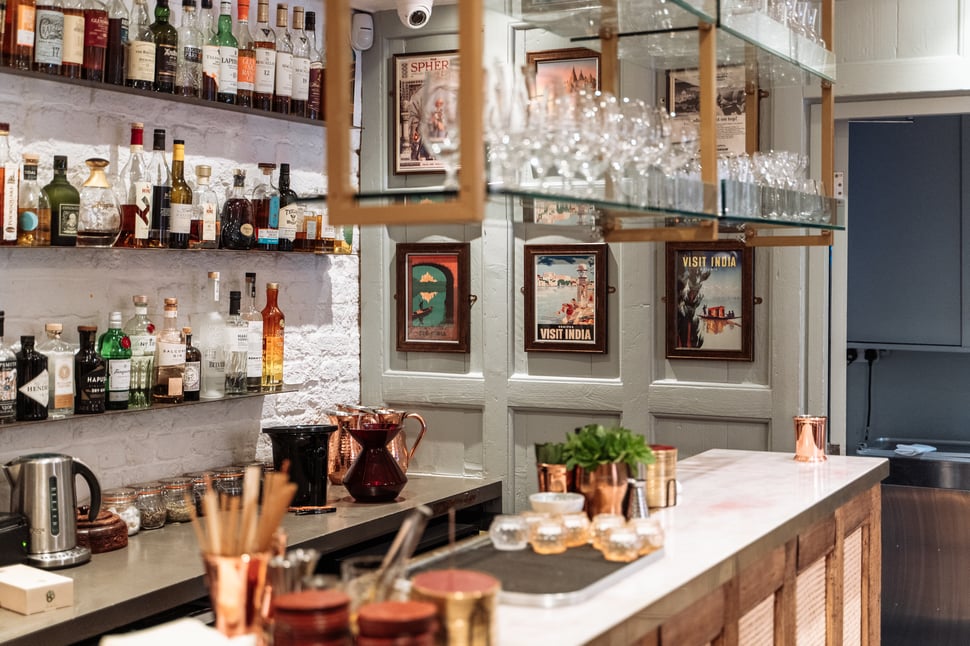
Hospitality has a unique ability to create emotional connections with places. People celebrate milestones in restaurants, catch up with friends over coffee and create lasting memories around shared experiences.
I think that has become even more important as consumers place greater value on the experience economy. People are increasingly selective about how they spend their time and money, often prioritising experiences that feel meaningful, social and memorable.
What makes a great high street or destination resilient in today's rapidly changing retail landscape?
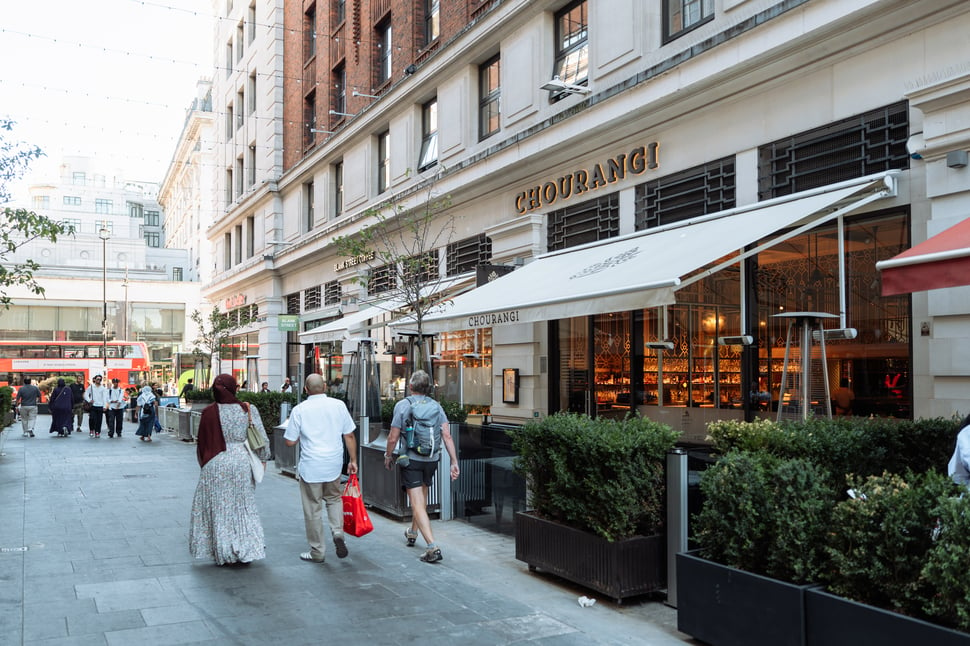
A clear identity is a key driver of resilience. The destinations that perform best are those with a strong sense of character and a good understanding of the needs of their customers, residents and local community.
Resilience also comes from adaptability. Consumer behaviour, economic conditions and occupier requirements are constantly evolving, so successful destinations need to be able to respond to change while remaining true to their core identity. A diverse mix of retail, hospitality, leisure and community uses can also help ensure destinations remain vibrant, relevant and well-used throughout the day.
How do you approach curating an F&B mix that reflects the identity of a neighbourhood while also delivering long-term commercial success?
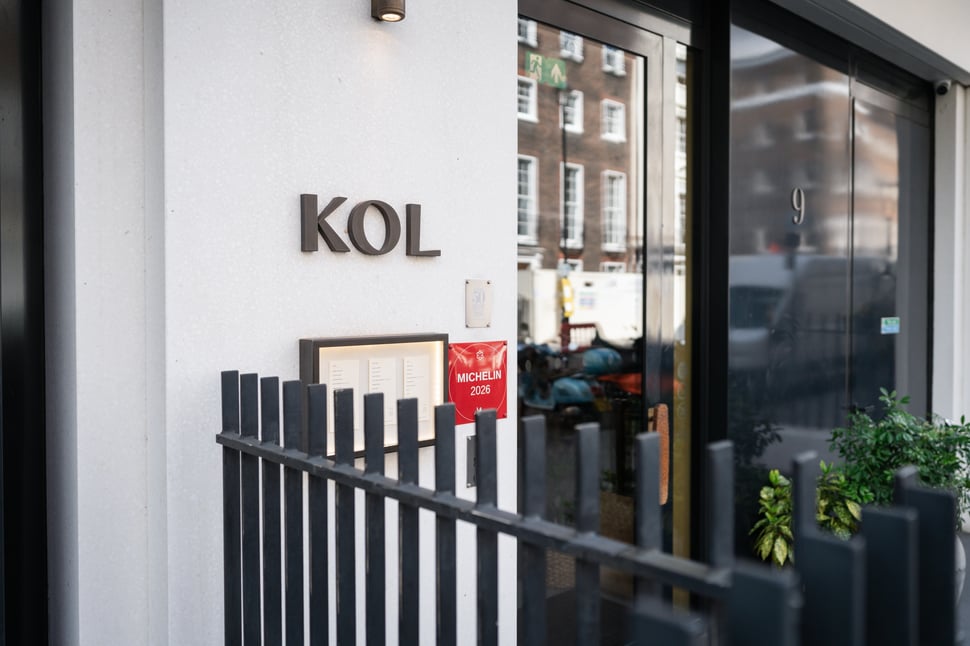
I think it starts with understanding the character of a neighbourhood and the role hospitality can play within it. In Marylebone, that character has evolved over generations, and long-term stewardship is a core part of The Portman Estate's approach. Our role is to build on the area's existing strengths by introducing operators that feel locally relevant while bringing something memorable for residents, workers and visitors.
Thoughtful curation is important, not only in creating a varied and relevant offer but also in preserving the unique appeal of each business, allowing operators to complement one another rather than compete for the same audience.
In my experience, the businesses that perform best over the long term are those with a clear point of difference, strong leadership and a genuine connection with their customers. The most successful operators are also able to evolve alongside the neighbourhood. The aim is to create a mix that feels genuine, supports Marylebone’s continued evolution and remains resilient as consumer preferences change.
How do independent operators and local brands contribute to creating a stronger sense of place, and what role do they play alongside established brands?
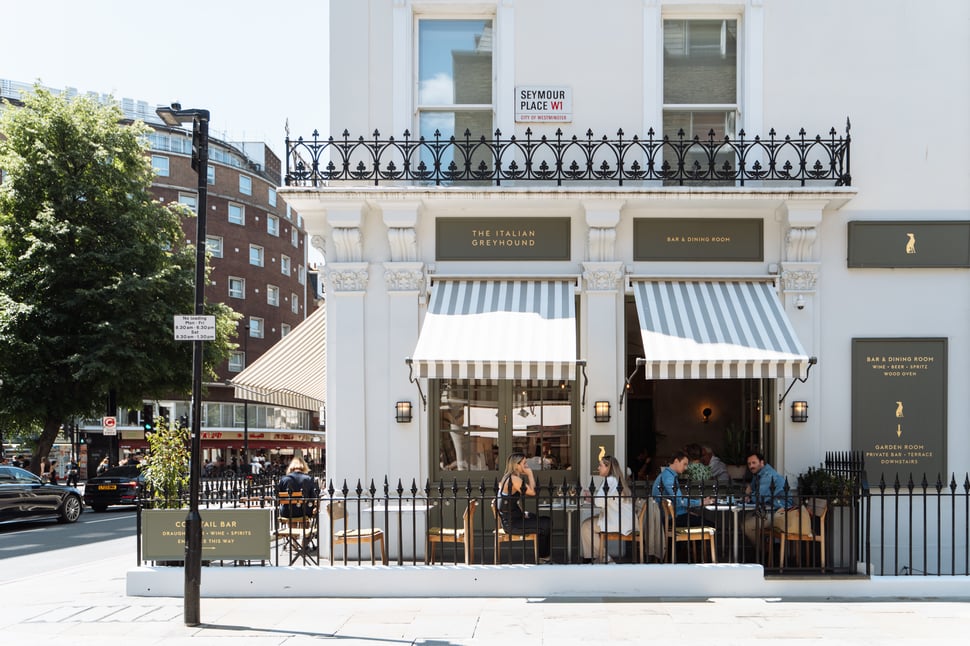
Independent operators are often a huge part of what gives a destination its personality and sense of discovery. They bring entrepreneurial energy, creativity and a strong sense of place, helping to create the originality and authenticity that many consumers increasingly value.
At The Portman Estate, we have long sought to champion independent businesses. Many of the neighbourhood's most loved operators started as small businesses, and we see real value in supporting founders with distinctive concepts who contribute to the character and diversity of Marylebone. Some of the most exciting operators we're speaking to today are those with a very clear point of view and a strong sense of place, whether that's through a particular cuisine, founder story or hospitality philosophy.
At the same time, we believe the neighbourhood benefits from a balanced mix of independent businesses and more established brands. Established operators can provide familiarity, draw and important amenities, while independents bring individuality and local relevance. When carefully assembled, the two can complement one another, creating a richer, more resilient offer that serves residents, workers and visitors alike.
What trends are you seeing in consumer expectations when it comes to retail, dining and destination experiences?
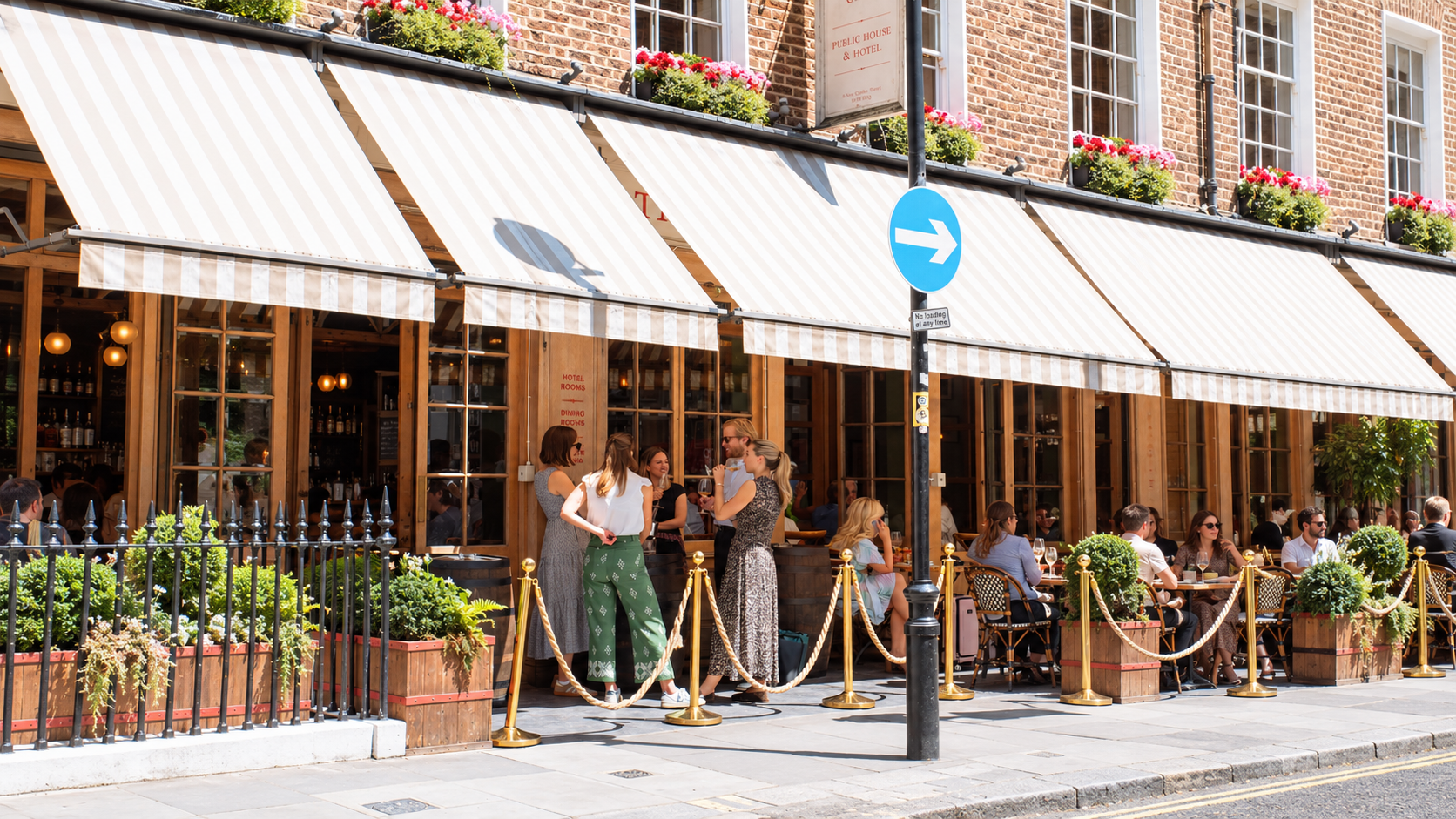
Consumers increasingly seem to be seeking experiences that feel authentic, thoughtfully conceived and genuinely worth leaving home for. Convenience remains important, but many people are looking for something distinctive that cannot easily be replicated online or at home.
Within F&B, there has been growing interest in concepts that celebrate regional cuisines and offer a strong sense of place and story. Wellness has also seen significant growth, with increasing demand for fitness, recovery, beauty and holistic wellbeing concepts.
More broadly, we're seeing greater overlap between retail, hospitality, leisure and lifestyle uses, with consumers drawn to destinations that offer variety and a more rounded experience.
How do you balance heritage, community needs and commercial performance when shaping a retail strategy for an estate like The Portman Estate?
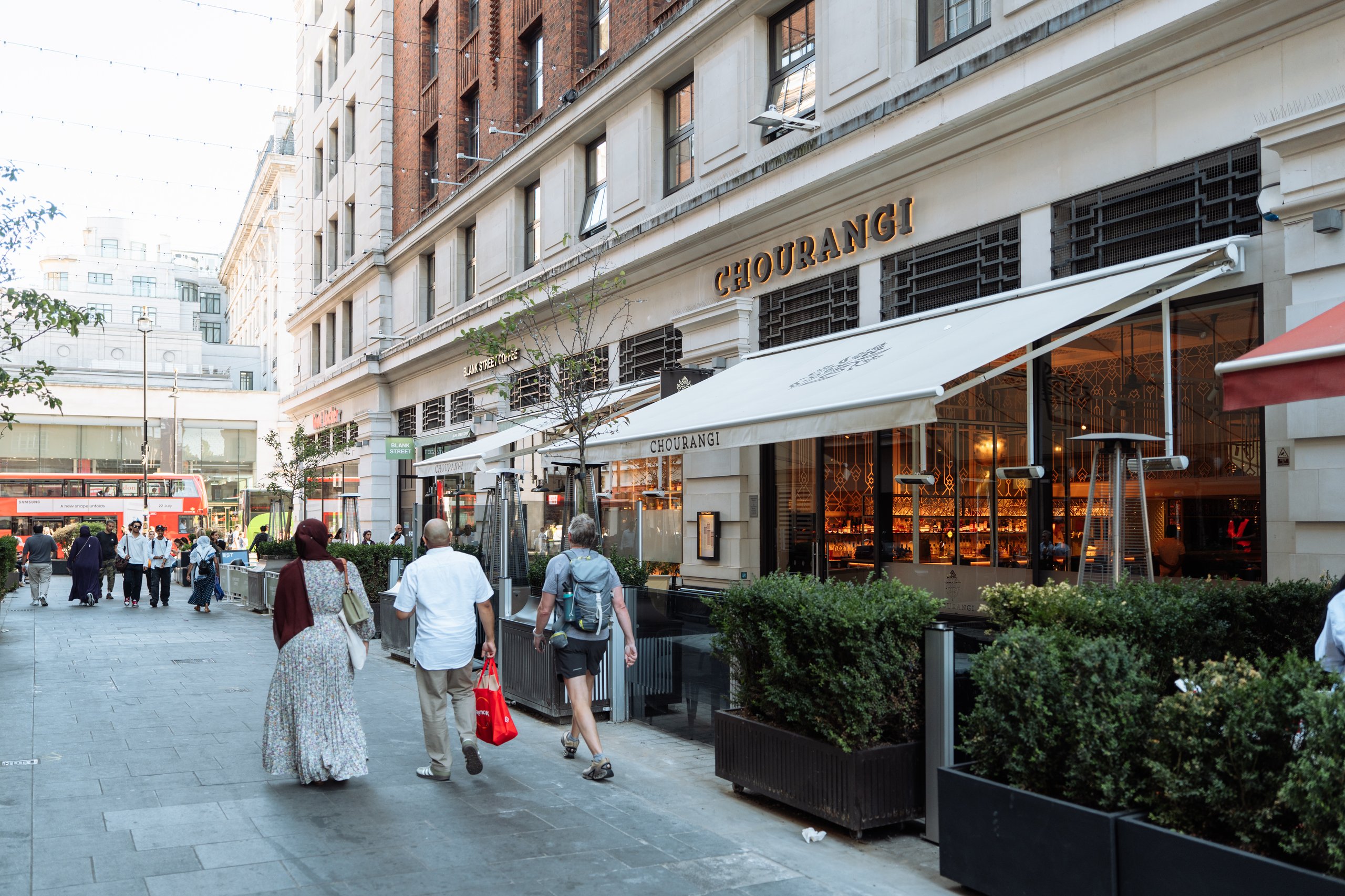
I think the key is recognising that those objectives are often more closely aligned than they might initially appear. Places that retain their heritage whilst responding to the needs of their community often become more attractive and resilient over the long term.
A large part of my role is bringing together a range of stakeholders and aligning them around a shared vision. That means balancing the needs of local authorities, residents, visitors, businesses and occupiers, while ensuring change feels thoughtful and appropriate to the character of the neighbourhood.
Site selection is often as much an emotional decision as a commercial one, and many brands are drawn to places with a personality and history, which relies on preserving heritage. Our aim is to find the right balance between conservation and evolution so the area can continue to thrive over time.
Can you share an example of a leasing decision or project that has had a particularly positive impact on the neighbourhood?
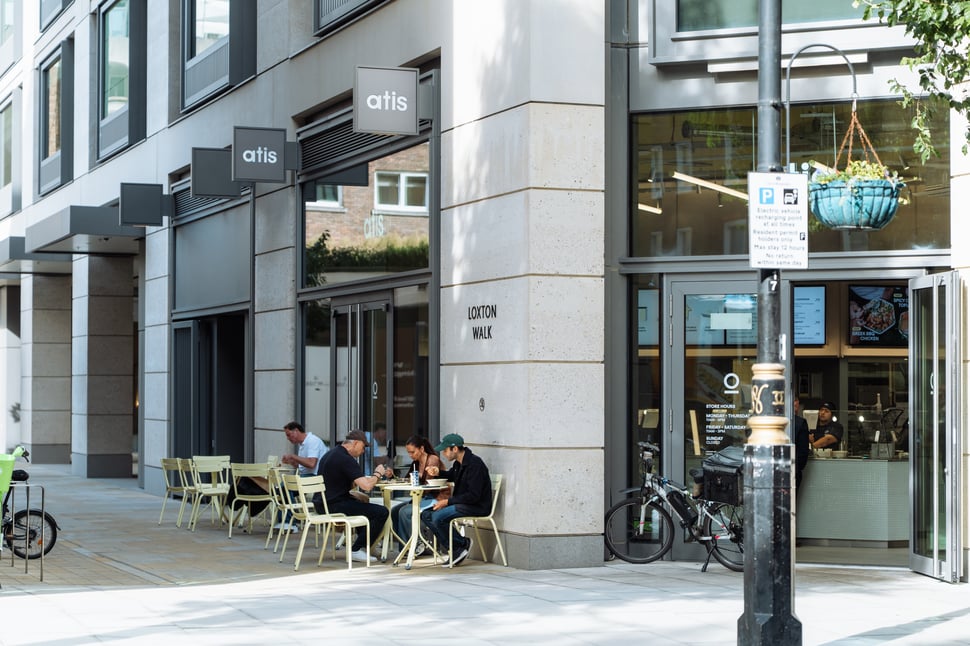
Loxton Walk is probably the best example that comes to mind.
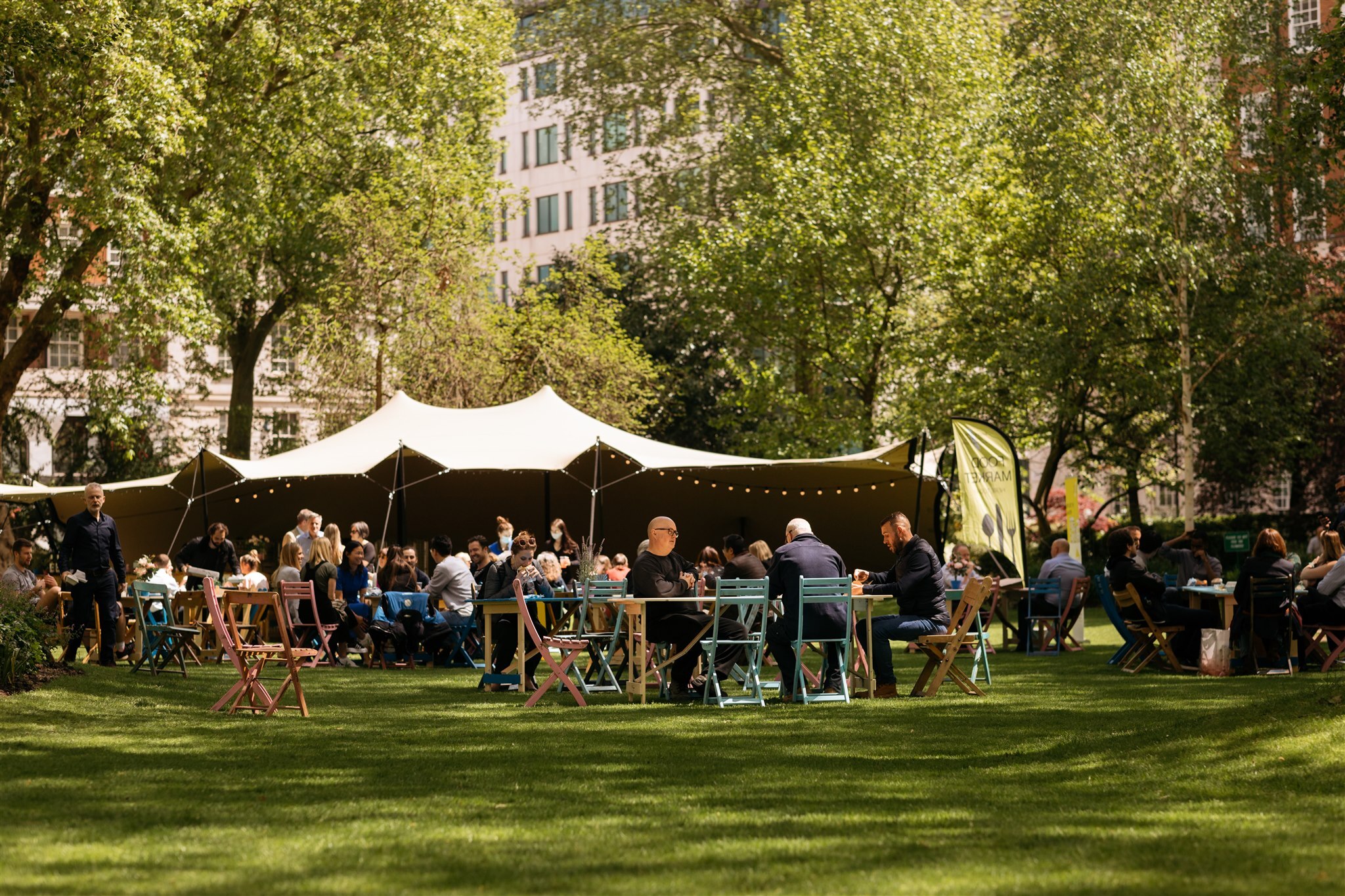
Working alongside Derwent London, we have delivered approximately 27,000 sq ft of retail, F&B and wellness space across 15 units at the heart of a mixed-use development spanning four buildings. Set around a new pedestrianised and landscaped courtyard with festoon lighting, outdoor seating and generous public realm, the ambition was to create a place where people would want to spend time, rather than simply pass through.
That was particularly important given Baker Street has traditionally been viewed as a more transitional retail pitch. We saw an opportunity to help create a destination that encourages dwell time and contributes to a more vibrant seven-day-a-week economy.
From the outset, we focused on bringing together a complementary mix of independent operators across hospitality, wellness and lifestyle, including Pachamama Group, X-Club, Le Choux, Iris Avenue and Matchado. The aim was to create something that felt authentic to Marylebone and added to the area's existing offer rather than competing with it. It’s still early days, but it’s been really rewarding seeing the project through from conception through to delivery and seeing the positive response from occupiers and visitors.
What challenges do landlords and developers face when creating destinations that remain relevant over the long term?
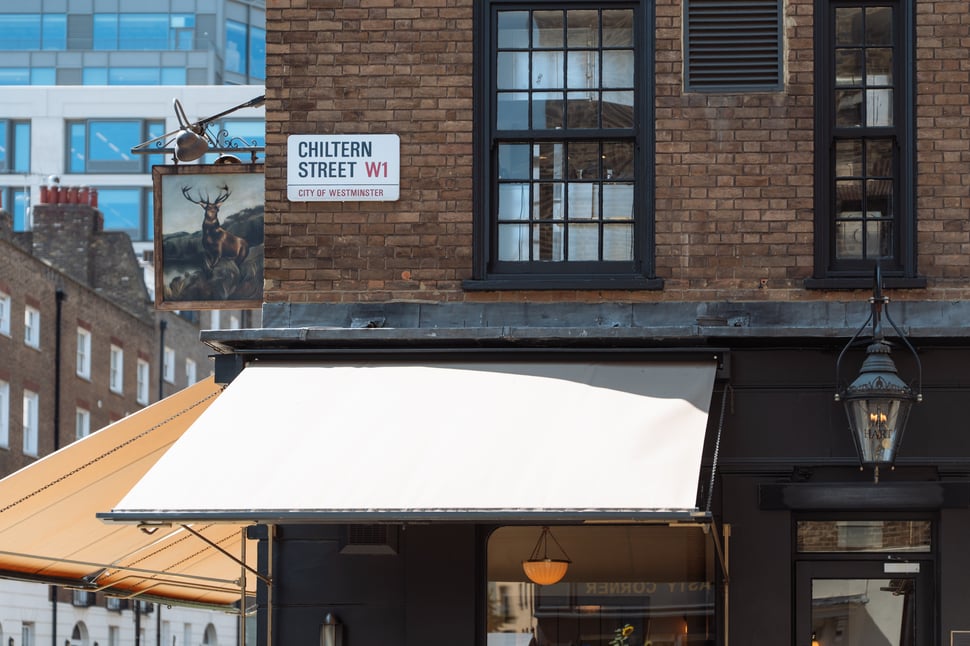
One of the biggest challenges is the length of time between planning a scheme and bringing it to life. Consumer preferences, market conditions and occupier requirements can all evolve during that period, so building flexibility into projects from the outset is essential for futureproofing.
Having a clear vision is important, but so is being open to adapting as new information emerges. Sometimes an idea that felt right at the start of a project may need refining once you begin engaging with occupiers, customers and the wider community. There is real value in being proactive, regularly reviewing what is working and what could be improved.
Looking ahead, what do you think will define the next generation of successful mixed-use and high street destinations?
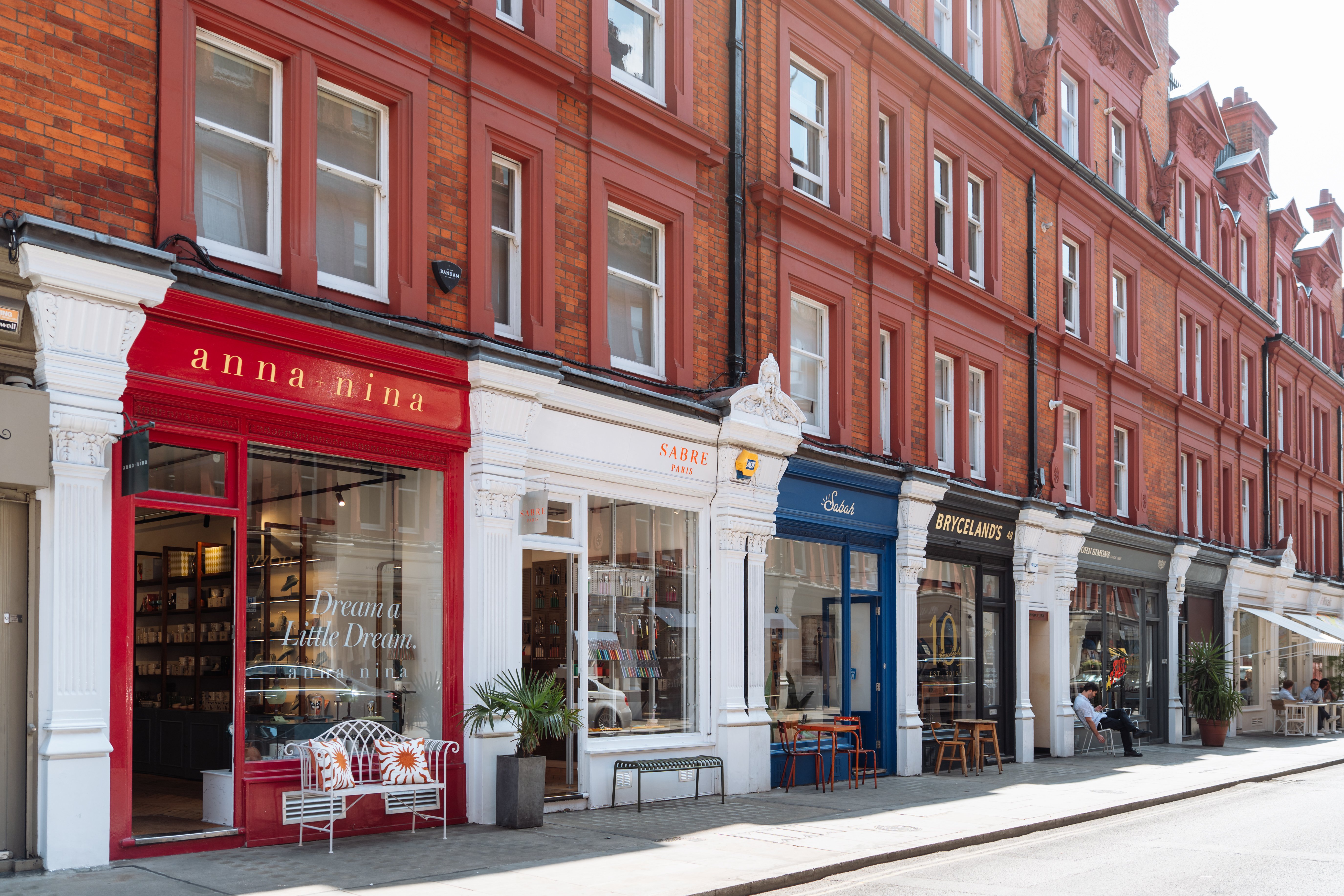
I suspect we will continue to see the lines between retail, hospitality, wellness and leisure become increasingly blurred. Consumers seem to be looking for places that offer more than a single purpose, where different uses come together to create a more engaging experience.
Careful curation and a clear positioning will become even more important. The destinations that appear to resonate most are often those that reflect the character of their local community while giving people multiple reasons to spend time there and return.
Finally, what advice would you give to developers, landlords and asset owners looking to create places that people genuinely want to visit, spend time in and return to?
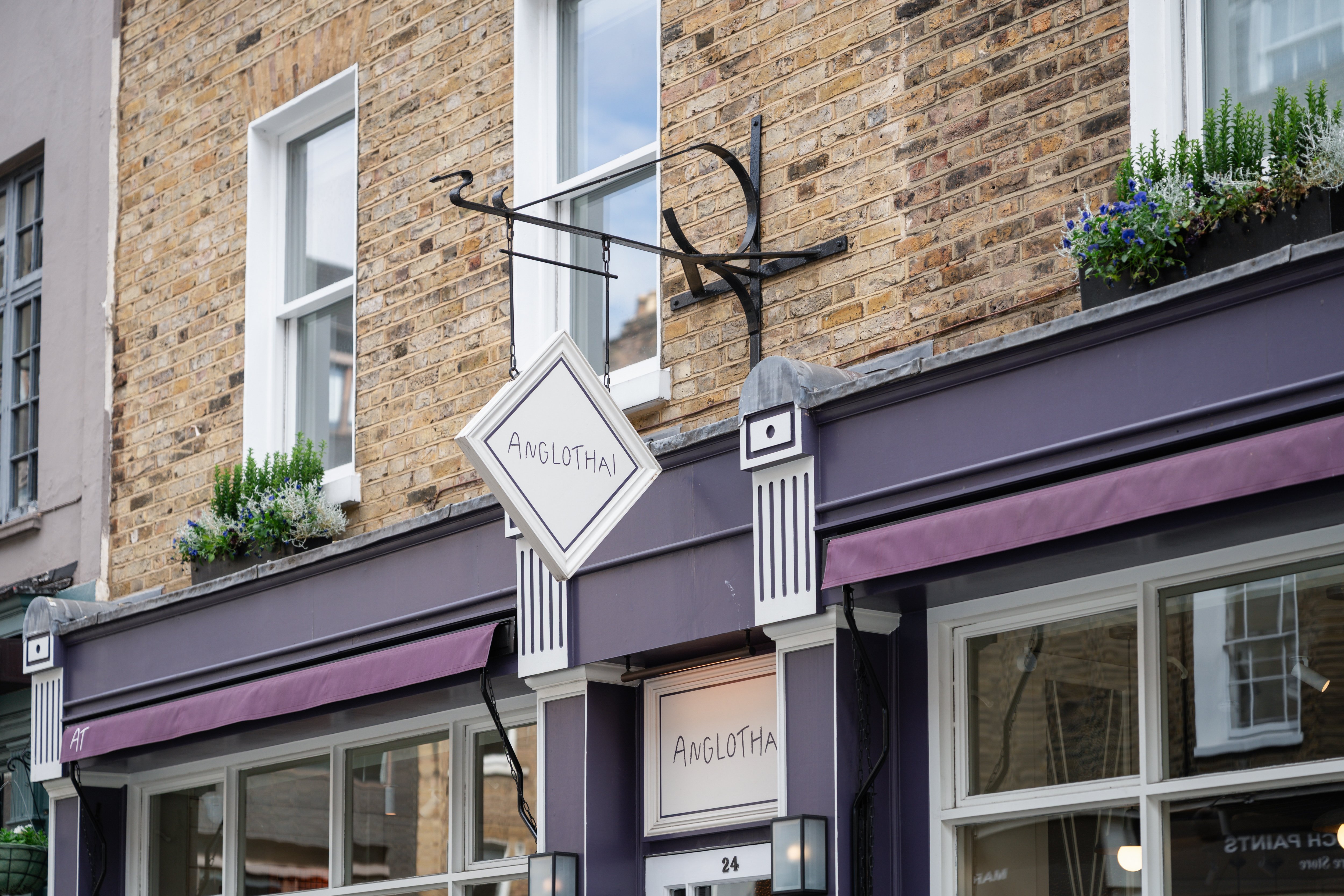
There is no single formula, as every place, community and customer base is different. Taking the time to understand what makes a location unique is often the best place to start.
It's also important to think beyond individual units and consider how different uses work together to create an overall customer journey. In my experience, the most successful destinations are often the result of long-term stewardship, thoughtful tenant selection and a willingness to adapt as needs evolve. Ultimately, the places people return to again and again are those that foster a genuine sense of connection and belonging.
