-1.png?width=3330&height=698&name=TGP%20International%20Logo%20White%20(1)-1.png "TGP International logo")
Hospitality has become one of the most powerful tools in shaping successful destinations. No longer an add-on to development, food and beverage is fundamental to creating places with identity, driving footfall, building community and supporting long-term commercial value. In this conversation, Tom Branton shares his perspective on the evolving role of hospitality in London's regeneration projects, exploring how F&B, culture and public realm come together to create vibrant, resilient neighbourhoods designed for the future.
How do you see hospitality contributing to the long-term vision for major urban developments in London?
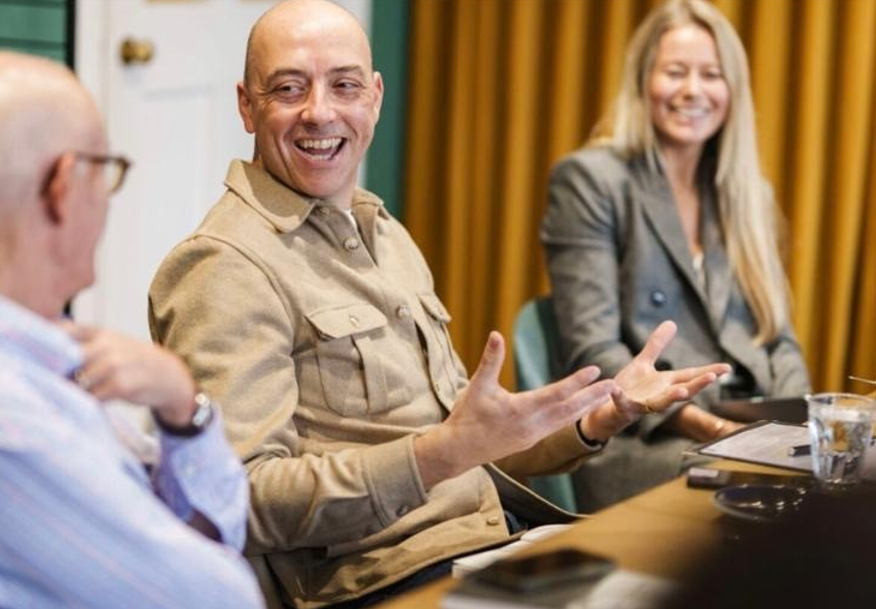 Tom Branton, Development Director, The Earls Court Development Company
Hospitality is often what gives a place its identity. Great restaurants, cafés and venues become destination brands in their own right, helping to attract people and create lasting memories. But successful places need balance. Alongside established operators, there should be opportunities for independent businesses that bring character, diversity and a stronger connection to local communities. Together, they help create places that remain relevant and resilient over time.
What role can F&B play in making regeneration sites feel active, open and connected to the wider city?
F&B gives people a reason to visit and spend time somewhere. In an increasingly digital world, where many activities can happen online, hospitality creates experiences that bring people together in person. It helps animate streets and public spaces, creating activity and making places feel connected to the wider city.
At Earls Court, we recognised this early on and made a conscious effort to refurbish many of the vacant retail units we inherited from the previous landowner, transforming long-empty spaces into cafés, restaurants and pubs. These businesses have helped bring life back to a part of West London that had stood largely dormant for years, creating activity, supporting local jobs and helping reconnect the site with its surrounding communities.
How can hospitality help new developments build stronger links with their surrounding neighbourhoods?
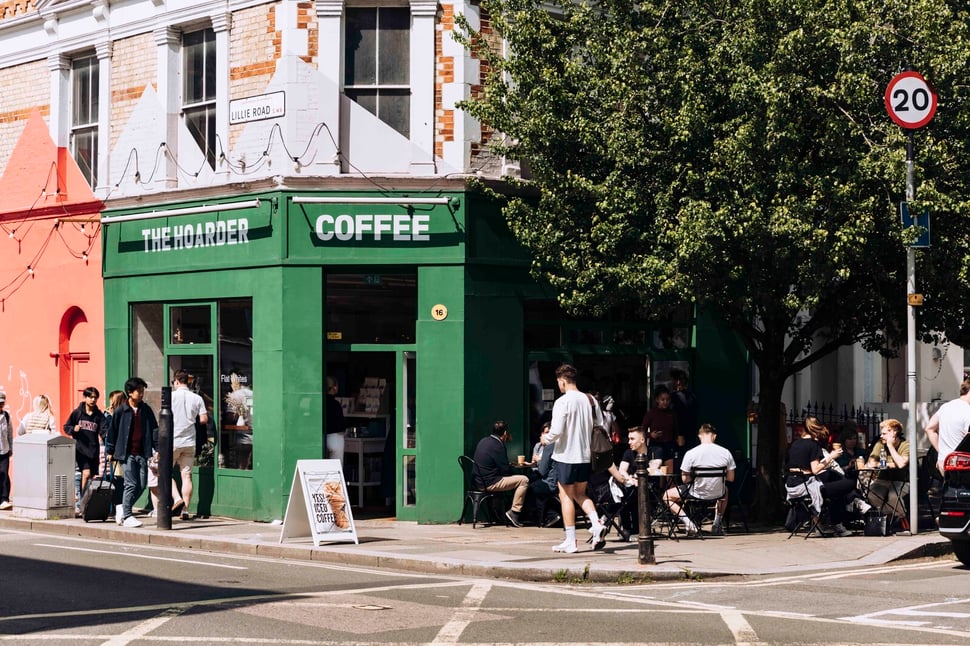 The Hoarder, Lillie Road
Hospitality can create meaningful local connections in several ways. It can provide employment opportunities for local people, create space for local businesses to grow and reflect the character and culture of the surrounding area. At its best, it also acts as a community asset, providing places where people can meet, celebrate and connect with one another.
Where does F&B sit within the wider mix of culture, leisure, workspace, homes, entertainment and public realm?
F&B is one of the elements that brings all the others together. It sits between work and leisure, between culture and entertainment, and between residents and visitors. It provides opportunities for everyday enjoyment and shared experiences, helping transform a collection of buildings and uses into a place where people genuinely want to spend time.
What makes the ground floor successful in a large mixed-use development?
Creating an experience people want to come back for is the key factor, this can be manifested in different ways, through the way in which places are designed and curated through to specific experiential activities. Places are activated from the ground floor up – most people coming to a new development will experience little beyond the ground floor. This means ground floors must visually draw people in through site lines, be welcome, active and inclusive. They should feel busy and accessible, with a variety of uses that appeal to different people at different times of day. The most successful places combine hospitality, retail, culture and community uses in a way that creates constant activity and encourages people to explore, linger and return.
How can meanwhile uses, events and early activations help shape the future character of a place?
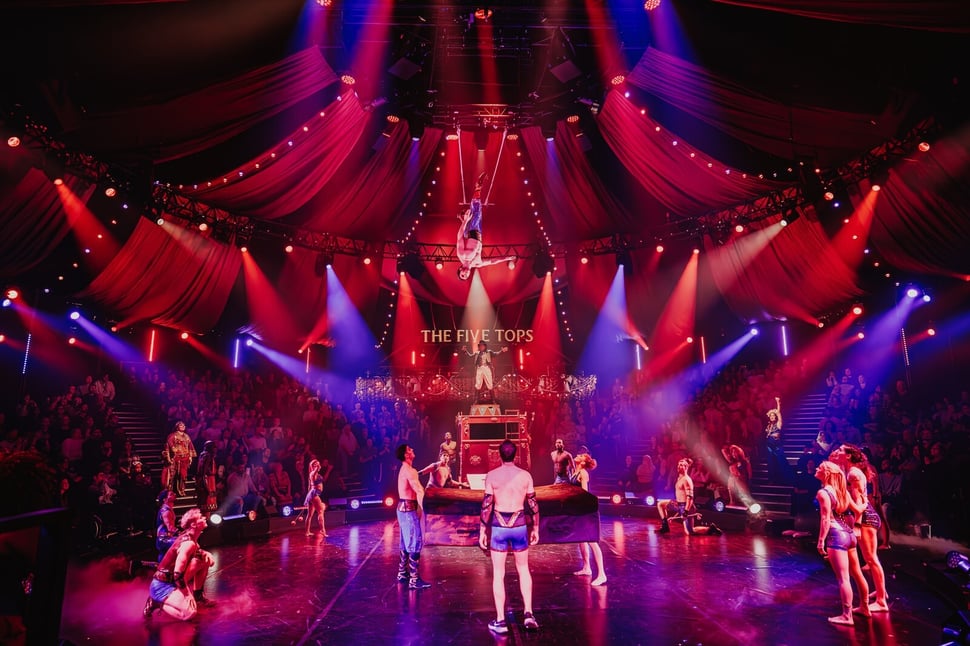 COME ALIVE! The Greatest Showman Circus Spectacular
Meanwhile uses provide an opportunity to test ideas before they become permanent. They allow developers to understand what resonates with local communities and visitors, while creating activity and interest during the early stages of development. They also stimulate local economic investment and employment at the outset of a project. At Earls Court, we have used events, cultural programming and partnerships to bring people onto the site, trial different uses and begin building relationships long before construction starts. This helps shape not only what the place becomes, but how people feel about it, establishing an identity and reputation that can evolve over time.
What role should hospitality play in creating destinations that work across the day and into the evening?
There is a great opportunity for hospitality to play an increasingly important role into the evening and night time economy. London has ambitions to establish a 24-hour city approach and this will only be successful with a more diverse hospitality offering providing more choices for people to connect and refresh into the evening – coffee shops, bakeries and dessert stores that open late into the night provide an alternate to alcohol led offers and can be more inclusive to diverse communities. For London to realise its ambition of a 24-hour economy, we need to enable more operators with diverse offerings the chance to open late and serve our different communities, adding further resilience and vibrancy to our neighbourhoods.
How can developers balance commercial ambition with the need to create places that feel genuinely public and locally relevant?
The two objectives should reinforce one another rather than compete. The most successful developments are those that create long-term value by becoming meaningful parts of the city and the communities around them. Commercial success is more sustainable when people feel a genuine sense of ownership, connection and pride in a place. Simply put, an interesting, exciting and dynamic ground plane creates value and a sense of destination in the real estate that leads to a stronger commercial proposition – places that you want to go back to are places that thrive, think of restaurants [e.g. Dishoom] that don’t offer bookings but due to the strength of their offering often have long queues throughout the day – this not only makes a place a destination but also provides footfall for other occupiers further strengthening the commercial offer.
Where is stronger collaboration needed between developers, operators, local authorities and placemaking specialists?
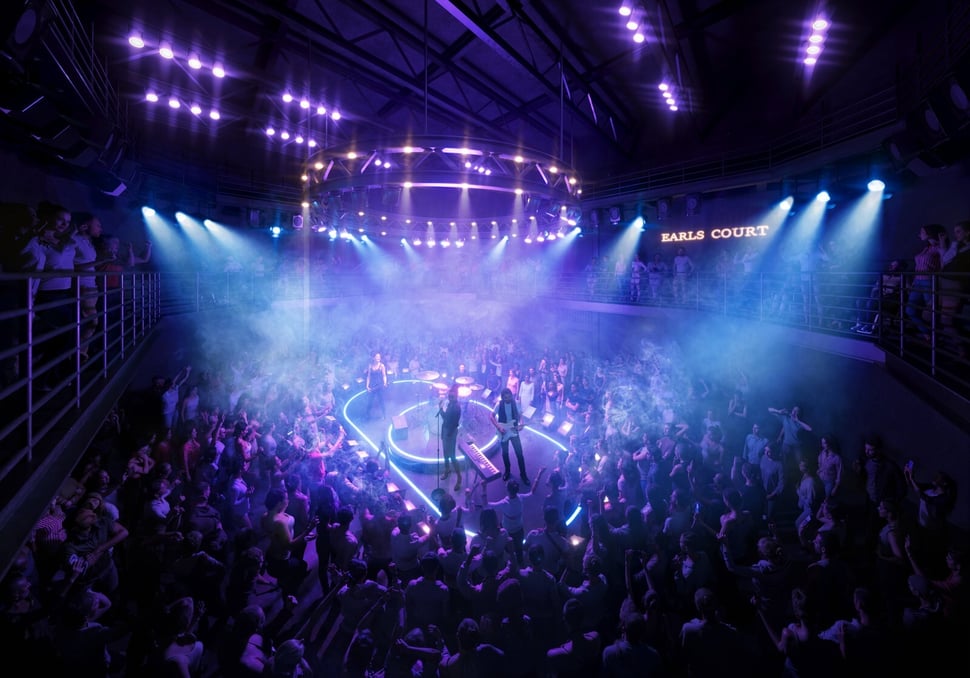 A flexible culture venue showcasing live music
The most successful places are brought forward in partnership and collaboration between the public and private sector, ensuring all parties have a stake in the future of a local area. The strongest collaboration is needed where long-term planning meets a fast-moving market. Hospitality, retail and leisure are constantly evolving, so developers, operators and local authorities need to work together from the earliest stages to create frameworks that are flexible enough to adapt over time. There is also a growing need for collaboration around the evening economy, ensuring our cities remain safe, inclusive and vibrant places to spend time beyond the traditional working day.
What will define successful hospitality-led regeneration in London and other global cities over the next decade?
It comes down to authenticity of experience – we know the core ingredients that make a successful place – a strong mix of food, culture, leisure and wellness including premium offerings, but what people are increasingly seeking are experiences that feel distinctive and different. Sometimes that is a renowned independent bakery serving a Basque cheesecake made from a generations-old family recipe. It is the story, provenance and craftsmanship behind the experience that creates a destination people want to visit and recommend.
Yes, there is a place for the trusted offer but to make a place successful, dynamic and interesting you need the story, the authenticity, provenance and dynamism of an ever-evolving line up – Borough Market is the epitome of that and is the ultimate example to look to for a thriving F&B led destination.
