-1.png?width=3330&height=698&name=TGP%20International%20Logo%20White%20(1)-1.png "TGP International logo")
By TGP International
As hospitality businesses grow, maintaining a consistent guest experience across multiple outlets, brands or concepts becomes increasingly complex. Different locations, teams, customer profiles and operating environments can all influence how the proposition is delivered.
Consistency does not mean making every venue identical. Attempting to standardise every detail can remove the personality and local relevance that make individual venues successful. The objective is to protect a recognisable standard of quality while allowing each location or concept to respond to its audience and environment.
Achieving this requires five connected priorities:
- Define the experience that every outlet must deliver
- Separate essential standards from areas of flexibility
- Translate the concept into practical operational systems
- Equip teams and managers to maintain the standards
- Measure performance and continually improve
Define the Experience Before Standardising It
.jpeg?width=2200&height=1467&name=Alkebulan%209%20copy%20(1).jpeg)
Consistency starts with clarity. Before different outlets can deliver a shared standard, the business needs to define what guests should be able to expect whenever they encounter the brand.
This should include the positioning, target audience, service style, quality level and intended guest journey. If these elements are unclear, teams and managers will inevitably interpret the concept differently.
The aim is to identify the essential promise being made to the customer. Depending on the business, this might relate to speed and convenience, personalised hospitality, product quality, value or a particular type of social experience.
This promise can then be translated into practical standards covering the areas with the greatest influence on the guest, including:
- Food and beverage quality
- Service and guest handling
- Hygiene and presentation
- Tone of voice and communication
- Complaint resolution
- Core operational procedures
A concept is only as strong as its ability to translate into a reliable experience once the doors open. Standards should therefore be designed as part of concept development, not introduced later to correct inconsistencies.
Protect the Non-Negotiables

One of the most important decisions in a multi-outlet operation is determining what must remain consistent and what can change.
Food safety, core product quality, service principles, cleanliness and complaint handling are likely to be non-negotiable. Menu details, design elements, local partnerships and programming may have greater room to adapt to the location and audience.
A group might require every outlet to follow the same quality controls and management procedures while allowing individual venues to introduce locally relevant dishes or adjust aspects of the experience.
This distinction is particularly important for operators managing several concepts within one portfolio. If everything is standardised, individual brands can lose their character. If nothing is standardised, the business may struggle to maintain a dependable level of quality.
The right model establishes a clear operational backbone while giving individual concepts enough freedom to remain relevant and distinctive.
Design a Consistent Guest Journey
Consistency is ultimately judged through the guest experience. Operators should therefore consider the complete journey rather than focusing only on front-of-house service.
This can include:
- Discovery, booking and pre-visit communication
- Arrival and welcome
- Ordering and service
- Food and beverage delivery
- Payment and departure
- Post-visit feedback and engagement
Mapping this journey helps identify the moments that have the greatest influence on customer perception. It can also show where experiences differ unnecessarily between outlets.
The guest journey includes processes that customers never see. Procurement, recipe control, stock management, preparation and communication between the kitchen and front of house all influence what eventually happens on the floor.
Consistency therefore depends on alignment between the operational systems behind the scenes and the experience promised to the customer.
Turn Standards into Everyday Operations
Brand guidelines and operating manuals have limited value if they are disconnected from daily work.
Standards should be translated into practical tools that help teams perform consistently. Depending on the operation, these may include:
- Standard operating procedures
- Recipe and product specifications
- Opening and closing checklists
- Service sequences
- Pre-opening readiness assessments
- Quality and hygiene audits
- Guest feedback and complaint processes
- Performance reviews
These tools should provide structure without turning hospitality into a rigid or scripted interaction. The objective is consistent quality, not identical conversations.
Central systems can also help operators maintain visibility as the portfolio grows. Procurement, inventory, recipes, training, guest feedback and performance reporting can be managed across locations to identify differences and improve control.
The best systems reduce complexity for teams. If a framework creates unnecessary administration or is difficult to use during service, it is unlikely to be followed consistently.
Give Managers and Teams Ownership
Even the strongest framework will have limited impact if employees are not equipped and motivated to deliver it.
Training should explain not only what the standards are, but why they matter and how they contribute to the wider customer experience. Consistent onboarding can establish a shared foundation, while ongoing training helps maintain standards as menus, teams and customer expectations evolve.
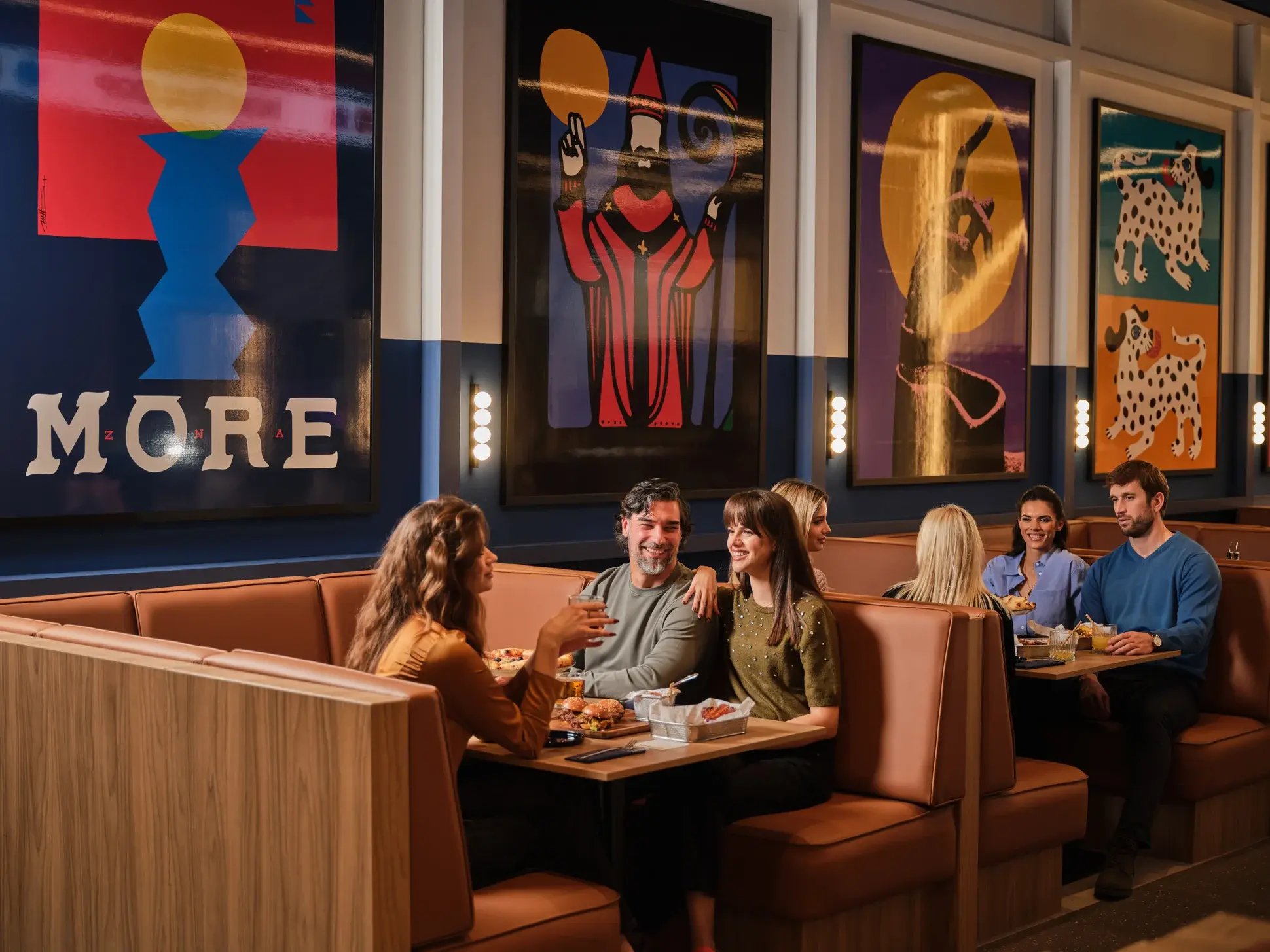
Outlet managers play a particularly important role. They translate group-wide principles into daily behaviour, identify gaps and create accountability. If managers interpret standards differently or fail to reinforce them, inconsistency can quickly become embedded.
At the same time, teams should have enough freedom to exercise judgement. Hospitality depends on personal interaction, and employees need to respond appropriately to individual guests and situations.
The strongest cultures combine clear expectations with trust. Teams understand the boundaries within which they can make decisions while remaining aligned with the brand.
Manage Consistency Across Multi-Concept Destinations
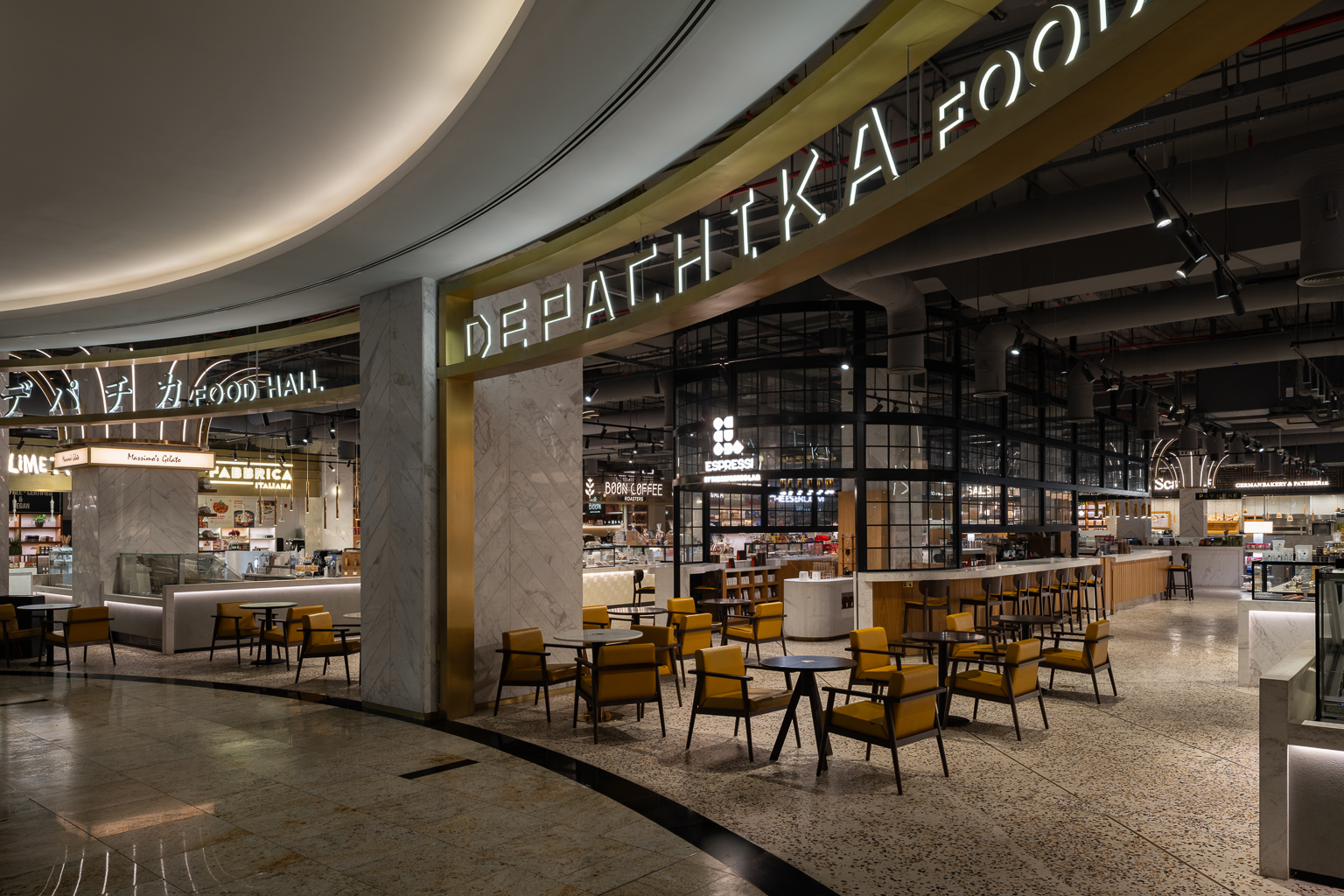
This principle is particularly relevant to several of TGP International’s multi-concept projects, where distinct F&B brands operate within a shared destination. Each concept needs to retain its own proposition while contributing to a cohesive overall experience.
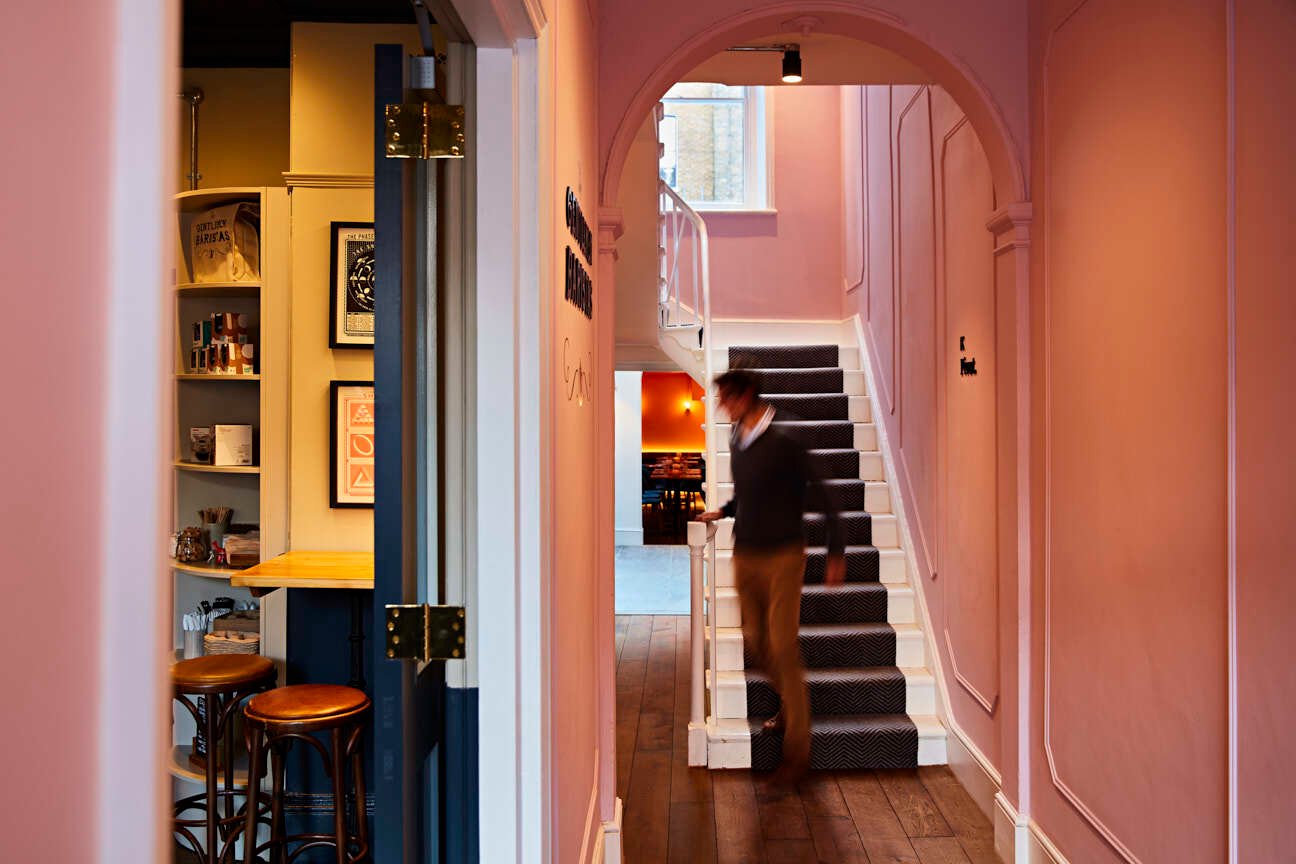
At 3 Henrietta Street in Covent Garden, we brought together several individual F&B concepts within one destination. Consistency needed to operate at two levels: each concept delivering against its own positioning and standards, while the building provided a coherent level of hospitality and quality across the wider guest journey.
We have applied a similar approach at a larger scale through our work on Al Mamlaka Social Dining. Its individual concepts have distinct menus, identities and experiences, supported by shared expectations around service, food quality, cleanliness and the overall environment.
Across projects of this kind, the objective is not to make every concept operate identically. It is to protect their individuality while establishing the shared standards that shape how guests experience the destination as a whole.
Measure, Compare and Improve
Consistency requires ongoing review and adjustment. New employees, changing menus, different trading conditions and evolving customer expectations can all affect delivery.
Depending on the operation, performance may be assessed through:
- Guest satisfaction and online reviews
- Service times and operational KPIs
- Food quality and safety checks
- Mystery dining and quality audits
- Complaint patterns
- Staff feedback
- Financial and inventory performance
Comparing outlets can identify both underperformance and best practice. If one location consistently achieves stronger guest feedback or lower waste, the business can investigate what it is doing differently and consider whether those practices can be applied elsewhere.
Data should be used as a starting point for investigation, not as a substitute for operational judgement. A lower-performing outlet may face local staffing, supply or property constraints that require a different response.
The objective is a continuous cycle of setting expectations, training teams, measuring results and improving the operation.
Consistency Without Uniformity
The goal of multi-outlet management is not for every venue to feel the same. It is for guests to have confidence that they will receive the same level of quality and care wherever they encounter the business.
Achieving this balance requires clear concepts, defined non-negotiables, practical operational frameworks, effective training and regular performance review. These elements need to work together from initial concept development through to day-to-day delivery.
At TGP International, our experience across F&B strategy, concept development, design, operations and management allows us to consider consistency throughout the lifecycle of a hospitality business. This helps operators create the structure needed to grow while protecting the individuality that makes each venue relevant.
The strongest portfolios do not replicate every detail. They standardise what matters, adapt what should remain local and give their teams the tools to deliver both consistently.
Start Your Project Today With TGP International
