-1.png?width=3330&height=698&name=TGP%20International%20Logo%20White%20(1)-1.png "TGP International logo")
Major regeneration projects are increasingly being judged not only by what they build, but by the communities they help create. As part of our exploration of hospitality's role in shaping more inclusive, resilient and socially valuable places, we spoke with: Rebekah Paczek, Director of Public Affairs, Social Impact and Community Relations at The Earls Court Development Company. Drawing on her experience leading long-term community engagement and social impact strategy for one of London's most significant regeneration projects, Rebekah shares her perspective on how hospitality, culture and public realm can help create neighbourhoods that are welcoming, connected and built to serve both existing and future communities.
How can hospitality contribute to the social impact of major urban developments?
 Rebekah Paczek, Director of Public Affairs, Social Impact and Community Relations, The Earls Court Development Company
Beyond creating jobs and supporting local businesses, hospitality can bring together people from different backgrounds and generations, helping new neighbourhoods develop a stronger sense of identity and social cohesion. Restaurants, cafés and cultural venues are often where people first encounter a place, and so they need to both reflect, and be the places where communities develop the identity and experience you want the place to be known for.
What role can F&B play in creating places that feel open, welcoming and useful to local communities?
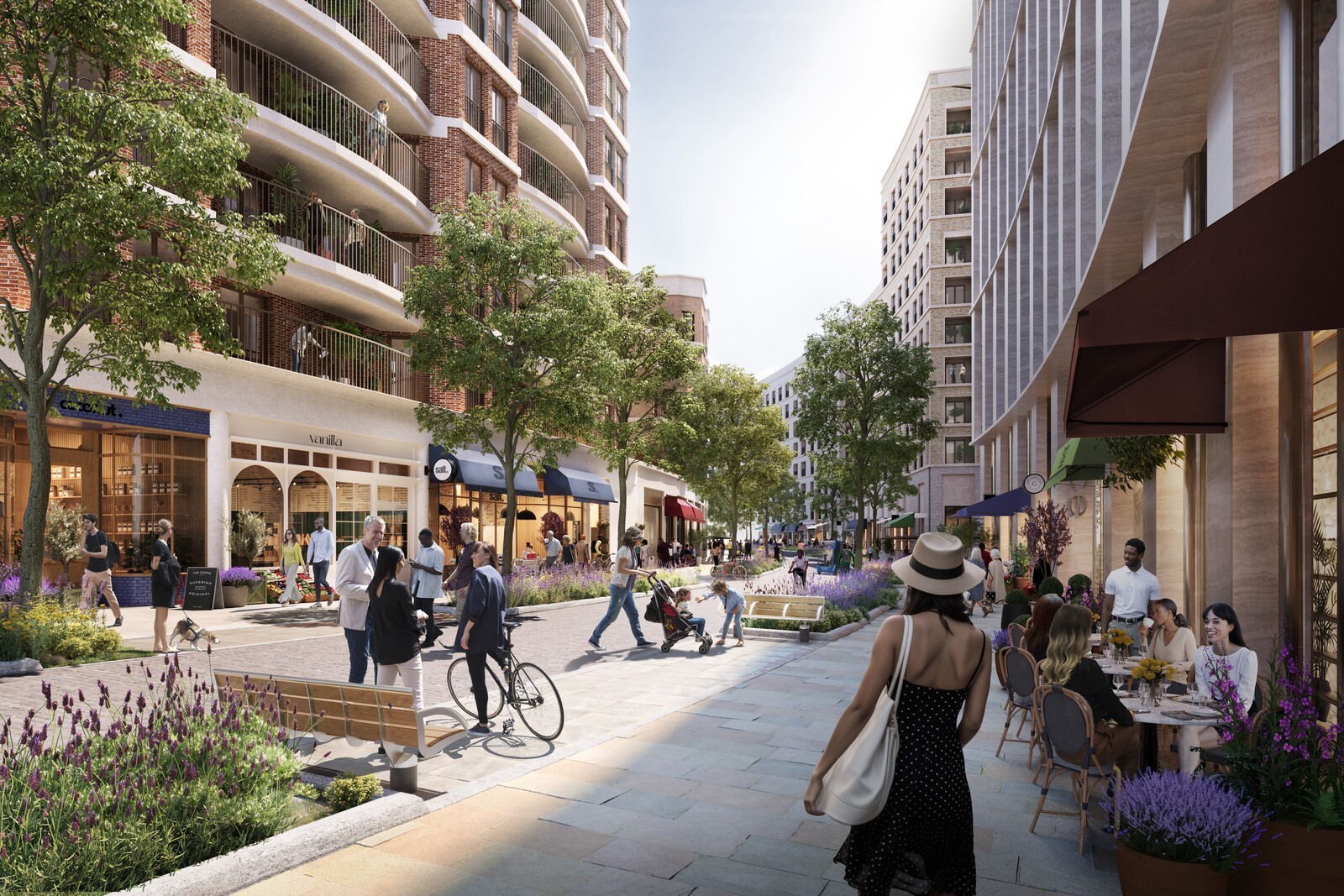
A well-curated mix of cafés, restaurants and informal gathering spots activates the spaces and place between buildings. This can soften the public realm, create activity throughout the day and encourage people to spend time in a place. F&B can act as a bridge between homes, workplaces, cultural venues and public spaces, making developments feel more accessible, welcoming and connected to everyday life; it is about creating spaces where time is well spent
How can new developments build stronger relationships with the neighbourhoods around them?
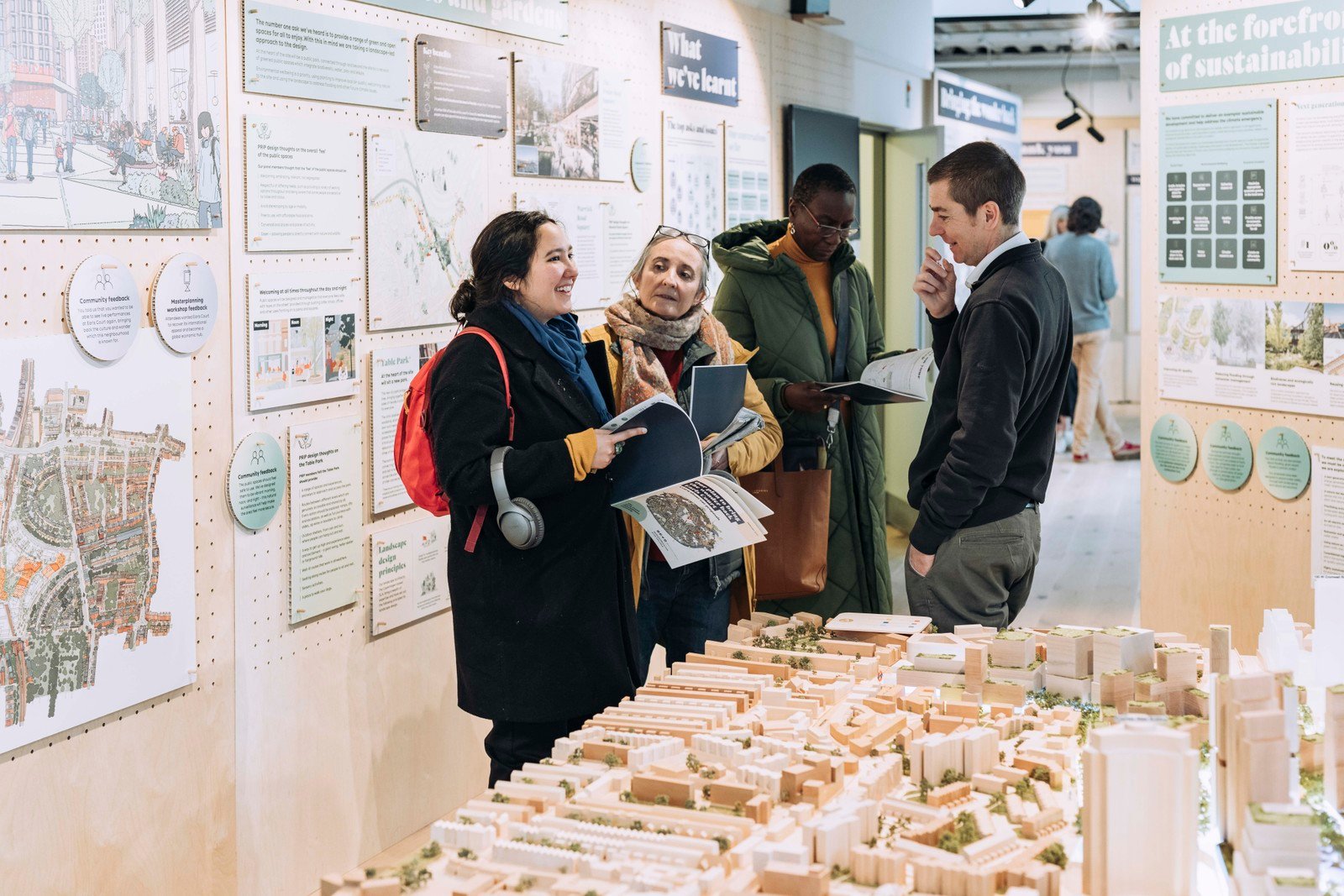 Conversation Corner, Earls Court’s dedicated consultation space
It starts with meaningful engagement from the outset. Communities should have a genuine opportunity to shape what they want to see, rather than being consulted after decisions have already been made. At Earls Court, we have invested significant time since 2019 in listening to local people, understanding their aspirations and reflecting those insights in our plans for the site. That engagement has helped shape our vision for the new neighbourhood and informed a range of long-term commitments around community facilities, public spaces, culture, skills and local opportunity. The key is ensuring that what you hear is translated into tangible actions that continue long after planning consent has been secured.
Where does hospitality fit within wider conversations around public benefit, local value and long-term community?
Hospitality is one of the most visible ways that developments deliver value to local communities. It creates jobs, supports entrepreneurship and provides spaces where people can gather and connect. When developments actively support local operators, complement the existing offer in the local area, and offer a diverse range of affordable and accessible options, hospitality can help build trust by demonstrating that growth is delivering benefits that are felt by local people as well as visitors.
How can F&B, culture and public realm help make regeneration feel more inclusive and less disconnected from existing communities?
Successful places reflect the character, cultures and needs of the communities around them. That means engaging early, understanding local priorities and creating a mix of experiences, operators and price points that appeal to a broad audience. Culture, food and public space can provide common ground, helping existing and new communities feel part of the same story rather than creating places that feel exclusive or disconnected.
What role can hospitality play in supporting local employment, skills, enterprise and opportunity?
 COME ALIVE! Training Academy. A free opportunity for 14 -17-year-olds to gain insight and experience of producing the show
Hospitality is an accessible route into employment, offering opportunities for people at different stages of their careers. It also provides pathways into entrepreneurship, particularly for independent operators and emerging businesses. Through apprenticeships, training programmes, local hiring commitments and support for small businesses, hospitality can become a powerful engine for social mobility and economic opportunity within a neighbourhood.
How can developers balance the need to attract visitors with the responsibility to serve local residents and businesses?
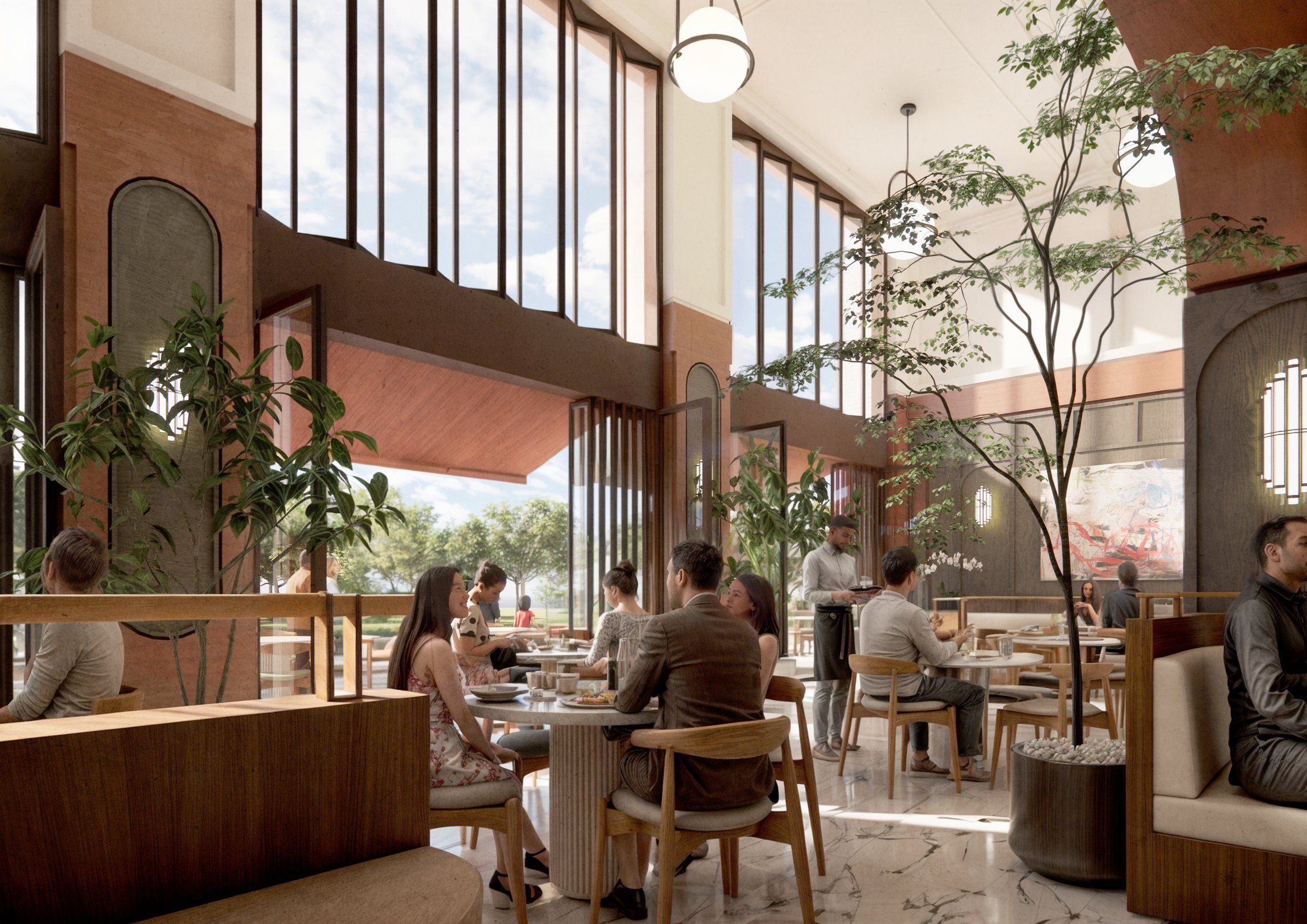 The interior of a new restaurant that spills out onto The Table
Getting that balance right is fundamental to creating places that succeed over the long term. The most resilient destinations are those that serve local communities first while also attracting visitors. A thoughtful mix of everyday amenities, destination experiences, local operators and broader attractions helps create places that remain active year-round and feel relevant to the people who use them most often.
Where is stronger collaboration needed between developers, local authorities, communities, operators and placemaking specialists?
Collaboration is most valuable at the earliest stages of planning and designing new spaces, when decisions about public realm, uses, programming and tenant mix are being made. At Earls Court, we have seen first-hand the value of bringing together early: local authorities, communities, businesses, cultural organisations and placemaking specialists to shape a shared vision for the future of the site. Each group brings a different perspective and expertise, and the challenge is creating a framework where those voices can influence the outcome. The result is a place that is not only commercially successful, but one that reflects local priorities, supports community life and feels rooted in its surroundings from day one.
How should the social value of hospitality-led places be understood beyond commercial performance and footfall?
We talk about the social value of Earls Court as being rooted in exceptional placemaking. This brings together all of the ingredients that create a place where people want to be; hospitality is an important part of this. Success should not be measured solely by visitor numbers or economic performance. Hospitality-led places also create opportunities for social interaction, community cohesion and cultural exchange. The most successful places are those that become part of people's daily lives, providing spaces where communities can gather, celebrate, connect and return to regularly.
What will define successful community-led placemaking in London over the next decade?
The most successful places will be those that combine long-term vision with genuine local participation, embedding adaptability and resilience from the outset. We are facing a rapidly changing economic, social and environmental landscape; community-led placemaking gives the ability to respond to this and deliver exceptional developments . Communities increasingly expect to play a meaningful role in shaping the places around them, while also wanting developments that deliver jobs, culture, public space and opportunity. The developments that thrive will be those that embrace collaboration, celebrate local identity and create inclusive environments that can evolve alongside the communities they serve.
