

Expansion can be one of the most exciting stages in an F&B brand’s journey, but opening a second, fifth or fiftieth location does not automatically mean the business is ready to scale.
A concept that succeeds in one location may face very different conditions when introduced to a new market, a larger footprint or a more complex operating environment. The question is not simply whether there appears to be demand for another venue. It is whether the business has the commercial foundations, systems, people and brand strength required to replicate its success.
The precise requirements will depend on the scale and route of expansion, but operators should be able to answer the following questions before committing significant investment.
The Expansion Readiness Checklist
- Can you explain why the existing concept succeeds?
- Is there evidence of demand in the target market?
- Are the unit economics strong and repeatable?
- Can the operation perform without relying on a few individuals?
- Is it clear what must remain consistent and what can adapt?
- Can the team, supply chain and technology support growth?
- Have you selected the right expansion model?
- Can the brand build relevance in each new location?
Is the Existing Concept Genuinely Proven?
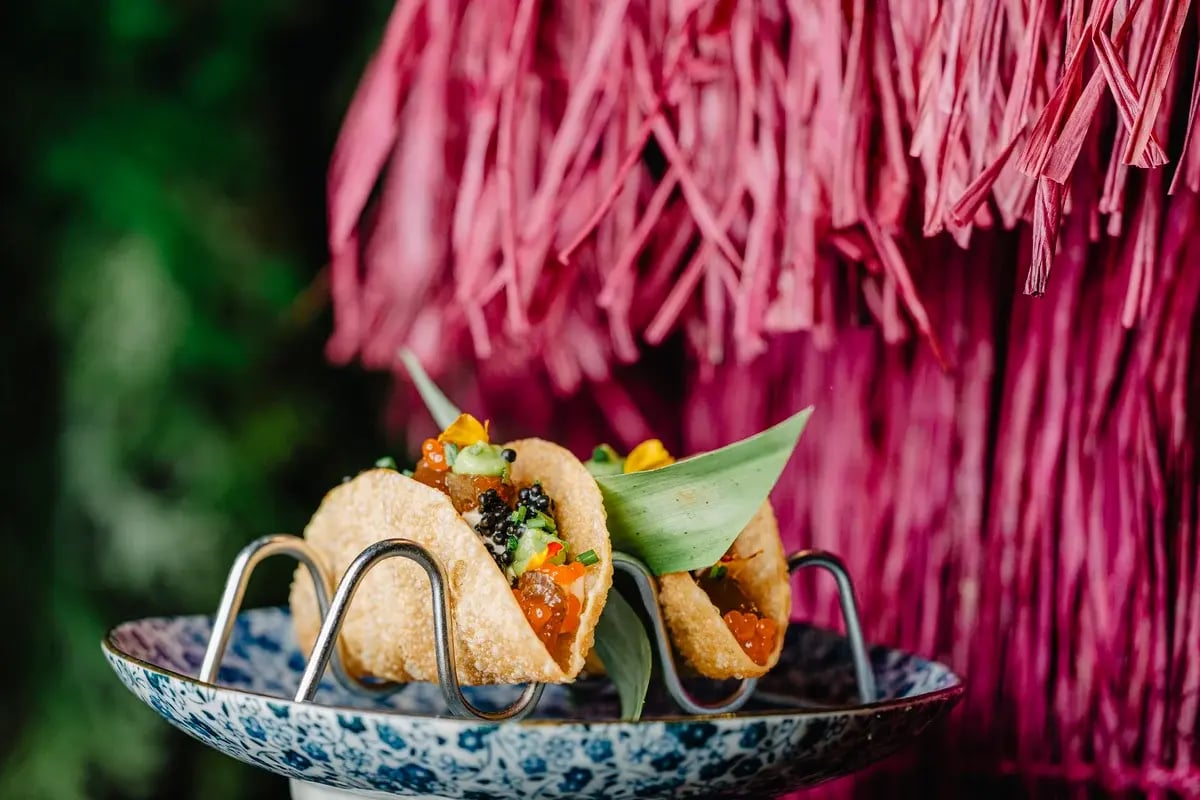
A strong-performing venue is an encouraging starting point, but one successful location does not necessarily prove that a concept is ready to expand.
Operators need to understand what is actually driving performance. Is demand created by the brand and proposition, or is the venue benefiting from an exceptional site, limited competition or unusually favourable occupancy costs?
The business should be able to identify its core success factors, including its target audience, value proposition, signature products, service model and most important revenue drivers. It should also understand where the current operation is vulnerable.
Consistent sales, repeat visitation and stable margins across different trading periods provide stronger evidence than a successful opening period. If possible, testing the concept through a pop-up, food hall or temporary residency in another location can provide additional insight before a full launch.
Expansion should be based on evidence that the proposition can travel, not solely on the popularity of its original venue.
Does the Target Market Support the Concept?
Success in one city or country does not automatically translate into another. Customer behaviour, spending patterns, competition, regulation, labour availability and cultural expectations can all influence performance.
Market analysis should assess the size of the opportunity, the audiences available and the existing and planned competitive landscape. It should determine whether the concept addresses a genuine gap and whether the intended price point, cuisine, service style and experience are relevant to local customers.
Site selection then needs to consider the specific catchment, footfall, accessibility, surrounding uses and patterns of activity throughout the day and week.
For international expansion, the assessment should also consider regulations, licensing, ingredient availability and local operating practices. The most attractive city at a headline level may not provide the right conditions for the concept, while a less obvious market may offer stronger demand and more manageable competition.
Are the Unit Economics Repeatable?

Access to investment does not necessarily mean a business has a scalable financial model.
Operators need a detailed understanding of the economics of the existing venue, including revenue, gross margin, labour, food costs, occupancy costs, capital expenditure and the time required to reach maturity.
These assumptions should then be tested against the conditions of each target market. A new site may achieve higher sales but also face substantially higher rent, wages, fit-out costs or supplier prices. The location with the greatest revenue potential is not always the one capable of producing the strongest return.
The model should also allow for the additional central costs created by growth. Expansion may require new leadership, training, technology, quality control, marketing and supply-chain resources that were not necessary for a single venue.
A scalable concept needs to generate enough value at unit level to support both the individual outlet and the wider infrastructure required to manage the estate.
Can the Operation Function Without the Founder?
Processes that work informally within one venue can become difficult to manage across several locations.
Before expanding, operators should have clear systems covering procurement, inventory, recipes, preparation, service, training, quality control, reporting and financial management. These processes need to be documented and understood across the business rather than held in the knowledge of a founder, chef or small number of senior employees.
This does not mean every interaction needs to be scripted. The objective is to identify the operational principles that protect product quality, customer experience and commercial performance.
The business should also test whether the operation can perform consistently when the founder or original team is not present. If every important decision or customer experience still depends on them, further work may be needed before expansion.
Can the Brand Adapt Without Losing Its Identity?
Expansion does not mean copying and pasting the original venue into every market.
Strong brands understand which elements are essential to their identity and which can adapt. The core proposition, brand values, service philosophy and signature aspects of the experience should remain recognisable. Menus, layouts, suppliers, programming and communications may need to respond to local conditions.
The challenge is finding the right balance. A concept that changes too much can lose the qualities that made it successful, while one that refuses to adapt may feel disconnected from the new market.
Before expansion, operators should define their brand and experience non-negotiables. These provide a framework for design, operations, marketing and local decision-making without requiring every outlet to be identical.
Can the Business Infrastructure Support Growth?
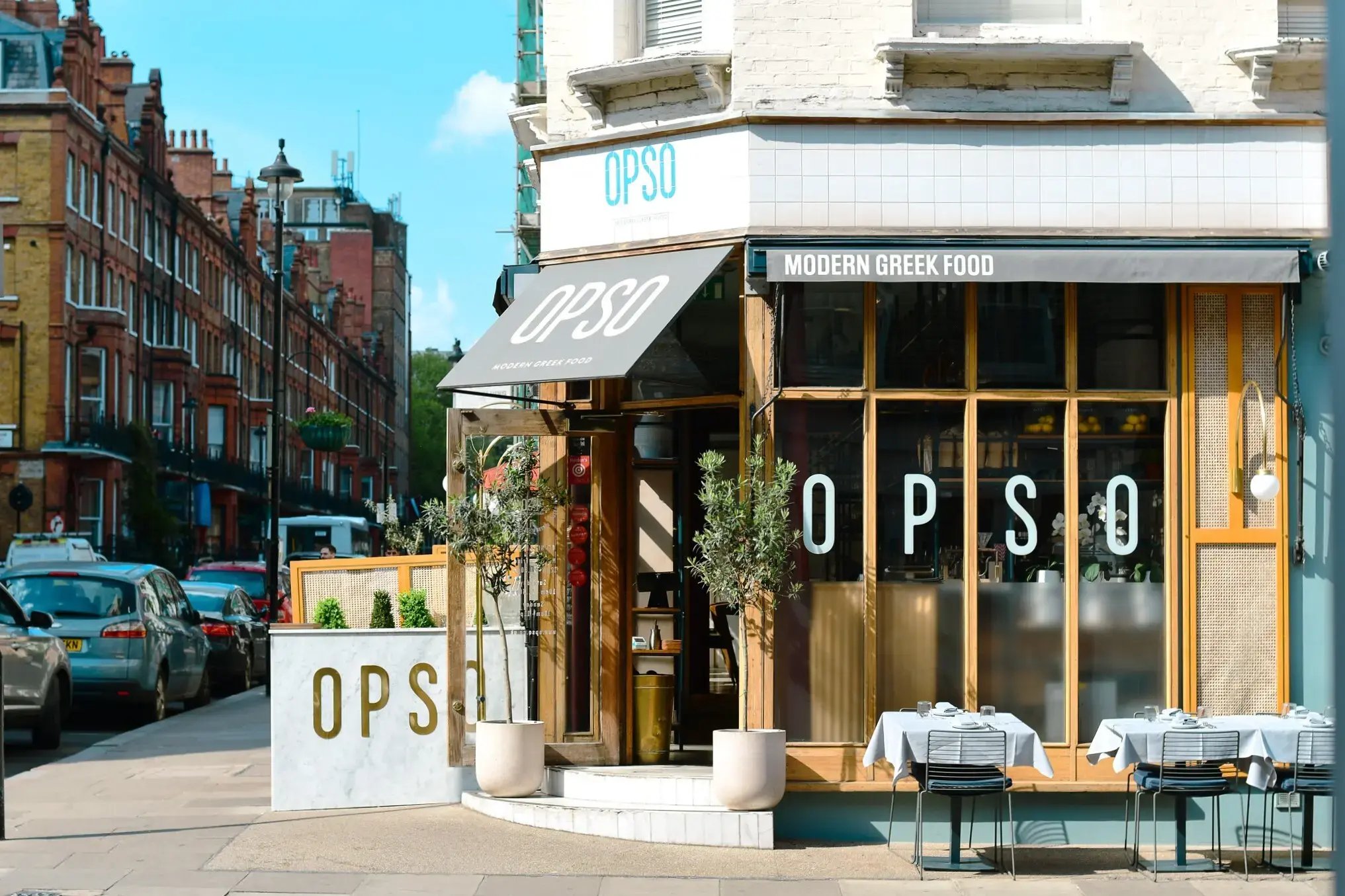 A brand can only scale as effectively as the people and systems behind it.
Expansion often requires a stronger management structure, dedicated operational leadership and a consistent approach to recruitment and training. The business needs managers who can protect standards, develop teams and make decisions without constant intervention from the central office.
Supply chains also become more complex. Ingredients that are readily available for one venue may be expensive or difficult to source consistently across multiple locations. Operators should assess supplier capacity, logistics, quality control and the availability of appropriate local alternatives.
Technology should provide visibility across the growing estate. Point-of-sale, inventory, workforce planning, reservations, guest feedback and financial reporting systems can help management compare performance and identify where support is required.
Technology should simplify control rather than create unnecessary complexity. The priority is ensuring that reliable information is available to the people making decisions.
Have You Chosen the Right Route to Expansion?
Expansion can take several forms, and the right model depends on the brand’s objectives, resources and desired level of control.
Options may include company-owned outlets, franchising, licensing, joint ventures, management agreements or partnerships with local operators. Each has different implications for capital, speed, risk, control and revenue.
Direct ownership can provide greater control over the experience but requires more investment and management capacity. Franchising can support faster growth with lower capital requirements, but only if the concept has proven systems, protected intellectual property and a clear franchise proposition.
International expansion may benefit from a local partner with market knowledge, supply-chain relationships and regulatory experience. However, the responsibilities, standards and decision-making processes need to be clearly defined.
Selecting the expansion model should be a strategic decision. It should not simply reflect which opportunity or partner approaches the brand first.
Can Marketing Build Local Relevance?
 Expansion creates opportunities to increase awareness, but recognition in the original market may not transfer to a new one.
The brand needs to communicate what makes it distinctive, why customers should care and how the concept is relevant to the location it is entering. This requires a balance between consistent brand communications and locally relevant activity.
Individual venues may need partnerships, events, content and community engagement tailored to their catchment. At the same time, the central brand should maintain a clear positioning and visual identity across the portfolio.
Operators should also consider whether expansion could dilute the distinctiveness or exclusivity that helped build the brand. Growth should increase its reach without making the proposition feel less special or coherent.
Expansion Should Strengthen the Brand
The decision to expand should come down to whether the business can reproduce its strengths without magnifying its weaknesses.
If the concept relies on informal processes, founder involvement, favorable site conditions or unclear economics, expansion may expose vulnerabilities rather than create sustainable growth. In some cases, strengthening the original operation will create more long-term value than opening another location immediately.
For brands with a proven proposition and the infrastructure to support it, expansion can unlock new audiences, revenue streams and long-term business value.
At TGP International, we work with F&B brands, developers and investors across advisory, concept development, design, operations and franchise strategy. Our approach focuses on determining whether a concept is ready to grow, where it should grow and which model can best protect its identity and commercial performance.
The objective is not growth for its own sake. It is expansion that makes the brand stronger, more resilient and more valuable.
