-1.png?width=3330&height=698&name=TGP%20International%20Logo%20White%20(1)-1.png "TGP International logo")
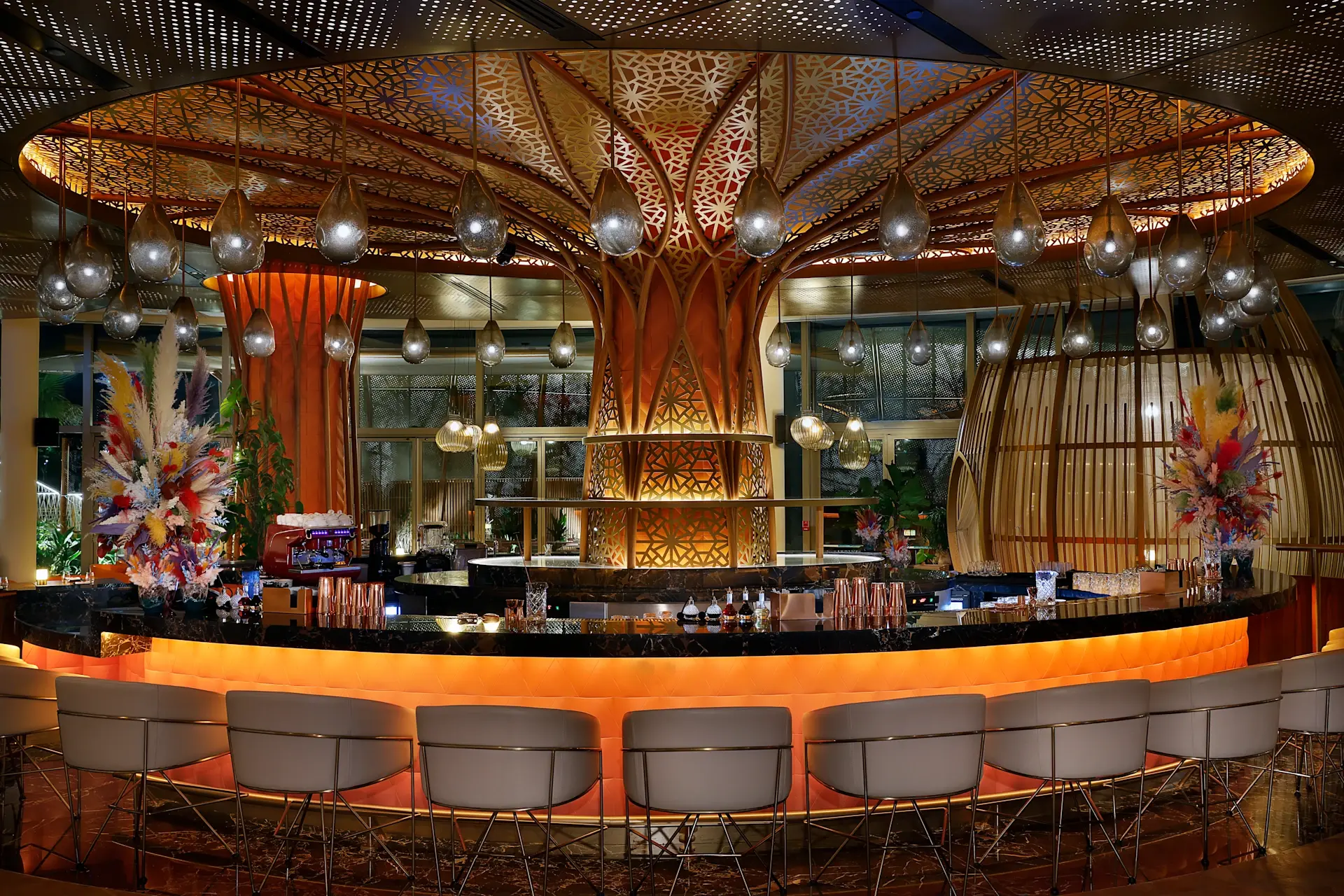
We continue to see strong demand from investors and operators looking to expand hospitality and F&B concepts into Asia. The opportunity is clear. Rapid urban development, a growing middle class and increasingly sophisticated consumer expectations are driving sustained growth across the region.
However, the route to expansion is far from straightforward. Asia is not a single market, and strategies that succeed in one location will not necessarily translate into another.
One of the most important early decisions is therefore not just where to enter, but how. Whether to build a brand directly or scale through a franchise-led model is not simply a structural choice. It is a strategic decision that shapes control, speed, risk and long-term value creation.
Asia Is Not One Market
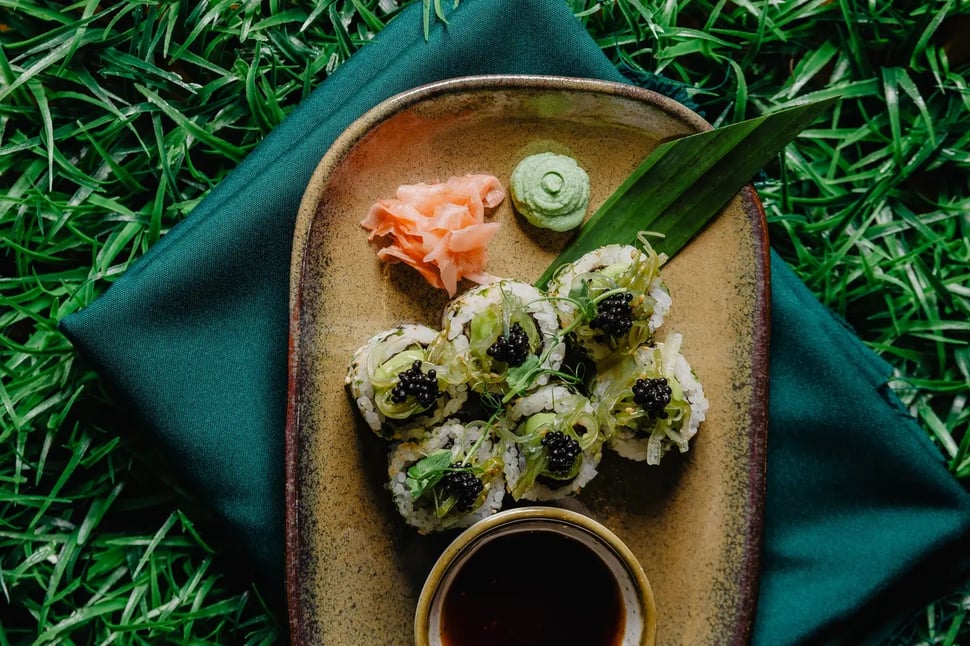
A common misconception when approaching expansion into Asia is to treat the region as a unified opportunity. In reality, it is a collection of highly distinct operating environments, each with its own regulatory frameworks, cost structures and consumer behaviours.
Markets such as Singapore, Bangkok or Jakarta may sit within the same region, but they differ significantly in terms of dining culture, real estate dynamics and operational complexity.
In many cases, food and beverage is not positioned as a standalone destination, but as part of a wider ecosystem within malls, mixed-use developments or hospitality-led environments. This changes how brands are experienced and how success is measured.
Against this backdrop, the choice between building a brand or franchising becomes more nuanced. It is less about preference and more about fit with the specific market context.
Expansion Models in Hospitality: Organic Growth vs Franchising 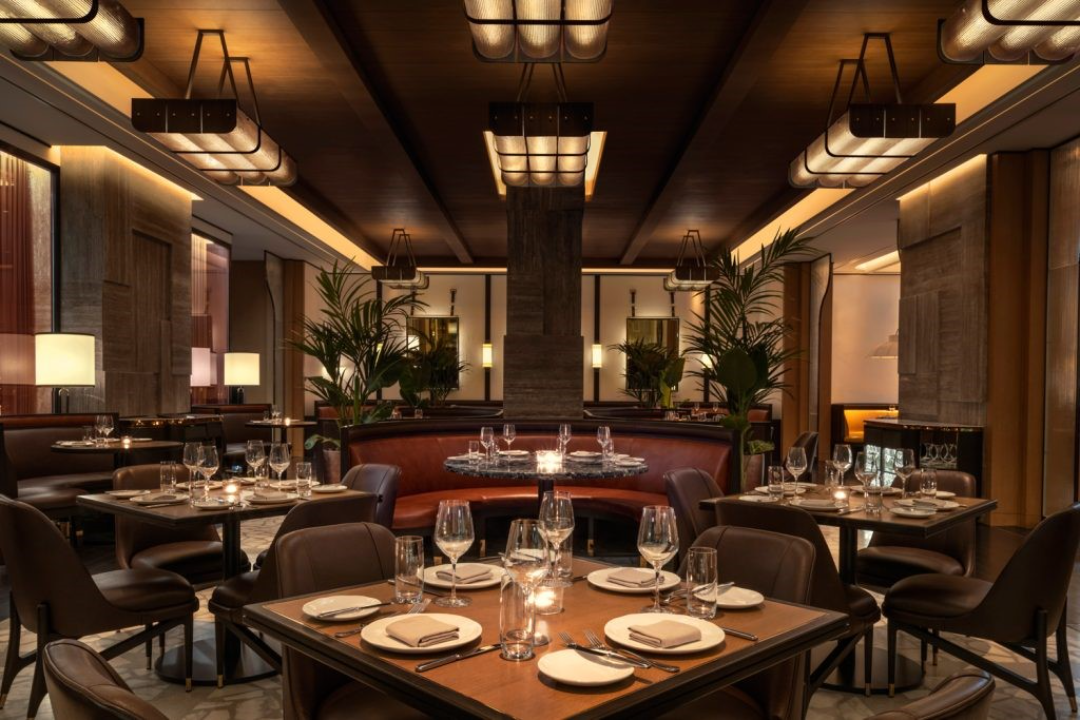
|
Model |
Pros |
Cons |
|
Organic Growth (Owned & Operated) |
|
|
|
Franchising / Asset-Light |
|
|
What Makes a Brand Franchise-Ready in Asia
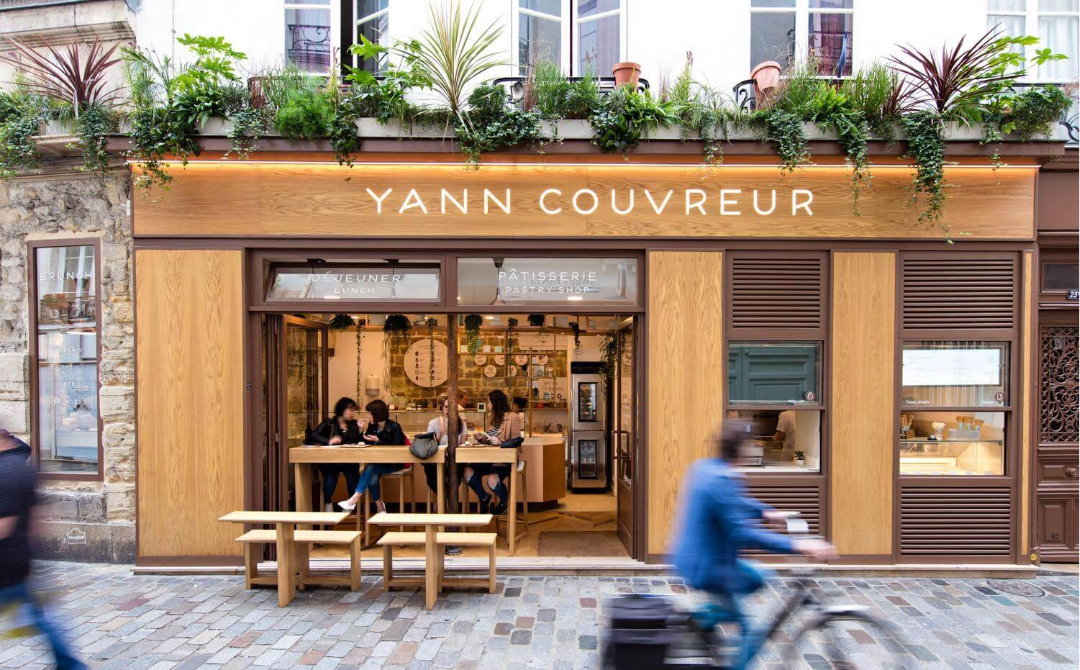
Not all concepts are suited to franchising, particularly across markets as diverse as those in Asia.
Clarity of concept is fundamental. The proposition must be immediately understood and easily communicated without reliance on founder presence or interpretation. In high-density environments where consumers are exposed to multiple options, simplicity and recognisability are critical.
Operational structure is equally important. Concepts need to be designed for repeatability, with workflows, kitchen systems and service models that can be executed consistently across different teams and locations.
Menu design also plays a role. While brand identity must remain intact, menus need to be adaptable to local sourcing conditions, pricing expectations and cultural preferences.
A strong and clearly defined brand identity underpins all of this. Without it, consistency becomes difficult to maintain as the concept scales across different markets.
Common Pitfalls in Franchise-Led Expansion
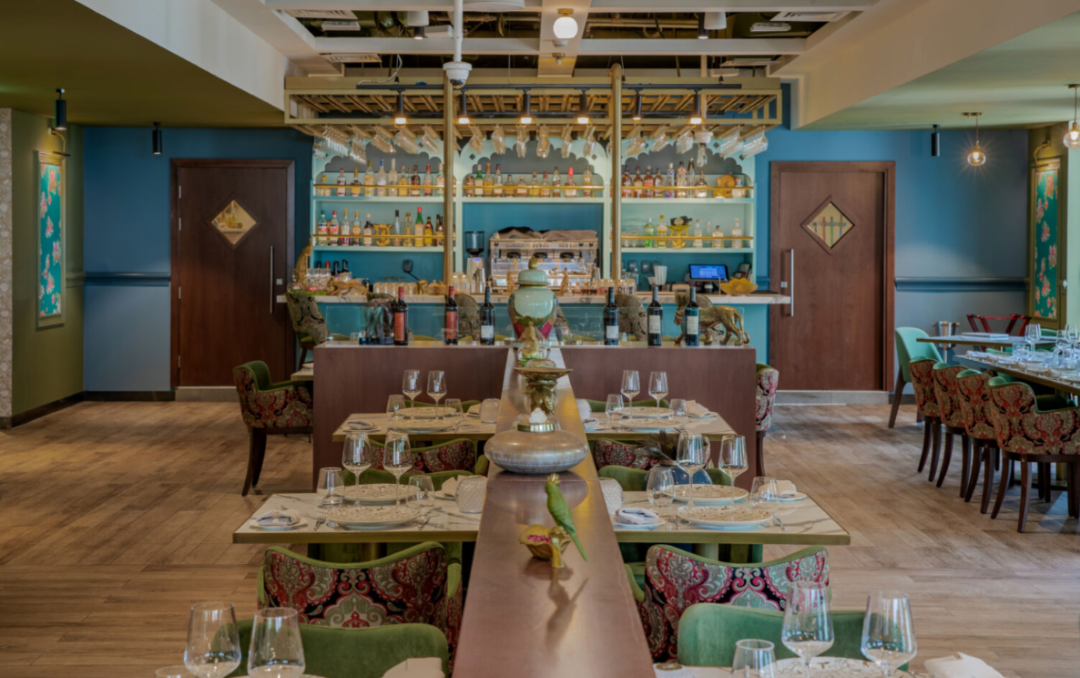
We often see brands entering Asia assuming demand will follow brand recognition. It rarely does.
One of the most common challenges is overestimating brand transferability. Concepts that perform well in London or Dubai do not automatically resonate in markets such as Bangkok or Jakarta. Dining habits, expectations and competitive landscapes differ significantly.
Operational complexity is also frequently underestimated. Variations in supply chains, labour markets and regulatory requirements can impact everything from menu execution to service delivery.
Partner selection remains another critical risk. Prioritising scale, speed or capital over operational capability often leads to misalignment. Without the right partner, even a strong concept can struggle to maintain consistency and performance.
These challenges are not always immediately visible at launch, but tend to emerge over time as the concept scales.
Why Local Partners Matter
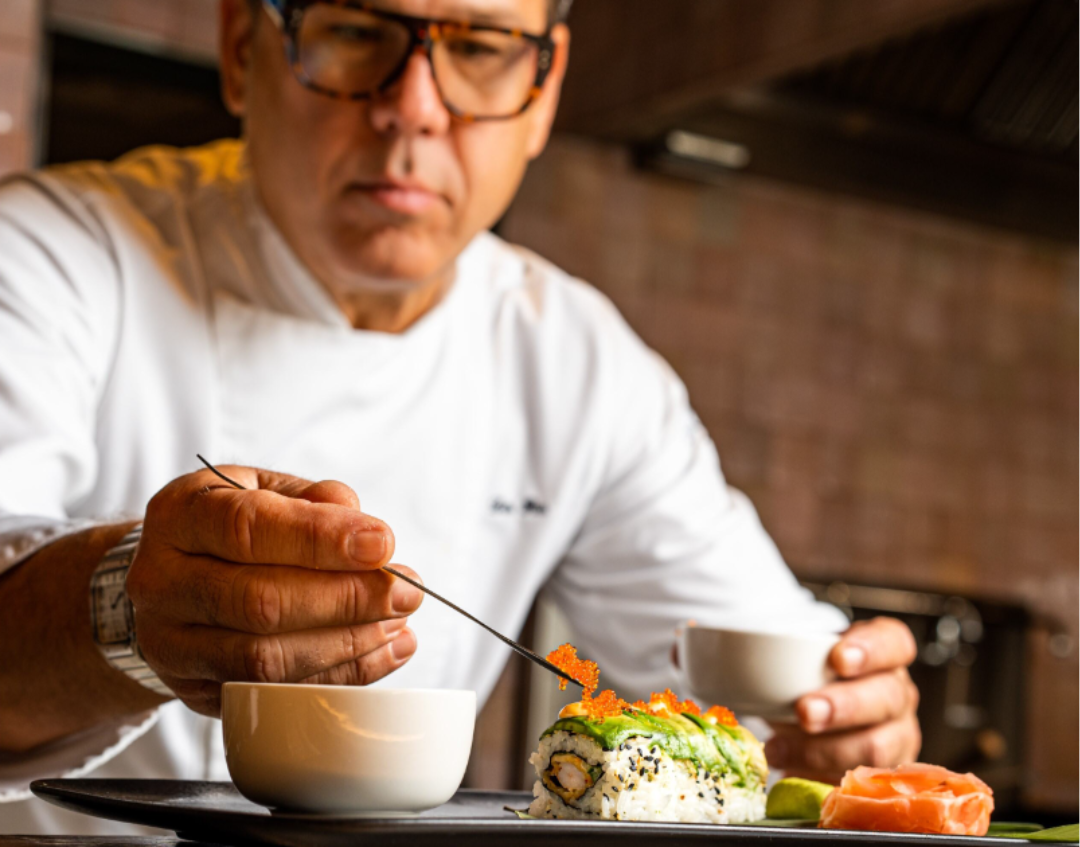
Local expertise is one of the most important factors in successful expansion across Asia.
Strong partners provide insight into cultural nuance, consumer behaviour and market dynamics that cannot be replicated remotely. They understand how to navigate real estate structures, landlord expectations and regulatory frameworks, all of which can vary significantly between markets.
Beyond this, they play a critical role in translating brand intent into a format that is both locally relevant and operationally viable.
In many cases, success is less about the strength of the original concept and more about the quality of its adaptation. The right partner ensures that this translation is done effectively, without compromising the core identity of the brand.
Choosing the Right Model for Growth
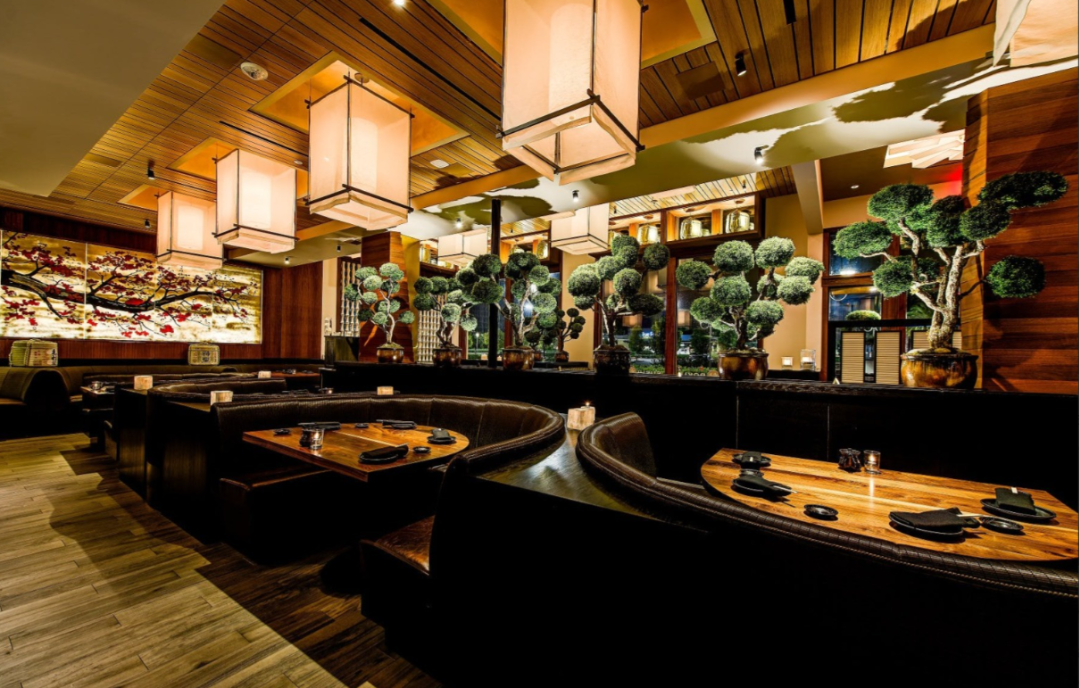
There is no single type of F&B concept that applies across all markets in Asia. The right approach depends on a combination of target audience, location, price positioning and overall brand proposition.
Operators and developers must first determine the category of brand or concept best suited to the asset and market. This can range from fine dining and chef-led destination restaurants, which drive reputation and high-spend occasions, to premium casual and lifestyle-led concepts that balance quality with accessibility. At the more scalable end of the spectrum, fast casual and QSR formats offer operational efficiency and broader market appeal, particularly in high-footfall urban environments.
Each category brings different requirements in terms of design, staffing, price point and guest expectations. Fine dining concepts demand a high level of execution, storytelling and culinary distinction, while casual and fast casual brands rely more heavily on consistency, speed and value perception.
In practice, successful hospitality platforms curate a mix of concepts to create a well-rounded offering. The focus is not only on individual brand performance, but on how different formats complement one another to drive footfall, extend dwell time and appeal to multiple customer segments.
Ultimately, the decision is less about choosing a single format and more about aligning the right mix of concepts to the commercial objectives of the development and the behaviours of the target market.
A More Considered Approach to Expansion
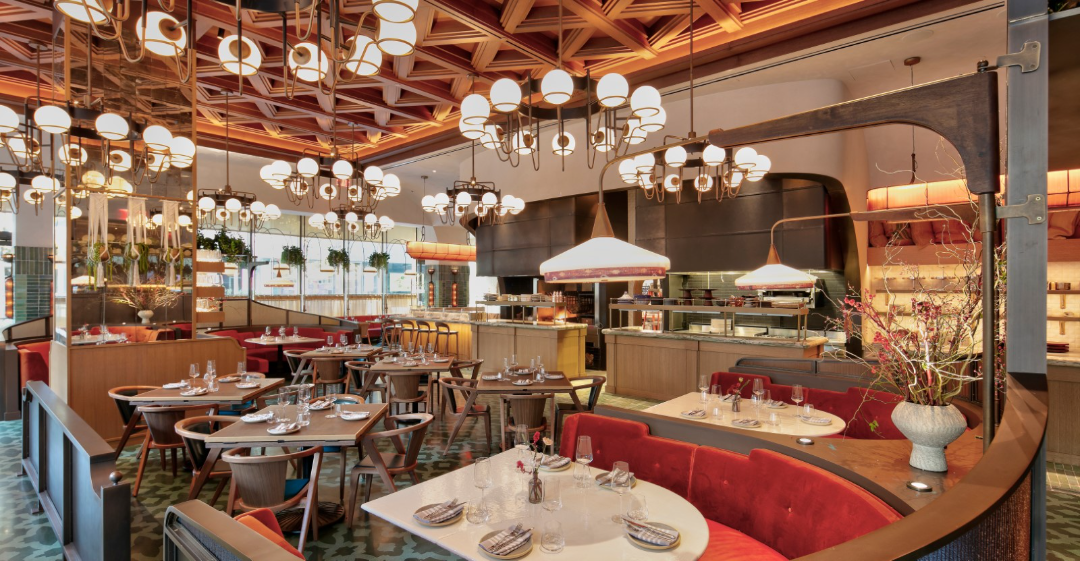
Across global hospitality markets, a clear pattern is emerging: successful brands are no longer defined by where they originate, but by how effectively they adapt across regions. Increasingly, strong homegrown brands from the Middle East are looking outward, expanding into Asia and Europe as they seek new audiences, diversified revenue streams and greater international brand equity. At the same time, established Asian concepts are entering the Middle East and European markets, drawn by high-growth urban developments, tourism demand and appetite for differentiated F&B experiences.
What is consistent across these movements is that success is not driven by replication. Brands that perform well internationally are those that treat each market as a distinct operating environment, requiring thoughtful recalibration rather than direct transfer. This applies as much to Dubai-born hospitality groups entering London or Southeast Asia, as it does to Asian brands expanding into the GCC.
This approach begins with feasibility, not assumption. It requires early alignment between concept development, design, F&B strategy and operational delivery, ensuring that each element is responsive to local market dynamics while still preserving core brand identity. Crucially, it also demands a clear understanding of what must remain consistent globally, and what should evolve to maintain relevance locally.
At TGP International, our work across Asia, the Middle East and Europe reinforces a simple principle: expansion is not replication, but translation. The brands that succeed globally are not the most famous, but the most adaptable
Those that recognise this early are best positioned to build brands that scale across borders while retaining cultural relevance, operational integrity and long-term commercial value.
For investors, operators and developers entering or planning to expand to Asia, the question is no longer whether to expand, but how to do so sustainably.
At TGP Asia, we work with brands and partners to navigate this complexity — from concept strategy and market entry to execution. If you are exploring expansion into Asia, happy to exchange perspectives.
