-1.png?width=3330&height=698&name=TGP%20International%20Logo%20White%20(1)-1.png "TGP International logo")
Operational Management,
Saudi Arabia,
Brand & Concept Development
Saudi Arabia has joined the growing list of Middle Eastern markets covered by the Michelin Guide, following its earlier expansion into Dubai, Abu Dhabi and Doha.
The Guide announced its Saudi Arabia launch in June 2025 in partnership with the Culinary Arts Commission. The inaugural 2026 selection was subsequently revealed in three digital stages between October and December 2025, before the first Saudi Michelin Guide restaurant celebration was held in February 2026.
The first edition covers Riyadh, Jeddah and AlUla, with 51 restaurants included. Eleven received a Bib Gourmand and 40 were named Michelin Selected. No Michelin Stars were awarded in the inaugural selection. Michelin Guide Saudi Arabia selection
The launch provides a new international platform for Saudi Arabia’s restaurants, chefs and culinary traditions. It also offers a snapshot of a market undergoing substantial change as investment continues across tourism, hospitality, culture and entertainment.
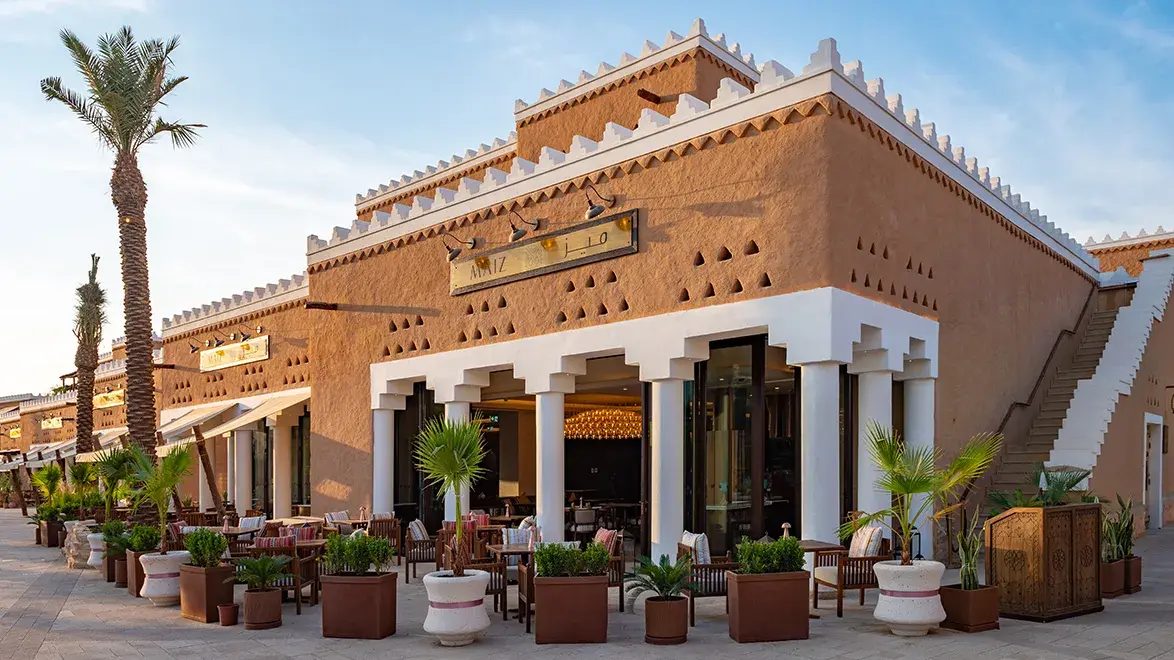
Michelin's own coverage of the first selection highlights the range of approaches emerging within Saudi F&B. Restaurants such as Maiz, Takya, Fi Glbak and Aseeb are drawing on regional Saudi ingredients, dishes, techniques and traditions, while other selected restaurants represent international cuisines and established global restaurant brands. This combination reflects a market developing its own culinary identity while becoming increasingly connected to the international hospitality industry. Michelin Guide's coverage of Saudi cuisine in Riyadh
The First Saudi Selection at a Glance
.webp?width=2200&height=1239&name=Cafe-Boulud-Beef%20(1).webp)
- 51 restaurants across Riyadh, Jeddah and AlUla
- 11 Bib Gourmands recognising good-quality, good-value cooking
- 40 Michelin Selected restaurants
- No Michelin Stars in the inaugural edition
- A mix of Saudi, Middle Eastern and international cuisines
- The selection was announced digitally between October and December 2025
Riyadh accounted for the largest part of the selection, reflecting the scale and diversity of the capital’s restaurant market. Jeddah and AlUla were also represented, bringing coastal, heritage and tourism-led perspectives to the first edition.
The Riyadh selection also demonstrates the breadth of the city's emerging dining scene. Saudi-focused restaurants such as Maiz, which draws on culinary traditions from across the Kingdom, and Takya, which brings together regional recipes and techniques in a contemporary setting, sit alongside international concepts including Café Boulud, Julien by Daniel Boulud, Hōchō, Benoit, Il Baretto, Robata and Long Chim. Michelin Guide – Riyadh restaurant selection
When the launch was initially announced, Michelin indicated that its inspectors were exploring a wider range of destinations, including Khobar and other parts of the Kingdom. However, the inaugural restaurant selection itself is limited to three locations. Michelin’s Saudi Arabia launch announcement
What Do the Different Categories Mean?
The Michelin Guide is most closely associated with its Stars, but its restaurant selections cover a broader range of formats and price points.
The Bib Gourmand recognises restaurants offering good-quality food at good value. What represents value varies between markets, allowing the category to reflect local pricing and dining habits.
A Michelin Selected restaurant is included because inspectors consider its cooking worthy of recommendation, although it has not received a Star or Bib Gourmand.
Michelin Stars focus specifically on the cooking. Inspectors use five criteria: the quality of ingredients, harmony of flavours, mastery of techniques, the personality expressed through the cuisine and consistency across the menu and over time. Factors such as restaurant design and formality are not part of the Star assessment itself. Michelin Guide criteria
The absence of Stars from the first Saudi selection does not mean that Stars will not appear in future editions. Michelin reassesses restaurants and can change distinctions as its coverage and assessment of a market develop.
Why Has Michelin Entered Saudi Arabia?
The expansion comes as Saudi Arabia continues to invest in its tourism and hospitality economy. New hotels, resorts, cultural destinations, mixed-use developments and entertainment projects are creating additional demand for restaurants and more varied dining experiences.
Riyadh and Jeddah have also developed increasingly diverse restaurant markets. Homegrown businesses and Saudi concepts now operate alongside regional brands, international imports, independent cafés and chef-led restaurants.
AlUla represents a different part of the opportunity. Its inclusion connects the Guide to Saudi Arabia’s development of cultural and heritage tourism, where food can help visitors engage with the identity and traditions of a destination.
Michelin’s own launch coverage emphasised this combination of regional heritage and international influence, referencing Saudi ingredients and dishes alongside the growing variety of global cuisines found in the Kingdom.
For Michelin, Saudi Arabia therefore represents both an expanding restaurant market and a developing tourism destination. For Saudi Arabia, the Guide provides additional international visibility and places its restaurants within a recognised global platform.
What Could It Mean for Restaurant Operators?
Inclusion can increase a restaurant’s visibility among local diners, international visitors and the wider hospitality industry. This may be especially valuable as Saudi Arabia works to grow tourism and attract audiences unfamiliar with its restaurant landscape.
The Guide may also increase attention on culinary consistency. Because restaurants are assessed anonymously and distinctions can change, inclusion requires operators to maintain standards over time rather than focus solely on a launch or single period of strong performance.
However, Michelin recognition is not a substitute for commercial viability. A restaurant still needs to understand its audience, manage food and labour costs, operate efficiently and provide an experience that encourages repeat business.
Nor will Michelin be relevant to every F&B concept. Many successful cafés, quick-service businesses, food halls and neighbourhood restaurants will be judged primarily through customer demand and financial performance rather than industry recognition.
The Guide is best understood as one measure of culinary quality and profile within a much larger and more varied market.
A Platform for Saudi Culinary Identity
One of the more significant aspects of the selection is its inclusion of restaurants connected to Saudi cuisine and regional food culture.
Saudi operators do not need to reproduce established international fine-dining models to gain recognition. Michelin’s stated criteria focus on the food itself, including ingredient quality, technique, flavour, personality and consistency.
This creates an opportunity for chefs to develop contemporary expressions of Saudi cuisine while drawing on regional dishes, local ingredients and established culinary traditions. It may also encourage greater documentation and international communication of a food culture that remains relatively unfamiliar to many visitors.
At the same time, the inaugural selection reflects the international character of the current market, with restaurants representing a range of Middle Eastern, Asian, European and Latin American influences. The balance between homegrown culinary identity and imported concepts will be an important area to watch as the market develops.
The Wider Hospitality Impact
Michelin’s arrival is relevant beyond individual restaurants. Hotels, developers and destination operators increasingly view F&B as part of the appeal and identity of a wider asset.
A recognised restaurant can generate attention for a hotel or development and provide an additional reason for visitors to travel. A cluster of notable dining concepts may also contribute to the profile of an emerging neighbourhood or tourism destination.
However, Michelin recognition should not become the sole objective of an F&B strategy. The right offer will depend on the location, audience and role the restaurant is expected to play. A high-end culinary destination may be appropriate for one development, while another requires accessible, high-frequency concepts serving residents, workers or hotel guests.
The wider value of the Guide lies in increasing attention on food as part of Saudi Arabia’s visitor proposition, rather than creating a single model for what its restaurant sector should become.
What Happens Next?
The inaugural edition should be viewed as a starting point. It captures part of the Saudi restaurant market at a particular stage in its development and across three destinations.
Future editions may expand geographically, add new restaurants or introduce Stars and other distinctions. They will also provide a clearer indication of which concepts can maintain Michelin’s required consistency and how the balance between Saudi and international cuisines evolves.
The first selection does not by itself define the Kingdom’s restaurant industry, nor does it represent every part of its culinary culture. What it does provide is a new international reference point and another sign of the growing attention being given to Saudi Arabia’s food, tourism and hospitality sectors.
The longer-term significance will depend not only on which restaurants receive recognition, but on whether the wider industry can continue developing local talent, distinctive concepts and commercially sustainable businesses.
