-1.png?width=3330&height=698&name=TGP%20International%20Logo%20White%20(1)-1.png "TGP International logo")
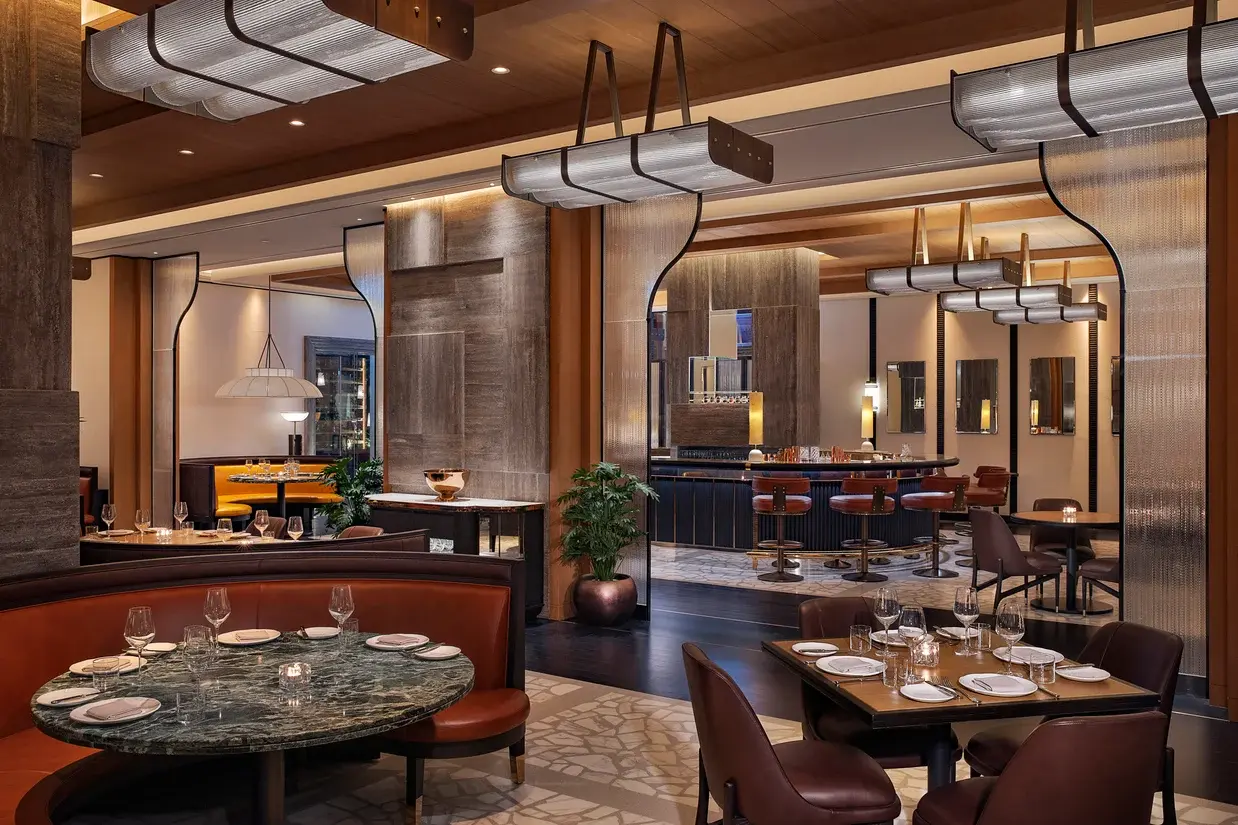
The hospitality industry is navigating a period of significant change. Rising operating costs, evolving guest expectations, talent challenges and increasing pressure to differentiate are forcing hotel owners and operators to rethink how they create value.
As the newly appointed Head of Hotels at TGP International, Shane Munro shares his perspective on the issues keeping hospitality leaders awake at night, and the opportunities that are shaping the future of hotels, from food and beverage strategy to wellness, design and guest experience.
Q: Shane, you've worked with hotel owners and operators around the world. What are the biggest concerns you're hearing right now?
The biggest concern for many hotel owners is profitability and long-term asset performance. They are operating in markets where costs continue to rise, guest expectations are evolving rapidly, and competition is no longer limited to other hotels. Today's hotels compete directly with the best brands on the high street, including independent restaurants, wellness operators, lifestyle concepts, and alternative accommodation providers.
As a result, owners are increasingly focused on how they can unlock more value from their assets. They're looking beyond room revenue and placing greater emphasis on the total guest experience, including food and beverage, wellness, events, and community engagement.
At the same time, attracting and retaining talent has become one of the industry's greatest challenges. Even the strongest concept will struggle to succeed without the right people to deliver it. Service quality, guest experience, operational consistency, and brand culture are all ultimately dependent on having talented teams who can bring the vision to life. In this environment, successful operators must not only create compelling concepts but also develop business models and workplace cultures capable of attracting, developing, and retaining the talent needed to execute them.
Q: Food and beverage has become a major talking point in hospitality. Why is it such a priority now?
Because F&B is no longer just a supporting function. Increasingly, it's influencing booking decisions, guest satisfaction and the overall perception of a hotel.
The challenge is that many hotels still treat food and beverage as an amenity rather than a strategic commercial asset. Too often, operators remain heavily focused on RevPAR while paying insufficient attention to TRevPAR and the broader opportunities to maximise total asset performance.
By viewing F&B purely as a service for in-house guests, hotels risk overlooking significant revenue potential, brand-building opportunities, and customer engagement. The most successful operators recognise that well-positioned restaurants, bars, and social spaces can become destinations in their own right, attracting local communities alongside hotel guests and driving value far beyond room revenue alone.
The most successful hotels today understand that great restaurants, bars and social spaces can become powerful drivers of brand equity, loyalty and revenue.
Discover Ten Reasons Why Hotel’s Struggle with F&B
Q: What are the biggest mistakes hotels are making with F&B?
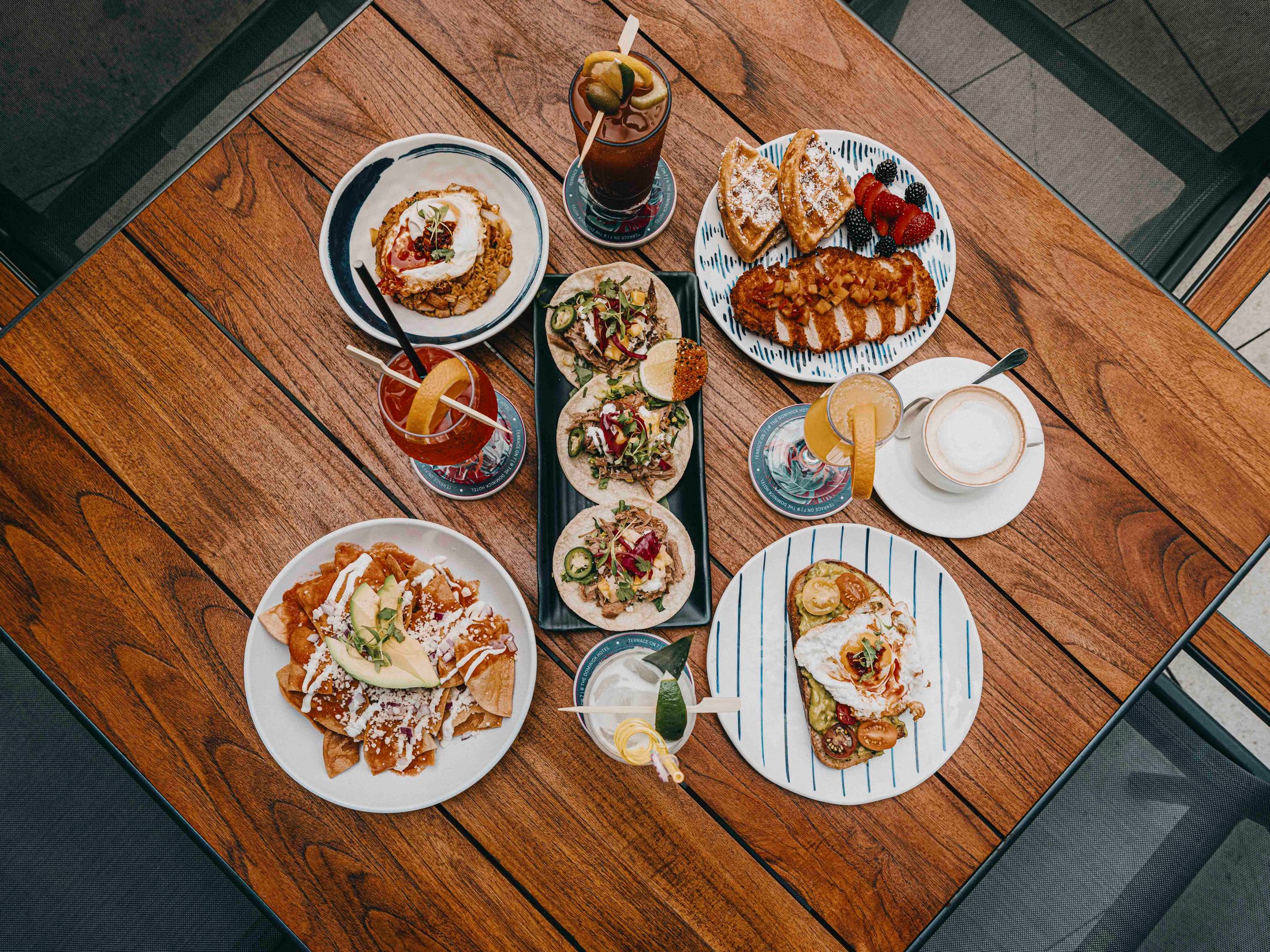
One of the most common mistakes is relying on quick fixes instead of a long-term strategy.
Refreshing a menu, changing uniforms or updating tableware might create temporary excitement, but it doesn't solve deeper issues around concept, positioning and guest relevance.
Another challenge is that many hotels play it safe. They create generic offerings designed to appeal to everyone, but in doing so they often fail to stand out in an increasingly competitive market. Guests today are looking for memorable, authentic, and experience-led hospitality. If a venue lacks a clear identity, it becomes difficult to market effectively and even harder to build meaningful loyalty.
Hotel operators should not be afraid to be bold in their approach, even if it means not appealing to everyone. In fact, clarity of concept and strong positioning are often more powerful than broad, generic appeal. Distinctiveness creates recognition, drives emotional connection, and ultimately builds stronger long-term performance.
Q: How important is investment in this equation?
It is critical. Many underperforming hotel F&B venues remain trapped in a cycle where owners are reluctant to invest because results are weak, yet results cannot improve without investment.
The reality is that successful food and beverage operations require sustained investment across concept development, design, branding, operations, and people. The hotels gaining market share are typically those willing to take a longer-term view and create experiences that genuinely resonate with guests, rather than focusing on short-term optimisation alone.
This requires a mindset shift in how investment is evaluated. Too often, decisions are driven by rigid cost percentages and an overly narrow focus on cost control. Whilst financial discipline is essential, the real opportunity lies in how the numbers are interpreted and where value is being created. The emphasis should shift from controlling cost at the expense of growth, towards understanding how strategic investment in F&B can drive top-line performance, increase total revenue, and strengthen overall asset value. It is not about ignoring the numbers, but about reading them through a growth-focused rather than purely cost-focused lens.
Q: Speaking of people, how concerned are owners about talent?
Very concerned. Talent shortages remain one of the industry's most pressing global challenges. However, the issue is no longer simply about recruitment; it is increasingly about retention, development, and creating environments where people want to build long-term careers.
Many talented operators and chefs are moving towards independent businesses where they perceive greater creative freedom, autonomy, and clarity of purpose. As a result, hotels that fail to invest meaningfully in their teams risk high staff churn, which is both operationally disruptive and costly. Constant turnover makes it difficult to build culture, maintain consistency, and execute long-term strategic ambitions.
This links directly back to the broader challenge of brand and concept clarity. When hotel F&B concepts are well designed, genuinely engaging, and enjoyable for both guests and staff, they become more than just individual venues—they become platforms that attract and retain talent. Strong concepts create pride, purpose, and momentum within teams, which in turn improves execution and guest experience. Ultimately, when people enjoy working within a brand’s F&B ecosystem, it strengthens loyalty not only among employees but also among customers, who are more likely to return across all venues within the brand.
Read More on How to Unlock the Power of Your Hotel’s F&B
Q: Wellness has become a major trend across hospitality. Is it still considered a niche offering?
Not at all. What's changed is that wellness is no longer confined to spas and fitness facilities. It's becoming a framework that influences the entire guest experience.
Owners are increasingly asking how wellness can be integrated into food and beverage, design, operations, programming, and brand positioning in a way that is not surface-level, but genuinely embedded within the overall strategy. They recognise that today’s guests are looking for experiences that support physical health, mental wellbeing, and overall quality of life.
Crucially, wellness is not about restriction or a one-dimensional “healthy eating” agenda. It is about balance—offering moments of indulgence alongside lighter, more mindful choices, and creating a sense that the brand understands what wellbeing truly means in a broader lifestyle context. Simplicity, transparency, and flexibility are often as important as overtly “healthy” options.
Importantly, wellness is also becoming a clear commercial opportunity. Hotels are recognising that thoughtfully integrated wellness experiences can drive stronger guest engagement, increased ancillary revenue, and greater loyalty. When executed well—particularly within mainstream and large-scale hotel brands—it becomes a powerful point of differentiation, helping properties stand out in an increasingly competitive market.
Q: How are guest expectations changing?
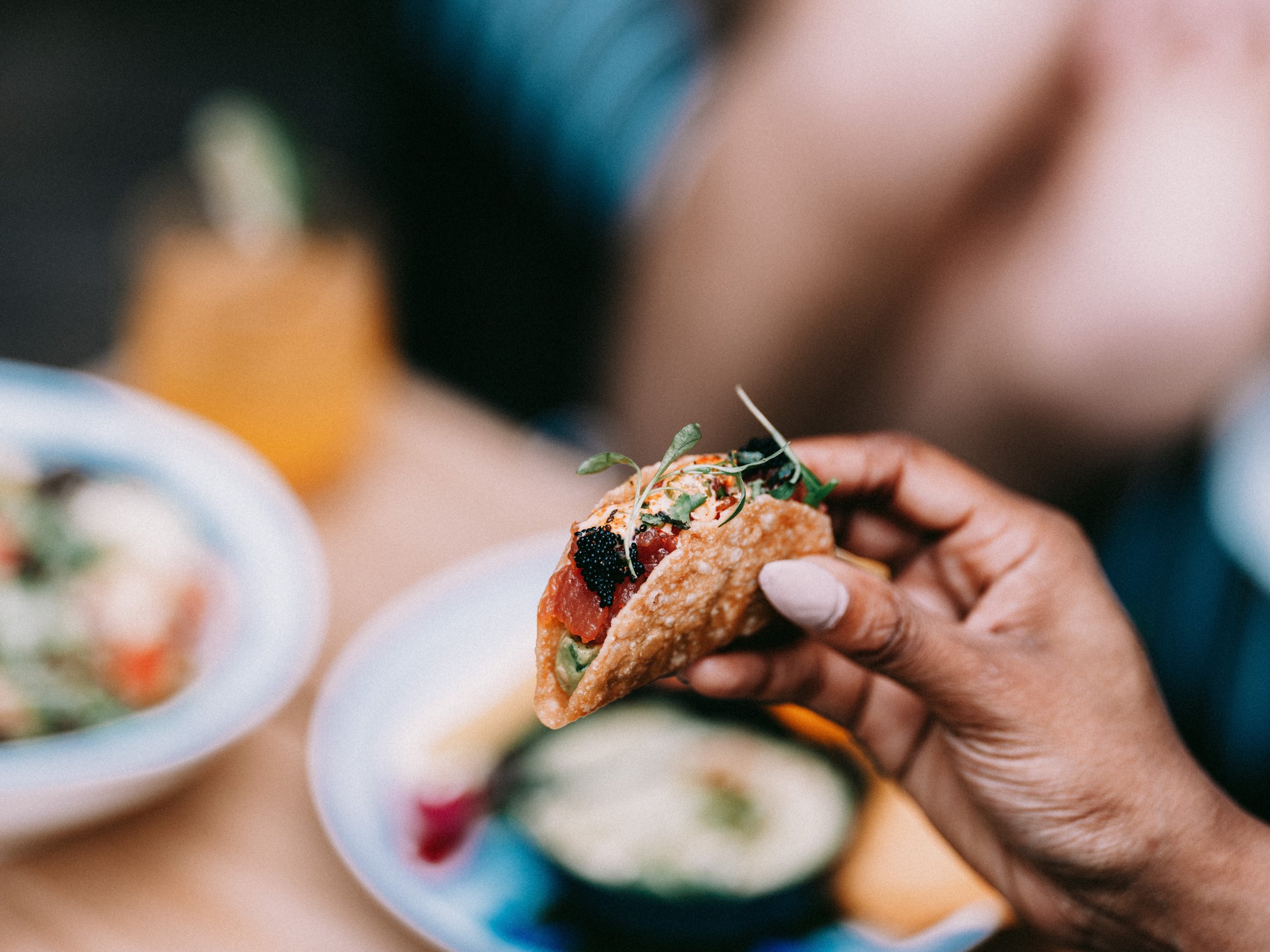
Guests are looking for experiences that feel meaningful, authentic and connected to places. They're less interested in standardised offerings and more interested in hotels that have personality, a strong point of view and experiences they can't find elsewhere.
That applies equally to dining, wellness, design and service. Guests want memorable moments. They want stories they can share. The hotels that create emotional connections are often the ones that achieve stronger commercial performance as well.
Q: What role does design play in all of this?
Design has never been more important. Too often, hotel restaurants and public spaces are designed primarily around operational efficiency. But great hospitality design should also create emotion, encourage interaction and support the overall brand narrative.
Owners are increasingly recognising that well-designed F&B venues can become destinations in their own right, attracting local audiences and generating revenue far beyond hotel guests.
Q: What advice would you give hotel owners looking ahead to the next few years?
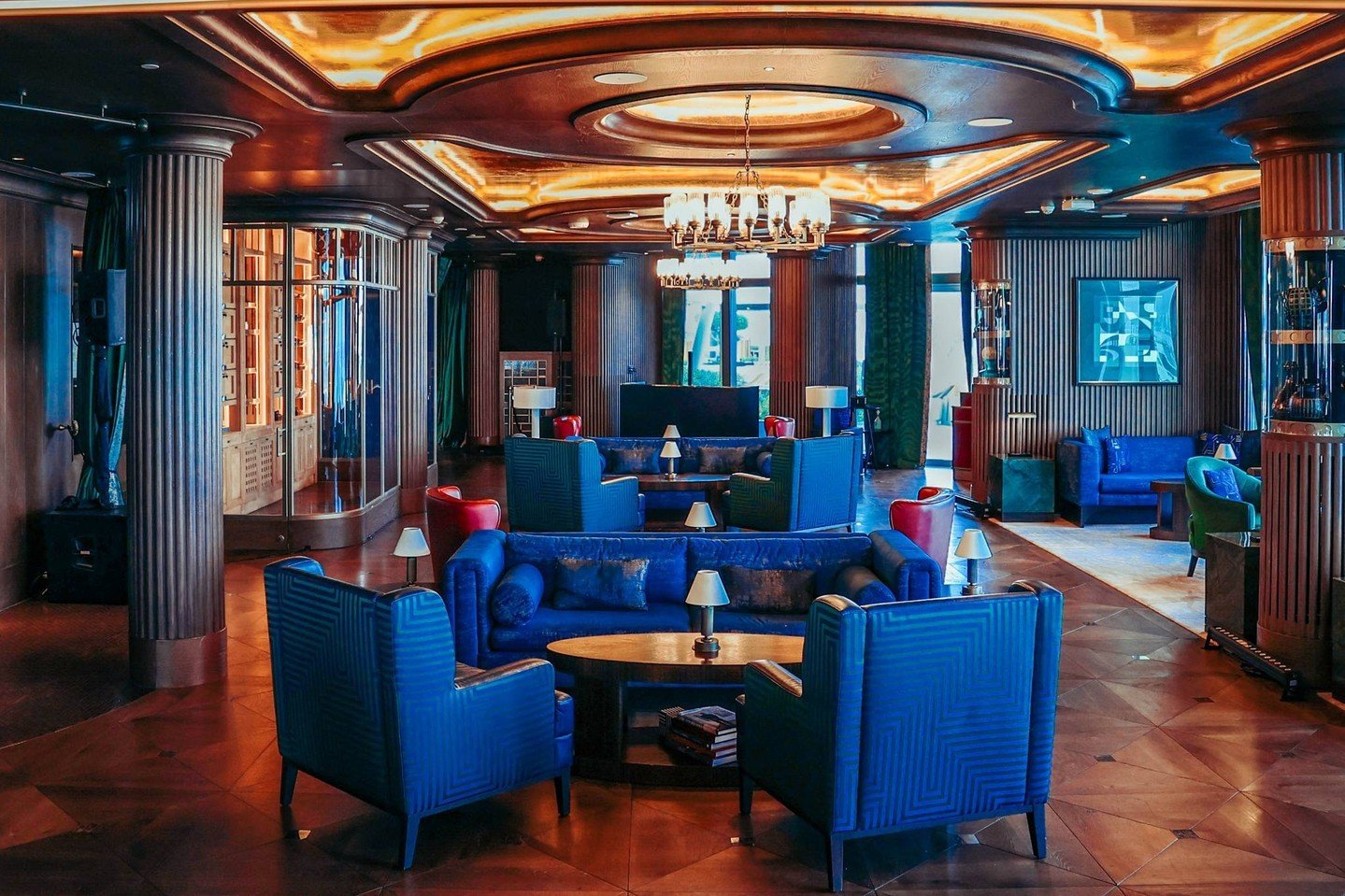
The real focus is differentiation. The hotels that will succeed are those that move beyond seeing rooms as the sole product and instead think holistically about the entire guest experience.
That means investing in distinctive food and beverage concepts, integrating wellness in a meaningful and embedded way, creating strong brand identities, empowering teams, and designing experiences that people genuinely want to engage with. It also means recognising that execution is just as important as strategy: without the right people in place, even the strongest concepts will fail to deliver. Developing these experiences requires talent, creativity, and often collaboration with external partners—whether that is working with established brands, chefs, or personality-driven operators who bring expertise, credibility, and the ability to connect with audiences in a more authentic way.
Increasingly, successful hotels are becoming destination venues in their own right by partnering with brands and individuals who add distinct personality and cultural relevance. These partnerships help elevate the offer beyond traditional hospitality and create spaces that feel curated, social, and connected to wider cultural movements.
Ultimately, the conversation has shifted from occupancy alone to relevance. The most successful hotels will be those that remain aligned with how people want to live, travel, work, and connect in the years ahead, and who are willing to build the teams and partnerships needed to bring those experiences to life.
