-1.png?width=3330&height=698&name=TGP%20International%20Logo%20White%20(1)-1.png "TGP International logo")
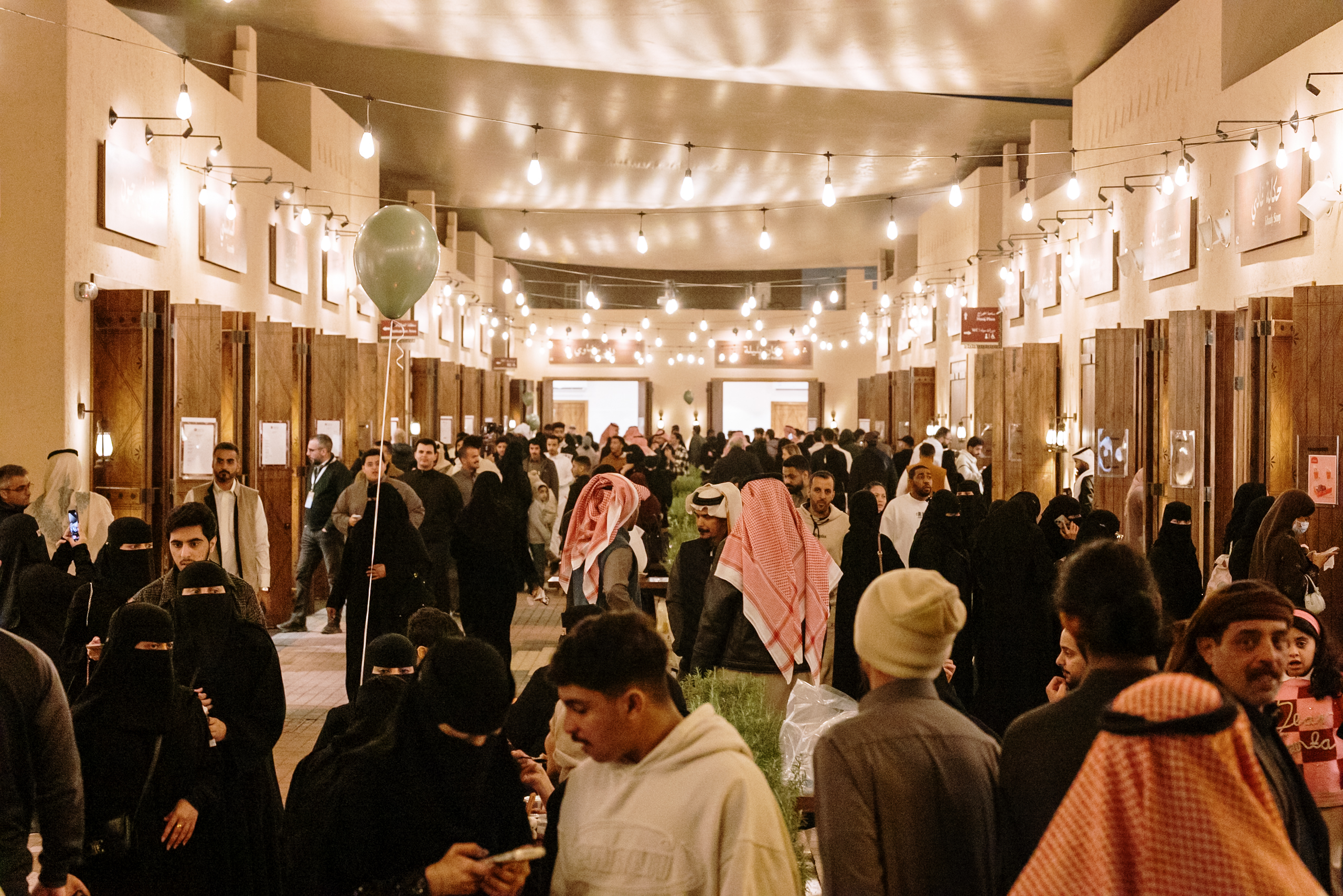
Set within one of Riyadh’s most historic districts, Al Zal is evolving into a cultural anchor that blends heritage with a more contemporary, experience-led way of gathering. Located alongside the Najdi heritage district of Al Daho and connected to the wider city through new infrastructure and tourism growth, it sits at the intersection of past and present.
With a population of over 7 million residents and an ambition to attract 30 million visitors annually, Riyadh is creating space for destinations that feel both deeply local and globally relevant.
Street Food forms a key part of that evolution. Designed as a high-quality yet accessible market, it brings together a diverse mix of cuisines, homegrown vendors and cultural programming. But bringing a destination like this to life required more than a strong concept. It needed a marketing and activation strategy that could build awareness, drive footfall and create momentum beyond opening day.
From launch campaigns and creator-led content to on-ground activations designed to encourage repeat visits, the strategy was built to generate both immediate visibility and long-term engagement. During Ramadan, footfall exceeded expectations, reaching more than double initial targets before stabilising post-season, while evening trade emerged as a key driver of transactions.
In this Q&A, Alexandra Fuidge shares how the marketing and activation strategy was shaped, what drove early engagement, and how Street Food was positioned as a destination designed for repeat discovery.
How would you describe the vision for Street Food?
The vision is to create a place that feels naturally part of Riyadh’s rhythm. Somewhere people can come together without overthinking it, whether that is for a quick visit, a family gathering or a longer evening experience.
There is a clear intention behind the positioning. Street Food has been shaped to feel cosmopolitan, high quality and accessible at the same time. That balance is important because it allows the destination to appeal to a wide audience while still feeling grounded in its setting.
What makes it compelling is how it sits within Al Zal. You already have history, texture and identity built into the location, so the role of the concept is to build on that rather than compete with it. It becomes a continuation of the story rather than a separate layer.
Why does this concept feel so relevant to Riyadh at the moment?
.jpg?width=2200&height=1467&name=0Q9A0086%20(1).jpg)
Riyadh is going through a period of rapid growth, but there is still a strong desire for spaces that feel connected to culture and community.
What we are seeing is a shift towards destinations that offer more than a single purpose. People want somewhere they can spend time, move through, discover different things and feel part of an atmosphere. Street Food responds to that by bringing together food, entertainment and social interaction in one place.
There is also a practical side to it. Demand for more affordable, high-quality options has increased, and the city’s late-night culture continues to grow, particularly around weekends and seasonal moments. When those factors come together, it creates the right conditions for a concept like this to resonate.
Who is Street Food really designed for?
.jpg?width=2200&height=1467&name=AZAB1409%20(2).jpg)
One of the strengths of the strategy is that it does not rely on a single audience profile. It has been built around three key groups: locals and residents, tourists, and leisure seekers.
Each of those audiences comes with different expectations. Families are looking for comfort, value and somewhere that feels easy to return to regularly. Tourists are looking for something authentic, something that reflects the culture of the city rather than a generic experience. Younger audiences are drawn to atmosphere, social energy and places that feel naturally shareable.
The diversity of Riyadh itself also plays a role here. With a large expat population and a wide mix of cultural influences, the vendor offering reflects that, from South Asian and Yemeni to Egyptian, Filipino and African cuisines. That variety helps the destination feel inclusive and representative of the city’s broader identity.
How is the marketing strategy structured across pre-launch, launch and post-launch?
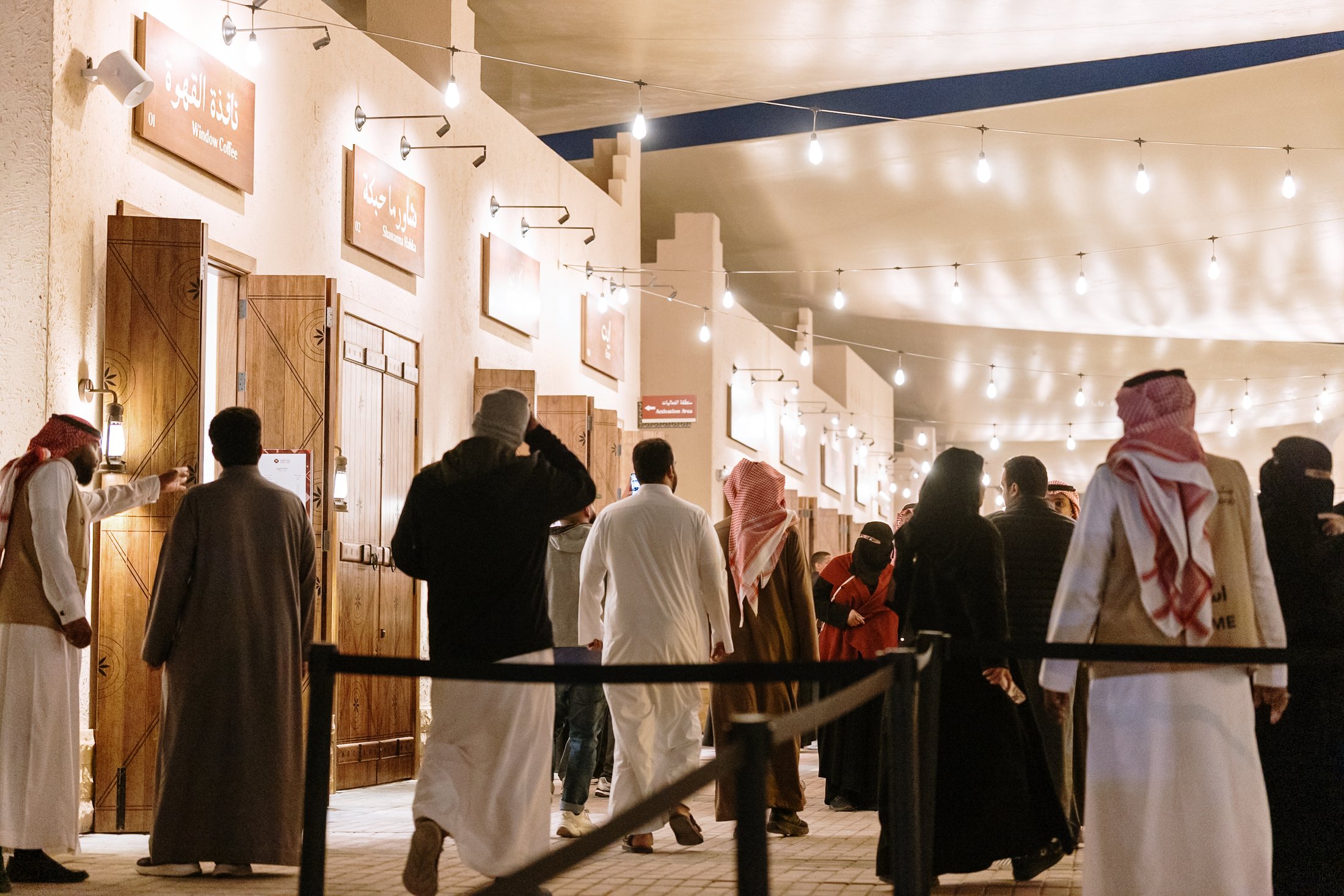
The strategy is structured across three distinct phases, each with a different purpose, which helps create a much more sustainable approach to growth.
The pre-launch phase focuses on building anticipation and local credibility. That is where storytelling plays a key role, introducing the concept, highlighting vendors and starting to create an emotional connection with the community.
The launch phase is about visibility and momentum. It is designed to bring the concept to life through a combination of PR, activations, entertainment and strong visual presence across channels. The goal here is to create energy and conversation, not just awareness.
Post-launch is where the strategy becomes more interesting. The focus shifts towards consistency, with ongoing activations, seasonal campaigns such as Ramadan and Eid, and continuous content designed to encourage repeat visits.
That structure allows the concept to move from curiosity to habit, which is essential for long-term success.
Why are activations and programming so important?
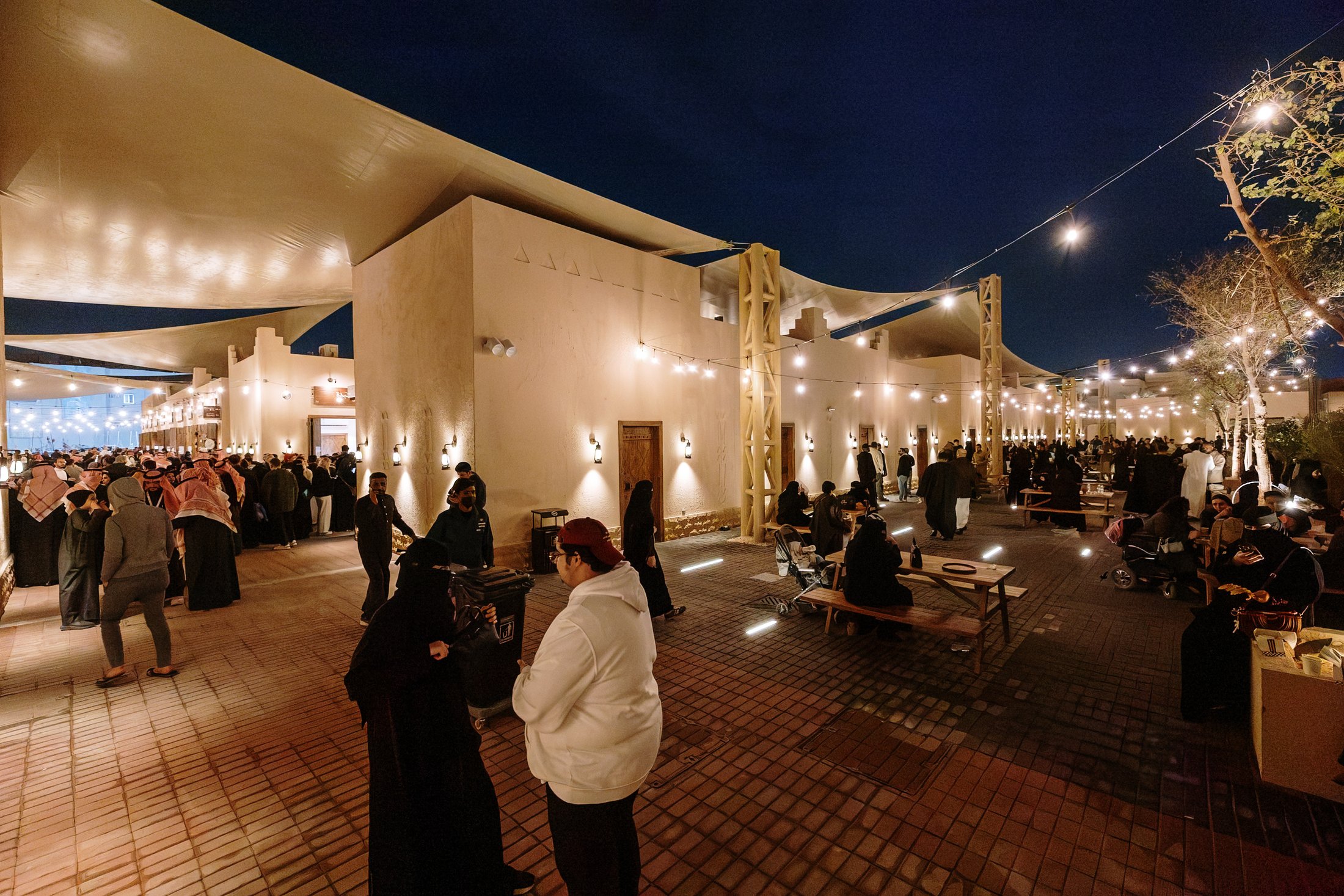
They create reasons to return.
Food might attract people initially, but programming builds momentum over time. Cultural activations, seasonal campaigns and entertainment all contribute to keeping the destination relevant.
There is a strong focus on aligning these moments with key dates such as Ramadan and Eid, which helps anchor the experience within the cultural calendar. That connection makes the destination feel more meaningful and less transactional.
It also allows the concept to evolve, which is important for maintaining interest.
What role does storytelling play in shaping the overall approach?
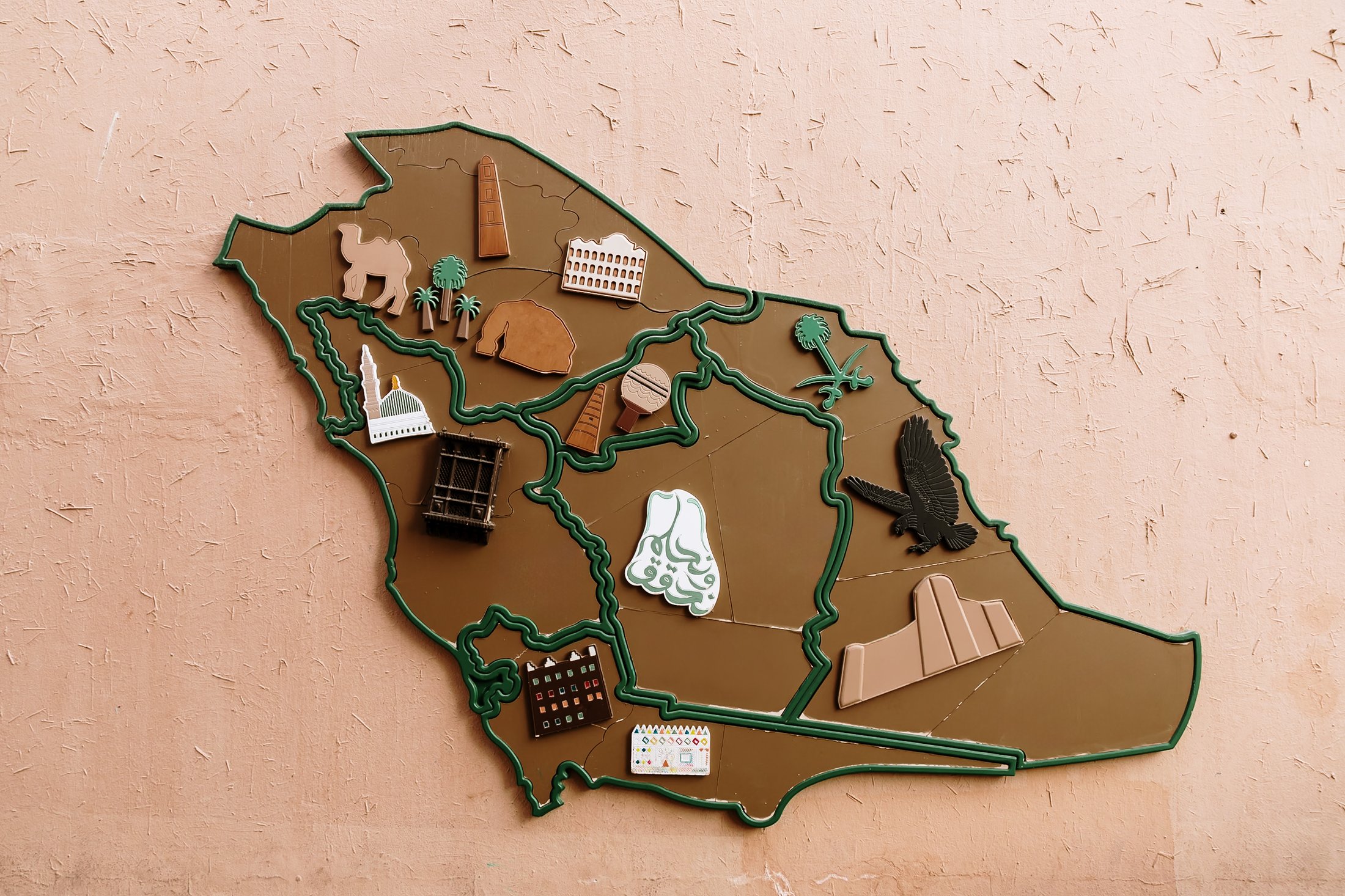
Storytelling is what gives the destination depth. Without it, the concept would rely purely on product and footfall.
There is a strong focus on the people behind Street Food. Vendors and artisans are all part of the narrative, and that makes the experience feel more human. It also allows for a much richer content approach, where the stories behind the food are just as important as the food itself.
This becomes especially valuable across social and PR, where audiences are more likely to engage with something that feels real and personal. It also helps build long-term connection rather than short-term attention.
How do digital and social channels support the wider strategy?
Digital plays a key role, but in a way that feels integrated rather than separate.
Each platform has a defined purpose. Instagram acts as a curated expression of the destination, TikTok captures more spontaneous, in-the-moment content, Snapchat supports real-time, local audience engagement through more immediate and ephemeral storytelling, and other channels support communication, discovery and conversion.
There is also a strong emphasis on user-generated content and engagement. Early targets include generating user-generated content during the launch period, helping build credibility through real experiences rather than only brand-led messaging.
That mix of curated and organic content creates a more complete picture of the destination.
What kind of content feels most effective for a concept like this?

The content needs to reflect the experience as it really is.
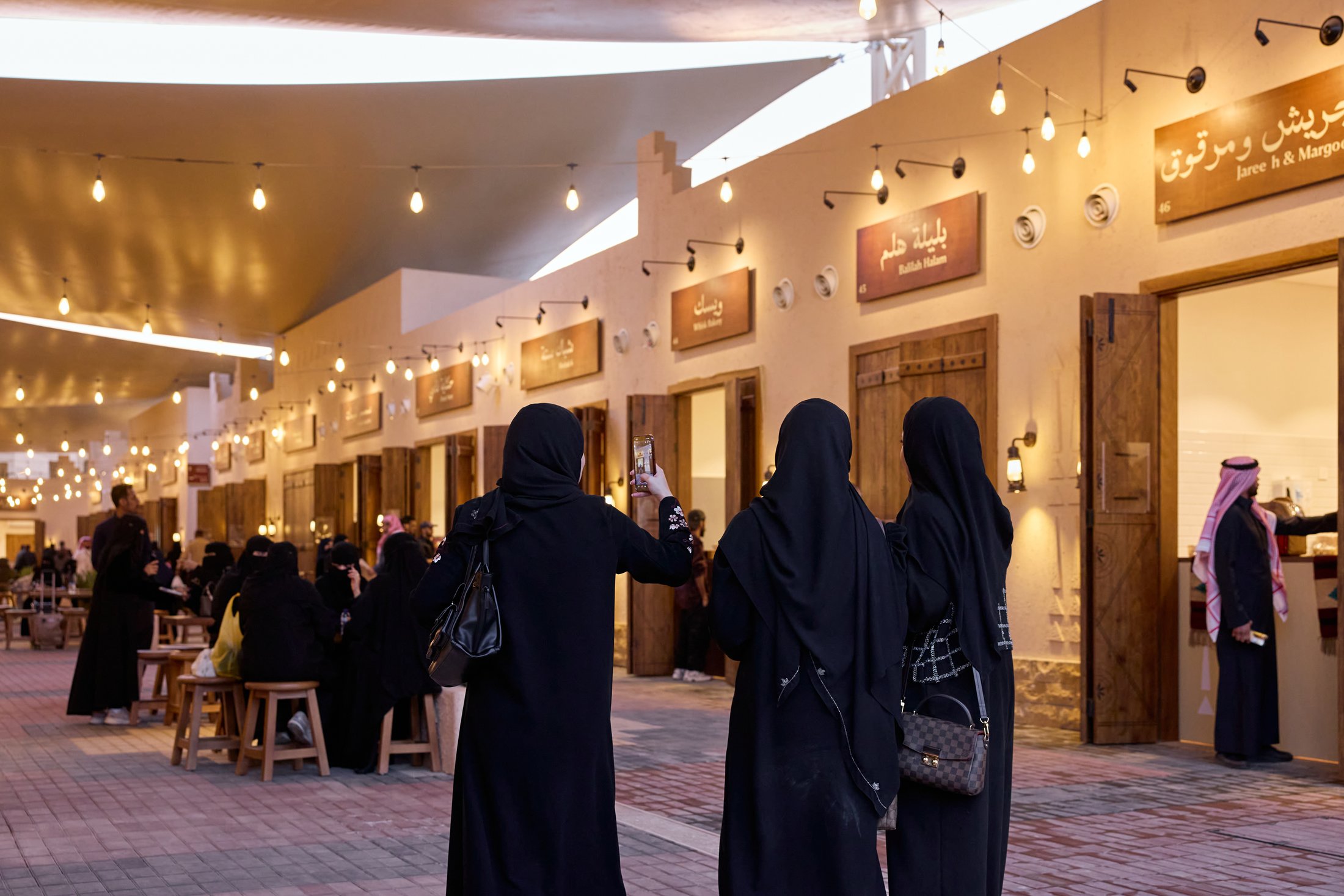
That includes close-up shots of food, moments of interaction, architectural detail and the overall atmosphere of the space, particularly during evening hours. The strategy also highlights the importance of capturing movement and energy, so the content feels immediate rather than overly staged.
There is also a wider layer to it. Showcasing Saudi culture, craftsmanship and everyday moments helps position Street Food as more than just a place to eat. It becomes a window into the city.
How do you balance local relevance with broader tourist appeal?
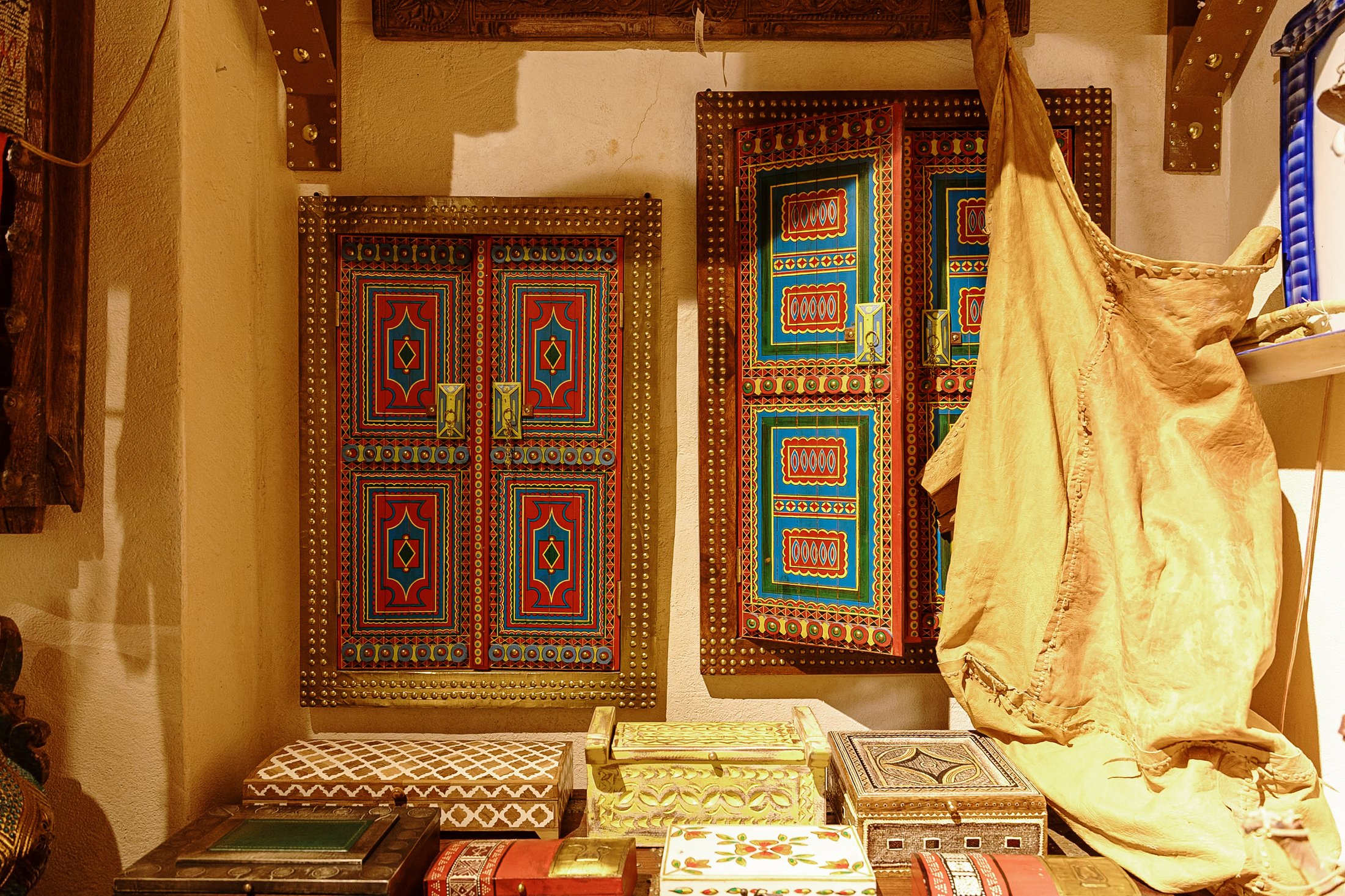
The starting point is always local relevance. When a destination feels authentic to the people who live there, it becomes far more compelling to visitors.
Street Food has been shaped around Saudi culture, homegrown vendors and community storytelling. That gives it a strong foundation. Visitors are not stepping into something that has been created specifically for them. They are stepping into something that already belongs to the city.
At the same time, there is a clear awareness of what attracts global audiences. Visual identity, atmosphere, and storytelling all play a role in making the experience feel discoverable and memorable. The balance comes from allowing those elements to emerge naturally rather than forcing them.
How important are vendors in shaping the identity of the destination?
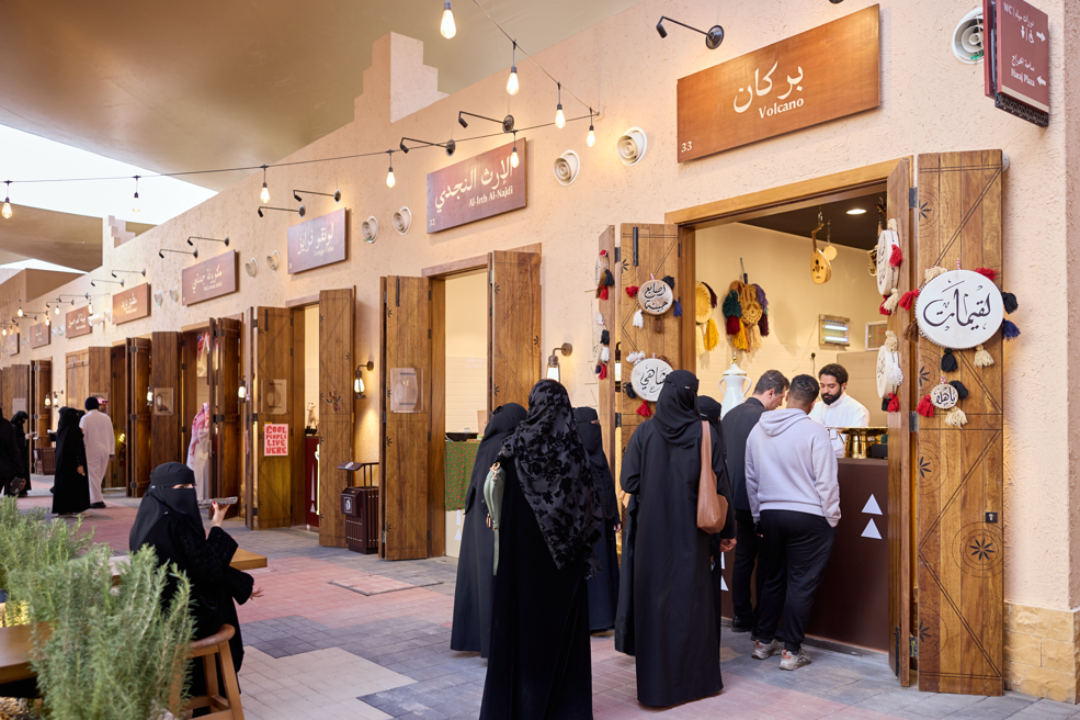
They are central to it. The identity of Street Food is shaped as much by the people behind the counters as it is by the space itself.
The strategy places a clear emphasis on giving vendors visibility, both in terms of the experience on the ground and across content. That includes spotlighting their food and their individual stories.
There is also an important element of fairness in how they are represented. Ensuring that different vendors are featured across channels helps the destination feel collective and balanced, rather than driven by a few standout names.
That approach strengthens the sense of community, which is a key part of the overall concept.
What should a strong launch feel like for guests?
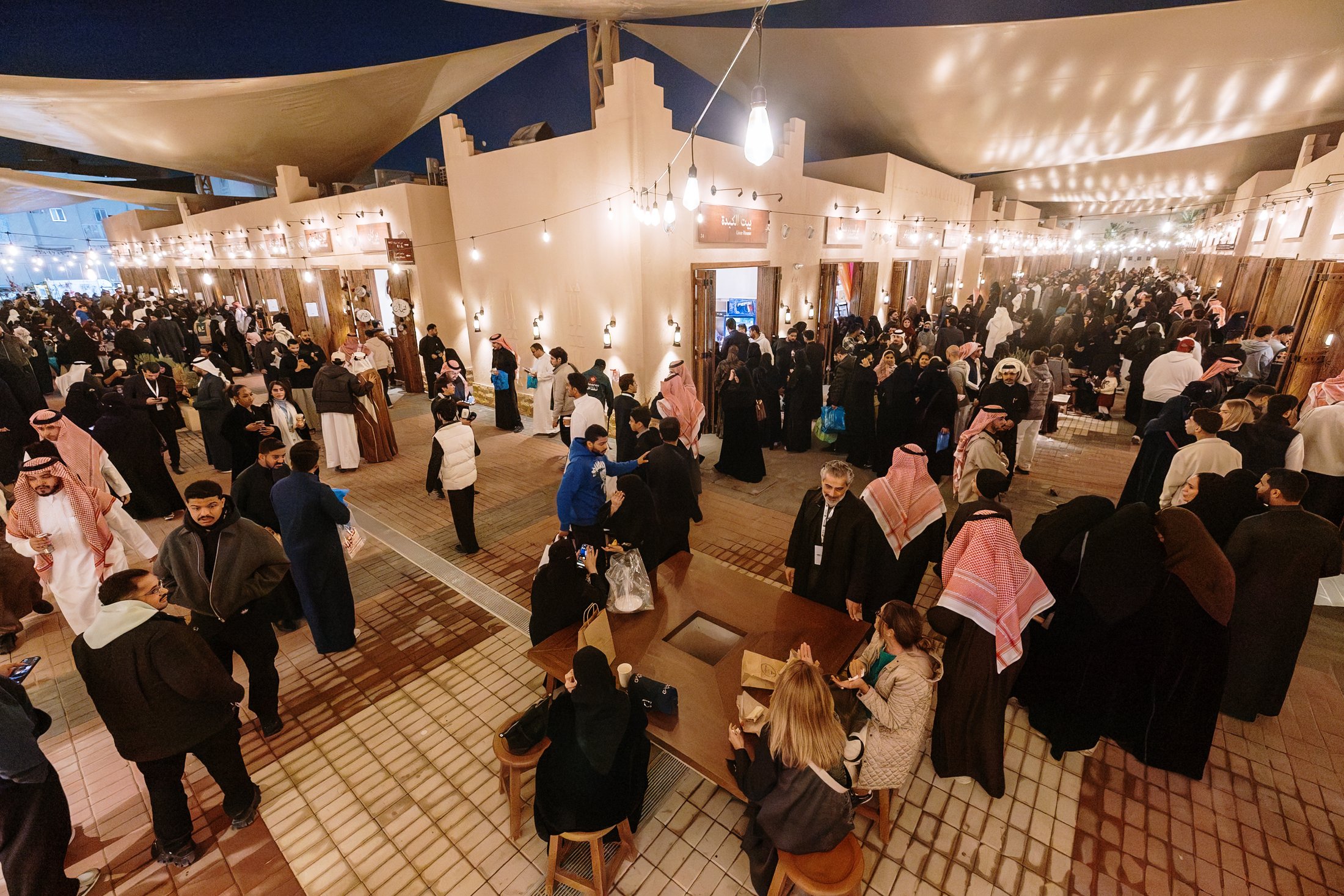
It should feel immersive and full of energy. Guests should feel like they are stepping into something that is already alive.
The launch is designed to go beyond a typical opening. It brings together food, entertainment and cultural elements to create a multi-sensory experience. That might include live cooking, performances or guest appearances, all of which help create a stronger first impression.
What matters most is how people feel when they are there. If the experience feels welcoming, engaging and culturally rich, that is what drives word of mouth and repeat visits.
What does success look like beyond the opening period?
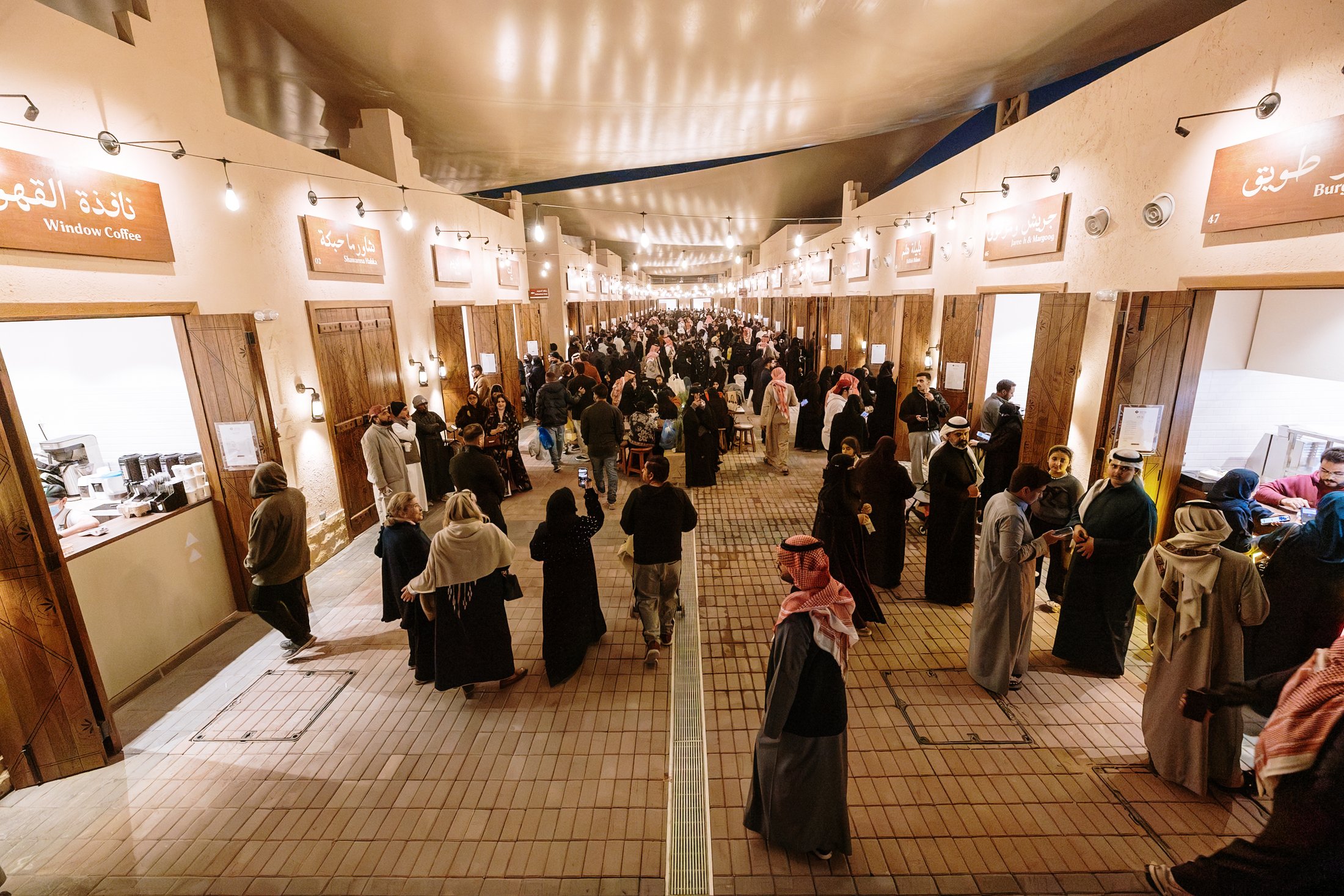
Success is measured over time, not just at launch.
There are clear targets in place, from daily footfall to engagement and repeat visitation. For example, achieving consistent daily visits and strong evening trade helps indicate that the destination is becoming part of people’s routines.
At a broader level, success means being recognised as both a local and tourist destination. It means people choosing to return, recommending it to others and seeing it as part of their regular social life.
What gives Street Food the potential to stand out long-term?
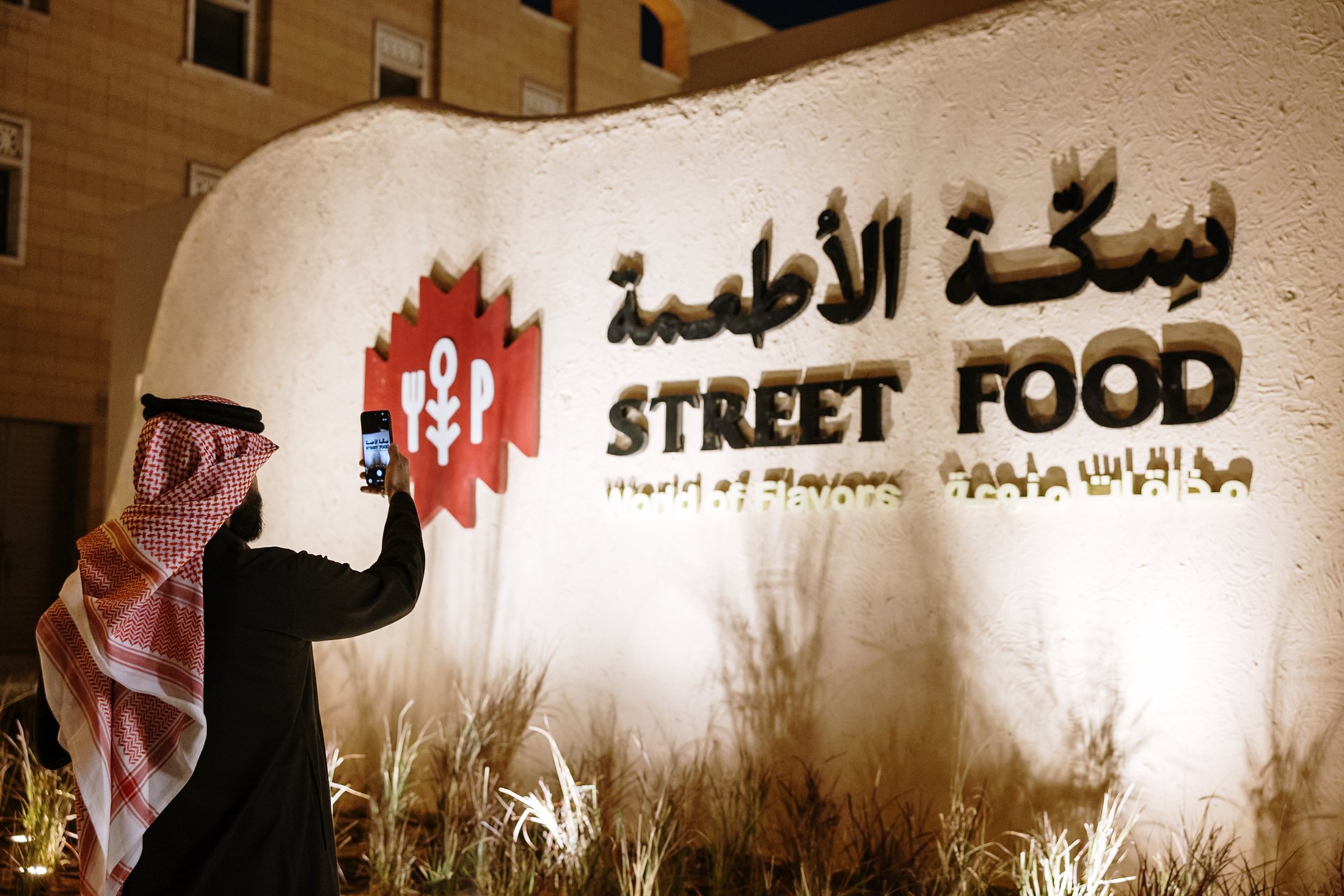
Its strength comes from how all the elements work together.
There is a clear strategy, strong positioning, a well-defined audience, and a location that already carries cultural weight. When those factors are aligned with consistent programming and storytelling, the destination has a much stronger chance of lasting beyond the initial launch period.
What will define its success is how well that consistency is maintained. If the experience on the ground continues to reflect the thinking behind the strategy, Street Food has the potential to become something people associate with Riyadh itself, rather than just a place they visited once.
-1.jpg?width=596&name=DSC03143%20(1)-1.jpg)
.jpg?width=596&name=DSC08559-Edit%20(1).jpg)
