-1.png?width=3330&height=698&name=TGP%20International%20Logo%20White%20(1)-1.png "TGP International logo")
Cafe & Bakeries,
UAE
Hotels are looking at their F&B more seriously than they have in years. With many properties using extended closures and refurbishment cycles to reset, the menu—left on autopilot in plenty of operations—is now back on the agenda.
In this Q&A, TGP’s Culinary Director Ivan Sabol shares how he approaches menu development across all-day dining, destination restaurants, banqueting and in-room service, and what separates the menus that work from the ones that just sit on a stand.
What Makes a Great Hotel Menu?
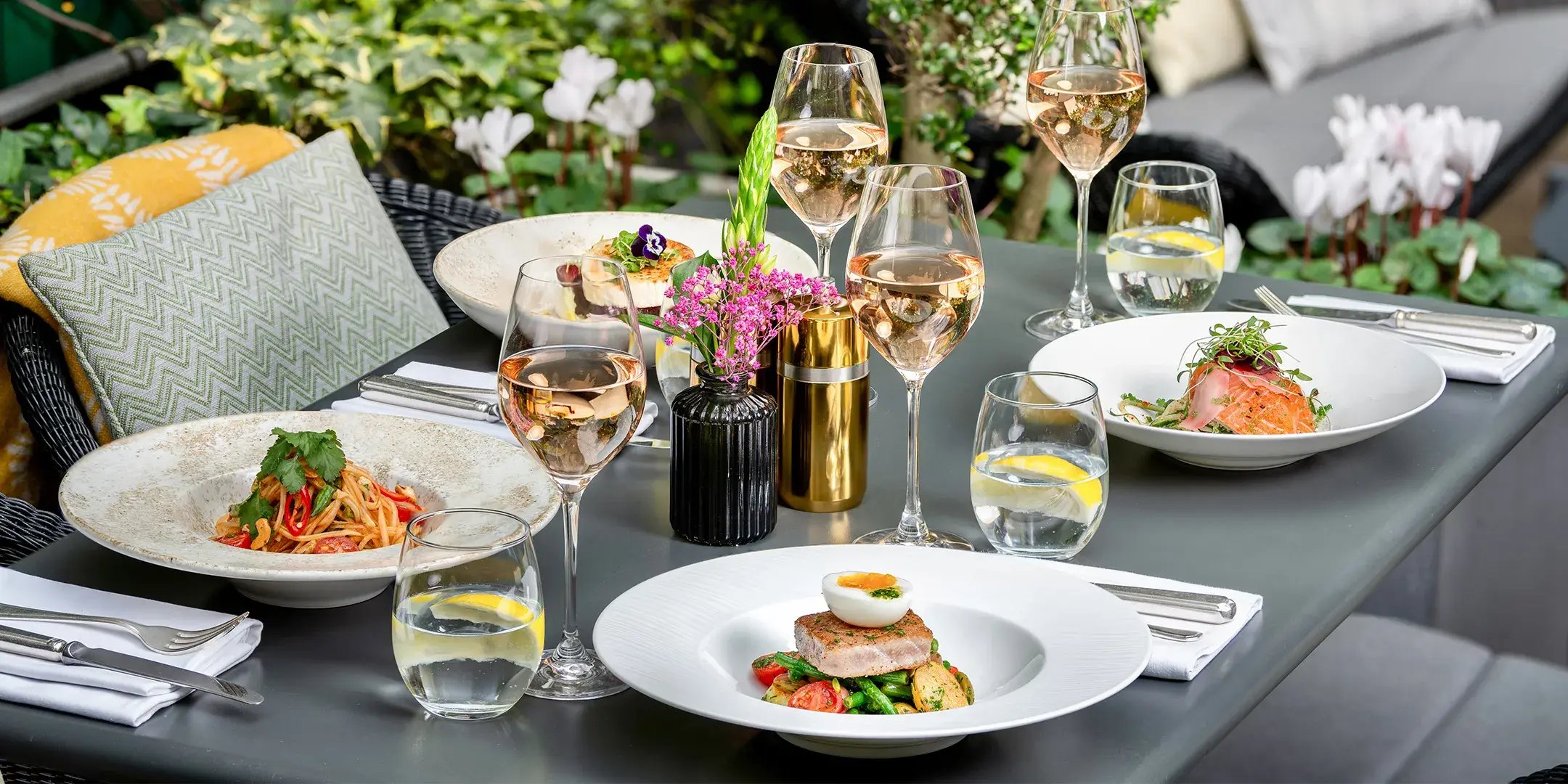
A lot of what tells you a menu is going to work is visible before you’ve ordered anything and most of it is easy to spot once you know where to look.
The first signal is whether the menu looks lived-in or set in stone. Print runs that lock a kitchen into the same dishes for twelve months usually mean rotation isn’t happening, seasonality isn’t being respected, and the team has stopped questioning what’s on the page.
The second is how the menu reads. There has to be enough creativity in the writing and composition to give a guest a reason to engage, but the descriptions should sit in service of the dish, not in front of it.
Are the classics positioned with intent, or just included? Is the emphasis on the ingredient or on the technique? Both can work - it just needs to be a deliberate choice that fits the venue.
The third—and the one that often separates the better operators—is whether the menu has been built to make the restaurant a destination in its own right rather than just a catchment for hotel guests. The hotel guests will come anyway. The more interesting question is whether anyone else does.
How Do You Begin the Menu Design and Development Process for a Hotel?
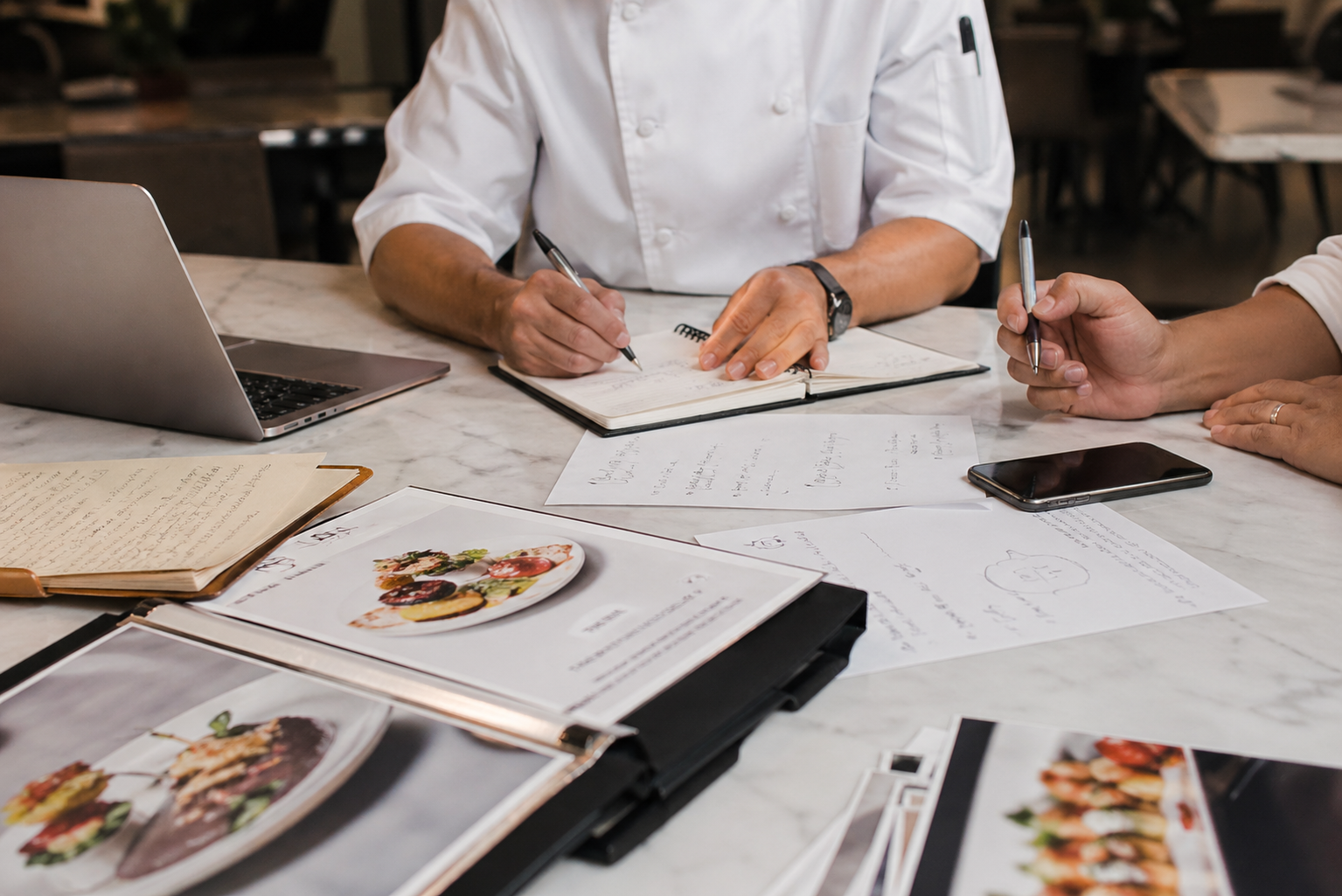
It starts with bearings, not with dishes. Before thinking about the menu itself, you want a clear read on the environment: how many covers can the property realistically deliver, what is the kitchen physically capable of, what is the blend of other F&B operations across the hotel, and where are we—luxury resort, urban lifestyle property, business hotel, mixed-use development.
There isn’t one model that works for every property, and the difference between a luxury resort and a city business hotel is felt in every part of the menu, from how breakfast is structured to how dessert is priced.
From there, seasonality. Guests register fresh, seasonal ingredients as a quality and health signal even when they don’t articulate it, and a menu that respects the calendar tends to outperform one that doesn’t.
Then the historical sales mix, looked at honestly. Two restaurants under the same name in two different hotels rarely behave the same way. A sports bar in one property and a sports bar in another can have completely different best-sellers because the guest profile is different.
The data tells you which dishes that particular guest profile actually wants, and the right answer is to build from that rather than impose a generic format on top.
Whether breakfast should be buffet, hybrid or à la carte is a good example of why the diagnostic comes first. A property doing a thousand covers a day for breakfast is a completely different operation from one doing eighty, and the menu has to be built for the volume that’s actually moving through the room - not a template borrowed from somewhere else.
Greenfield projects are a different conversation, and one we’re seeing more of. When TGP International is brought in early on a full 360 services brief—before the property is built, before cuisines are decided, before the kitchen footprint and adjacencies are fixed—the F&B isn’t being retrofitted around the architecture; the architecture is being shaped around the F&B.
There’s no historical baggage, no operational blockers carried over from a previous concept, no kitchen sized too small for the menu it’s being asked to deliver. F&B can sit at the centre of the destination strategy from the start rather than being an amenity squeezed into the space left over once the rooms and the lobby are drawn.
The discipline shifts from diagnosis to design, but the principles behind both are the same. Once those bearings are in place, the menu starts to write itself in a way that fits the property rather than being imposed on it.
How Important Is a Clear Understanding of the Guest in Shaping the Menu?
The guest profile sets almost everything else. Dietary needs, cultural expectations and pace of service are the practical end of it, but there’s also a question of mindset. What does the guest want to be doing in this room?
A business traveller at breakfast wants speed and familiarity, not discovery. The same guest at dinner two days into a leisure stay is a different person with a different appetite for being surprised.
The menu has to know which one is in front of it. Get the read right and the menu feels considered rather than generic. And considered is what guests pay extra for, even if they wouldn’t put it that way.
What Role Does Brand Positioning Play In Menu Development Across Multiple Outlets?
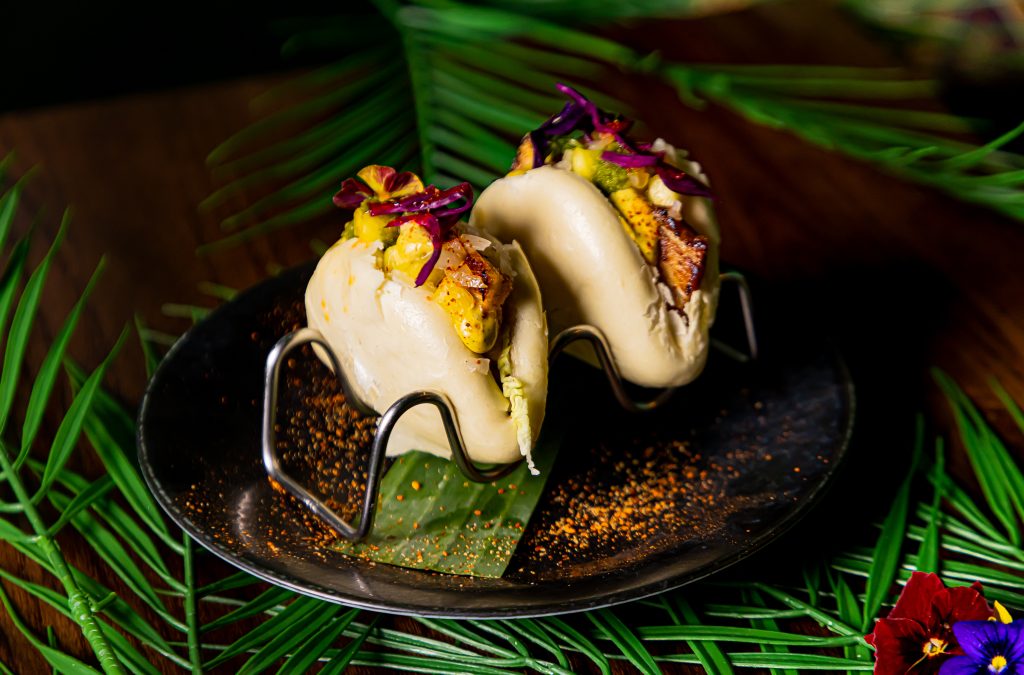
Strong hotels usually run several distinct F&B outlets—destination restaurants, a rooftop bar, all-day dining, room service, banqueting—and each one needs its own clear identity.
The strategic question is how to give each outlet its own voice without letting the outlets compete with each other for the same dish. Small overlaps are unavoidable and often welcome. A beef burger in the American restaurant and an Asian-style wagyu burger in the pan-Asian outlet, for example, are different enough to belong in different places. What guests notice is when the same dish appears under two names with cosmetic changes.
The cohesion happens behind the scenes. Procurement, prep and cross-utilisation of ingredients and skills should connect the operations, but the guest-facing menus should each stand on their own. When that’s working, the property feels like several considered restaurants under one roof rather than one menu split across several rooms.
The bigger strategic question is whether the F&B can be a destination in its own right. Name on the door and location do most of that work. Hotels with a major chef-led restaurant attached can pull guests to a town purely on the food. Without that brand pull, the restaurant has to earn destination status the harder way: through concept, leadership and consistency over time.
There’s a related question worth raising for ownership groups, which is how a chef-led brand is set up operationally. The strongest results tend to come when the brand operates with the autonomy of a proper franchise; outcomes can be less predictable when a chef brand is run on a fully blended hotel structure, simply because the reasons people booked the brand in the first place can be harder to protect.
It’s not a one-size answer, and the right model depends on the property and the partnership. And the most consistent results tend to come when the operating model is chosen with the brand experience in mind from the start.
How Do You Balance Creativity With Commercial Performance?
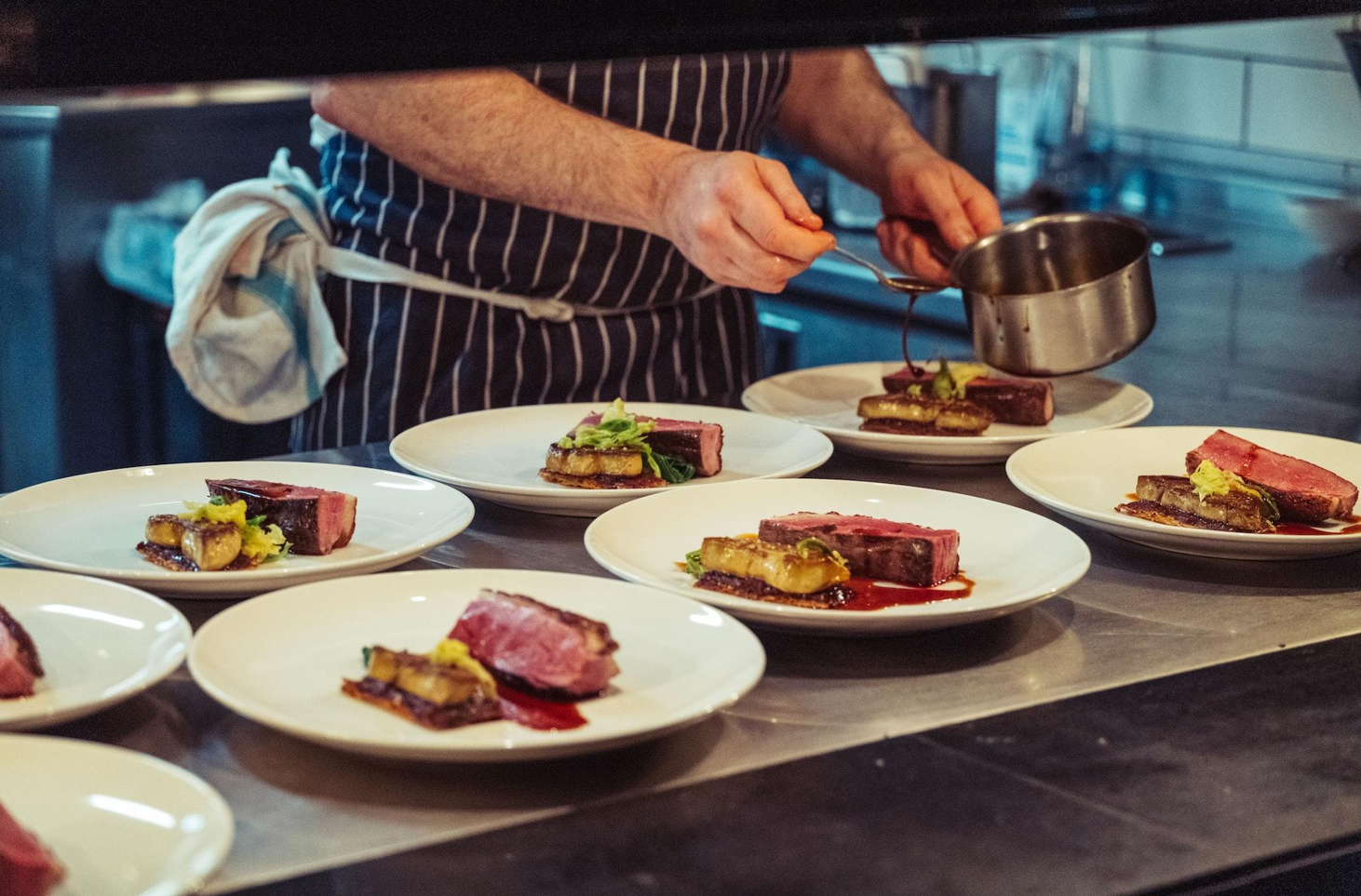
Creativity and commercial discipline aren’t opposites, but they get treated like they are, and that’s where things start to drift.
The guardrails are real. Recipe standardisation, portion control and food cost analysis matter because a beautiful idea that’s too complex to execute, too expensive to produce or too inconsistent in service won’t last. But the inverse is also true: a menu run purely on the numbers eventually loses the thing that made guests care.
The strongest teams treat creativity as something that comes from constraints rather than from new budget. Using the kitchen and the team you already have to their full potential, better cross-utilisation, sharper sourcing, tighter execution on dishes already on the menu, usually delivers more than chasing trends or adding lines.
How Do You Approach Menu Variety Without Overcomplicating The Operation?
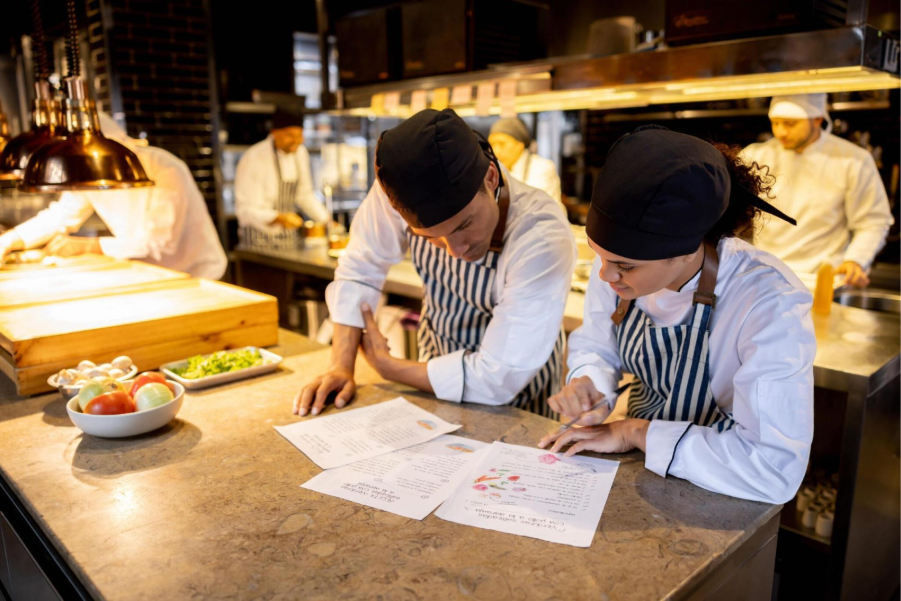
Restraint is one of the more underrated tools in F&B. The instinct is that more choice pleases more guests, but past a certain point it does the opposite, it dilutes the concept, stretches the kitchen and forces inconsistency into the dishes that should have been the heroes.
As menus grow, the operation has to find ways to keep up. A broad international all-day offer run from a single kitchen will usually rely on some pre-prepped, frozen or bought-in components to make the numbers work.
That’s not always wrong, but it should be a deliberate choice rather than a side effect of trying to do too much.
A model that works well is to lock in roughly 30% of the menu as a stable core, the dishes that define the restaurant. Then let the rest move with seasonality, sourcing opportunities and guest feedback.
Cross-utilising herbs, spices and base preparations across the flexing portion lets you keep creativity high without multiplying the prep list. The trap on the other side is a broad menu that sits unchanged year on year. This is like playing the greatest hits on a bad speaker. The team can still execute it, and the guests still recognise it, but it stops feeling like a place where anything new or exciting is happening.
Variety still matters. It just needs to be purposeful. Enough range to cover different needs, but curated tightly enough that the kitchen can deliver every dish properly every time.
Learn About Our Management Services
How Can Seasonality Shape Menu Updates?
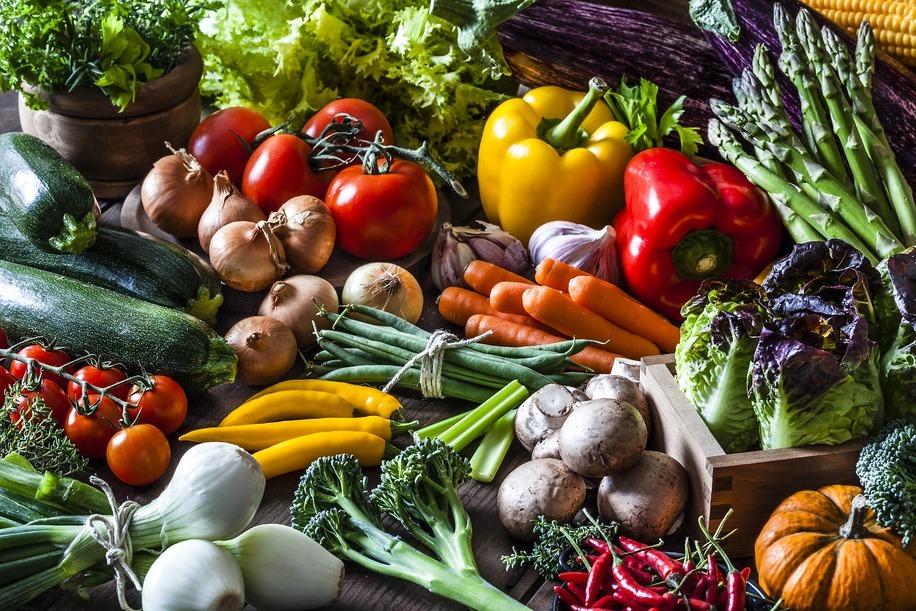
Seasonality is one of the easier wins for an operator who wants to refresh without a full overhaul. Guests respond to fresh, seasonal product as a quality signal, and rotation tells them the restaurant is alive rather than coasting.
The tension is between standardisation and flexibility. Standardised menus built around consistent, high-volume ingredients support efficiency, cost control and predictability. Local and seasonal sourcing is harder. Availability fluctuates, volumes are less predictable, and procurement has to work more closely with the kitchen and bar than they’re often set up to.
The way to reconcile the two is back to the 30/70 split. Build standardisation into the core that defines the restaurant, and let the flexing portion of the menu carry the seasonal and local product.
That gives you the operational stability of a consistent menu and the freshness of one that moves, without forcing the kitchen to redesign every dish on a rolling basis.
What Are Some Common Mistakes Hotels Make When Developing Menus?
The biggest mistake isn’t on the menu itself, it’s in the room where the menu gets approved.
Hotels can fall into a comfortable rhythm where occupancy, food cost percentage, payroll variance and audit scores dominate the conversation, and the actual food becomes a secondary concern. When a property is sitting at 92% occupancy for next week, there is less natural pressure to question whether the all-day menu has anything memorable on it.
The commercials matter. They always matter. But if every voice around the F&B table is focusing on the numbers, creative thinking can be deprioritised. The default becomes leaving the menu alone because it’s still hitting its targets, and over time the offer drifts towards safe and forgettable.
The second pattern is corporate-led activations that haven’t been built with the operators. New menus or concepts pushed down from above tend to hit the kitchen as additional cost, additional staffing and questions nobody answered first.
The fix isn’t to skip the operator conversation, it’s to bring them in early and treat their pushback as the brief rather than the obstacle. The activations that work are the ones where operators feel ownership over the result by the time it goes live.
Procurement and finance are sometimes framed as the brake on creative ambition. In practice they often act as multipliers when brought in early. A strong finance function is what enables better sourcing, sharper RFQs and accurate forecasting, which are the things creativity actually needs to land at scale.
The job is to bring procurement and finance into the menu conversation with a clear ROI and a vision they can buy into, so the conversation moves from cost control to enabling the better product.
And finally, trying to be everything to everyone is one of the biggest mistakes operators are making. Menus that try to cover every cuisine, every dietary preference and every occasion usually end up doing none of them well. The harder discipline is deciding what you want to be known for and trusting the focus.
How Do You Test Whether A Menu Is Working?
.webp?width=2200&height=1570&name=Screenshot%202025-04-10%20at%2018_04_36%20(2).webp)
A menu is working when guests are choosing from it the way you intended and the kitchen is delivering it the way you designed. The test runs at two levels, the shape of the menu as a whole, and the performance of the dishes inside it. And there are two lenses—guest first, operator second.
At the menu level, the questions are about shape and signal. Is the menu the right length for the kitchen and the guest profile? Is it long enough to feel substantial, short enough that the team can execute every dish properly?
Does the pricing distribution match what guests are looking for at each level, or are there gaps that force them to trade up or out? Are there anchor dishes that define the offer, or is everything competing for the same attention?
For all-day operations, does each part of the day pull its weight, or is breakfast carrying a lunch the kitchen has stopped backing? The full sales mix tells a story the individual dishes don’t.
It’s important to ask which sections are doing the work, where margin is concentrated, which dishes are stars, which are cruising on familiarity, and which quietly aren’t earning their place. Servers hear another version of the same story: which sections guests skip, which dishes always need explaining, which recommendations land.
Then zoom in. The same two-lens approach applies dish by dish. Start with how a guest would encounter it. How is it written on the menu? Does it fit the rest of the offer? What has the guest feedback been? Would I order it sitting in the room? Has the team tried to tick a box (a vegan option, a healthy choice) and missed the mark? You’re checking whether the dish has any reason to be ordered in the first place before you check anything operational.
Then go behind the pass. Look at the mise en place. Is the team trying too hard with this one dish? Are there too many components, too much complication relative to its place on the menu? What was the original thinking behind including it? Has it been 86’d more than once in last two weeks because the ingredients aren’t reliably available? Does it sell only in the slow window between lunch and dinner, and if so, what does that tell you about the dish, the price or the portion? When it stopped selling, did the kitchen quietly start cutting corners on freshness to manage the wastage?
Cross-property analysis is where the most useful diagnostics often come from, at both levels. If a fresh Canadian lobster dish is selling well in one outlet at a higher price but a lobster thermidor in another outlet isn’t moving, the lobster isn’t the problem. If the same dish appears under a different name in two outlets, how is each one performing? The answers usually point to something more interesting than the menu in front of you.
Experience tells you which call to make. The data tells you when to make it.
What Advice Would You Give Hotels Looking to Strengthen Their Menus Today?
The best moment to look at your F&B properly is when you’ve stopped being too busy to question it.
Many properties are using current refurbishment and reset cycles to revisit decisions that have been on autopilot for years and that’s the right instinct. Sometimes what’s needed is a full overhaul, sometimes a rebuild of one or two outlets, and sometimes just a refresh.
The real work is being honest about which of those you’re facing rather than defaulting to the answer that suits the budget or the calendar.
Whatever the scale of change, the underlying issue tends to land in one of three places. Sometimes it’s a skills issue, for instance the team needs training, SOPs or proper recipe documentation.
Sometimes it’s an ingredients issue such as supplier set-up, freshness, or how procurement is actually flowing. And sometimes it’s a concept issue—the offer no longer fits the property or the guest, and the menu is the symptom rather than the cause.
Knowing which of the three you’re solving for is the work that has to happen before any new menu is written. From there, a handful of practical things to keep in mind whatever the scale of change you’re working with.
Decide what you want to be known for. The instinct is always to broaden the offer to capture every guest, but the strongest hotel F&B operations earn their reputation by being clear about what they do well and trusting the focus. Pick the food story each outlet should tell and let the dishes that don’t serve it go.
Also get the right people in the room early. Menu strengthening succeeds or fails on buy-in across the property. This means bringing in the executive chef, F&B director, procurement and finance into the conversation at the development stage rather than at sign-off.
Build flexibility into the menu structure. Menus designed around twelve-month print cycles lock the kitchen out of seasonality and remove the everyday reasons for the team to keep questioning the offer.
Treat training, SOPs and recipe documentation as creativity enablers, not paperwork. Clear standards are what allow chefs to push the menu forward rather than spending their energy holding the line. Underinvesting here is one of the quieter ways menu quality drifts over time.
Finally, get a fresh set of eyes on what you’ve stopped seeing. Even the strongest in-house teams develop blind spots. A structured external review, guest sentiment, sales mix, mystery dining, honest feedback from the floor—all of this surfaces what the people closest to the operation no longer see clearly.
Hotels that look at their menus deliberately and regularly tend to outperform the ones that wait for something to break. The right scale of change is a question worth asking long before it becomes a problem worth solving.
