-1.png?width=3330&height=698&name=TGP%20International%20Logo%20White%20(1)-1.png "TGP International logo")
Restaurant design is no longer just about aesthetics. It has become a commercial and behavioural tool that directly influences how guests feel, move, spend and return.
Across the industry, there has been a clear shift in expectations. Guests are no longer driven purely by food quality or service alone, but by the overall experience and how it supports their sense of comfort, wellbeing and connection. Dining has become more immersive, more intentional and more closely tied to lifestyle.
Here are five key restaurant design trends shaping the future of hospitality.
1. DESIGN FOR WELLNESS
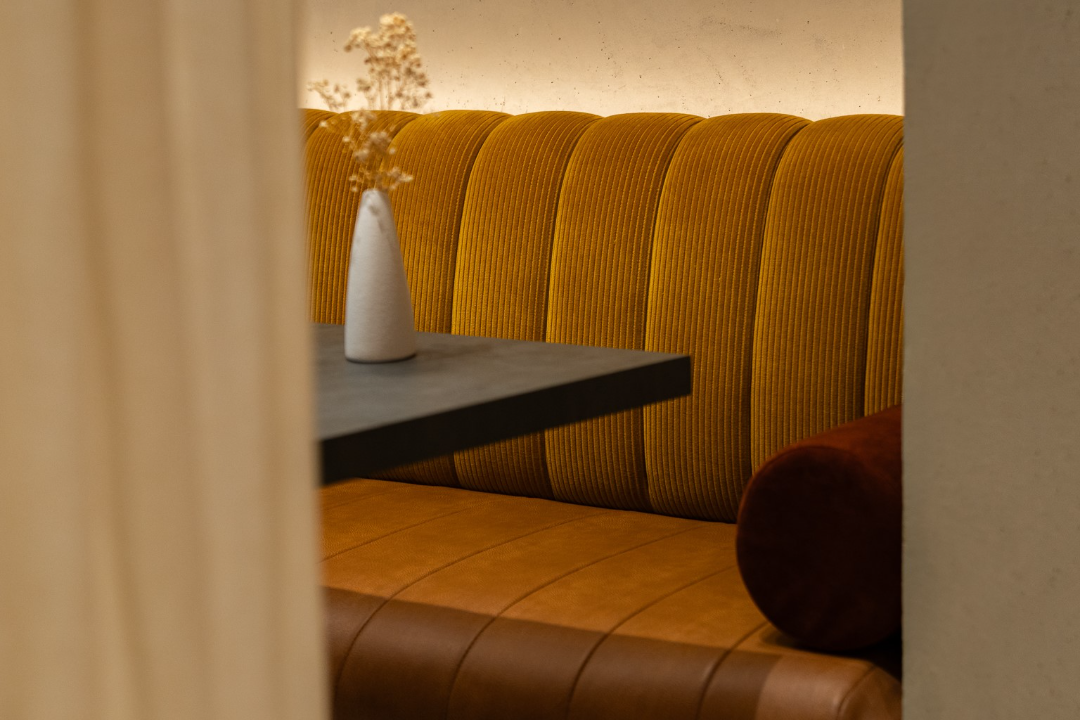
Simply offering a pleasant ambience is no longer enough. Today, leading restaurants are designing for measurable wellbeing impact.
This includes air quality, natural and layered lighting, acoustic control and the use of materials that feel both comfortable and authentic. These elements work together to reduce stress, improve comfort and create environments where guests want to stay longer.
Wellness also extends beyond the physical environment. It connects with menu design, pacing of service and the overall guest journey. A space that feels calm, intuitive and balanced enhances how food is perceived and how the experience is remembered.
- Menu design: Seasonal, balanced options with clear choices
- Pacing: Comfortable, unhurried service flow
- Layout: Spacious, low-noise environments
- Lighting & sound: Soft lighting and controlled acoustics
- Service style: Attentive, unobtrusive staff
- Guest journey: Smooth, low-friction experience from arrival to departure
From a commercial perspective, the impact is clear. Spaces that prioritise wellbeing tend to increase dwell time, encourage higher spend and drive repeat visits. Design, in this sense, becomes a direct contributor to revenue rather than a purely aesthetic investment.
2. EXPERIENCE-LED, MULTI-ZONED SPACES
Restaurants are no longer single-use environments. They are becoming layered, multi-zoned spaces that adapt to different needs throughout the day.
This approach allows operators to cater to a wider range of customer types, from solo diners and remote workers to social groups and families. Zoning creates distinct atmospheres within one venue, shifting from fast-paced, functional experiences to more relaxed, social settings without requiring a complete transformation of the space.
Flexibility is central to this trend. Spaces that can evolve across dayparts naturally unlock more revenue opportunities, increasing utilisation and extending trading hours. Increasingly, this also includes the integration of retail within hospitality environments, creating hybrid formats that combine dining, takeaway and product-led experiences.
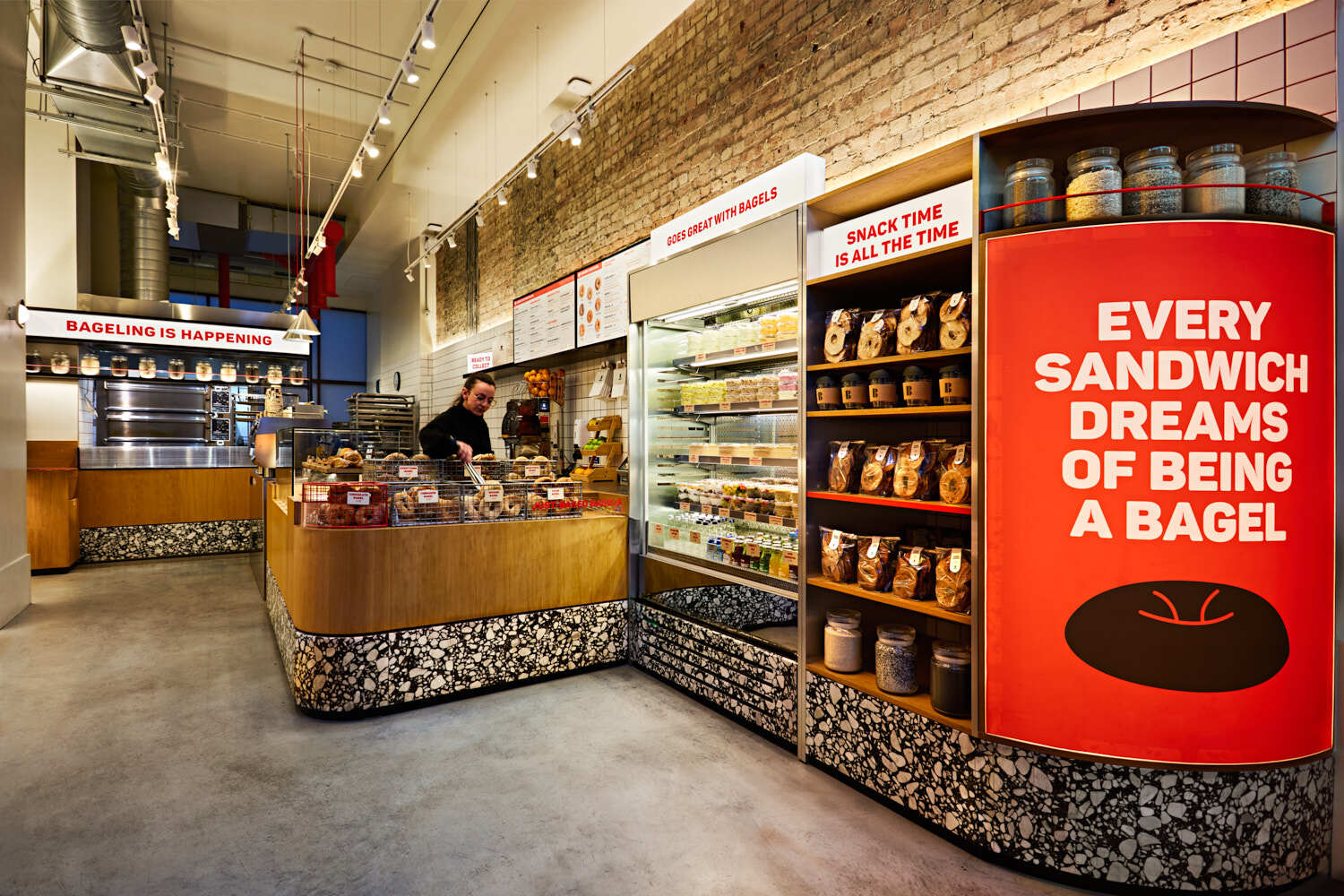
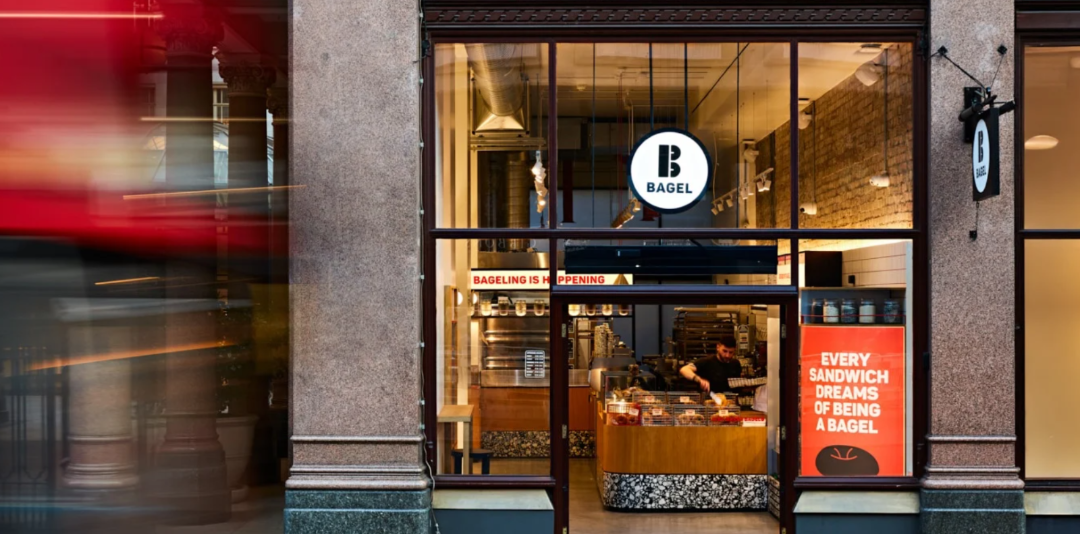
This is clearly demonstrated in TGP International’s work with B Bagel, a fast-casual concept rooted in the tradition of handcrafted bagels. The challenge was to create a scalable store format that could operate efficiently across multiple London locations while maintaining a strong and consistent brand identity.
In response, we developed the “Bagelry” concept, transforming each location into an immersive, experience-led environment where customers can see, smell and engage with the bagel-making process. Open kitchens and clear sightlines bring transparency to the traditional boiling and baking method, turning production into a central part of the customer experience.
The spatial design supports multiple modes of engagement within a compact footprint. Intuitive zoning allows for seamless movement between grab and go, click and collect and dine-in, ensuring the space can handle high footfall without compromising experience. Retail elements are embedded into the journey, reinforcing product visibility and encouraging additional purchase behaviour.
Materiality also plays a role in defining zones and enhancing experience. A blend of micro-cement, warm oak, stainless steel and tiled finishes creates a balance between craftsmanship and modernity, while maintaining durability in high traffic environments.
Importantly, the concept is designed to flex across locations. High-footfall urban sites prioritise speed, with clearly defined ordering and collection zones, while other locations introduce communal seating and slower-paced environments that encourage social interaction. This adaptability ensures that each space responds to its context while remaining operationally consistent.
The result is a hybrid model where design, retail and hospitality intersect, demonstrating how multi-zoned environments can drive both efficiency and engagement while supporting long-term brand growth.
3. ATMOSPHERE-DRIVEN DESIGN AND REFINED INTERIORS
Atmosphere has become one of the most powerful tools in shaping guest perception. Increasingly, restaurants are using lighting, materiality and spatial composition to create mood-led environments that evolve throughout the day.
This trend is defined by a move towards refinement and restraint. Rather than relying on overt visual statements, the focus is on depth, tactility and carefully orchestrated ambience. Lighting is layered and intentional, materials are chosen for how they feel as much as how they look, and spaces are designed to evoke emotion as much as function.
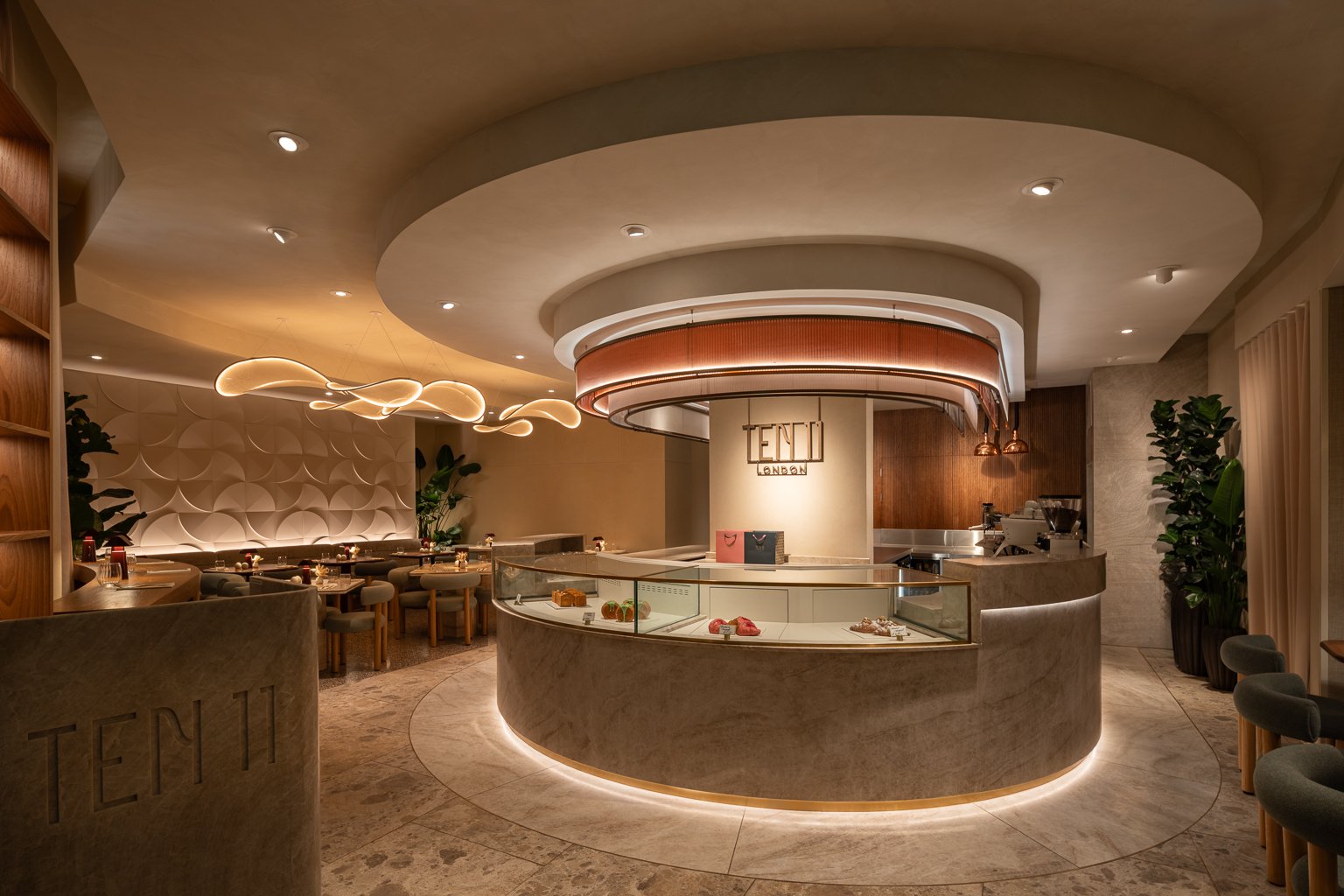
A key example of this approach can be seen in TGP International’s work with TEN11, the London flagship of the Emirati-born café concept. Positioned in Knightsbridge, next to Hyde Park and The Lanesborough, the project required a design language that could compete within one of London’s most refined hospitality landscapes.
The guiding principle for TEN11 was ‘quiet luxury’. The space was conceived as a calm, immersive environment where atmosphere is built through subtlety rather than statement. Nature-led influences drawn from Hyde Park are expressed through biomimicry, layered lighting, filtered illumination and soft, organic forms that create a sense of calm and balance.
Lighting plays a central role in shaping this experience. Pendant features abstract the feeling of sitting beneath a tree canopy, while table lamps and soft ambient layers create intimacy and warmth throughout the space. This allows the environment to transition seamlessly across dayparts, from daytime café to more relaxed, evening dining.
Materiality reinforces this refined atmosphere. The curved service counter, clad in Taj Mahal natural stone, anchors the space with a sense of permanence and understated luxury, while warm timber, textured upholstery and neutral tones create a more enveloping interior compared to the brand’s brighter UAE locations.
Spatial planning further enhances the mood. Guests are guided intuitively from arrival through to seating, with the journey moving from a more dynamic front-of-house experience into a calmer, more intimate dining area. Secondary zones accommodate shorter stays and laptop users, ensuring the space caters to different behaviours without compromising its overall identity.
Importantly, the design elevates everyday moments. From the curated bakery display to the considered presentation of food, every touchpoint is framed as part of a composed and aesthetic experience.
The result is a space where atmosphere is not an afterthought, but a defining feature of the brand. It demonstrates how refined interiors and carefully controlled ambience can position a concept within the premium segment, while still creating a welcoming and emotionally resonant environment.
4. HYPER-PERSONALISED GUEST JOURNEYS
As guest expectations continue to evolve, there is a growing demand for choice, control and personalisation within the dining experience.
Design plays a key role in enabling this. Layouts must be intuitive, allowing guests to navigate spaces effortlessly while offering different pathways depending on how they choose to engage with the venue.
This can include a mix of seating types, ordering methods and service styles, all supported by a seamless integration of technology and physical space. Whether digital or analogue, the experience should feel frictionless while still retaining a sense of discovery.
The most successful environments are those that anticipate guest behaviour, reducing points of friction while creating moments that feel considered and memorable. In this context, design becomes a facilitator of experience, supporting both operational efficiency and guest satisfaction.
5. COMMUNITY-CENTRIC AND SOCIAL DESIGN
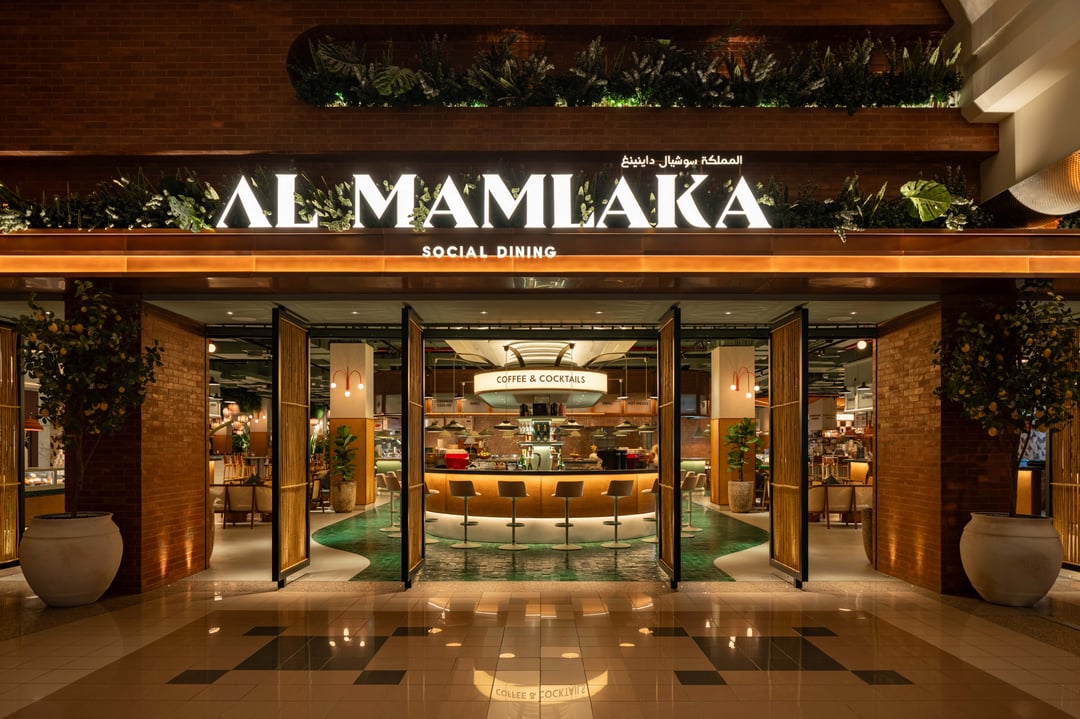
There has been a clear shift away from purely transactional dining towards spaces that foster connection and community.
Restaurants are increasingly being designed as social environments, where people come together not just to eat, but to interact, collaborate and engage. This is reflected in the rise of communal tables, shared dining formats and flexible spaces that can host events and activations.
Designing for community also means creating a sense of belonging. This can be achieved through layout, material choices and programming, all of which contribute to how inclusive and welcoming a space feels.
From a commercial perspective, this approach builds loyalty and repeat visitation. Guests are more likely to return to spaces where they feel connected, not just to the brand, but to the experience and the people within it. This is reflected in the sustained popularity and strong commercial performance of Al Mamlaka Social Dining since its opening, where the appeal of the space and its highly social environment play a key role in driving continued engagement.
CONCLUSION
The most successful concepts are those that align design with operations, food and beverage and evolving consumer expectations. When these elements come together, design moves beyond aesthetics to become a powerful tool for creating meaningful, commercially successful hospitality experiences.
