
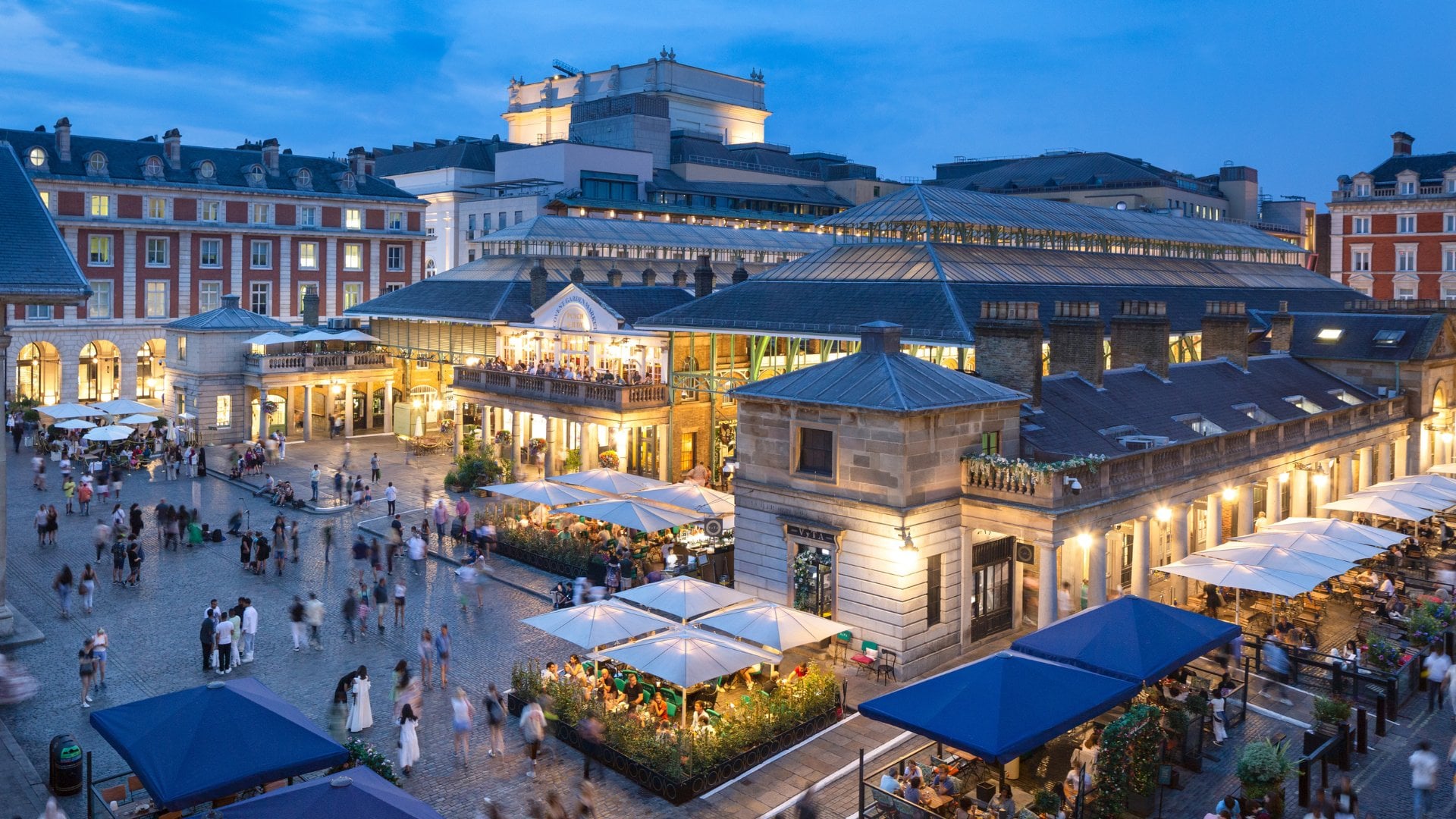
The success of a destination is increasingly defined by how people experience it. Whether a new urban district, waterfront development, cultural quarter or mixed-use community, the challenge for developers is to create places that attract people, encourage them to spend time and give them compelling reasons to return.
Architecture, location and investment may establish the foundations, but the everyday experience determines whether a destination becomes part of people's lives.
This is where placemaking, hospitality and the experience economy intersect. Successful destinations balance functional infrastructure with a distinctive identity, a relevant mix of uses and a programme of experiences that evolves with their communities.
Food and beverage (F&B) plays a particularly important role. As both social infrastructure and a commercial anchor, hospitality can influence how people move through a destination, how long they stay and how frequently they return.
Getting the Fundamentals Right

Before introducing destination restaurants, food markets or large-scale events, developers must establish the conditions that make people comfortable spending time in a place.
Safety, cleanliness, accessibility, transport connectivity, shade, seating and intuitive wayfinding are fundamental to the visitor experience. They shape first impressions and influence whether people feel welcome.
A successful destination must also be easy to use. Visitors need to understand how to arrive, where to go, what is available and how different parts of the development connect.
The quality of the public realm is equally important. Comfortable outdoor spaces, landscaping, pedestrian-friendly streets and well-considered lighting create an environment where people naturally choose to spend time.
These considerations become particularly important in markets where climate affects outdoor activity. Shaded walkways, indoor-outdoor transitions and seasonal programming can determine whether a destination remains attractive throughout the year.
Commercial success begins with these everyday details. A compelling restaurant offer cannot compensate indefinitely for poor accessibility, uncomfortable public spaces or an environment that feels disconnected from its surroundings.
Creating a Distinctive Sense of Place
Once the fundamentals are established, the next challenge is differentiation.
As new destinations compete for residents, visitors, tenants and investment, a recognisable identity becomes increasingly valuable.
That identity should emerge from the location itself: its heritage, architecture, communities, cultural traditions and contemporary lifestyle.
The most compelling destinations offer something that feels specific to their setting. Local businesses, independent hospitality concepts, cultural institutions, public art and community programming can all contribute to a stronger sense of place.
Copenhagen's waterfront and public spaces illustrate how urban design, accessibility and everyday social activity can support a distinctive city experience. Meanwhile, Singapore's integration of public spaces, greenery, transport and diverse dining environments demonstrates the importance of connecting destination appeal with practical urban infrastructure.
For developers, the commercial implication is significant. A distinctive destination can create stronger reasons to visit and help operators establish an offer that is relevant to its audience rather than replicating the same tenant mix found elsewhere.
F&B as Social and Commercial Infrastructure
Food has always played an important role in bringing communities together. Restaurants, cafés, markets and neighbourhood dining spaces provide informal meeting points where people connect, socialise and participate in local life.
Within a mixed-use destination, F&B also serves a strategic commercial function.
A well-planned hospitality offer can activate ground-floor spaces, connect different parts of a development and support activity across multiple dayparts.
Morning coffee attracts local residents and workers. Lunch brings office populations and visitors into shared spaces. Afternoon cafés encourage informal meetings, while evening restaurants create opportunities for socialising and entertainment.
The right mix helps extend the active trading hours of a destination, supporting neighbouring businesses and improving the overall visitor experience.
However, the value comes from curation rather than simply increasing the number of restaurants.
Developers need to consider the balance of cuisines, price points, formats, operating hours and target audiences. The relationship between hospitality and other uses, including retail, culture, leisure and workplaces, is equally important.
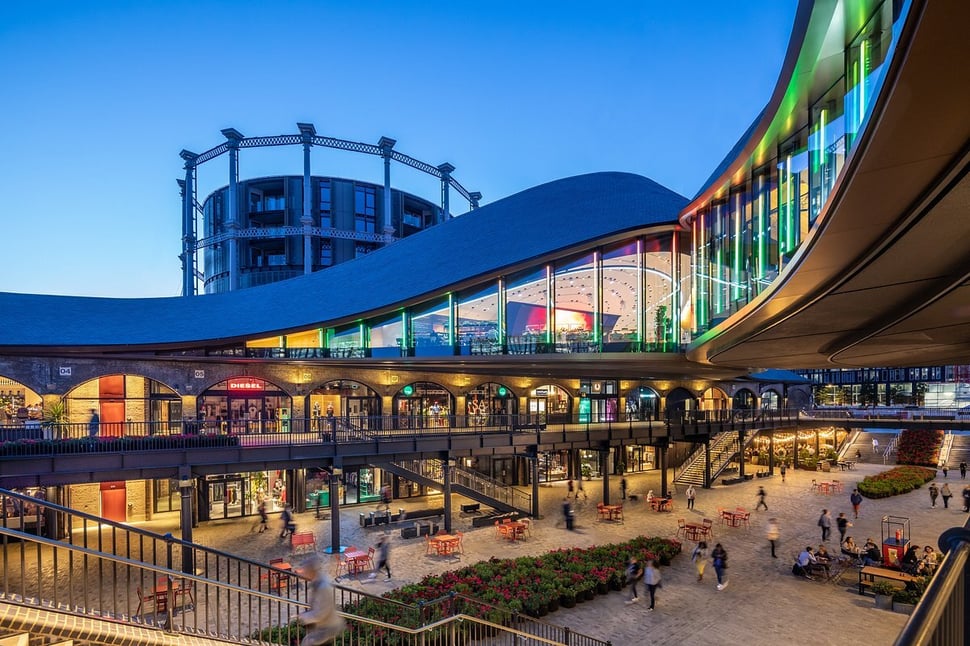
At King's Cross in London, the combination of restaurants, public spaces, cultural venues, offices, residential development and heritage architecture has helped establish a district with multiple reasons to visit throughout the day.
Its development demonstrates the importance of planning hospitality as part of the wider destination experience rather than treating it as an isolated leasing category.
Increasing Dwell Time: Giving People Reasons to Stay
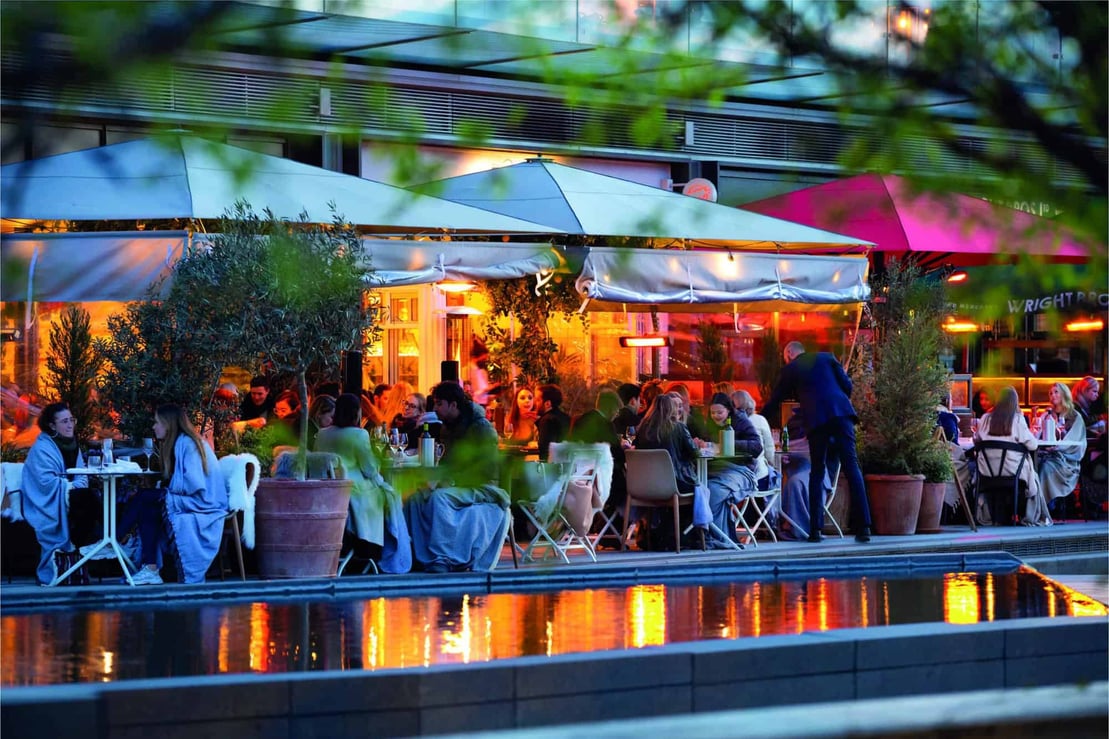
Attracting visitors is only one part of destination performance. Encouraging them to spend longer, explore further and return regularly is equally important.
Dwell time is influenced by the range and quality of experiences available, the comfort of the environment and how easily visitors can move between activities.
A destination with a single attraction may generate strong footfall but limited engagement beyond that experience. A destination combining dining, shopping, cultural activities, entertainment and attractive public spaces creates opportunities for visitors to extend their stay.
Battersea Power Station in London provides a good example of this approach. The regeneration of the historic landmark has brought together restaurants, cafés, retail, leisure, entertainment, attractive riverside public spaces and a year-round calendar of events. Visitors can move naturally between shopping, dining, visiting the cinema, exploring the riverside or attending a seasonal activation. The combination of permanent attractions and changing experiences creates multiple reasons to visit and opportunities to extend the visitor journey.
Importantly, Battersea also demonstrates the value of strong fundamentals. Transport connections, pedestrian routes, heritage architecture and accessible public spaces help connect the different experiences into a coherent destination.
The principle applies across destination types. A family might arrive for lunch, discover a children's activity, explore a market and stay for an evening performance. Office workers might visit for coffee, return for lunch and meet friends after work.
Each additional reason to engage creates opportunities for the destination's operators.
F&B is particularly effective because it naturally connects activities. A restaurant can become the starting point for an evening out, while a café provides a place to pause between shopping, cultural experiences or meetings.
For developers, increasing dwell time should be considered alongside spending, repeat visitation, tenant performance and overall destination satisfaction.
Longer visits can create greater commercial opportunities, but the relationship is not automatic. The objective is to provide experiences that visitors value and that support sustainable trading for operators.
The Experience Economy: Turning Destinations into Experiences
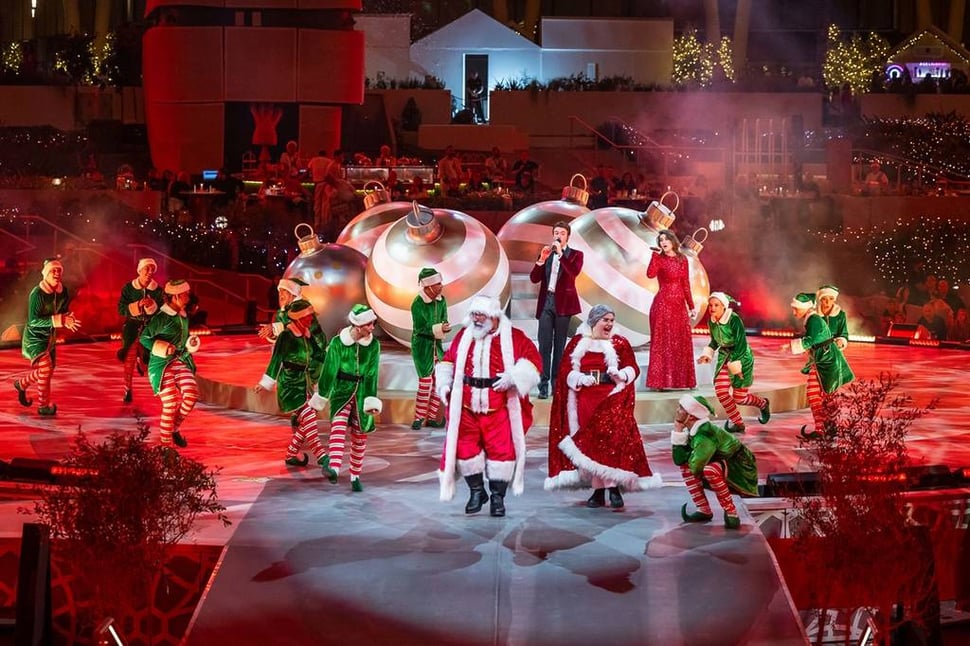
Consumer interest in experiences has encouraged developers and destination operators to rethink how places remain relevant.
Permanent restaurants and retail tenants provide consistency, while temporary activations introduce discovery, seasonal relevance and reasons to return.
Food festivals, chef residencies, cultural celebrations, outdoor markets, live entertainment and interactive experiences can attract different audiences and create momentum during quieter trading periods.
Importantly, programming should reflect the destination's identity and the needs of its community.
A heritage district may benefit from traditional food markets, artisan demonstrations and cultural performances. A contemporary waterfront could introduce outdoor dining, music and seasonal experiences. A family-focused development might combine accessible dining with workshops and entertainment.
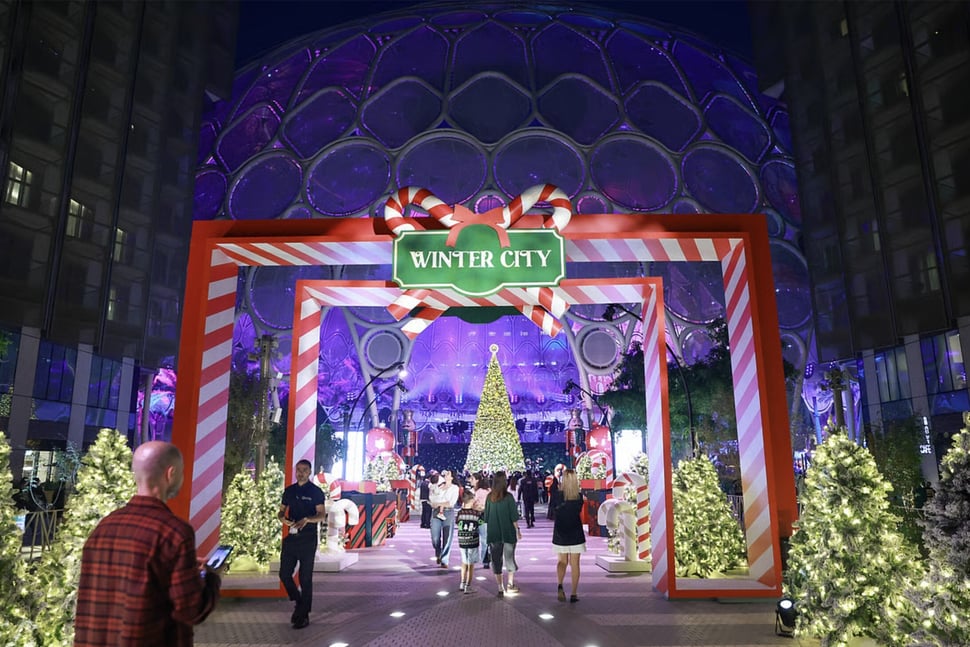
TGP International's involvement in Hai Ramadan at Expo City Dubai illustrates this approach. The 2025 programme combined communal dining, traditional souks, cultural performances and family experiences beneath Al Wasl Plaza's iconic dome, creating a destination experience rooted in local traditions. The event attracted over 50,000 visitors, demonstrating the potential of culturally relevant hospitality and programming to engage substantial audiences.
The most effective programming creates a relationship between the permanent offer and temporary experiences.
This approach also allows developers to test concepts, understand visitor preferences and identify opportunities for future investment.
Temporary activations can provide valuable insights into audience demand before committing to permanent hospitality infrastructure.
Building Destinations That Continue to Evolve
Successful destination development begins long before the completed project opens its doors.
For new developments, particularly those delivered in phases, the challenge is to establish awareness, generate interest and begin building relationships with future audiences while the wider destination is still taking shape.
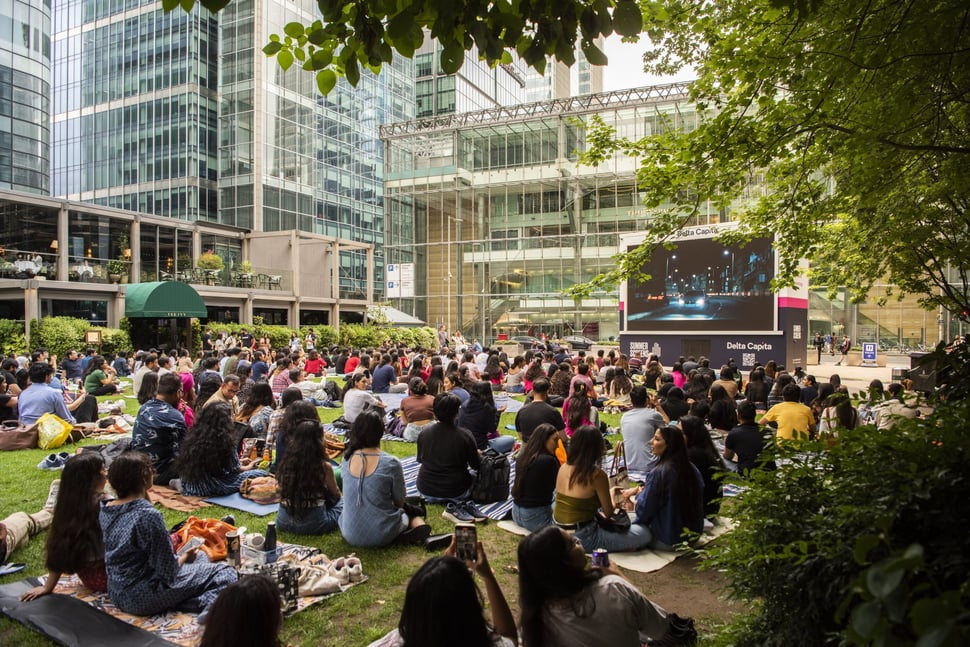
Meanwhile uses offer an opportunity to bring a destination to life before permanent infrastructure is complete. Temporary food markets, pop-up restaurants, outdoor events, cultural installations and community activities can activate available spaces and introduce people to a development's emerging identity.
Rather than waiting for the final development to open, developers can use these early experiences to establish familiarity, attract potential residents and visitors, engage local communities and build anticipation for what is to come.
They also provide valuable commercial intelligence. Testing different hospitality concepts, event formats and audience propositions can help identify genuine demand, inform future tenant selection and reduce the risk of investing in an offer that does not reflect the market.
Crucially, meanwhile uses should support the long-term vision for the destination. Temporary activations are most effective when they introduce the character, values and experiences that will eventually define the permanent development.
As destinations mature, the focus shifts towards maintaining relevance and encouraging repeat visitation.
Permanent hospitality concepts provide consistency, while pop-ups, rotating operators, chef residencies and seasonal programming allow destinations to respond to changing consumer preferences.
At TGP's 3 Henrietta Street in Covent Garden, hospitality incubation and temporary concepts have demonstrated how changing F&B experiences can introduce new audiences and keep an established location commercially and culturally relevant.
For developers and asset owners, the opportunity lies in planning for this flexibility from the outset: using early activation to build an audience, permanent hospitality to establish a consistent offer and ongoing programming to sustain engagement.
Measuring What Makes a Destination Successful
Footfall remains an important measure of destination performance, but visitor numbers alone provide an incomplete picture.
Developers should consider a broader set of indicators:
- Dwell time: How long visitors spend within the destination.
- Repeat visitation: Whether the destination becomes part of people's regular routines.
- Commercial performance and demand: F&B and retail sales, spend per visitor, tenant sales performance, occupancy, customer demand, conversion rates and the strength of the leasing pipeline.
- Daypart performance: How effectively the destination attracts visitors across mornings, afternoons and evenings.
- Visitor experience: Satisfaction, accessibility, comfort and perceptions of safety.
- Cultural and community engagement: Participation in events, local partnerships and the relevance of programming to the surrounding community.
Together, these measures help establish whether a destination is delivering both social and commercial value.
The Future of Successful Destinations
The most successful destinations will be those that combine strong urban fundamentals with distinctive experiences and a clear understanding of the people they serve.
Accessibility, safety, cleanliness and high-quality public spaces establish the foundations. Local culture, community and a distinctive identity create relevance. Hospitality and experiential programming then provide reasons to visit, stay and return.
For developers, this requires an integrated approach from the earliest stages of destination planning, with F&B, public realm, cultural programming and commercial strategy working together.
At TGP International, our work across hospitality strategy, concept development, operations and experiential activations demonstrates the importance of connecting these elements.
When thoughtfully planned and consistently delivered, F&B becomes an anchor for successful destinations, helping create places that are commercially resilient, culturally relevant and genuinely enjoyable to spend time in.
By Cheryl Sheppard, Partner, TGP International
