-1.png?width=3330&height=698&name=TGP%20International%20Logo%20White%20(1)-1.png "TGP International logo")
A successful F&B concept needs more than a distinctive identity, attractive design and food people enjoy. To perform commercially, the different parts of the proposition must work together to create demand, generate sufficient revenue and protect margins over time.
Commercial viability will not look the same for every business. A neighbourhood café, destination restaurant, hotel outlet and food hall each have different commercial objectives, operating models and measures of success. However, they share one fundamental requirement: the experience promised to the customer must be supported by a realistic and sustainable business model.
At TGP International, we believe the foundations of a world-class concept are closely connected to the foundations of a commercially viable one. The difference is that commercial viability requires the creative proposition to be tested against market demand, pricing, operational complexity, investment requirements and long-term performance.
The Commercial Viability Checklist
Before investing heavily in a new F&B concept, it is worth asking:
- Is there a clearly defined customer and evidence of genuine demand?
- Does the concept have a relevant and compelling point of difference?
- Is the positioning appropriate for the location and target audience?
- Can the pricing remain competitive while supporting the required margins?
- Does the menu balance customer appeal with cost and operational efficiency?
- Can the space generate sufficient revenue for the business model?
- Is the concept realistic for the available site, team and investment?
- Does the experience give customers a reason to return?
- Can marketing support demand beyond the initial launch?
- Can the concept adapt as customer expectations and market conditions change?
Not every answer will be fully resolved at the outset. However, a concept that cannot address these questions convincingly may still be creative or desirable, but it is less likely to be commercially resilient.
1. Start With the Market
Many concepts begin with an exciting idea, whether it is a cuisine, chef, design direction or emerging trend. These can provide the initial creative spark, but commercial viability starts with understanding whether there is a sufficiently large market willing to pay for the resulting experience.
This means looking beyond basic demographics. Who is the target customer? When and why will they visit? What are they currently spending, and what alternatives are already available to them?
A concept does not necessarily need to create an entirely new category, but it should give customers a clear reason to choose it over existing options. This point of difference needs to be relevant rather than different for its own sake. It might come from the product, value, convenience, atmosphere, service, experience or a combination of these factors.
Location is central to this assessment. Footfall, accessibility, surrounding uses, residential patterns, tourism, office populations and the wider development can all influence demand. A concept that performs strongly in one market may struggle in another if customer behaviours, spending patterns or competitive conditions are different.
Commercial thinking should therefore inform the concept from the beginning, rather than being introduced after the creative direction has already been established.
2. Define a Proposition People Will Pay For
Strong F&B concepts have personality, clear positioning and a recognisable identity. Commercially viable concepts connect these qualities to a defined value proposition.
The question is not simply, “Is this a good idea?” It is, “Why would someone choose to spend money here, how often might they return and does the experience justify the price?”
Value does not necessarily mean being inexpensive. It is the relationship between what the customer pays and what they believe they receive in return. This can come from exceptional food, convenience, hospitality, exclusivity, atmosphere, social experience or access to something they cannot easily find elsewhere.
The intended price point should reflect both the target audience and the level of experience being offered. If the concept promises premium ingredients, highly personalised service and an elaborate environment, the commercial model must be able to support those choices. Equally, a more accessible concept must be designed to operate efficiently at the volumes and margins required.
The proposition needs to be clear enough for customers to understand and compelling enough to generate demand. If it takes too long to explain why a concept is relevant, the market may struggle to understand it too.
3. Build the Commercial Model Into the Concept
Once a potential market has been identified, the concept needs to be translated into a workable financial model. This is where creative, operational and commercial thinking must work particularly closely together.
Menu development is a good example. A menu should be desirable and distinctive, but it also needs to consider ingredient costs, preparation time, labour requirements, wastage, portion sizes, availability and selling prices.
Signature products can create identity and demand, while menu engineering can help establish the right balance between high-volume items, margin contributors and dishes that strengthen the overall experience. Complexity should be added deliberately. Every additional ingredient, preparation process or menu item has implications for purchasing, storage, staffing and consistency.
The physical asset also needs to work hard enough to support the business. Depending on the concept, this may involve considering the number of covers, average spend, table turns, trading periods and expected occupancy.
Additional revenue streams such as private dining, events, takeaway, delivery, catering or retail may strengthen the model where they are appropriate. However, they should not be added simply because they are available. Each should serve a genuine customer need and be operationally achievable.
A commercially strong concept makes effective use of its assets without allowing revenue generation to undermine the experience that creates demand in the first place.
4. Design the Experience and Operation Together
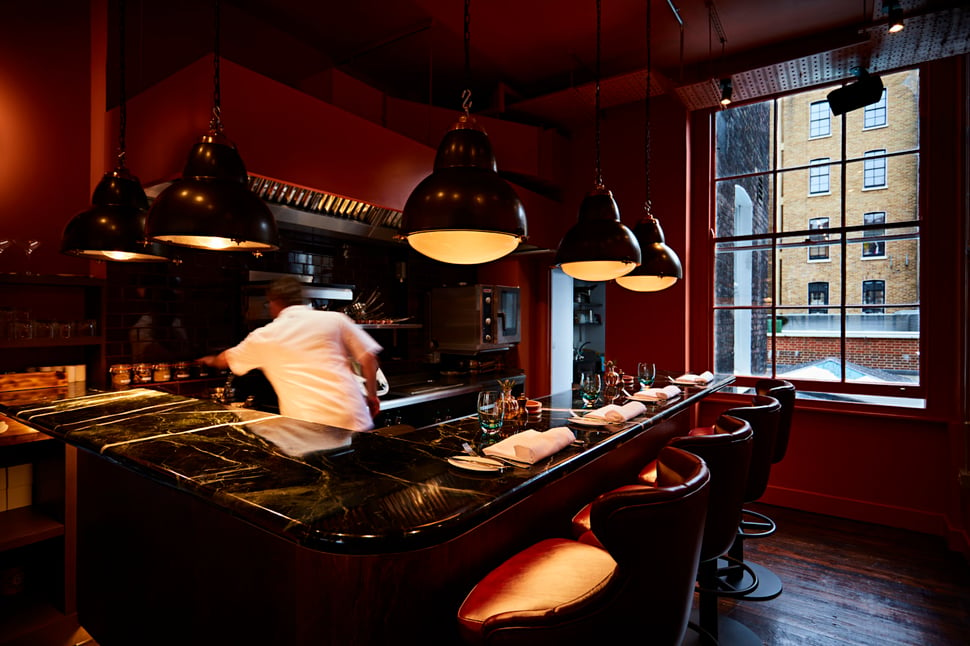
Great restaurant design should be memorable, but it must also support the business operating behind it.
Kitchen and bar layouts should enable efficient production and service. Back-of-house areas need sufficient capacity without consuming unnecessary revenue-generating space. Seating should support the intended experience, while customer and team circulation should be considered together.
Flexible spaces can create opportunities to adapt a venue for different occasions, but this will not be appropriate for every concept. A focused restaurant that trades primarily during one service period can be just as commercially viable as an all-day venue if its demand, pricing and operating model are strong enough.
Atmosphere can also influence performance. Lighting, acoustics, comfort and seating arrangements affect how customers use the space, how long they stay and whether the environment feels appropriate at different times or for different occasions.
The objective is not necessarily to maximise the number of seats or accelerate every table turn. It is to find the right balance between capacity, customer spend, operational efficiency and the quality of the experience.
5. Build for Long-Term Demand
A concept can generate significant attention when it launches, but initial interest does not guarantee long-term success.
Commercial viability depends on repeatable demand. Customers need a reason to return, whether that comes from consistently good food and service, convenience, changing menus, seasonal programming, events, community engagement or simply because the venue becomes part of their routine.
Operations play a critical role in protecting this demand. Clear systems, training, procurement and leadership help maintain standards and control costs. A concept that delivers an excellent experience only when its founder, chef or most experienced team members are present will be difficult to sustain.
Marketing also has a commercial role beyond generating opening awareness. It should communicate the proposition clearly, reinforce what makes the venue distinctive and support demand during quieter periods. The strongest marketing is connected to the operation itself, using products, experiences and programming that customers can genuinely encounter.
Does the Concept Need to Scale?
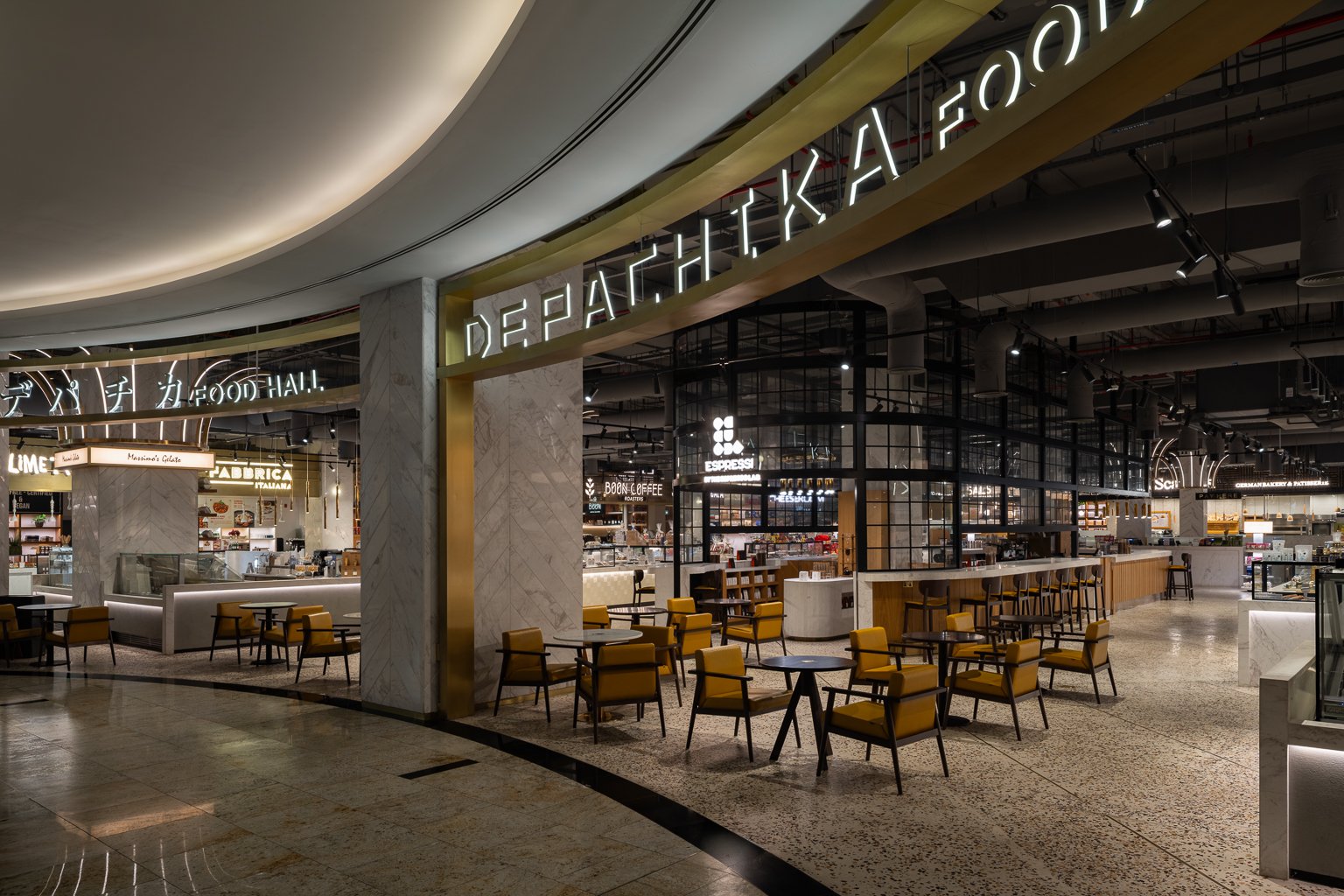
For some owners and investors, commercial viability will include the potential to expand beyond the first site. For others, the objective may be to create one highly successful, location-specific business.
Where expansion is part of the ambition, scalability should be considered early. A concept that depends on one chef, a highly specialised kitchen, a unique site or an unusually complex service model may be difficult to replicate. A proposition with clear brand principles, adaptable design, robust systems and a well-structured menu may be better positioned for growth.
Scalability does not need to mean standardisation. The aim is to identify which elements are essential to the concept and which can adapt to different sites, audiences or markets.
Even when expansion is not planned, adaptability matters. Customer expectations, costs and trading conditions change, so a resilient concept should be able to evolve without losing the qualities that make it distinctive.
Commercial Viability Is About Alignment
Commercial viability is not determined by a single metric. It comes from aligning market demand, positioning, pricing, menu, design, operations, customer experience and marketing with a realistic financial model.
The strongest concepts are not necessarily those with the largest budgets or most complicated ideas. They are the ones where the proposition is clear, the customer demand is understood and the operation can deliver the experience efficiently and consistently.
At TGP International, we bring together advisory, concept development, interior design, operations, management and marketing expertise to help turn ideas into F&B concepts that are distinctive, desirable and commercially considered. The precise approach is adapted to the needs, scale and objectives of each project.
A world-class concept should make people want to visit. A commercially viable concept gives them a reason to return and creates a business capable of benefiting from that demand.