-1.png?width=3330&height=698&name=TGP%20International%20Logo%20White%20(1)-1.png "TGP International logo")
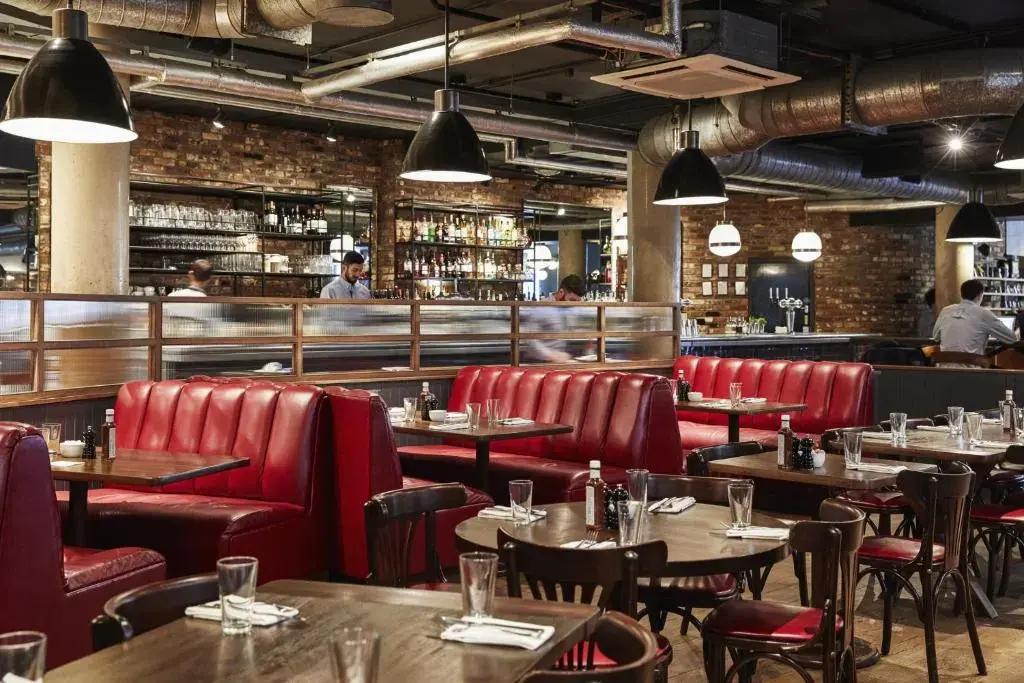
For many hotels, attracting local diners remains an ongoing challenge. Despite investing heavily in design, refurbishment and guest experience, restaurants often struggle to become a destination in its own right. Instead, serving primarily as a convenience for hotel guests while local residents choose to dine elsewhere.
This is increasingly problematic, with operating costs rising and competition growing, hotel restaurants can no longer rely solely on in-house guests to drive revenue, they must compete with the best restaurants on the high street, not just with other hotels.
Hotels Are Competing in a Very Different Market
Today's diners have more choice than ever before, and many are planning where to eat before they even arrive. Research shows that 79% of travellers actively seek out local cuisine when planning a trip, while 88% plan to visit restaurants they have never tried before, demonstrating that food has become a key part of destination planning rather than a last-minute decision. In most cities, stepping outside a hotel presents an endless range of independent restaurants, neighbourhood favourites and emerging concepts, each offering something distinctive. Against that backdrop, a generic hotel restaurant simply struggles to compete.
Many hotels, particularly in the midscale and economy sectors, continue to rely on all-day dining concepts with broad menus designed to appeal to everyone. While operationally straightforward, these concepts rarely give local audiences a compelling reason to visit. When every cuisine is available on the menu, there is often no clear identity behind it.
Discover Ten Reasons Why Hotel’s Struggle with F&B
Trying to Please Everyone Usually Appeals to No One

One of the biggest challenges for hotel restaurants is that they are expected to satisfy every type of guest. Breakfast needs to serve business travellers, lunch must cater to meetings, dinner should appeal to families, room service requires additional menu options and international guests expect familiar dishes. The result is often an oversized menu that lacks focus.
Rather than creating a memorable dining experience, the restaurant becomes a generalist operation. Consumers are increasingly looking for places with personality and expertise. Whether it's a neighbourhood pasta restaurant, a specialist pizza concept or a modern Middle Eastern grill, successful restaurants are built around a clear point of view. They know exactly who they are and who they are for. Hotel restaurants frequently lose this clarity in an attempt to satisfy every possible customer.
Great Concepts Create Destinations
Luxury lifestyle hotels often approach food and beverage differently. Rather than treating the restaurant as an extension of the hotel, they develop destination dining concepts with their own identity, atmosphere and commercial strategy. Guests may stay because of the hotel, but locals visit because of the restaurant.
These properties typically have greater flexibility to invest in concept development, premium interiors, specialist chefs and distinctive food offers. Their pricing also allows for higher levels of investment, making it easier to create restaurants that stand on their own merits. This helps explain why destination restaurants are more commonly associated with luxury lifestyle hotels than traditional midscale properties.
Increasingly, however, success is not simply about investing more. Hotel owners and developers are placing greater emphasis on creating food and beverage concepts with a clear identity, distinctive point of view and the ability to attract guests independently of the hotel itself. Rather than relying on generic all-day dining restaurants, many are partnering with established lifestyle brands and recognised operators that already have loyal followings and strong cultural relevance. This approach allows hotels to tap into existing audiences, strengthen their positioning and create destinations that appeal equally to local residents and travellers.
TGP has seen this shift reflected across many of its projects, with brands such as El Takoy demonstrating how a distinctive concept can become a defining part of a hotel's identity. Located within The Dominick in New York, El Takoy offers a bold, contemporary dining experience that complements the property's lifestyle positioning while establishing its own reputation as a destination restaurant. For developers and operators, this illustrates a wider trend: the strongest hotel F&B concepts are increasingly conceived as brands in their own right rather than simply amenities for hotel guests.
Hotel Menus Should be Designed Around Customer Demand
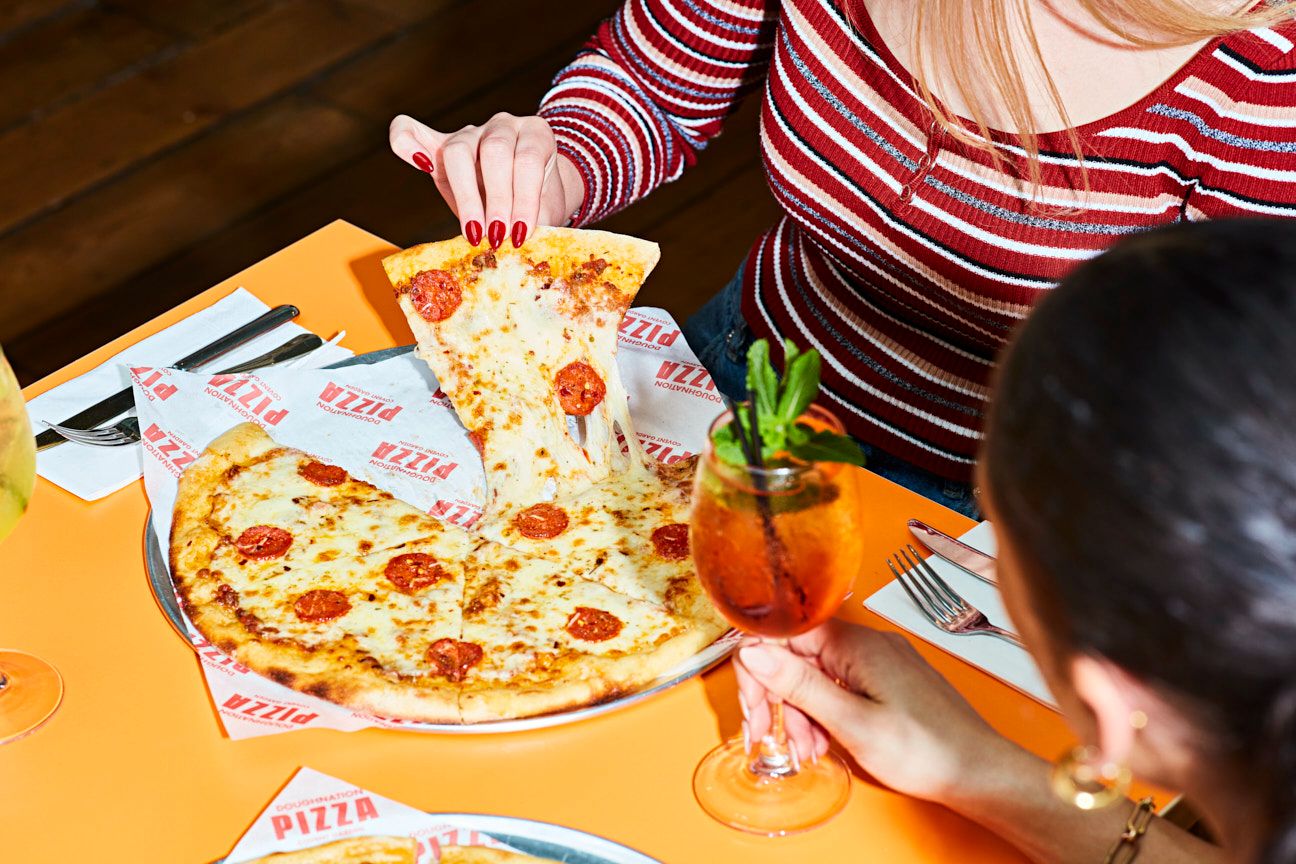
Another common challenge is that hotel menus are often designed around operational efficiency rather than customer demand. Large menus simplify service across multiple dayparts, but they also create complexity behind the scenes. Maintaining a wide range of ingredients can impact freshness, increase waste and make consistency more difficult to achieve.
At the same time, ongoing shortages of skilled kitchen staff encourage operators to simplify production methods and reduce culinary complexity. While understandable from an operational perspective, this can result in food that feels predictable and lacks the quality guests increasingly expect. The irony is that smaller, more focused menus are often easier to execute, require less inventory and allow chefs to deliver higher quality dishes more consistently.
Read More on How to Unlock the Power of Your Hotel’s F&B
Food and Beverage Should Be Treated as a Growth Opportunity
One of the biggest mindset shifts the industry still needs to make is recognising that food and beverage is not simply a guest amenity. Too often, hotel restaurants are viewed as a supporting service rather than a primary commercial opportunity.
As a result, investment in concept development, branding, marketing and guest experience is often secondary to other parts of the business.
Yet the strongest hotel restaurants demonstrate the opposite. When food and beverage is approached as a standalone business, complete with a defined brand, target audience and distinctive experience, it has the potential to become a significant revenue driver while strengthening the overall reputation of the hotel.
Creating Restaurants That Locals Choose
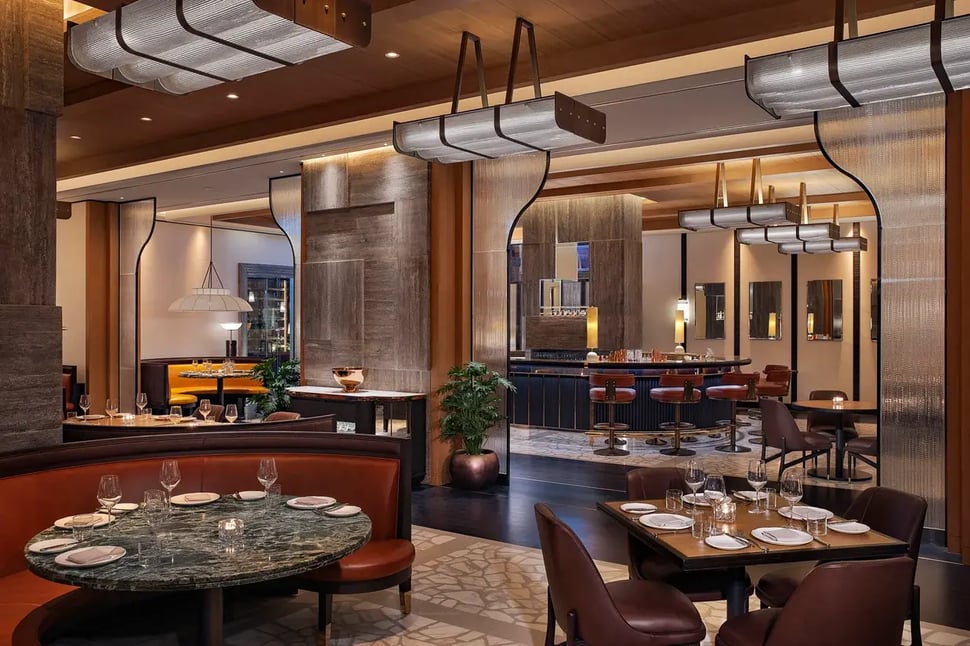
Winning local audiences requires hotels to think less like accommodation providers and more like hospitality brands. That means developing restaurants with a clear identity rather than broad appeal, creating experiences people actively seek out and building concepts that could succeed regardless of whether they sit inside a hotel.
In today's market, convenience alone is no longer enough. Local diners have too many alternatives. Hotels that recognise food and beverage as a strategic business rather than a supporting function will be far better positioned to create restaurants that generate repeat local trade, stronger commercial performance and lasting relevance within their communities.
