-1.png?width=3330&height=698&name=TGP%20International%20Logo%20White%20(1)-1.png "TGP International logo")
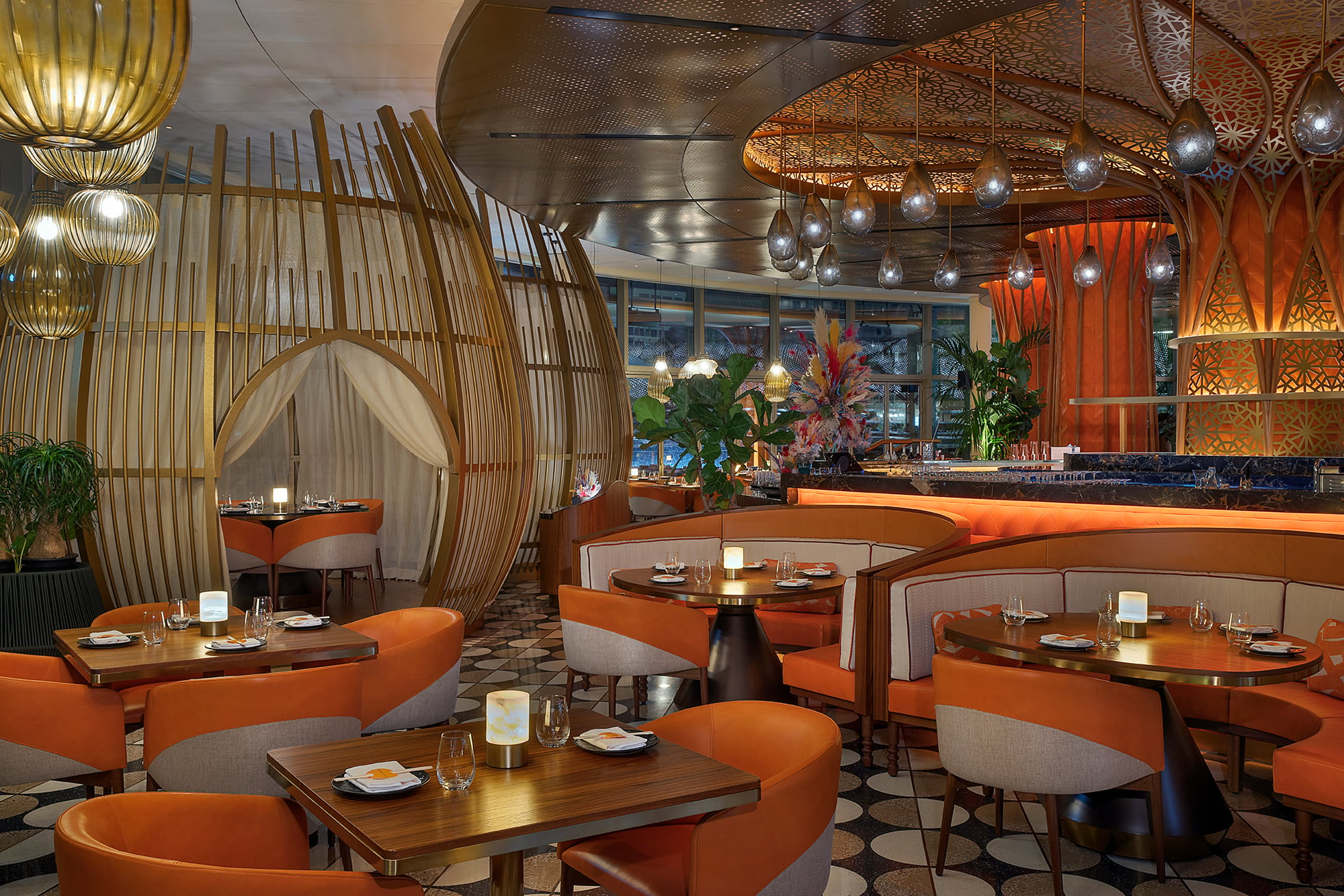
Food and beverage has often been regarded as a complementary component of the hotel offering. Today, however, it is increasingly recognised as an anchor, contributing to both asset value and overall commercial performance.
As guest expectations evolve and competition intensifies, hotel owners and operators are reassessing the role of F&B within their broader business strategy. The conversation has shifted from whether restaurants and bars can generate profit to how they can become powerful drivers of revenue, differentiation and long-term brand equity.
Recent industry data highlights the opportunity. According to CBRE, global hotel food and beverage (F&B) revenue per occupied room grew by 3.8% in the first half of 2025, outperforming overall hotel revenue growth of 3.0%. F&B profit margins also improved from 28.7% to 29.1% during the same period, reflecting the growing maturity of hospitality operators in managing these businesses as strategic assets rather than ancillary services.
Looking ahead, CBRE's 2026 outlook suggests continued resilience across the hotel sector, supported by strong international travel demand and a favourable demand-supply dynamic, reinforcing the strategic importance of diversified revenue streams such as F&B.
The question, therefore, is no longer whether hotel F&B matters. The question is what separates commercially successful operations from those that continue to underperform.
A Strategic Mindset
One of the most common challenges I have encountered is that F&B is often viewed through an operational lens rather than a strategic one.
In many cases, significant attention is paid to menu development, staffing structures, and day-to-day operational performance. Whilst these elements are important, insufficient focus is often given to concept differentiation, customer relevance, market positioning, and the long-term commercial objectives that ultimately drive sustainable growth and profitability.
Successful hotel F&B operations begin with a clear strategic framework. They are built around a defined market opportunity, a differentiated proposition and a deep understanding of target audiences. Every subsequent decision—from concept development and design to programming and service delivery—supports that overarching vision.
Without this clarity, even well-executed operations can struggle to achieve sustainable growth.
Differentiation Is Essential
|
|
|

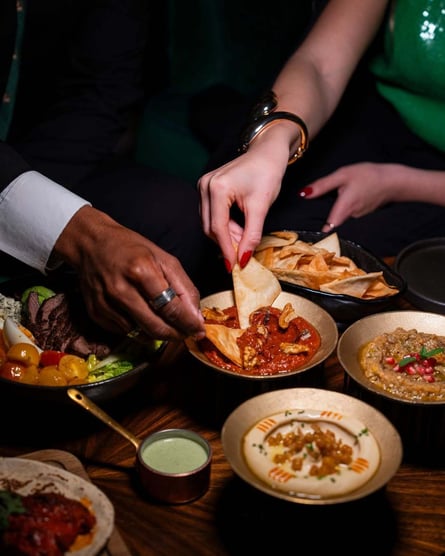
Today's consumers have an unprecedented range of dining options available across every price point. From independent restaurants and destination bars to experiential concepts and lifestyle brands, guests have more choice than ever before. As a result, hotel restaurants are competing in an increasingly crowded market for the same customers.
Against this backdrop, generic offerings are becoming increasingly difficult to justify.
Commercially successful hotel F&B venues possess a distinct identity and a compelling reason to visit. They are designed around a clearly articulated concept that resonates with both hotel guests and local audiences.
Importantly, they are not positioned as hotel facilities. They are positioned as hospitality brands in their own right.
This distinction is critical. The strongest-performing venues are often those that could succeed independently of the hotel to which they belong.
Discover Ten Reasons Why Hotel’s Struggle with F&B
Expanding Beyond the In-House Guest
Historically, many hotel restaurants have relied heavily on resident guests as their primary source of demand. While this model can provide a degree of stability, it also creates inherent limitations, restricting both revenue potential and brand relevance within the wider market.
The most successful and resilient F&B businesses are those that engage audiences beyond the hotel itself. By attracting local residents, business communities, destination diners, and social occasions alongside hotel guests, operators can diversify revenue streams, increase utilisation throughout the week, and reduce dependence on occupancy fluctuations.
This opportunity is often hiding in plain sight. Across the industry, many hotels possess large, well-designed dining spaces that perform strongly during breakfast service yet remain underutilised for the rest of the day. These venues have the physical infrastructure and capacity to generate significantly greater commercial returns, but often lack a clearly defined concept, market positioning, or customer proposition beyond serving hotel guests.
Creating demand from the local market also delivers benefits far beyond direct revenue. Restaurants and bars that become recognised destinations in their own right enhance the visibility of the hotel brand, strengthen community connections, and create new pathways for customer acquisition.
Increasingly, the most successful hotels are not operating as standalone destinations disconnected from their surroundings. Instead, they are embedding themselves within the fabric of their local communities, becoming relevant to the primary market that surrounds them. When executed effectively, the hotel restaurant becomes a neighbourhood asset as much as a hotel amenity.
At a broader level, hotel restaurants can also play a meaningful role in shaping the perception visitors have of a city, region, or even an entire country. Dining experiences are often among the most memorable elements of travel, making hotel F&B an important contributor to destination branding, culinary tourism, and wider tourism demand.
This requires a fundamental mindset shift. Guests are perfectly content enjoying breakfast in a beautifully designed dining room that serves a practical purpose. However, the expectations for lunch, dinner, and social occasions are entirely different. Few guests aspire to spend their evening dining in what still feels like a breakfast room. Successful hotel F&B operators recognise this distinction and create concepts, atmospheres, and experiences that are capable of attracting customers on their own merits, regardless of whether those customers are staying in the hotel.
Wellness Is Influencing Consumer Expectations
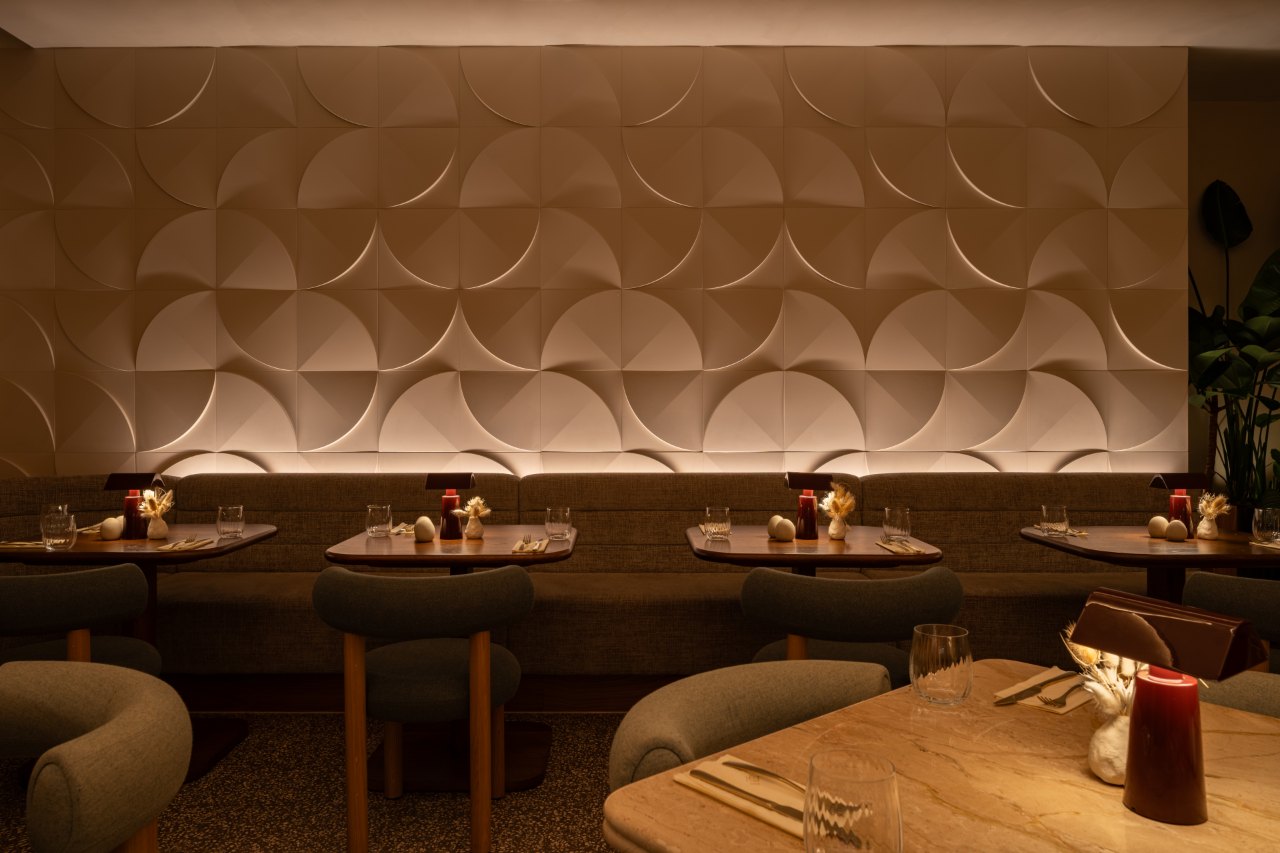
Another defining trend shaping hotel F&B is the growing convergence between hospitality and wellness. Wellness is no longer confined to spa facilities or fitness centres. It is influencing guest expectations across every touchpoint of the hospitality experience, including food and beverage.
Consumers are increasingly seeking options that support healthier lifestyles, greater nutritional awareness, and overall wellbeing. Research from Accor highlights the growing importance of wellness-oriented dining experiences, reflecting broader shifts in consumer behaviour across global markets.
Importantly, guests are looking beyond surface-level wellness claims. They increasingly expect wellbeing to be embedded throughout the entire dining experience, from ingredient quality and nutritional transparency to responsible sourcing and sustainable operations.
For hotel operators, this presents both a responsibility and an opportunity. The objective is not to eliminate indulgence but to provide greater choice, flexibility, and transparency. Menus, sourcing strategies, and dining experiences that align with evolving wellness expectations are becoming increasingly important components of a successful F&B strategy. At the same time, reducing food waste through smarter menu design, procurement, and operational practices can strengthen both sustainability credentials and commercial performance.
.png)
Experience Drives Commercial Performance
Perhaps the most significant change in recent years is the growing importance of experience as a commercial differentiator.
Guests are increasingly prioritising memorable and meaningful interactions over purely transactional experiences. This trend is particularly evident among younger demographics, but it extends across multiple consumer segments.
As a result, leading hotel F&B operations are investing in experiences that foster engagement and create emotional connections. These may include chef collaborations, curated events, community-led programming, immersive dining concepts or wellness-focused experiences.
Such initiatives not only strengthen brand positioning but also create additional revenue opportunities while enhancing customer loyalty. Experience has become a key component of commercial performance.
Read More on How to Unlock the Power of Your Hotel’s F&B
Hotels F&B Over the Next 2-5 Years
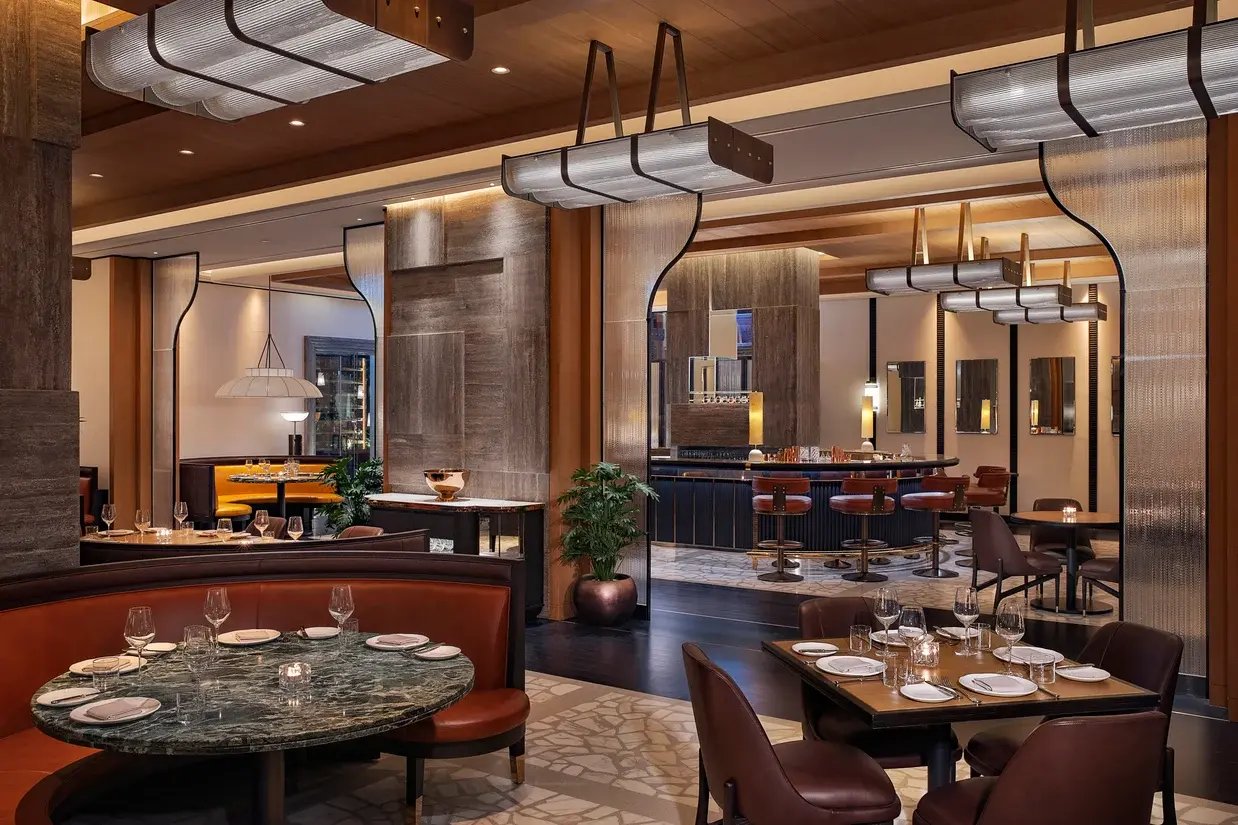
The future of hotel F&B will be shaped by those brands and properties that recognise its broader strategic value.
Commercial success is no longer determined solely by operational efficiency or short-term revenue generation. It is driven by the ability to create relevant, differentiated, and experience-led propositions that contribute meaningfully to the overall performance of the asset.
For hotel owners, this requires a shift in perspective. Food and beverage should not be viewed simply as a service offering, but as a platform for brand building, customer engagement, and long-term value creation.
The most successful hotel F&B businesses combine strong commercial fundamentals with a clear understanding of changing consumer expectations. They invest in differentiation, operate with strategic intent, and create experiences that resonate with both travellers and local communities.
Importantly, it is often the narrative and storytelling behind a concept that creates lasting loyalty. Strong concepts bring personality, authenticity, and emotional connection to a hotel, giving guests a reason to return and helping the brand stand out in an increasingly competitive market. Great F&B can become a powerful driver of customer loyalty, increasing the likelihood that guests return to the property, engage with the wider brand, and choose other hotels within the portfolio based on trust in the dining experience.
As the hospitality sector continues to evolve, these principles will become increasingly important—not only for the success of individual outlets, but for the long-term performance, relevance, and value of the hotel as a whole.
