-1.png?width=3330&height=698&name=TGP%20International%20Logo%20White%20(1)-1.png "TGP International logo")
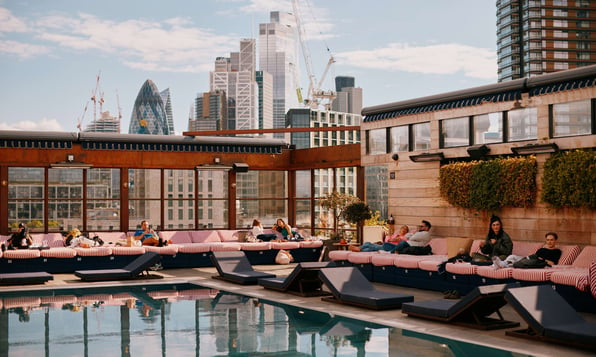
Wellness is now a baseline guest expectation in many settings. Consumers increasingly expect hotels, resorts and F&B environments to support sleep, recovery, nutrition, social wellbeing and environmental comfort as part of the core experience rather than as an added luxury.
At the same time, operators are facing rising costs, labour shortages and infrastructure limitations that make wellness integration more difficult to deliver consistently at scale.
This has created a growing gap between consumer expectation and operational reality. A disconnect that is becoming increasingly visible across the hospitality sector.
Read More on Wellness, Hospitality & F&B Trends
.png)
Summary Table
|
Consumer Expectations |
Operator Pressures |
|
Health-focused food and beverage |
Rising food and labour costs |
|
Better sleep and recovery environments |
Legacy infrastructure limitations |
|
Improved air quality, lighting and acoustics |
Capital investment constraints |
|
Flexible social and wellness spaces |
Staffing shortages and training demands |
|
Transparency around sourcing and sustainability |
Operational complexity across departments |
|
Seamless wellness experiences |
Difficulty integrating wellness into existing systems |
Consumer Expectations
As wellness becomes more embedded in everyday lifestyles, guest expectations are evolving beyond traditional hospitality standards. Increasing awareness around sleep, nutrition, environmental quality and long-term wellbeing is reshaping how consumers evaluate hotels, resorts and F&B experiences.
Guests now expect wellness to be integrated into the overall operational experience, not simply communicated through branding, amenities or design aesthetics alone.
Heightened Sensitivity to Physical Environment
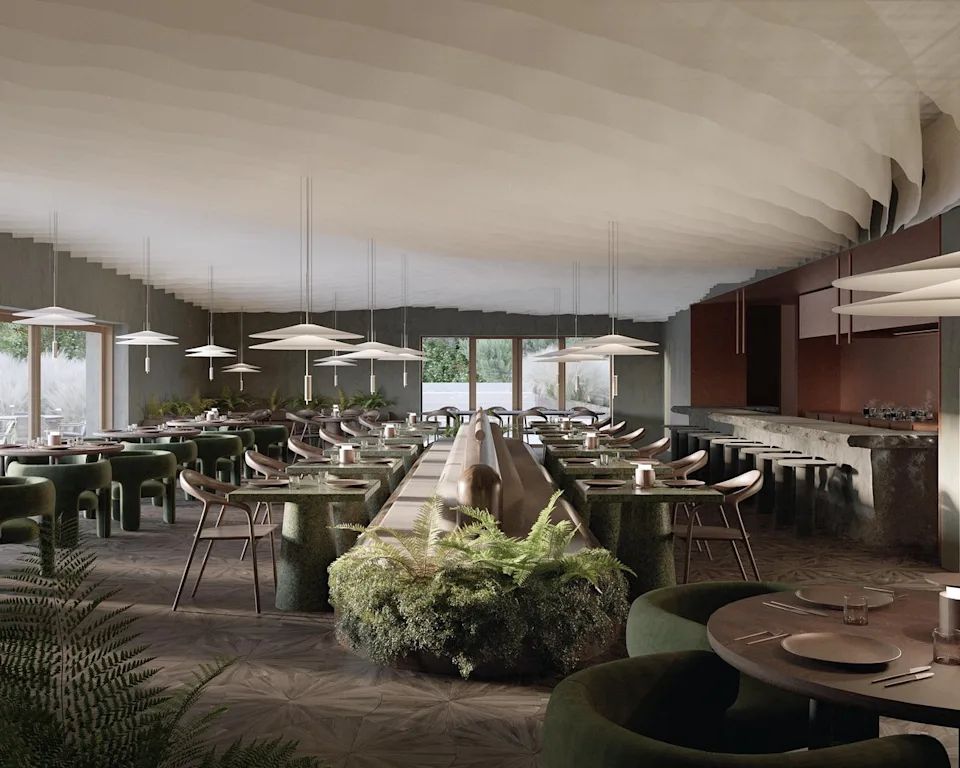
Guests are becoming more aware of how physical environments affect wellbeing. Air quality, lighting, acoustics and spatial comfort are now central to guest perception, particularly as people spend the majority of their time indoors.
Hospitality environments are increasingly judged not only on aesthetics, but on how they support comfort, recovery and cognitive wellbeing.
Read About Wellness Trends in 2026
Demand for Preventative Wellness
Many people are placing greater emphasis on preventative health, longevity and recovery-focused lifestyles. This is influencing expectations around nutrition, sleep quality, movement and wellness programming.
Wellness is no longer viewed as indulgence. It is increasingly connected to everyday performance and long-term health.
Greater Expectations Around Transparency
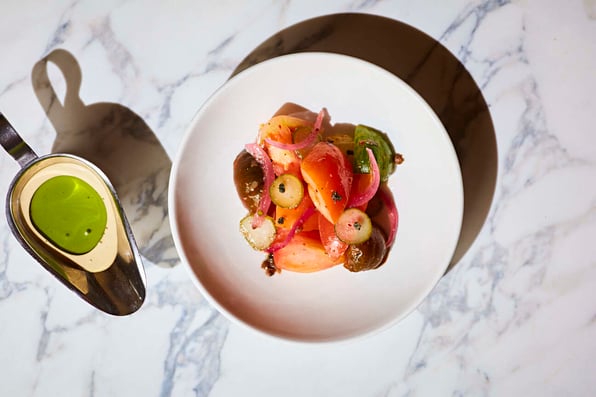
Guests are more informed and more selective, increasingly expecting transparency around sourcing, ingredient quality and sustainability claims.
As consumer literacy rises, superficial wellness messaging is becoming easier to identify, increasing pressure on brands to demonstrate operational credibility rather than relying solely on positioning.
Social Wellbeing and Flexible Hospitality
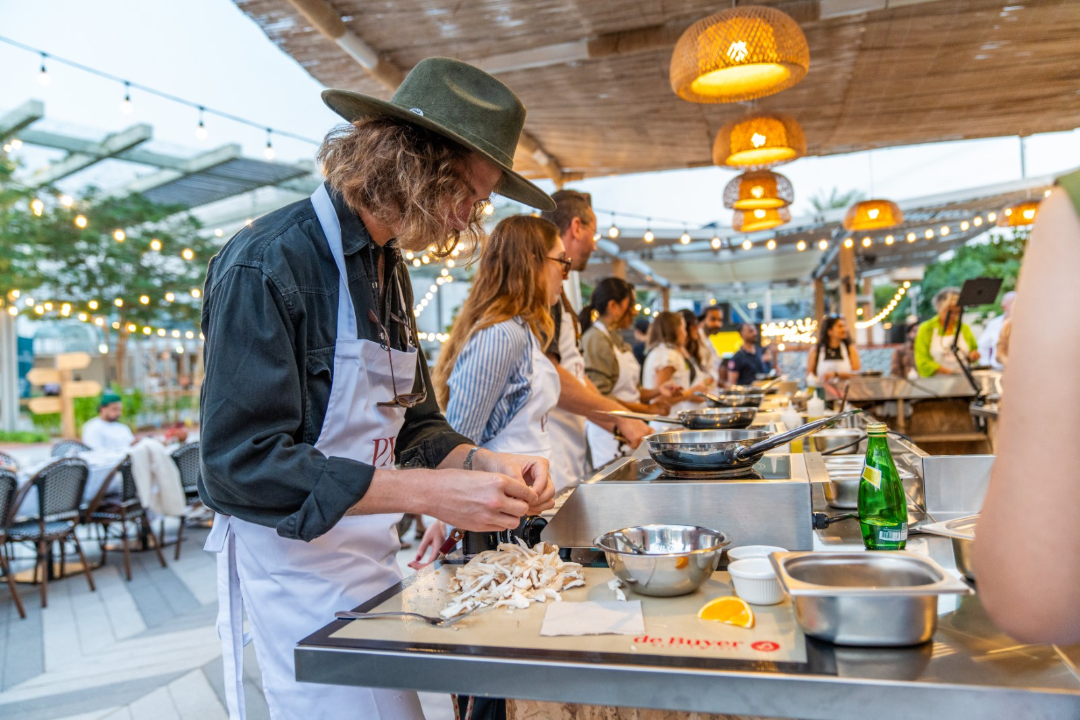
Hospitality is also playing a major growing role in social wellbeing with people increasingly valuing spaces that support connection, low-pressure interaction and flexible communal experiences.
This is driving demand for environments that balance sociability with privacy, particularly within mixed-use and lifestyle-led hospitality models.
Operator Pressures
While guest expectations continue to rise, operators are simultaneously managing increasing financial and operational constraints. Labour shortages, rising costs and ageing infrastructure are making it more difficult to deliver wellness consistently and at scale.
For many hospitality businesses, the challenge is no longer understanding the value of wellness, but integrating it operationally in a commercially sustainable way.
Operational Complexity
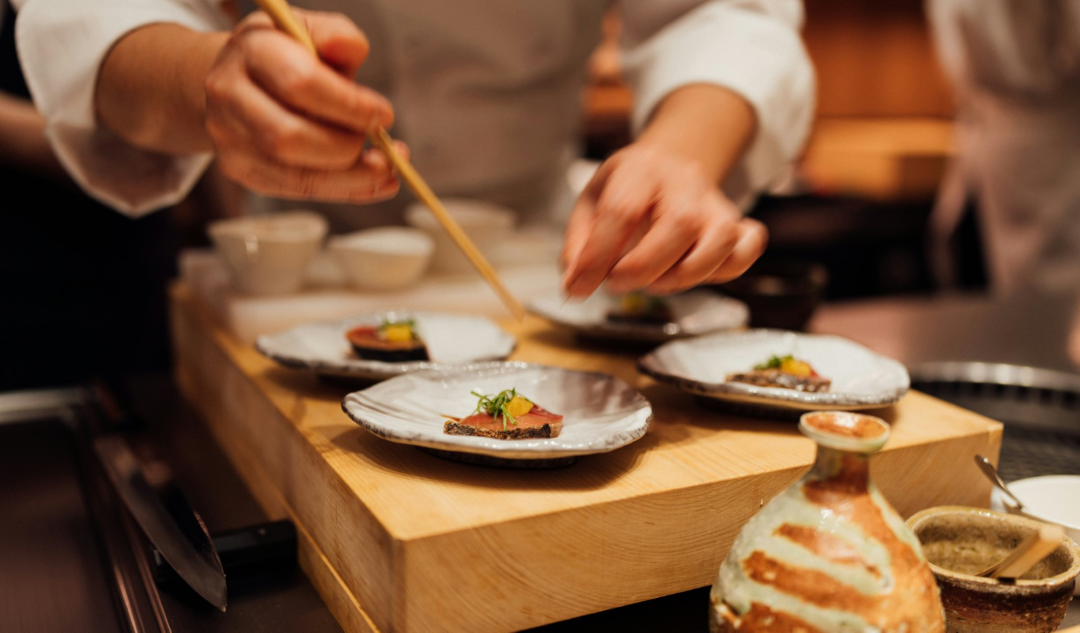
Delivering wellness consistently requires coordination across design, operations, food and beverage, staffing and programming.
Many hospitality assets were not originally designed to support this level of integration, creating operational friction between concept ambition and day-to-day delivery.
Cost and Margin Pressure
Rising labour costs, supply chain volatility and inflation continue to place pressure on hospitality operators.
These constraints can limit investment in higher-quality sourcing, wellness-focused infrastructure and specialised operational models without impacting margins.
Labour and Capability Challenges
Wellness-led hospitality often requires additional staff training, operational oversight and service consistency.
At the same time, staffing shortages and retention challenges are reducing the capacity of operators to deliver more complex guest experiences reliably.
Legacy Infrastructure Constraints
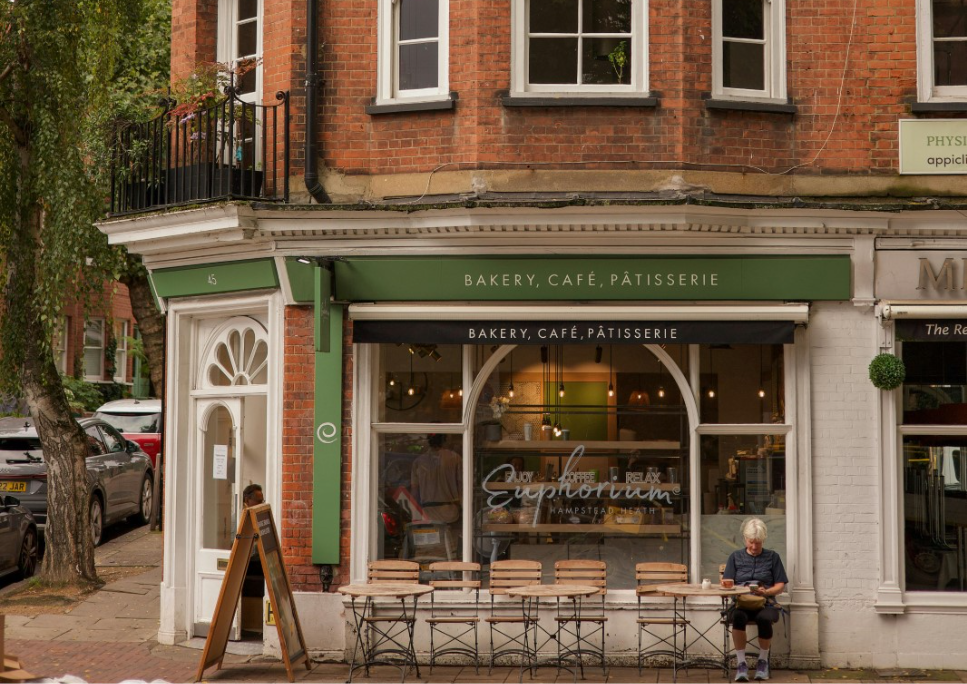
Older buildings and traditional hospitality formats can restrict the integration of wellness-focused systems such as enhanced ventilation, acoustic treatment, circadian lighting and recovery facilities.
Retrofitting these systems often requires significant capital investment and operational disruption.
The Structural Gap
The result is a growing disconnect between expressed wellness and operational wellness.
Many hospitality brands communicate wellness visually through materials, menus or branding, but struggle to support these claims through operational systems and measurable performance.
This often appears in three ways:
- Greenwashing – Sustainability claims without operational transparency or measurable backing.
- Wellness Theatre – Wellness aesthetics or messaging unsupported by environmental or nutritional performance.
- Over-Programming – Wellness experiences added without sufficient staffing, infrastructure or operational support.
The issue is rarely intent. It is integration.
Wellness cannot operate as a layer added at the end of a project. It must be embedded across concept development, operational planning, spatial design and service delivery from the outset.
Case Study — Long Lane
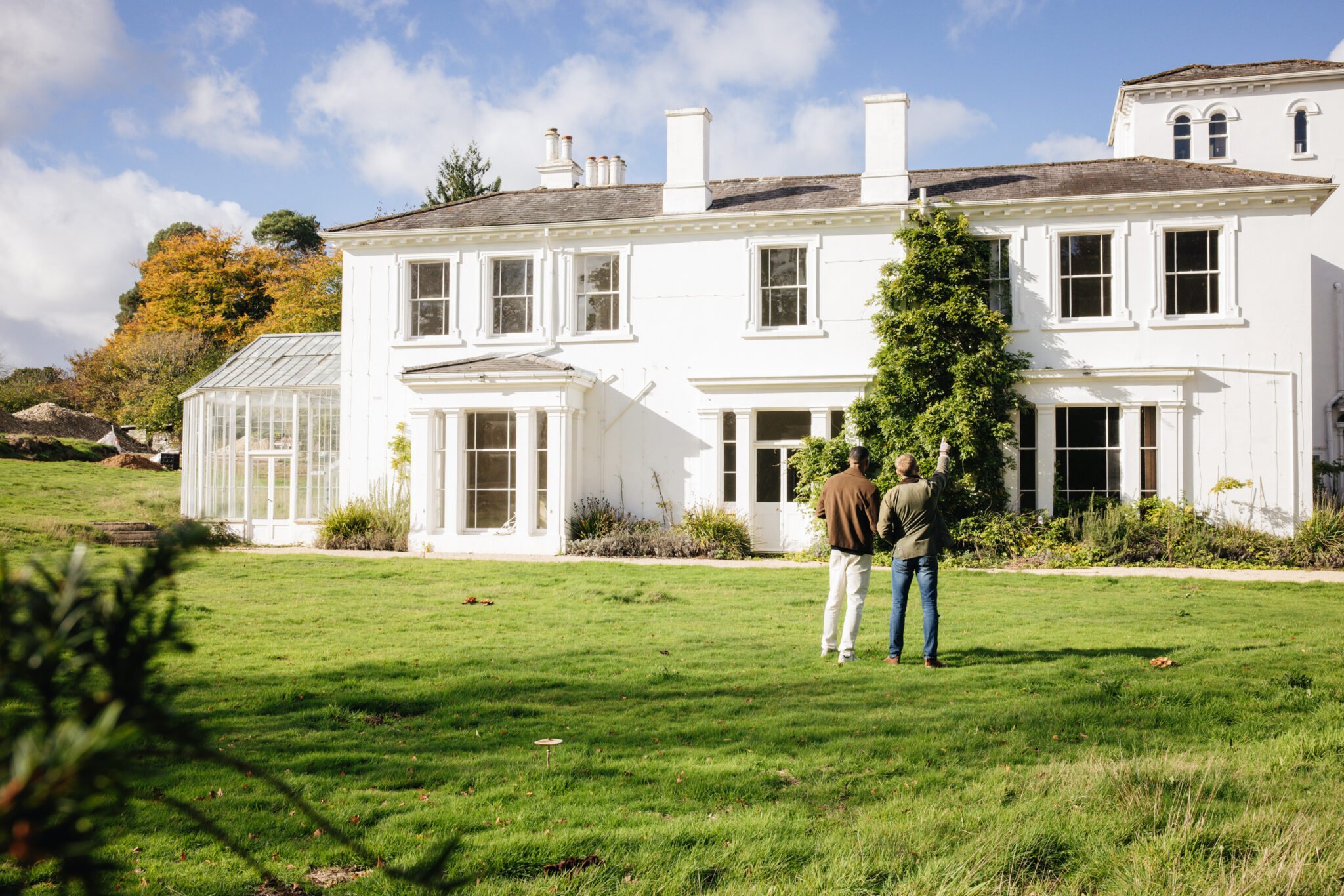
Long Lane demonstrates a more integrated approach to wellness hospitality.
Set within the South Downs and centred around the restoration of Dunford House, the project aligns environmental performance, recovery, food strategy and operational delivery into a unified hospitality model.
Rather than treating wellness as a standalone amenity, the project integrates ventilation, lighting, acoustics, recovery spaces and nutritional strategy into the overall guest experience.
Importantly, the operational model is designed to support the concept realistically, ensuring that staffing, programming and infrastructure remain aligned with long-term delivery.
Conclusion
The hospitality sector is entering a new phase where wellness is no longer defined by aesthetics or messaging alone.
Guests increasingly expect environments that actively support how they feel, function and recover, while operators face growing pressure to deliver these experiences within real operational constraints.
Closing this gap requires a shift from wellness as branding to wellness as everyday infrastructure — integrating design, operations, food strategy and environmental performance into a coherent system.
Book a Wellness Audit
Understanding the gap between guest expectation and operational reality is the first step towards building a more credible and commercially profitable hospitality model.
Explore how integrated wellness strategy can strengthen guest experience, operational performance and long-term brand value.